I Radiation and Clinical Oncology Department of Maria Skłodowska-Curie National Research Institute of Oncology, Gliwice Branch, 44-102 Gliwice, Poland.
Department of Digestive Tract Surgery, Medical University of Silesia, 40-752 Katowice, Poland.
Nutrients. 2021 Dec 26;14(1):88. doi: 10.3390/nu14010088.
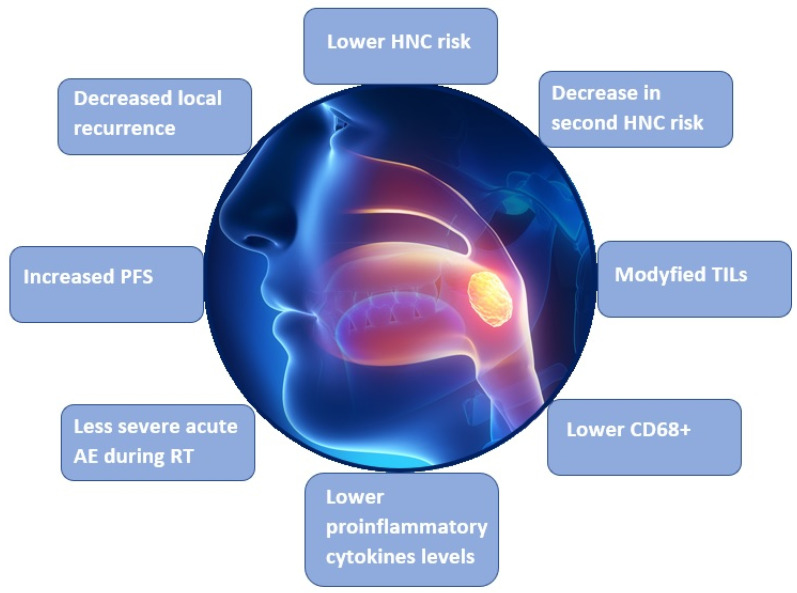
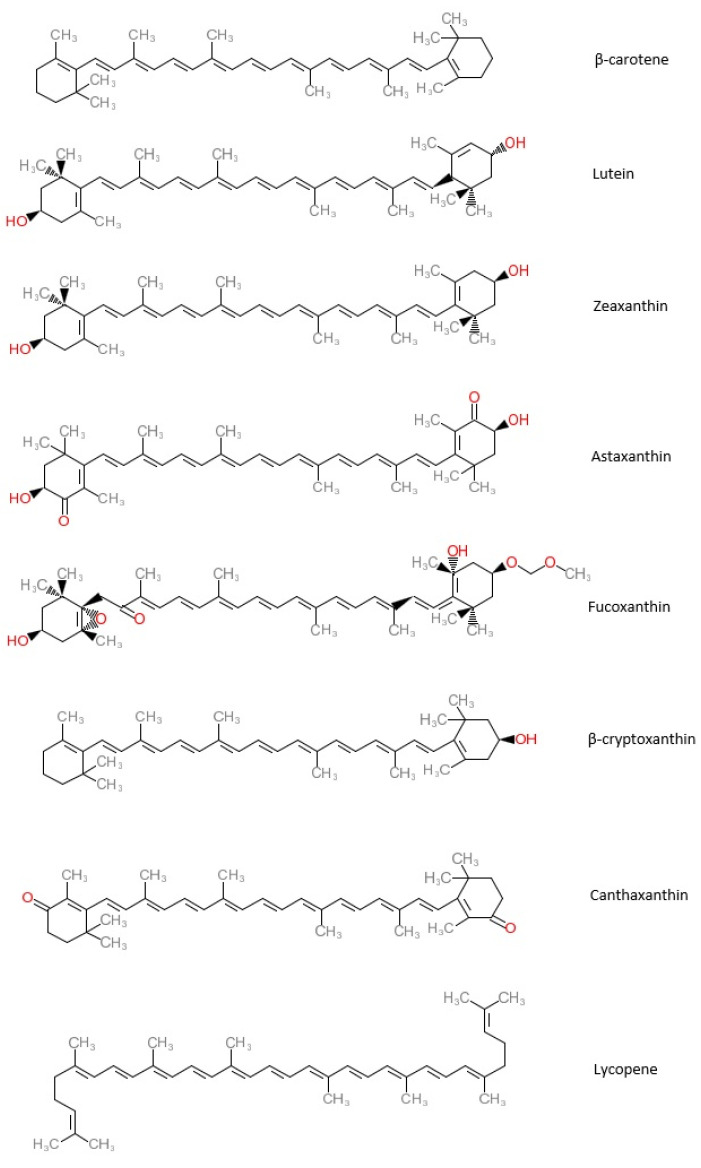
Head and neck cancer (HNC) includes oral cavity cancer (OCC), pharyngeal cancer (PC), and laryngeal cancer (LC). It is one of the most frequent cancers in the world. Smoking and alcohol consumption are the typical well-known predictors of HNC. Human papillomavirus (HPV) is an increasing etiological factor for oropharyngeal cancer (OPC). Moreover, food and nutrition play an important role in HNC etiology. According to the World Cancer Research Fund and the American Institute for Cancer Research, an intake of non-starchy vegetables and fruits could decrease HNC risk. The carotenoids included in vegetables and fruits are well-known antioxidants which have anti-mutagenic and immune regulatory functions. Numerous studies have shown the relationship between carotenoid intake and a lower HNC risk, but the role of carotenoids in HNC risk is not well defined. The goal of this review is to present the current literature regarding the relationship between various carotenoids and HNC risk.
头颈部癌症(HNC)包括口腔癌(OCC)、咽癌(PC)和喉癌(LC)。它是世界上最常见的癌症之一。吸烟和饮酒是 HNC 的典型已知预测因素。人乳头瘤病毒(HPV)是口咽癌(OPC)日益增加的病因。此外,食物和营养在 HNC 的病因学中起着重要作用。根据世界癌症研究基金会和美国癌症研究所的数据,摄入非淀粉类蔬菜和水果可以降低 HNC 的风险。蔬菜和水果中含有的类胡萝卜素是众所周知的抗氧化剂,具有抗突变和免疫调节功能。许多研究表明,类胡萝卜素的摄入量与 HNC 风险降低之间存在关系,但类胡萝卜素在 HNC 风险中的作用尚不清楚。本综述的目的是介绍目前关于各种类胡萝卜素与 HNC 风险之间关系的文献。