Beijing Key Laboratory of Molecular Pharmaceutics and New Drug Delivery Systems, State Key Laboratory of Natural and Biomimetic Drugs, School of Pharmaceutical Sciences, Peking University, Beijing, China.
Beijing Key Laboratory of Molecular Pharmaceutics and New Drug Delivery Systems, State Key Laboratory of Natural and Biomimetic Drugs, School of Pharmaceutical Sciences, Peking University, Beijing, China..
J Control Release. 2022 Feb;342:241-279. doi: 10.1016/j.jconrel.2022.01.008. Epub 2022 Jan 10.
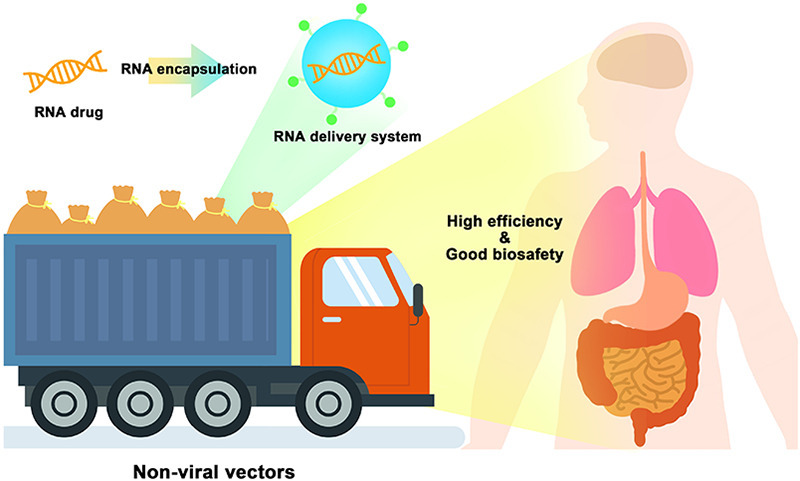
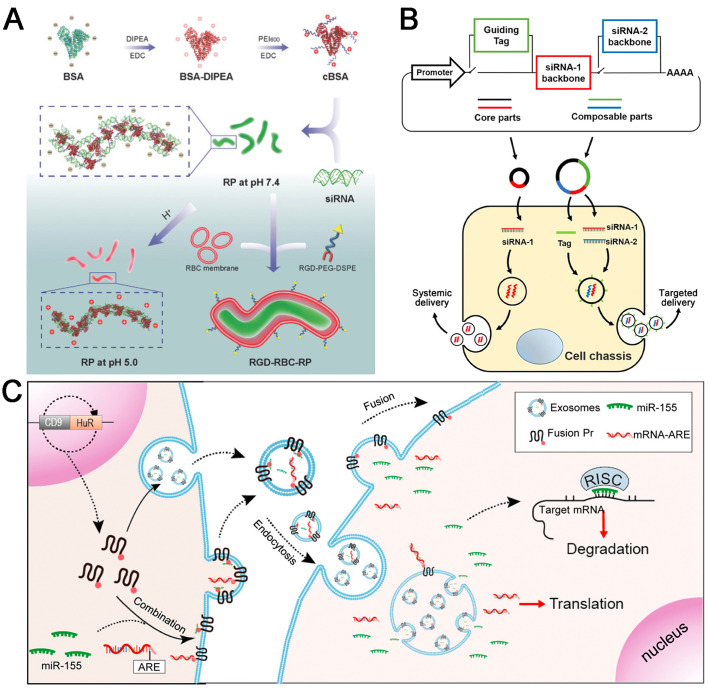
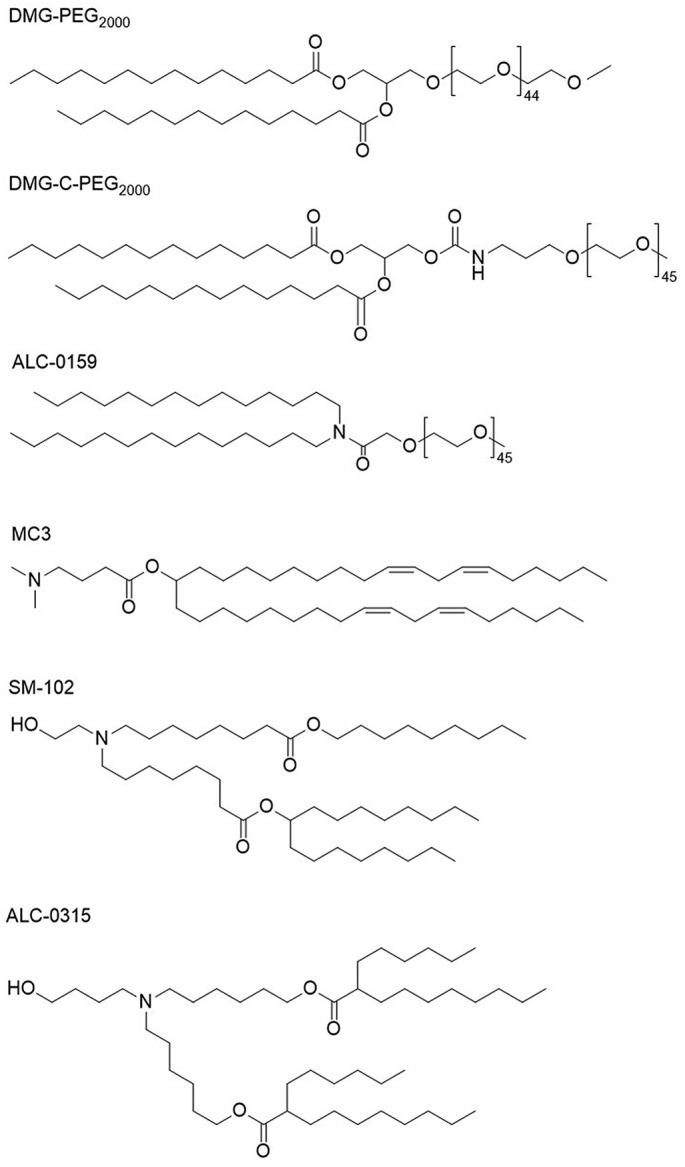
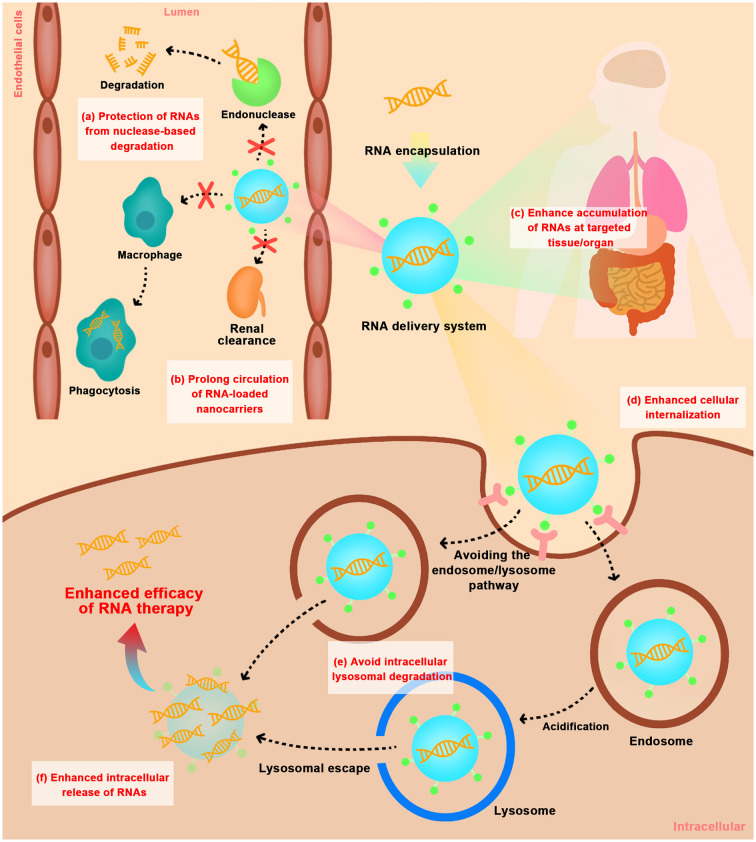
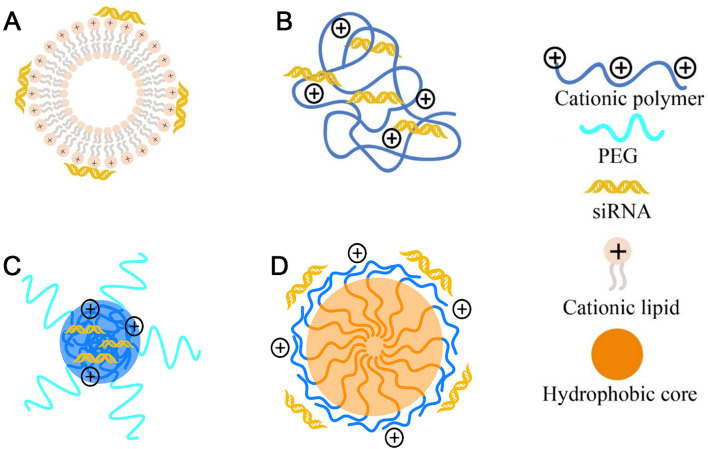
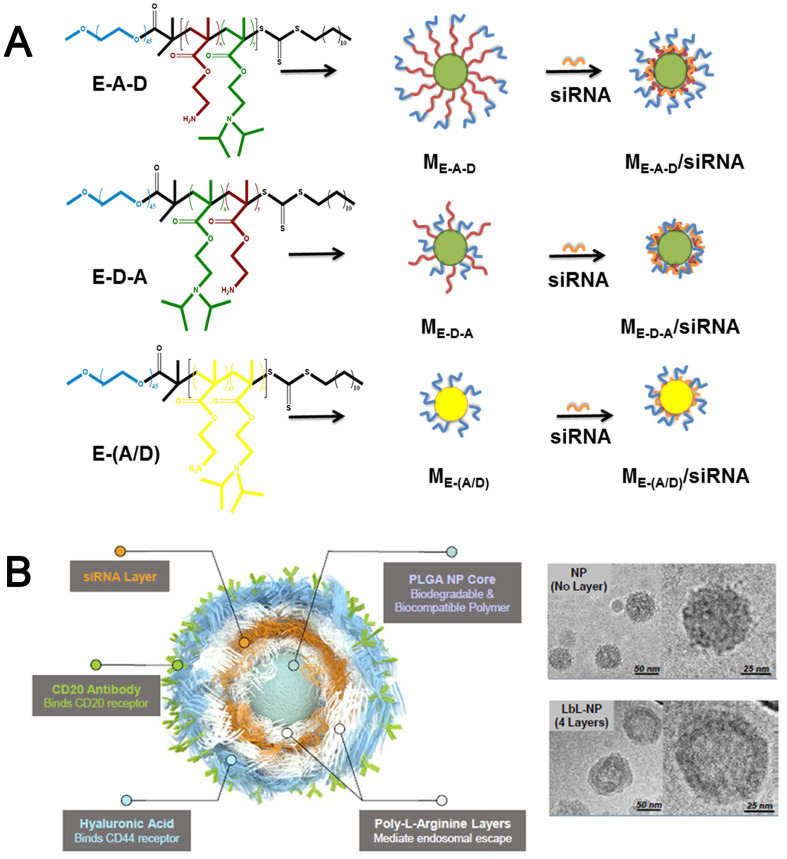
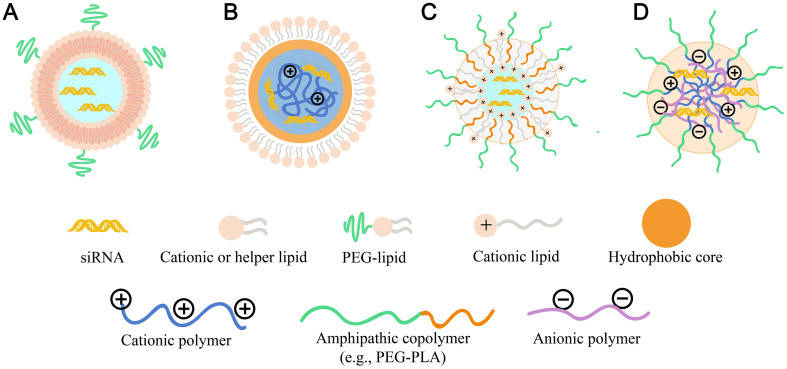
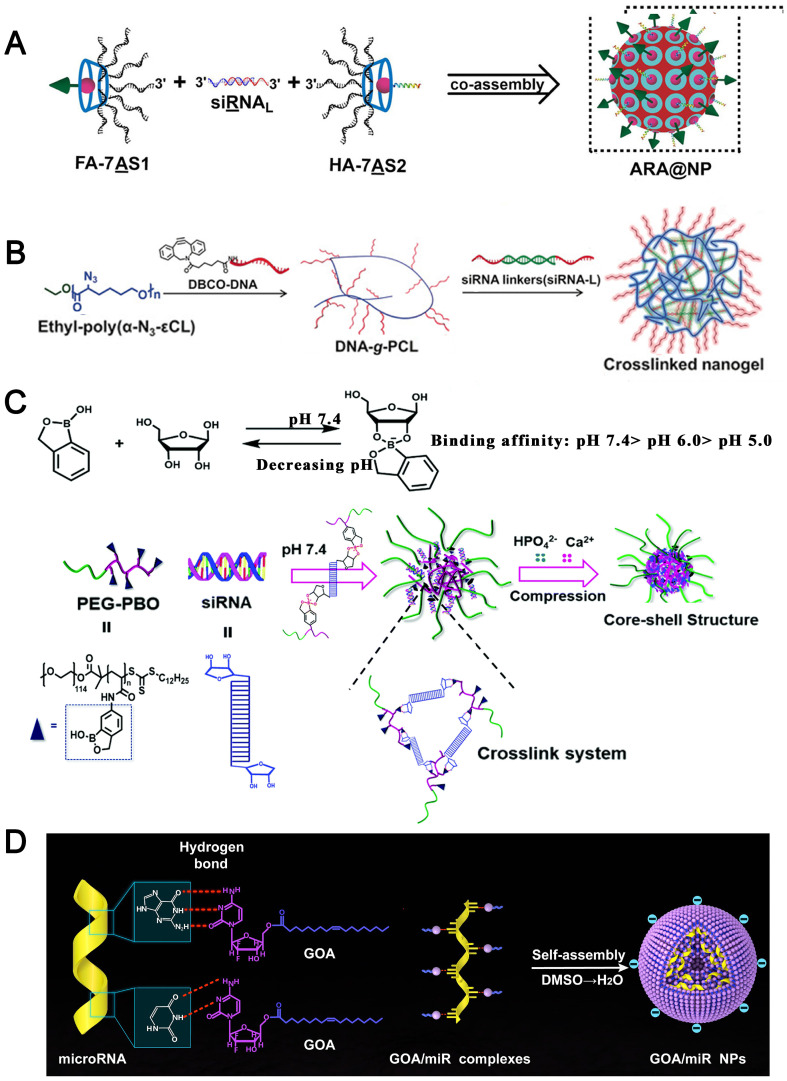
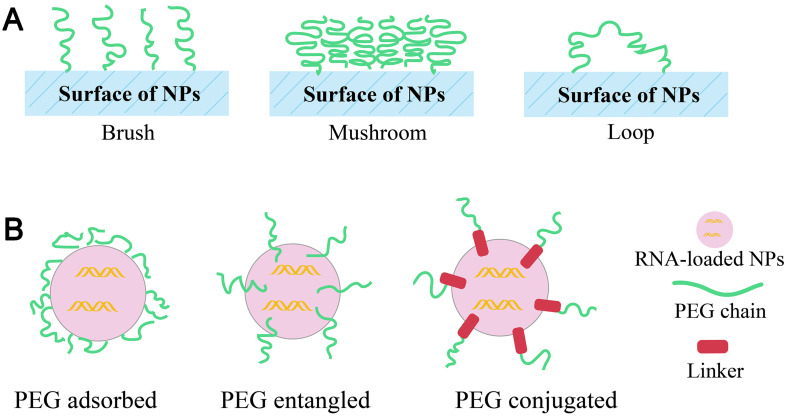
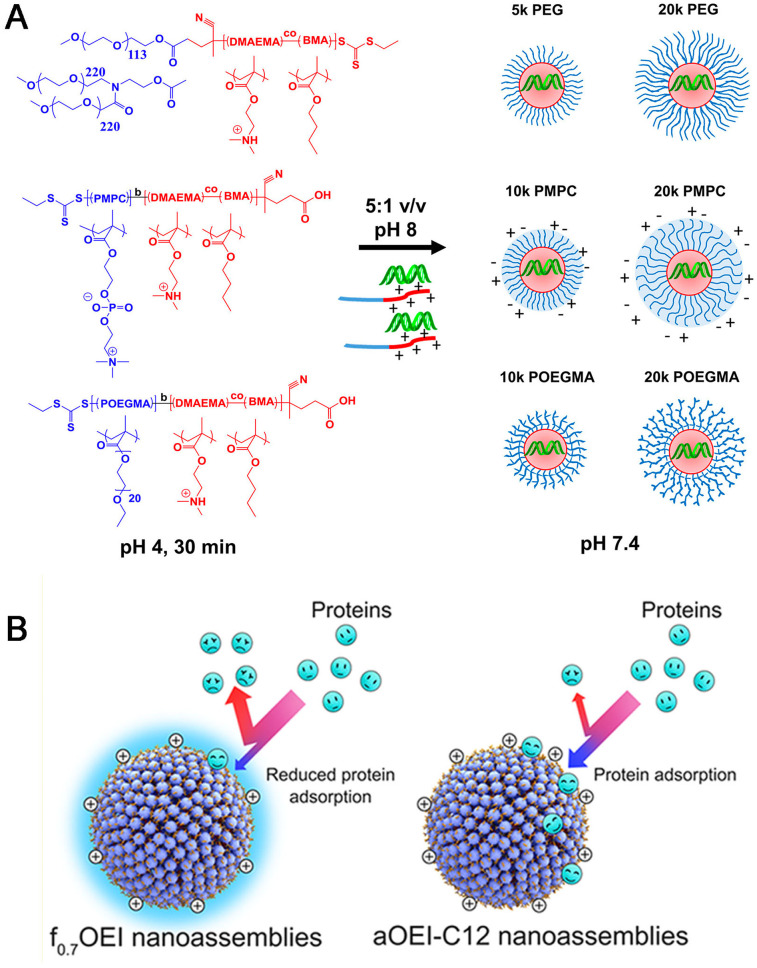
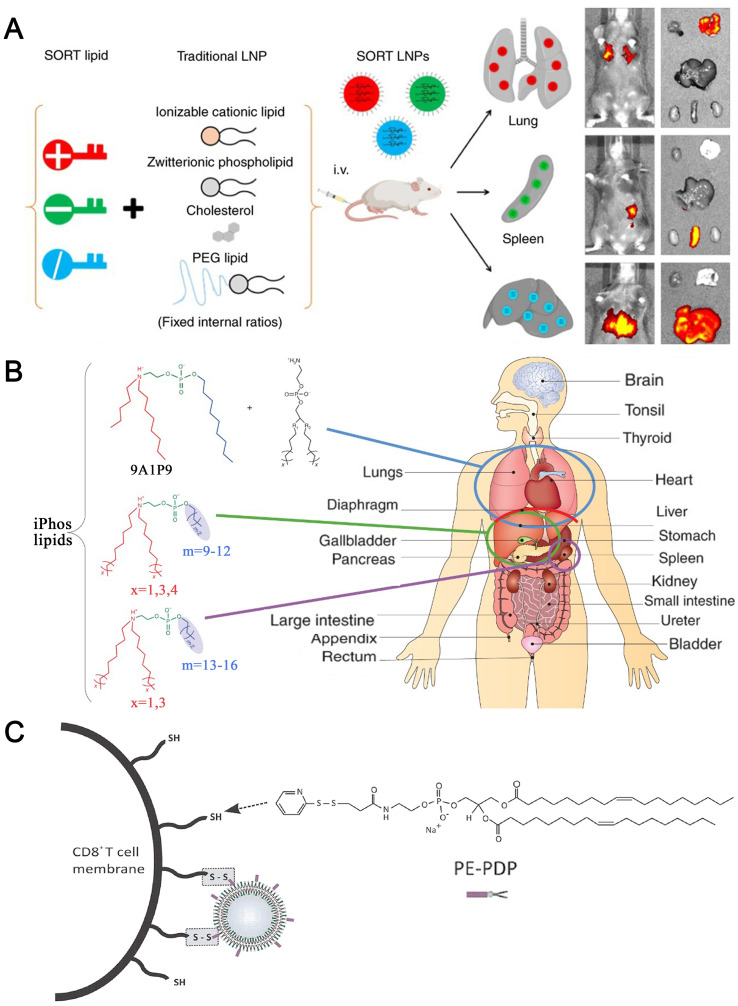
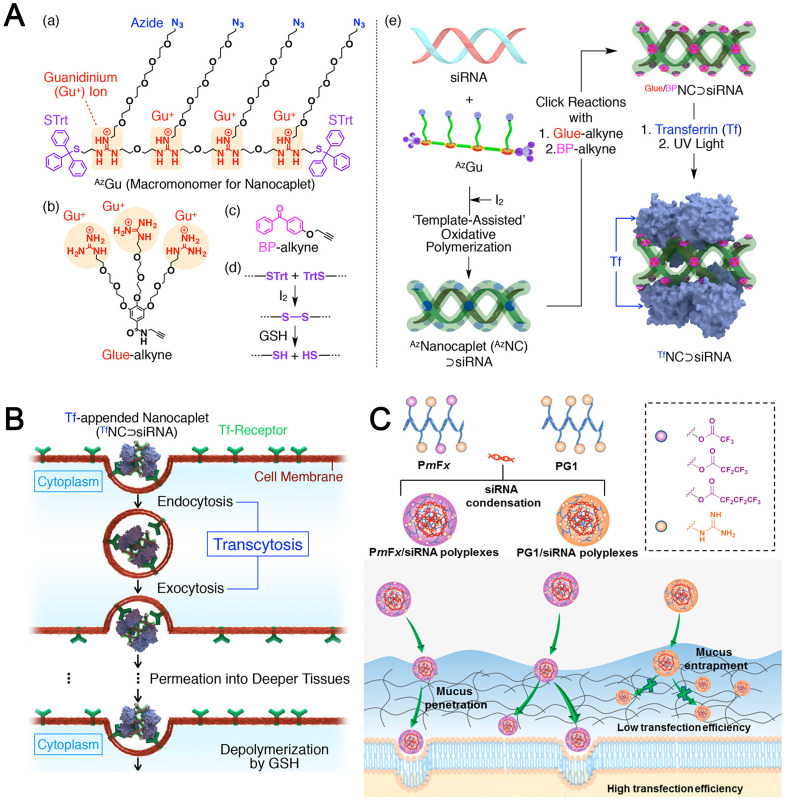
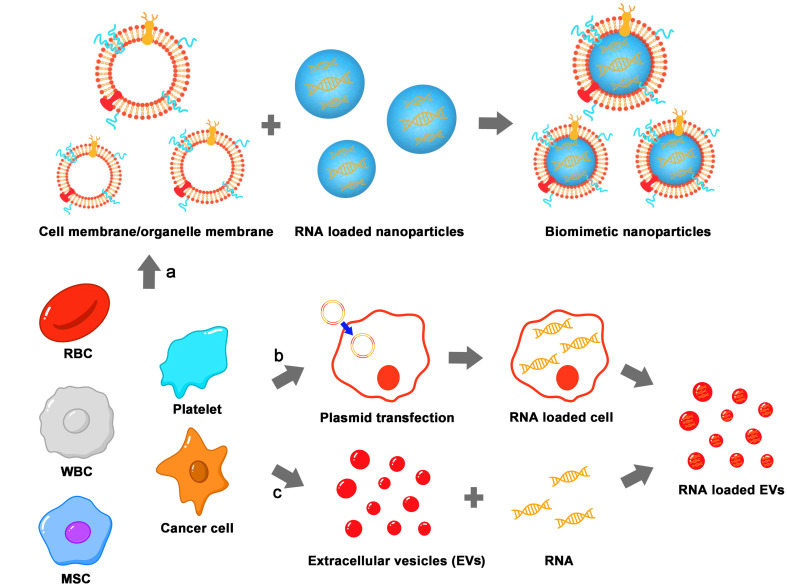
RNA-based therapy is a promising and potential strategy for disease treatment by introducing exogenous nucleic acids such as messenger RNA (mRNA), small interfering RNA (siRNA), microRNA (miRNA) or antisense oligonucleotides (ASO) to modulate gene expression in specific cells. It is exciting that mRNA encoding the spike protein of COVID-19 (coronavirus disease 2019) delivered by lipid nanoparticles (LNPs) exhibits the efficient protection of lungs infection against the virus. In this review, we introduce the biological barriers to RNA delivery in vivo and discuss recent advances in non-viral delivery systems, such as lipid-based nanoparticles, polymeric nanoparticles, N-acetylgalactosamine (GalNAc)-siRNA conjugate, and biomimetic nanovectors, which can protect RNAs against degradation by ribonucleases, accumulate in specific tissue, facilitate cell internalization, and allow for the controlled release of the encapsulated therapeutics.
基于 RNA 的疗法是一种有前途和潜在的疾病治疗策略,通过引入外源性核酸,如信使 RNA(mRNA)、小干扰 RNA(siRNA)、微小 RNA(miRNA)或反义寡核苷酸(ASO),来调节特定细胞中的基因表达。令人兴奋的是,脂质纳米颗粒(LNPs)递送的编码 COVID-19(2019 年冠状病毒病)刺突蛋白的 mRNA 有效地保护了肺部免受病毒感染。在这篇综述中,我们介绍了体内 RNA 递释的生物学屏障,并讨论了最近在非病毒递释系统方面的进展,如基于脂质的纳米颗粒、聚合物纳米颗粒、N-乙酰半乳糖胺(GalNAc)-siRNA 缀合物和仿生纳米载体,这些系统可以保护 RNA 免受核糖核酸酶的降解,在特定组织中积累,促进细胞内化,并允许封装的治疗剂的控制释放。