Department of Molecular Metabolism, Harvard T. H. Chan School of Public Health, Boston, MA 02115, USA.
Division of Engineering in Medicine, Department of Medicine, Brigham and Women's Hospital and Harvard Medical School, Cambridge, MA 02139, USA.
Adv Drug Deliv Rev. 2022 May;184:114197. doi: 10.1016/j.addr.2022.114197. Epub 2022 Mar 12.
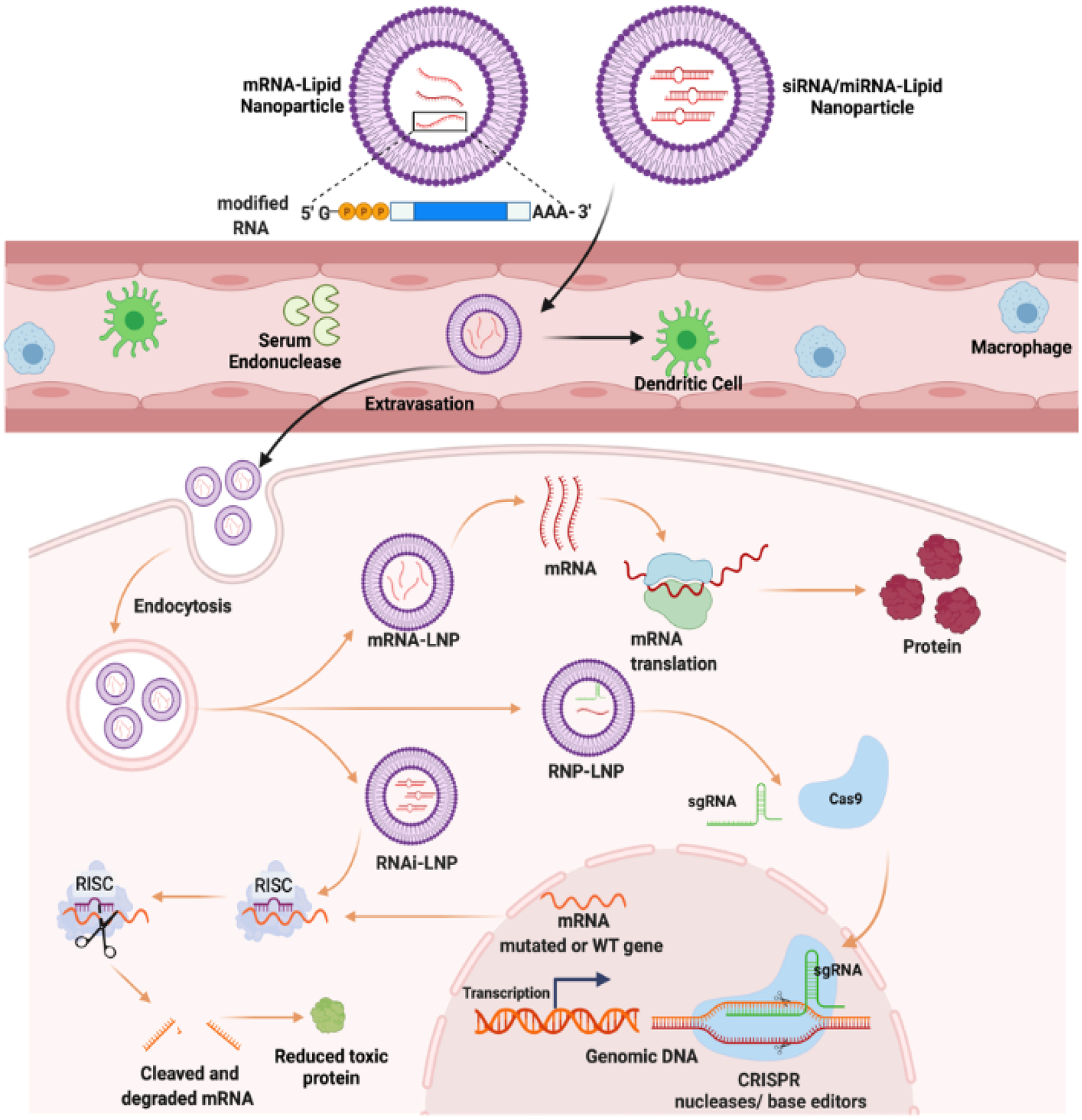
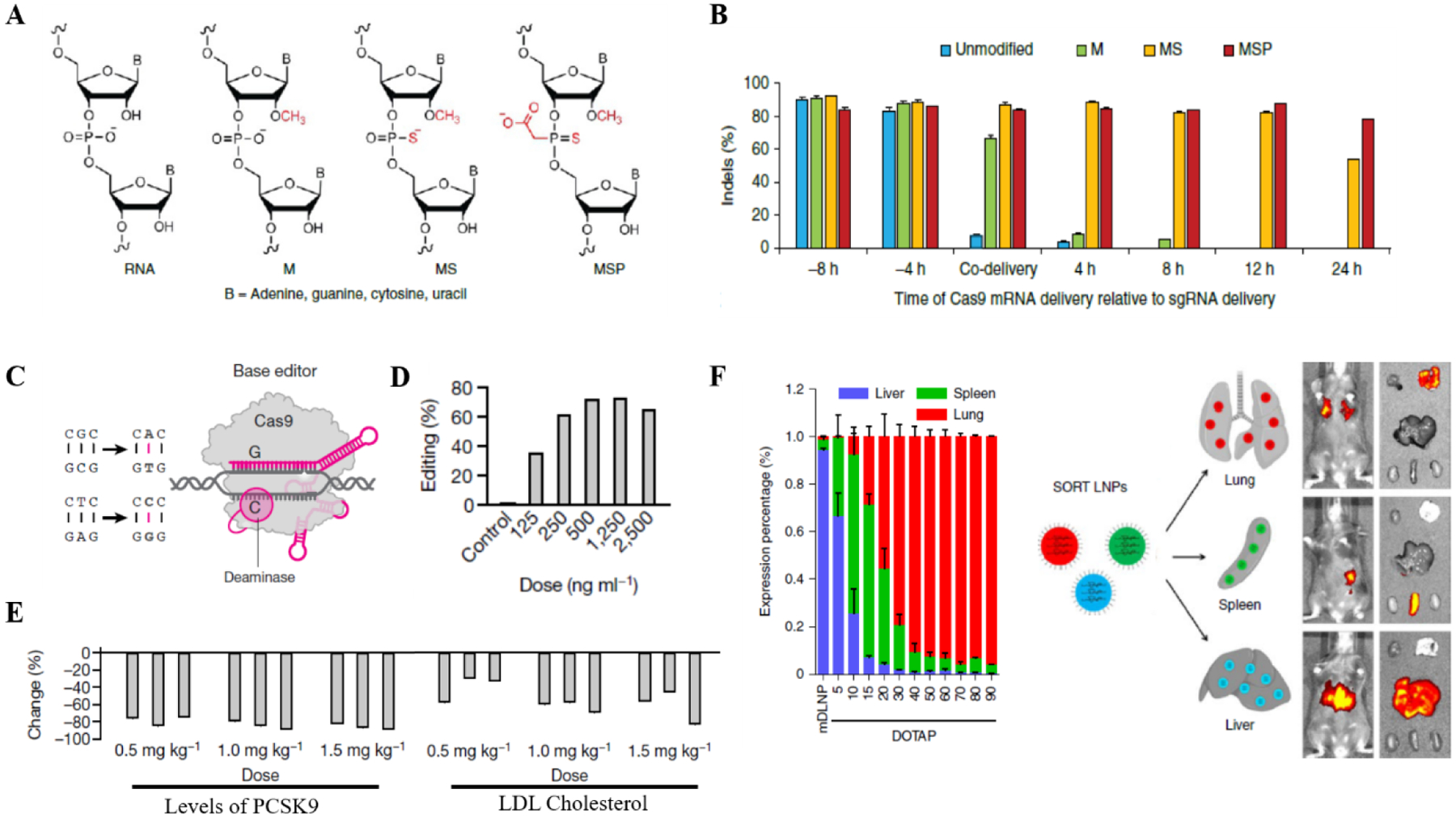
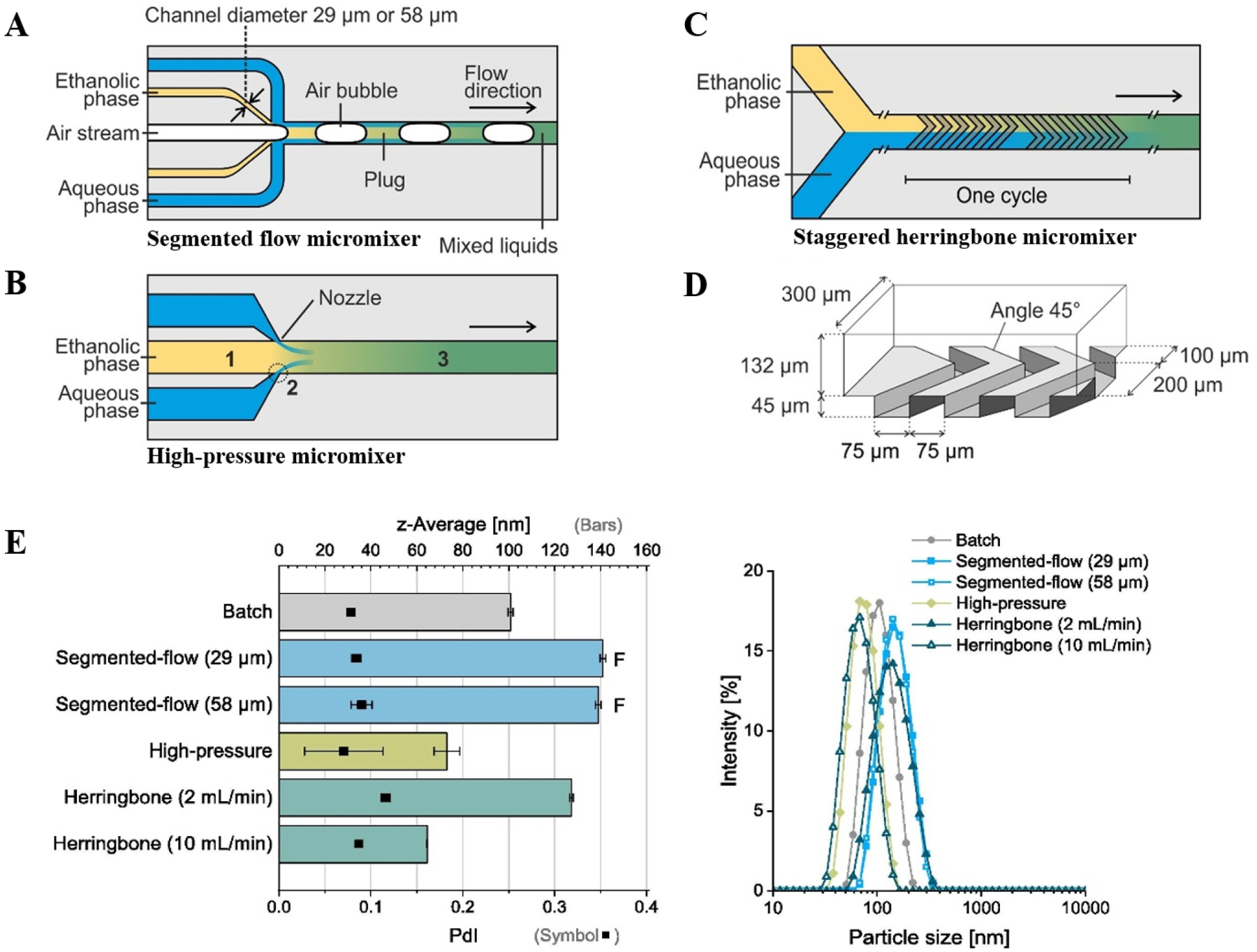
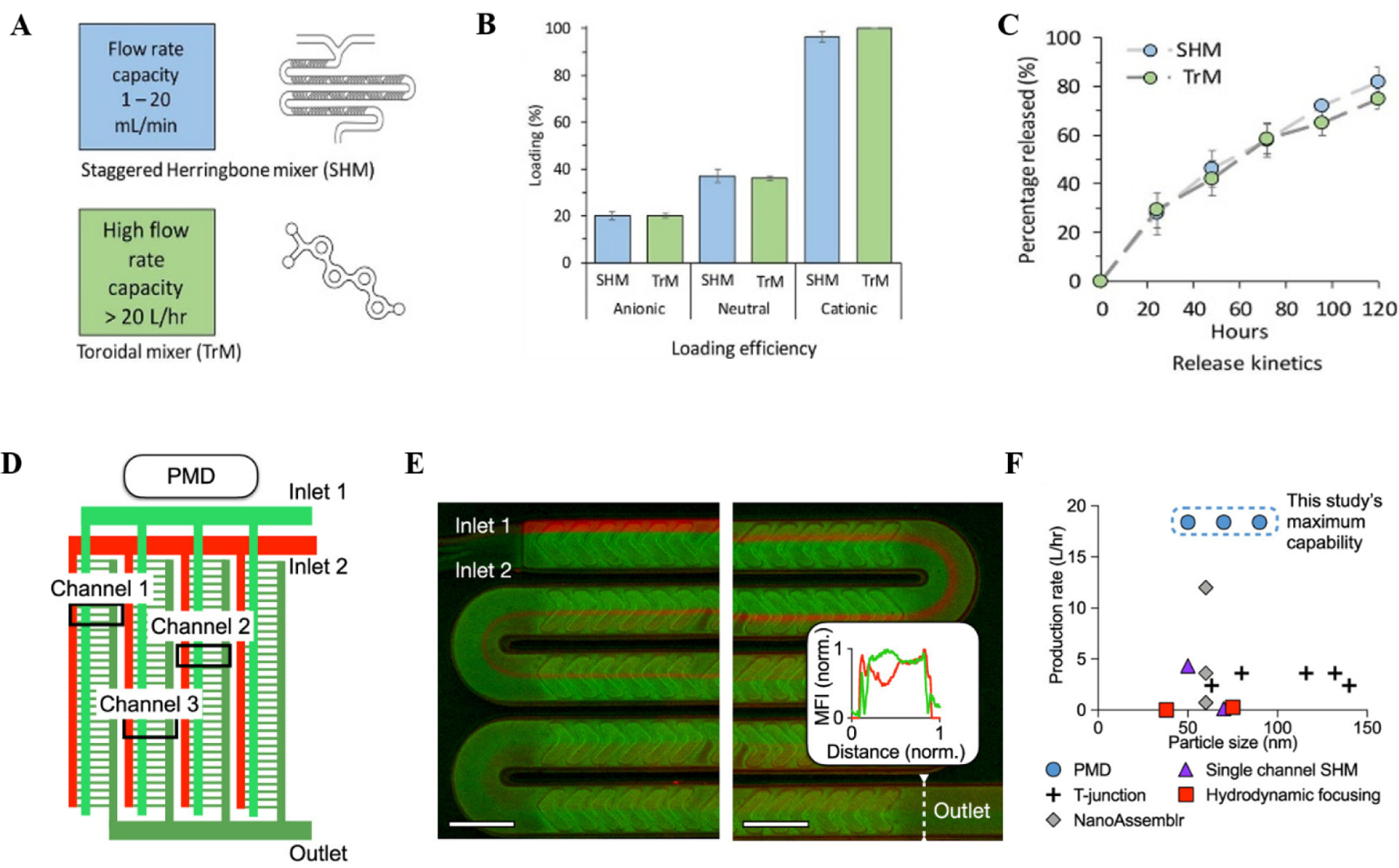
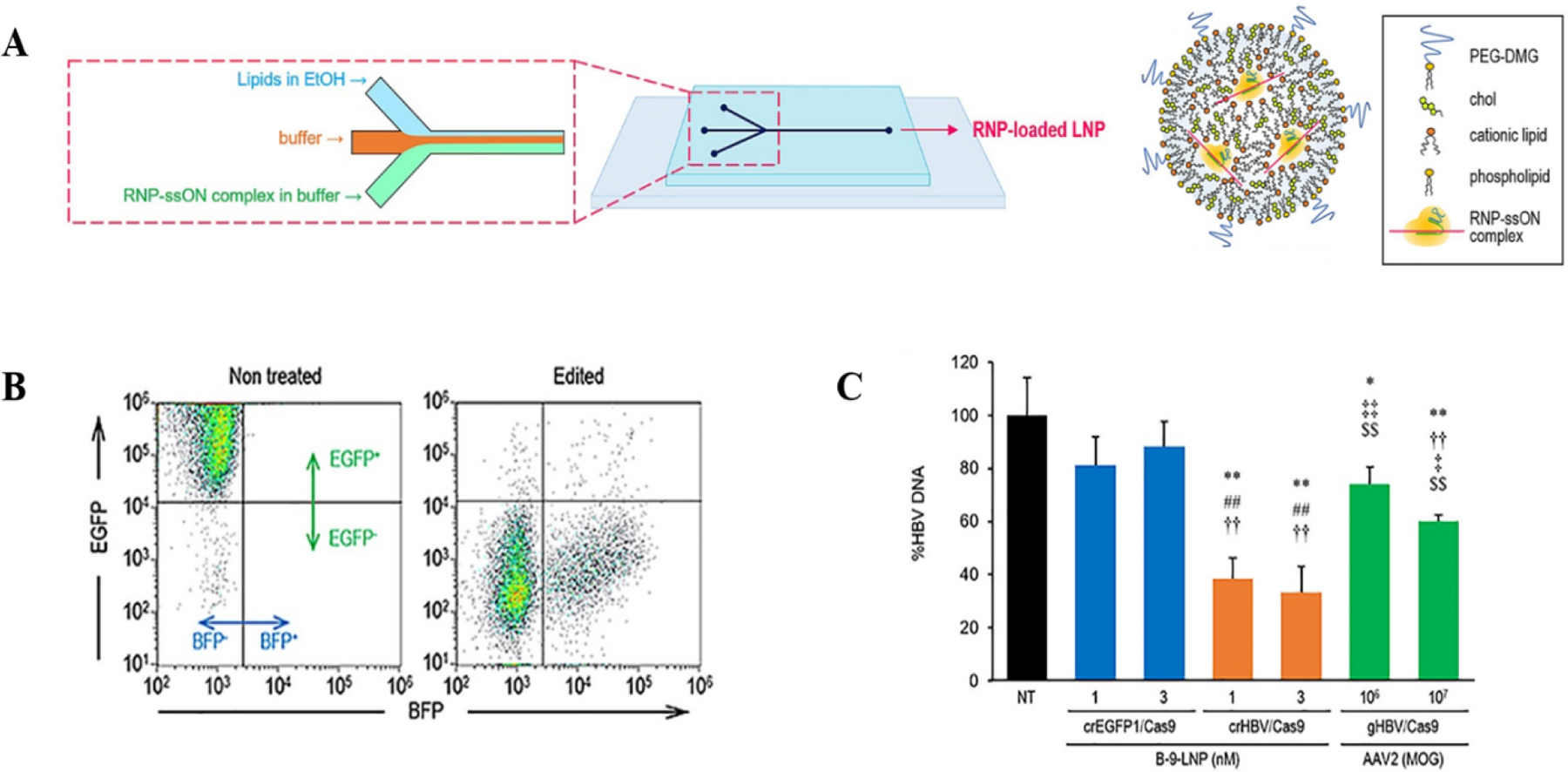
Gene therapy has emerged as a potential platform for treating several dreaded and rare diseases that would not have been possible with traditional therapies. Viral vectors have been widely explored as a key platform for gene therapy due to their ability to efficiently transport nucleic acid-based therapeutics into the cells. However, the lack of precision in their delivery has led to several off-target toxicities. As such, various strategies in the form of non-viral gene delivery vehicles have been explored and are currenlty employed in several therapies including the SARS-CoV-2 vaccine. In this review, we discuss the opportunities lipid nanoparticles (LNPs) present for efficient gene delivery. We also discuss various synthesis strategies via microfluidics for high throughput fabrication of non-viral gene delivery vehicles. We conclude with the recent applications and clinical trials of these vehicles for the delivery of different genetic materials such as CRISPR editors and RNA for different medical conditions ranging from cancer to rare diseases.
基因治疗已成为治疗多种可怕和罕见疾病的潜在平台,如果没有传统疗法,这些疾病将是不可能治愈的。由于能够将基于核酸的治疗药物高效地递送至细胞内,病毒载体已被广泛探索作为基因治疗的关键平台。然而,其递送缺乏精准性,导致了多种脱靶毒性。因此,已经探索了各种非病毒基因传递载体的策略,并在包括 SARS-CoV-2 疫苗在内的几种疗法中得到应用。在这篇综述中,我们讨论了脂质纳米颗粒 (LNP) 在高效基因传递方面带来的机遇。我们还讨论了通过微流控技术进行各种合成策略,以实现高通量制造非病毒基因传递载体。最后,我们总结了这些载体在递送不同遗传物质(如 CRISPR 编辑器和 RNA)方面的最新应用和临床试验,这些遗传物质用于治疗从癌症到罕见疾病等不同医学病症。