Department of Obstetrics and Gynecology, BioResource Research Center, Key Laboratory for Major Obstetric Diseases of Guangdong Province, The Third Affiliated Hospital of Guangzhou Medical University, No. 63 Duobao Road, Liwan District, Guangzhou, 510150, Guangdong, China.
Institute of Human Virology, Zhongshan School of Medicine, Sun Yat-sen University, Guangzhou, China.
Epigenetics Chromatin. 2022 Jan 21;15(1):3. doi: 10.1186/s13072-022-00437-8.
Although paternal exposure to cigarette smoke may contribute to obesity and metabolic syndrome in offspring, the underlying mechanisms remain uncertain.
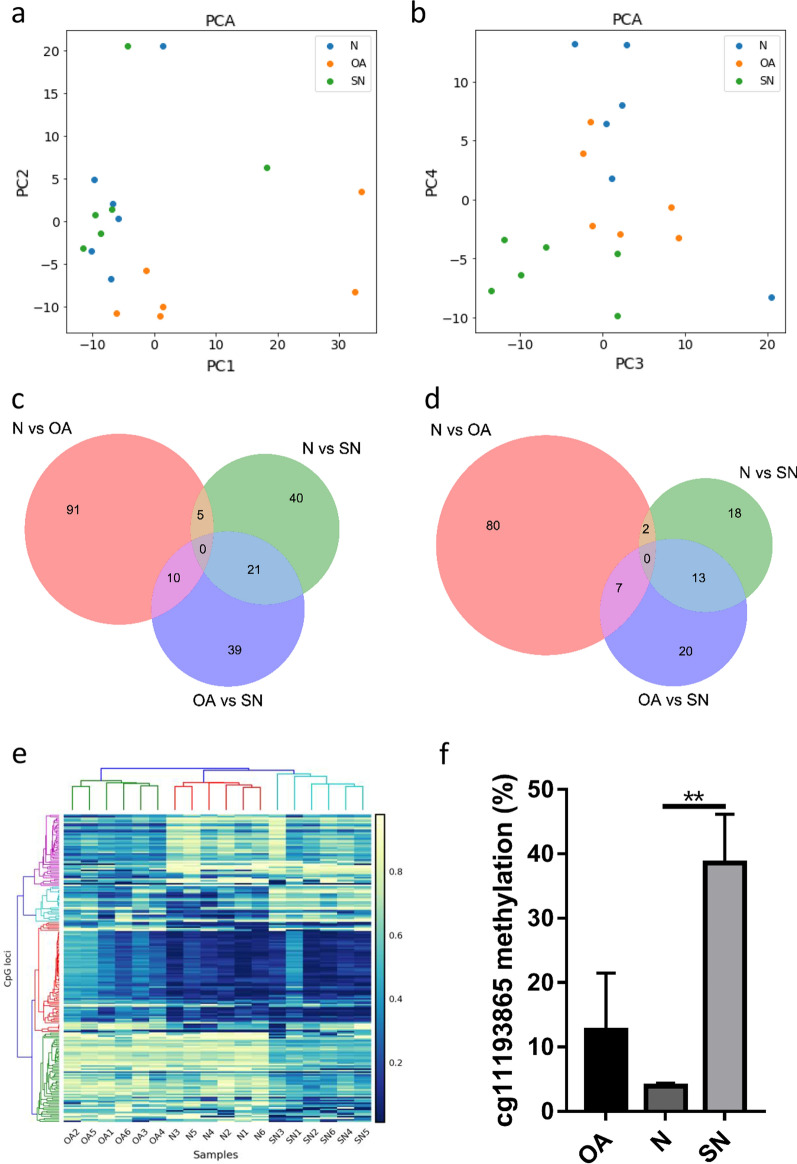
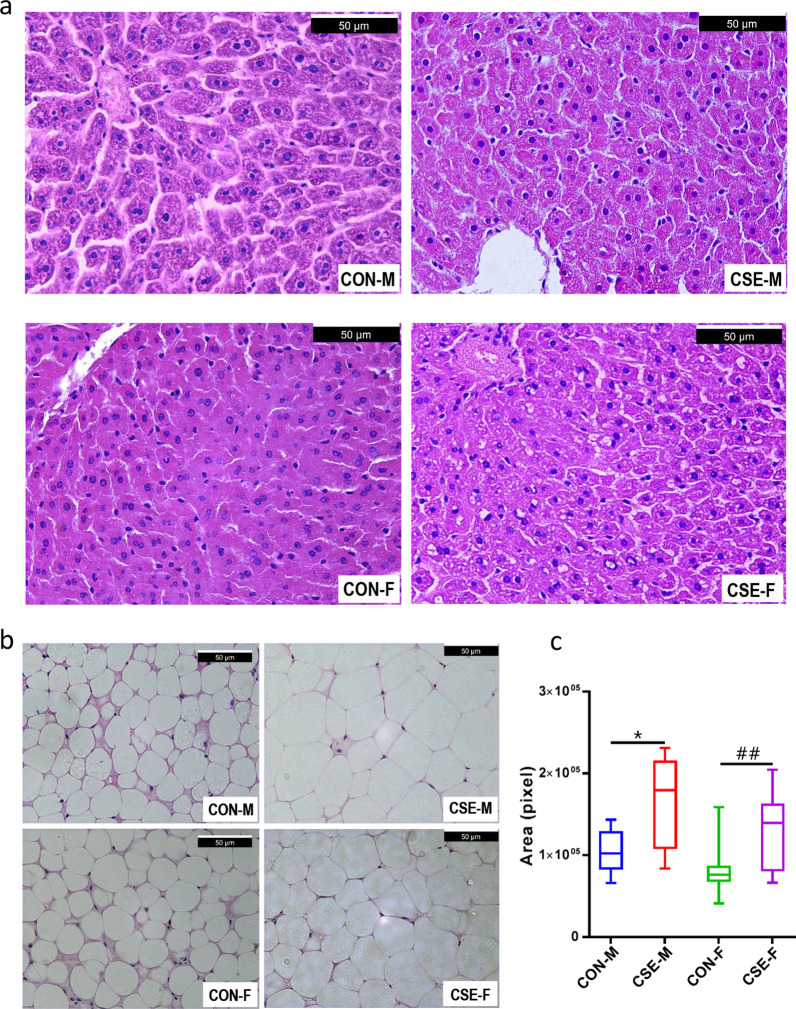
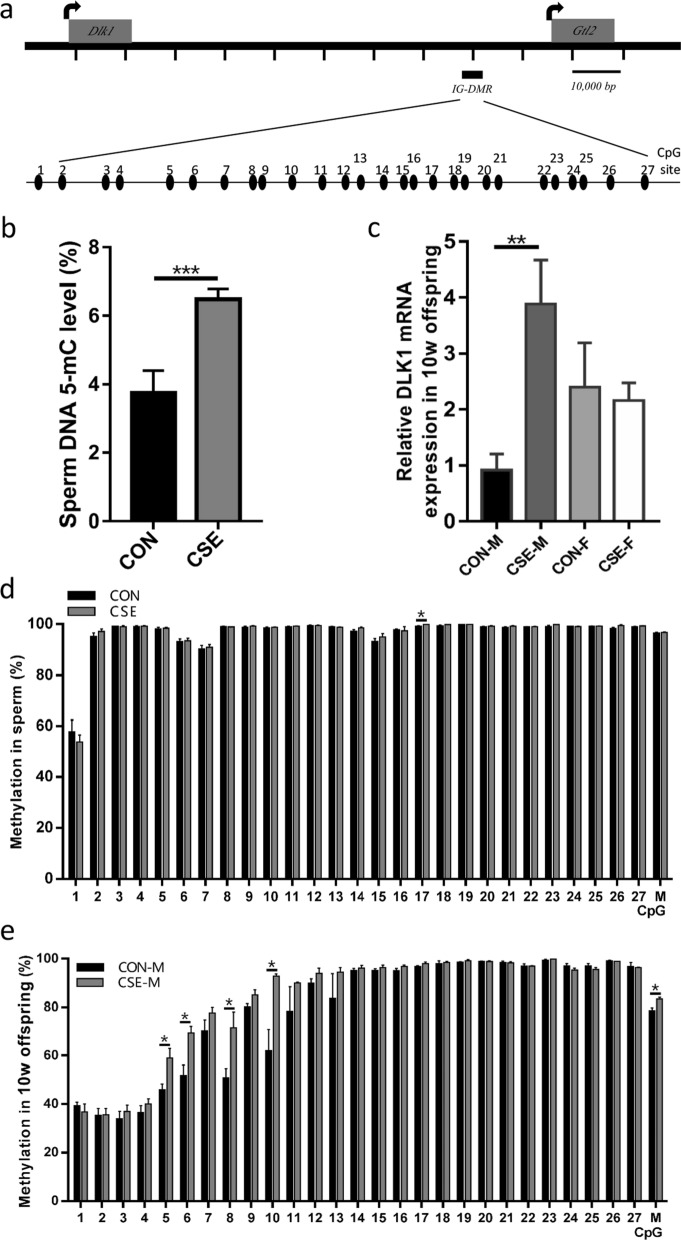
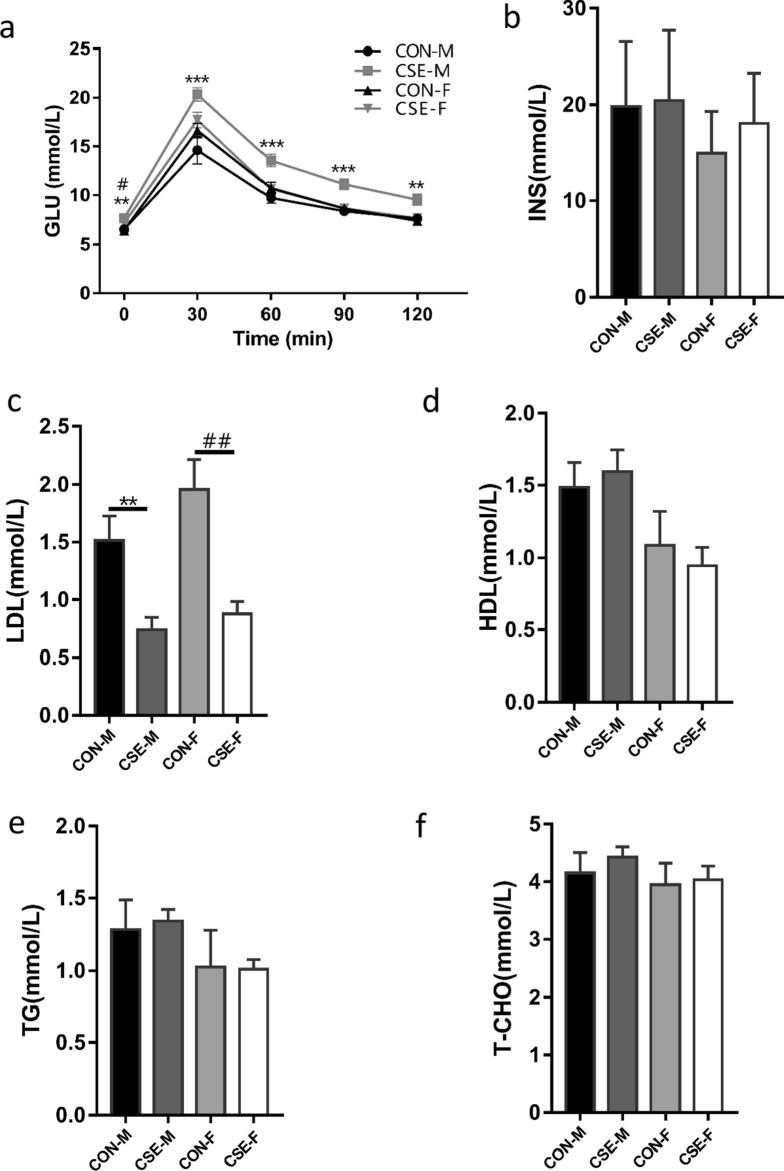
In the present study, we analyzed the sperm DNA-methylation profiles in tobacco-smoking normozoospermic (SN) men, non-tobacco-smoking normozoospermic (N) men, and non-smoking oligoasthenozoospermic (OA) men. Using a mouse model, we also analyzed global methylation and differentially methylated regions (DMRs) of the DLK1 gene in paternal spermatozoa and the livers of progeny. In addition, we quantified DLK1 expression, executed an intra-peritoneal glucose tolerance test (IPGTT), measured serum metabolites, and analyzed liver lipid accumulation in the F1 offspring.
Global sperm DNA-methylation levels were significantly elevated (p < 0.05) in the SN group, and the methylation patterns were different among N, SN, and OA groups. Importantly, the methylation level of the DLK1 locus (cg11193865) was significantly elevated in the SN group compared to both N and OA groups (p < 0.001). In the mouse model, the group exposed to cigarette smoke extract (CSE) exhibited a significantly higher global methylation DNA level in spermatozoa (p < 0.001) and on the DMR sites of Dlk1 in 10-week-old male offspring (p < 0.05), with a significant increase in Dlk1 expression in their livers (p < 0.001). In addition, IPGTT and LDL levels were significantly altered (p < 0.001), with elevated liver fat accumulation (p < 0.05) in F1 offspring.
Paternal exposure to cigarette smoke led to increased global methylation of sperm DNA and alterations to the DMR of the DLK1 gene in the F1 generation, which may be inherited parentally and may perturb long-term metabolic function.
尽管父亲暴露于香烟烟雾可能导致后代肥胖和代谢综合征,但潜在机制尚不清楚。
在本研究中,我们分析了吸烟正常精子(SN)男性、非吸烟正常精子(N)男性和非吸烟少精子症(OA)男性的精子 DNA 甲基化图谱。使用小鼠模型,我们还分析了亲代精子和后代肝脏中 DLK1 基因的整体甲基化和差异甲基化区域(DMR)。此外,我们定量了 F1 后代中 DLK1 的表达,进行了腹腔内葡萄糖耐量试验(IPGTT),测量了血清代谢物,并分析了肝脏脂质积累。
SN 组的精子总 DNA 甲基化水平显著升高(p<0.05),且 N、SN 和 OA 组之间的甲基化模式不同。重要的是,与 N 和 OA 组相比,SN 组中 DLK1 基因座(cg11193865)的甲基化水平显著升高(p<0.001)。在小鼠模型中,暴露于香烟烟雾提取物(CSE)的组的精子总 DNA 甲基化水平显著升高(p<0.001),且在 10 周龄雄性后代的 Dlk1 的 DMR 位点上也显著升高(p<0.05),其肝脏中 Dlk1 的表达显著增加(p<0.001)。此外,IPGTT 和 LDL 水平显著改变(p<0.001),F1 后代的肝脏脂肪积累增加(p<0.05)。
父亲暴露于香烟烟雾导致精子 DNA 的整体甲基化增加和 DMR 的改变,这可能是通过亲代遗传的,并可能扰乱长期的代谢功能。