Department of Physics, Faculty of Science, University of Malaya, 50603, Kuala Lumpur, Malaysia.
Department of Pharmaceutical Life Sciences, Faculty of Pharmacy, University of Malaya, 50603, Kuala Lumpur, Malaysia.
Cell Mol Biol Lett. 2022 Jan 29;27(1):9. doi: 10.1186/s11658-022-00307-x.
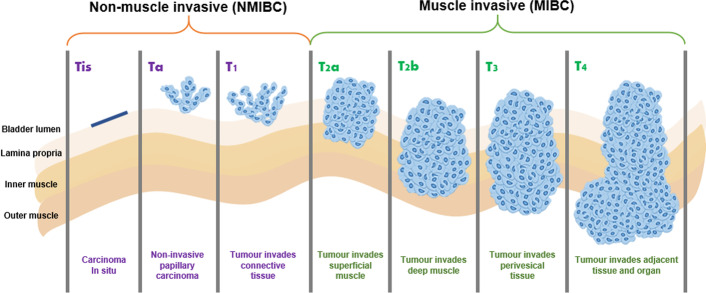
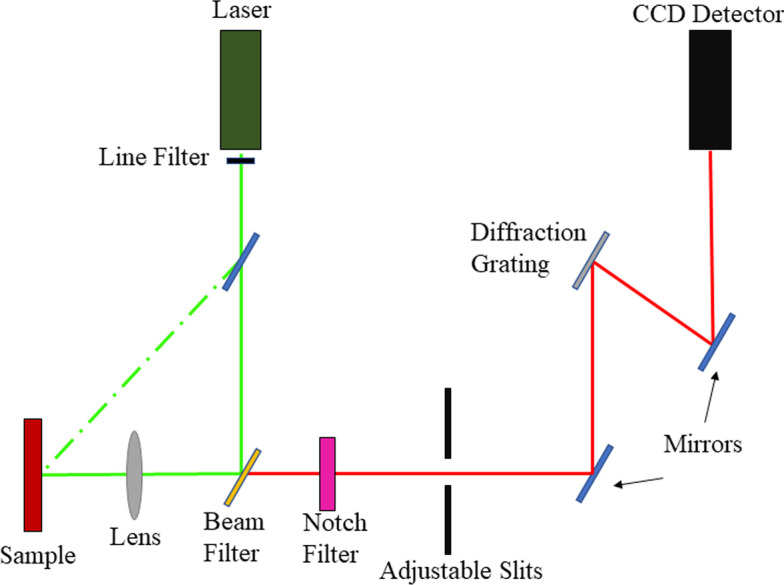
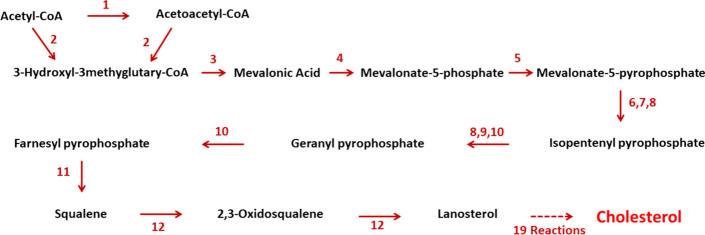
Bladder cancer is the fourth most common malignancy in males. It can present across the whole continuum of severity, from mild through well-differentiated disease to extremely malignant tumours with poor survival rates. As with other vital organ malignancies, proper clinical management involves accurate diagnosis and staging. Chemotherapy consisting of a cisplatin-based regimen is the mainstay in the management of muscle-invasive bladder cancers. Control via cisplatin-based chemotherapy is threatened by the development of chemoresistance. Intracellular cholesterol biosynthesis in bladder cancer cells is considered a contributory factor in determining the chemotherapy response. Farnesyl-diphosphate farnesyltransferase 1 (FDFT1), one of the main regulatory components in cholesterol biosynthesis, may play a role in determining sensitivity towards chemotherapy compounds in bladder cancer. FDFT1-associated molecular identification might serve as an alternative or appendage strategy for early prediction of potentially chemoresistant muscle-invasive bladder cancer tissues. This can be accomplished using Raman spectroscopy. Developments in the instrumentation have led to it becoming one of the most convenient forms of analysis, and there is a highly realistic chance that it will become an effective tool in the pathology lab. Chemosensitive bladder cancer tissues tend to have a higher lipid content, more protein genes and more cholesterol metabolites. These are believed to be associated with resistance towards bladder cancer chemotherapy. Herein, Raman peak assignments have been tabulated as an aid to indicating metabolic changes in bladder cancer tissues that are potentially correlated with FDFT1 expression.
膀胱癌是男性中第四常见的恶性肿瘤。它可以从轻度到高度分化的疾病,再到生存率极差的极度恶性肿瘤,呈现出整个严重程度的连续体。与其他重要器官的恶性肿瘤一样,正确的临床管理包括准确的诊断和分期。包含顺铂的化疗方案是肌层浸润性膀胱癌治疗的主要方法。顺铂化疗的控制受到化疗耐药性的发展的威胁。膀胱癌细胞内胆固醇生物合成被认为是决定化疗反应的一个因素。法呢基二磷酸法呢基转移酶 1(FDFT1)是胆固醇生物合成的主要调节成分之一,可能在决定膀胱癌对化疗化合物的敏感性方面发挥作用。FDFT1 相关分子鉴定可能成为预测潜在化疗耐药性肌层浸润性膀胱癌组织的替代或附加策略。这可以使用拉曼光谱来实现。仪器的发展使其成为最方便的分析形式之一,并且非常有可能成为病理实验室中的有效工具。对化疗敏感的膀胱癌组织往往具有更高的脂质含量、更多的蛋白质基因和更多的胆固醇代谢物。这些被认为与膀胱癌化疗耐药性有关。在此,列出了拉曼峰分配,以帮助指示膀胱癌组织中可能与 FDFT1 表达相关的代谢变化。