Immunobiology and Transplant Science Center, Houston Methodist Research Institute, Houston, TX.
Department of Pathology and Immunology, Baylor College of Medicine, Houston, TX; and.
J Immunol. 2022 Mar 1;208(5):1085-1098. doi: 10.4049/jimmunol.2100969. Epub 2022 Jan 31.
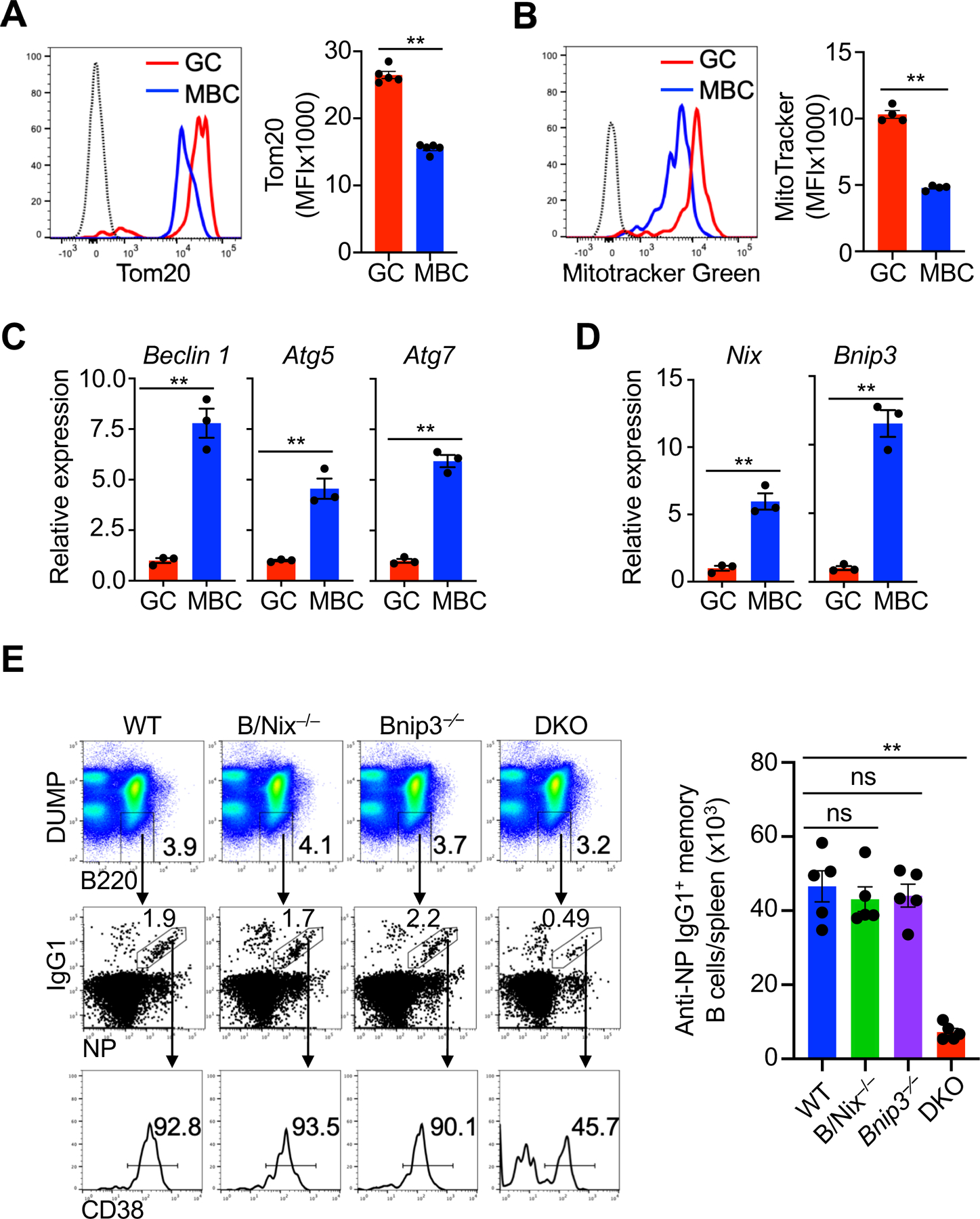
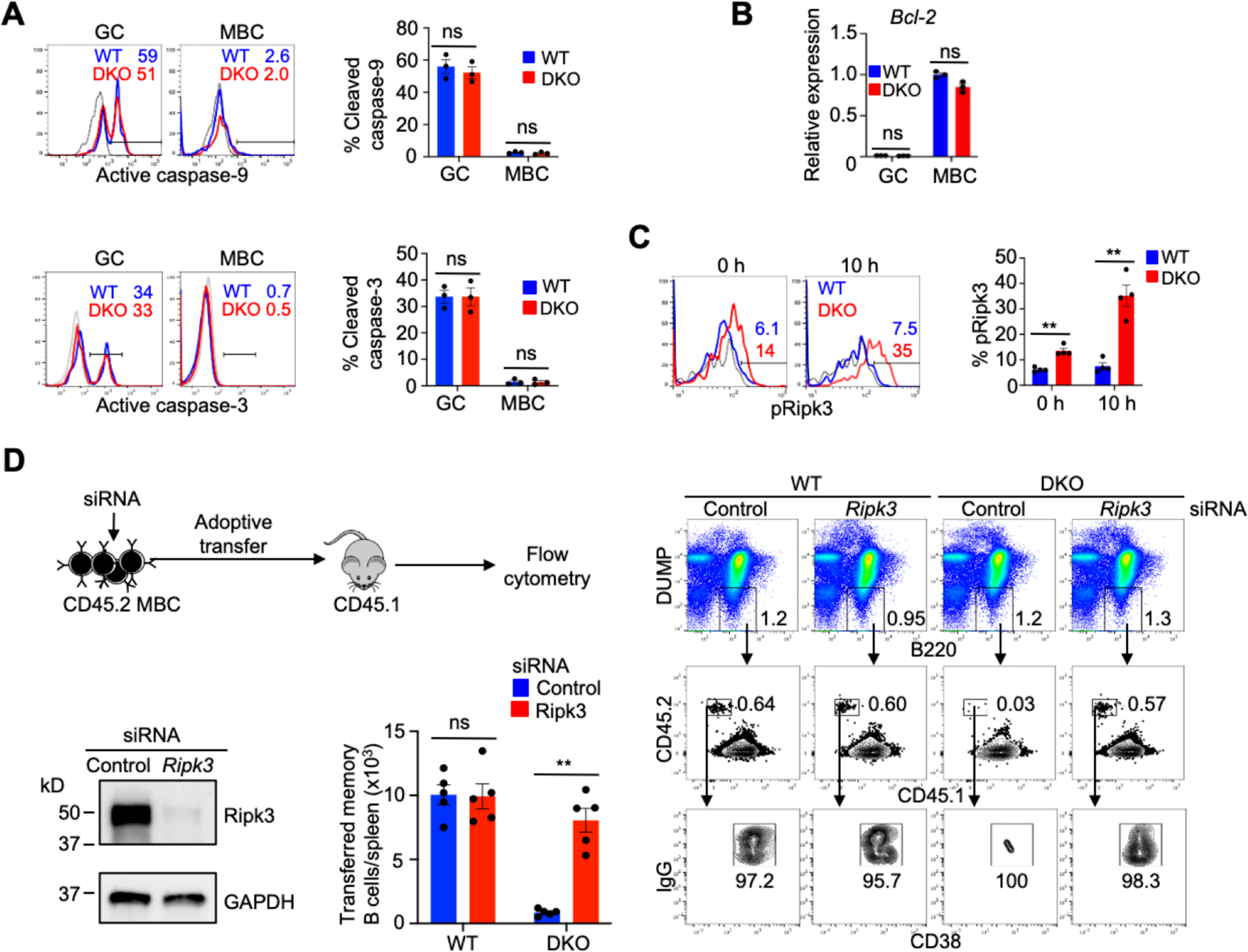
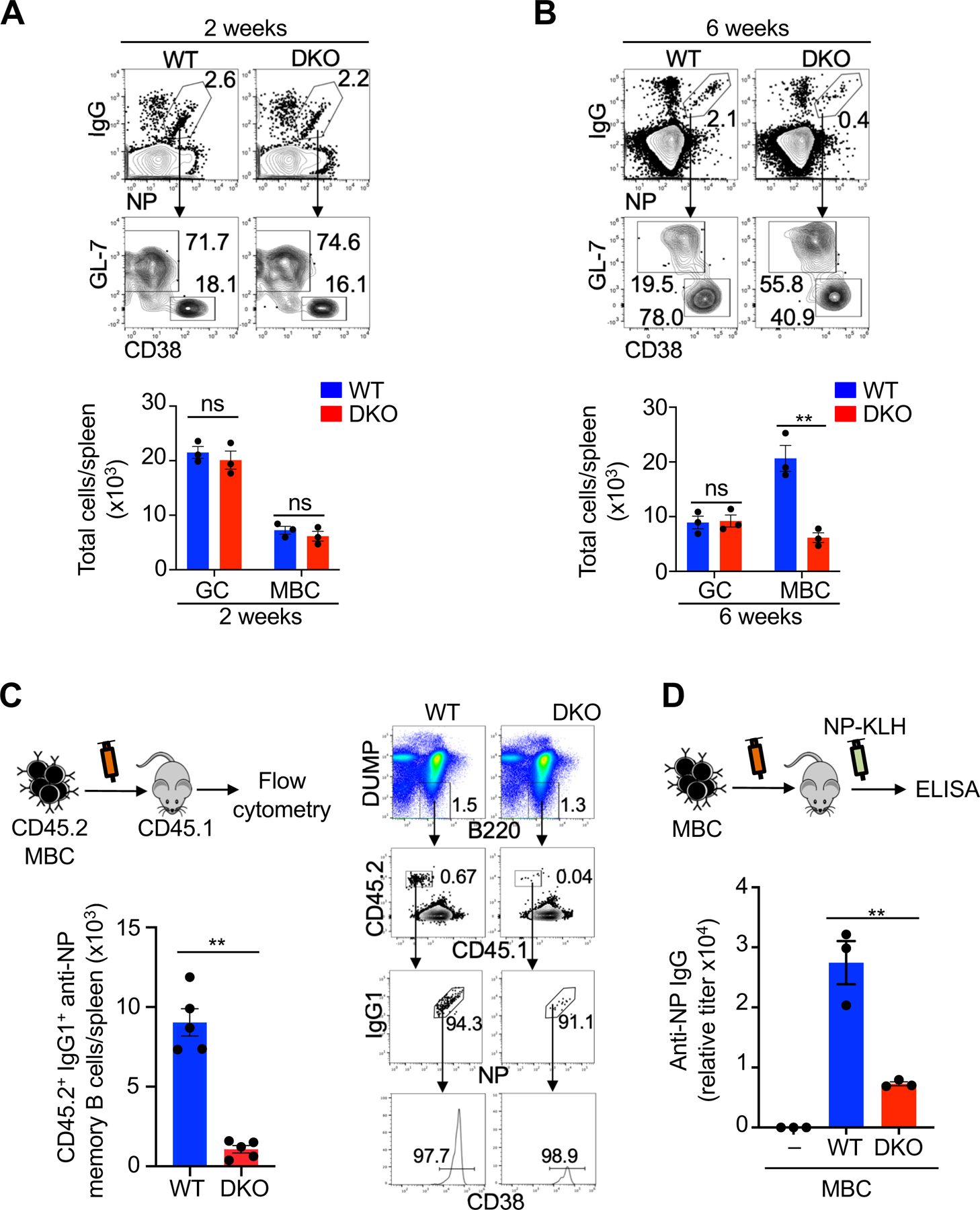
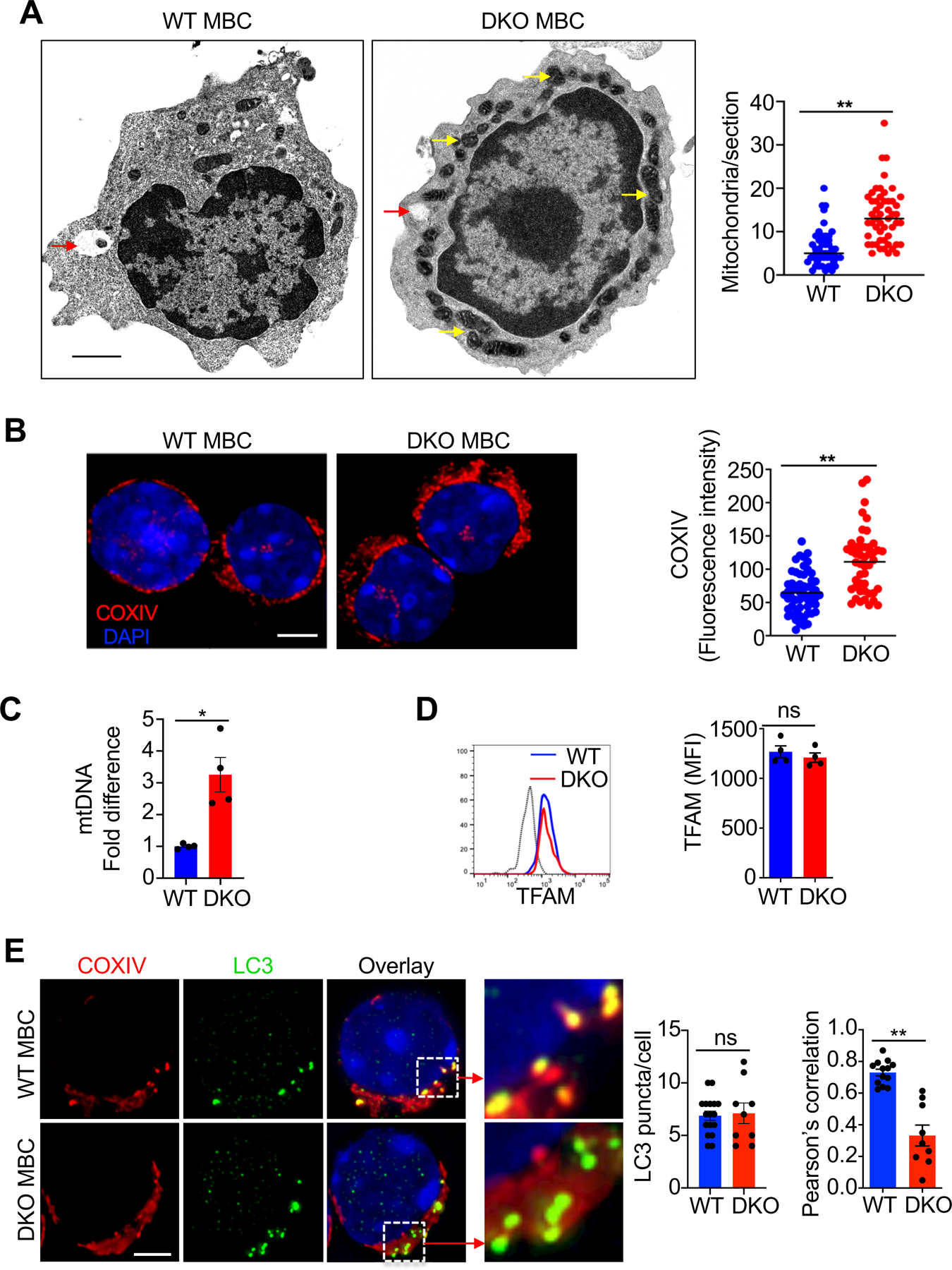
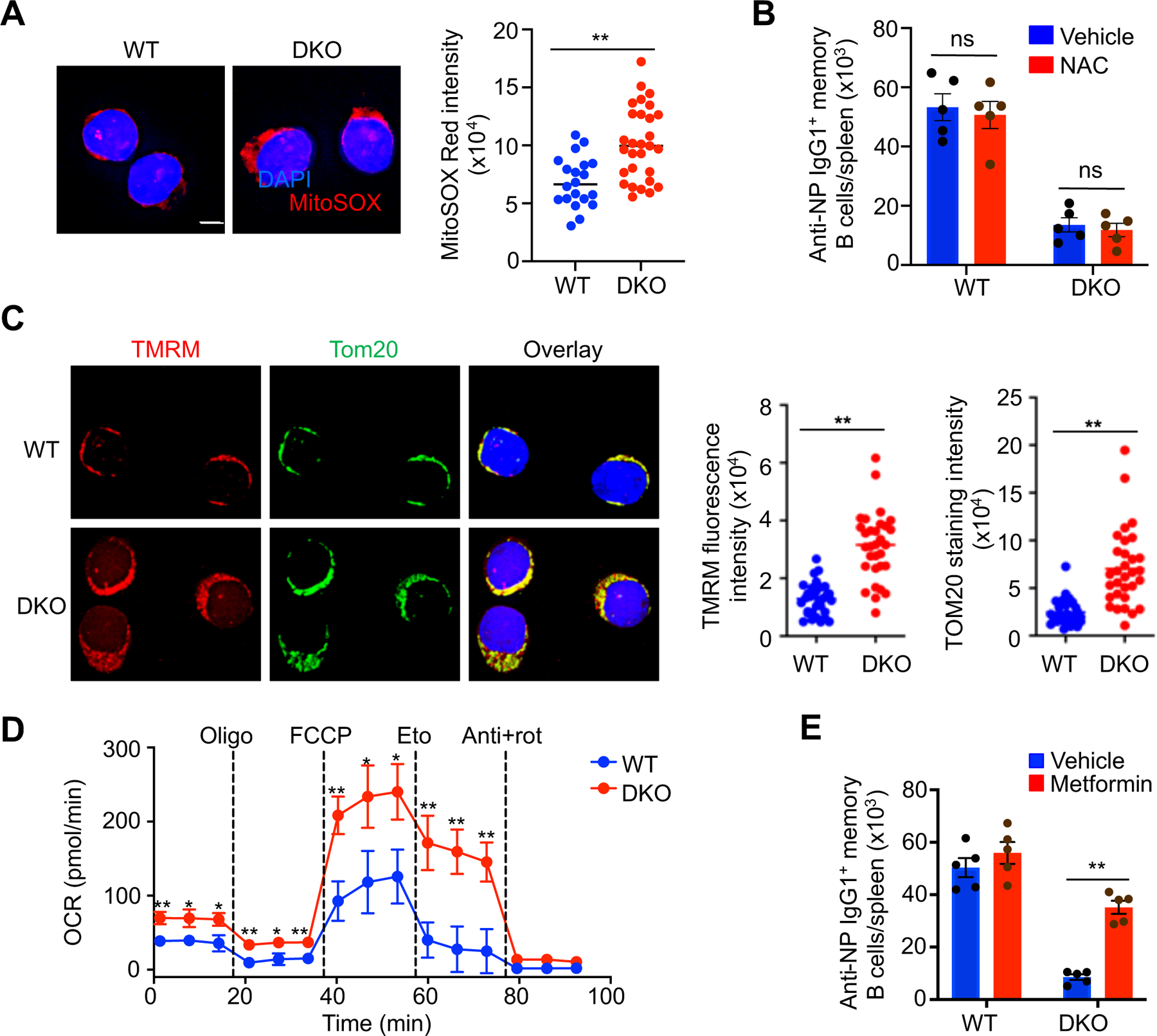
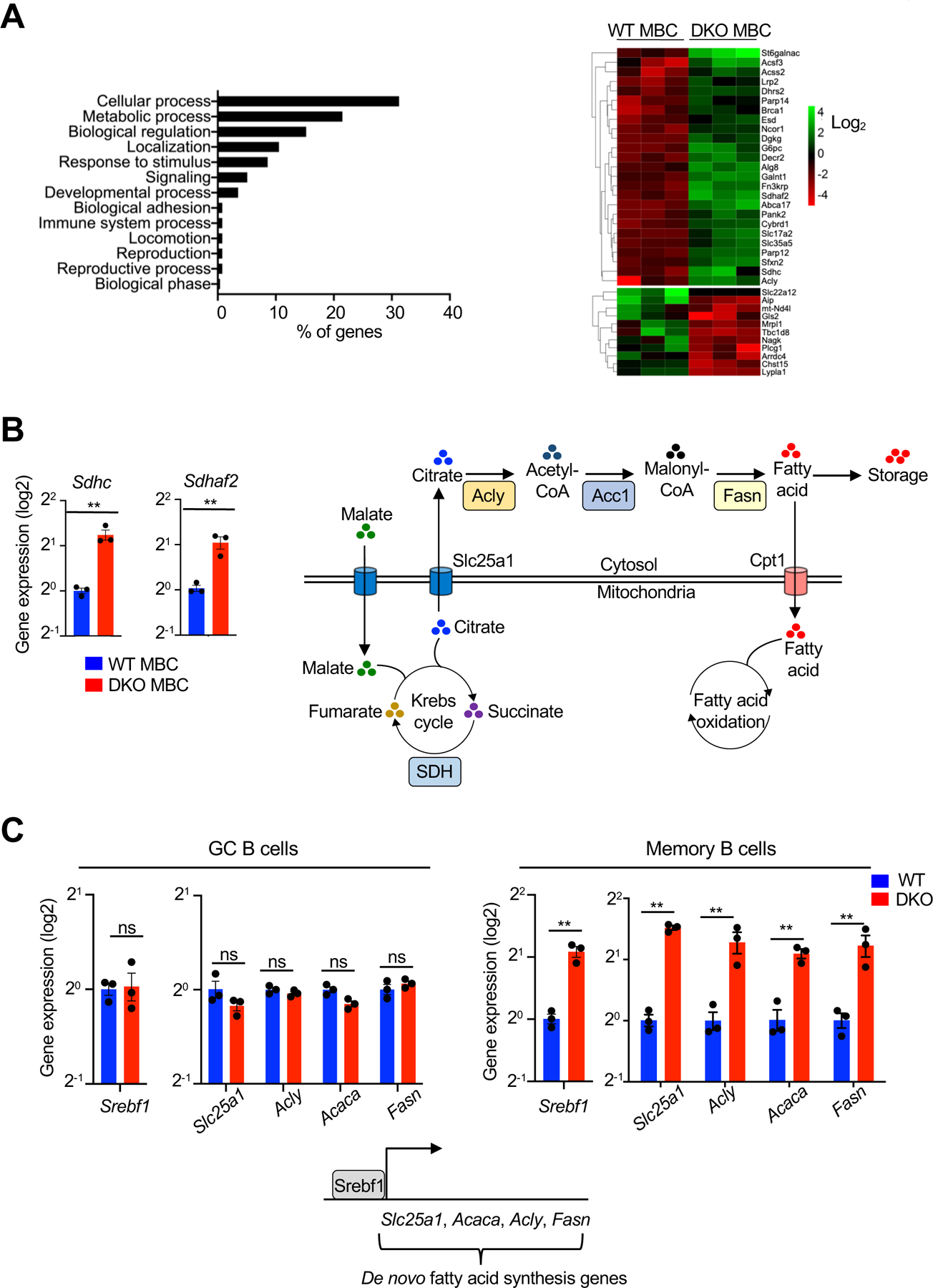
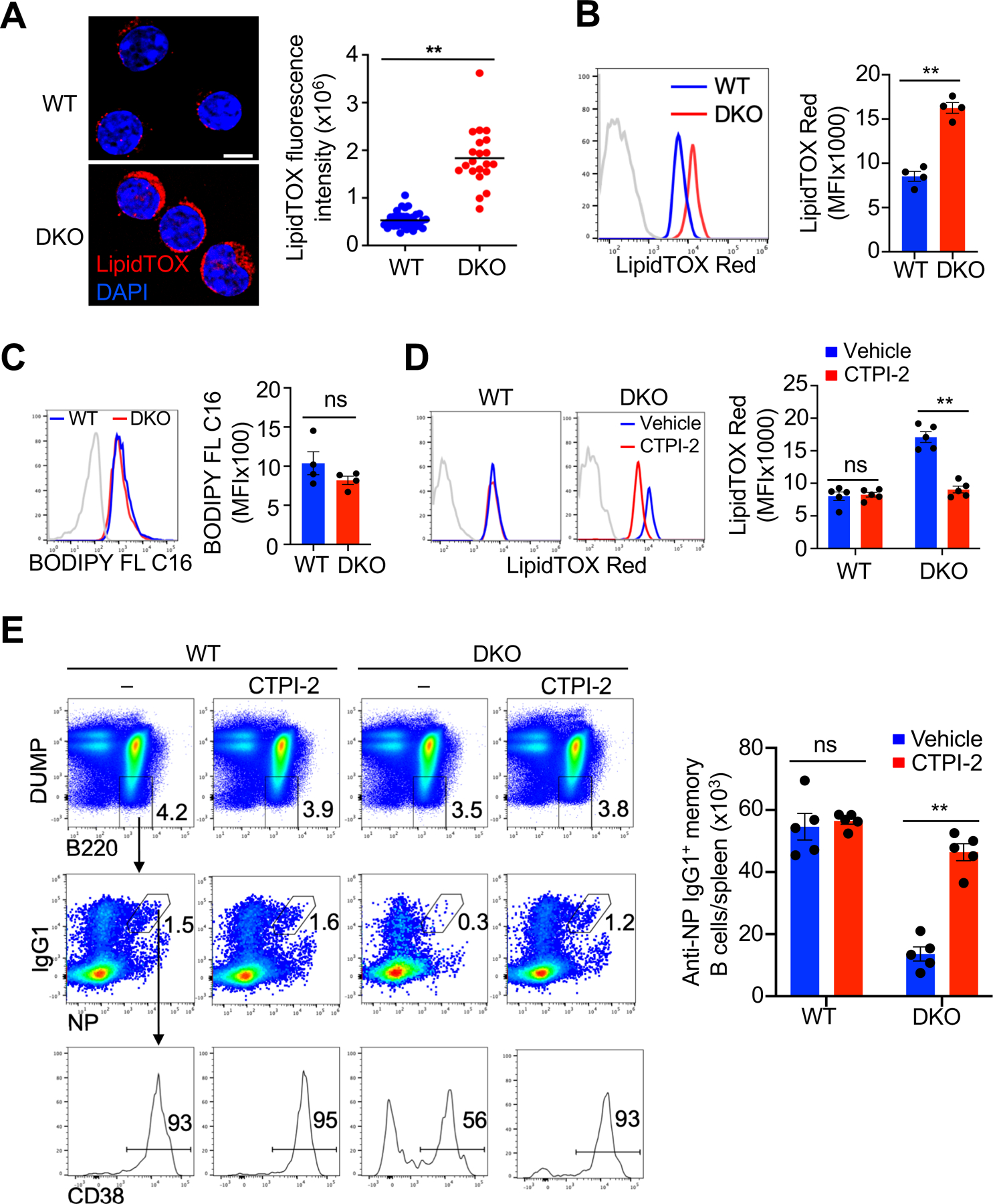
The development of long-lived immune memory cells against pathogens is critical for the success of vaccines to establish protection against future infections. However, the mechanisms governing the long-term survival of immune memory cells remain to be elucidated. In this article, we show that the maintenance mitochondrial homeostasis by autophagy is critical for restricting metabolic functions to protect IgG memory B cell survival. Knockout of mitochondrial autophagy genes, Nix and Bnip3, leads to mitochondrial accumulation and increases in oxidative phosphorylation and fatty acid synthesis, resulting in the loss of IgG memory B cells in mice. Inhibiting fatty acid synthesis or silencing necroptosis gene Ripk3 rescued NixBnip3 IgG memory B cells, indicating that mitochondrial autophagy is important for limiting metabolic functions to prevent cell death. Our results suggest a critical role for mitochondrial autophagy in the maintenance of immunological memory by protecting the metabolic quiescence and longevity of memory B cells.
免疫记忆细胞对抗病原体的长期存活对于疫苗成功建立针对未来感染的保护至关重要。然而,调节免疫记忆细胞长期存活的机制仍有待阐明。在本文中,我们表明,自噬维持线粒体稳态对于限制代谢功能以保护 IgG 记忆 B 细胞的存活至关重要。敲除线粒体自噬基因 Nix 和 Bnip3 会导致线粒体积累,增加氧化磷酸化和脂肪酸合成,导致小鼠 IgG 记忆 B 细胞丢失。抑制脂肪酸合成或沉默坏死性凋亡基因 Ripk3 可挽救 NixBnip3 IgG 记忆 B 细胞,表明线粒体自噬对于限制代谢功能以防止细胞死亡很重要。我们的结果表明,线粒体自噬通过保护记忆 B 细胞的代谢静止和寿命,在维持免疫记忆中发挥关键作用。