Data Science and Engineering, Indian Institute of Science Education and Research, Bhopal, 462066, India.
Sci Rep. 2022 Feb 3;12(1):1849. doi: 10.1038/s41598-022-05974-6.
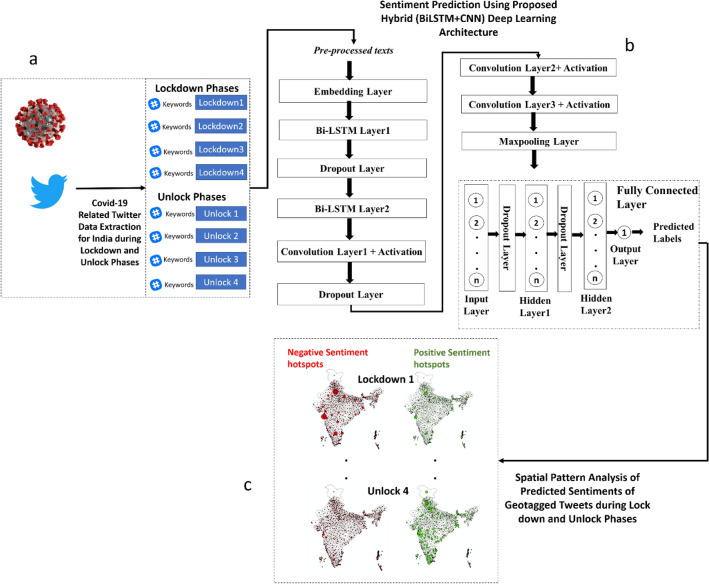
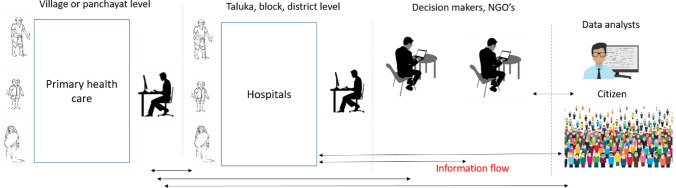
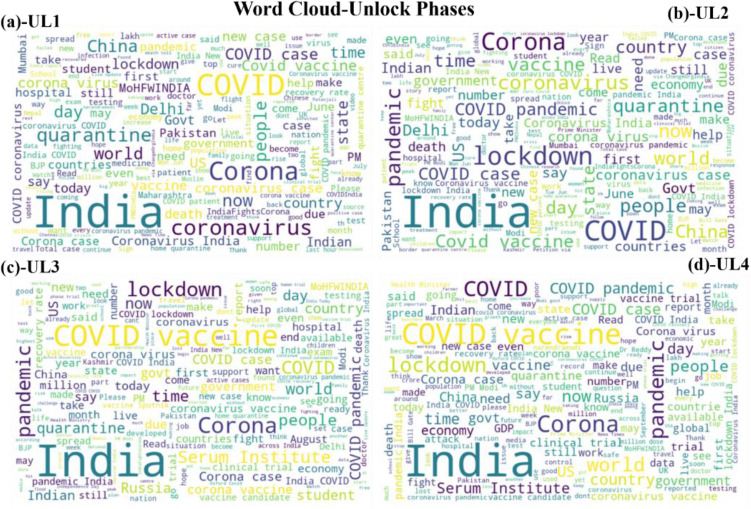
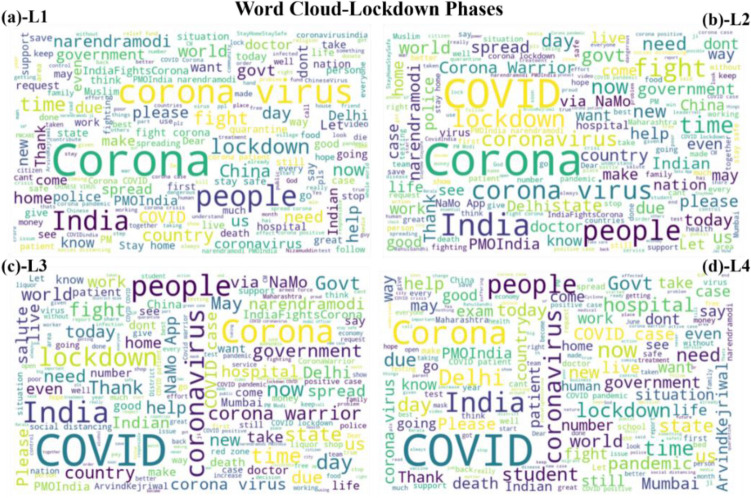
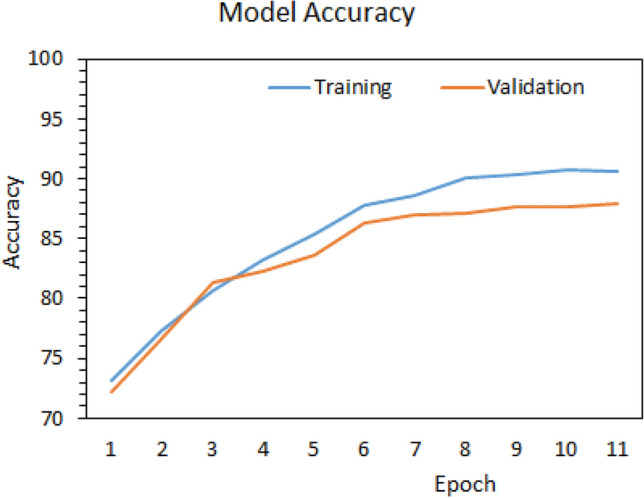
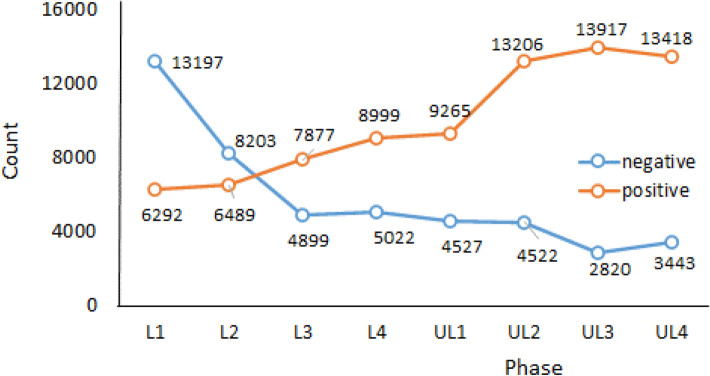
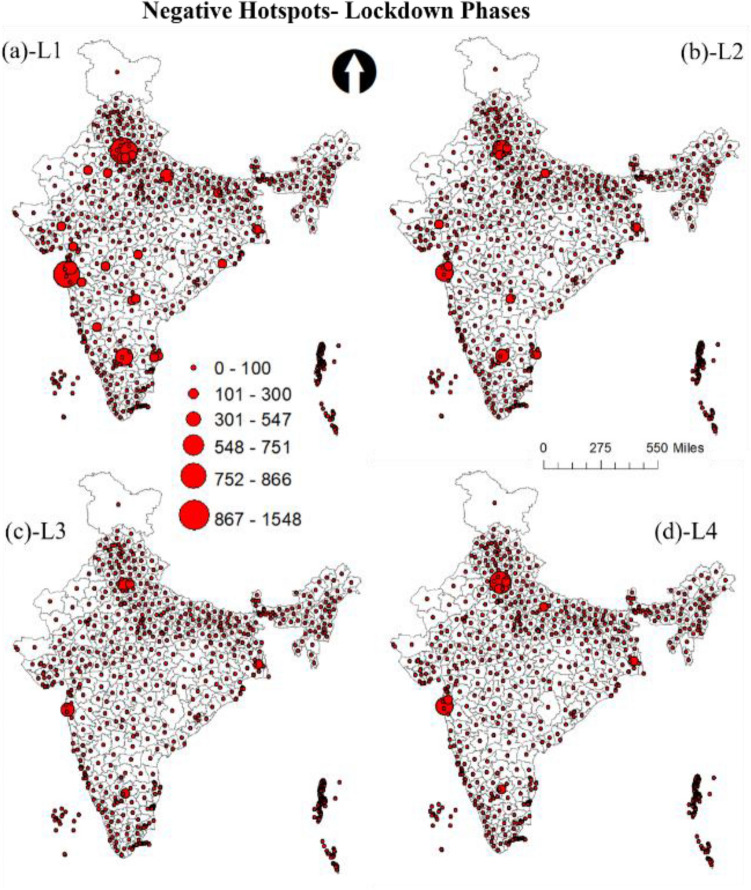
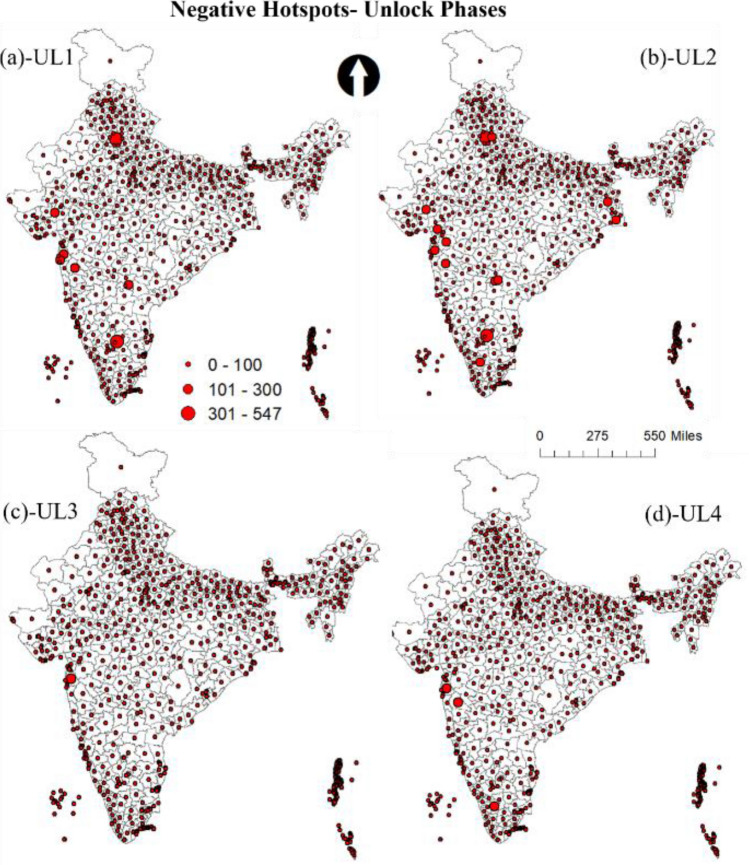
India is a hotspot of the COVID-19 crisis. During the first wave, several lockdowns (L) and gradual unlock (UL) phases were implemented by the government of India (GOI) to curb the virus spread. These phases witnessed many challenges and various day-to-day developments such as virus spread and resource management. Twitter, a social media platform, was extensively used by citizens to react to these events and related topics that varied temporally and geographically. Analyzing these variations can be a potent tool for informed decision-making. This paper attempts to capture these spatiotemporal variations of citizen reactions by predicting and analyzing the sentiments of geotagged tweets during L and UL phases. Various sentiment analysis based studies on the related subject have been done; however, its integration with location intelligence for decision making remains a research gap. The sentiments were predicted through a proposed hybrid Deep Learning (DL) model which leverages the strengths of BiLSTM and CNN model classes. The model was trained on a freely available Sentiment140 dataset and was tested over manually annotated COVID-19 related tweets from India. The model classified the tweets with high accuracy of around 90%, and analysis of geotagged tweets during L and UL phases reveal significant geographical variations. The findings as a decision support system can aid in analyzing citizen reactions toward the resources and events during an ongoing pandemic. The system can have various applications such as resource planning, crowd management, policy formulation, vaccination, prompt response, etc.
印度是 COVID-19 危机的热点地区。在第一波疫情期间,印度政府(GOI)实施了多次封锁(L)和逐步解锁(UL)阶段,以遏制病毒传播。这些阶段见证了许多挑战和各种日常发展,如病毒传播和资源管理。Twitter 是一个社交媒体平台,被公民广泛用于对这些事件和相关的、具有时间和空间差异的话题做出反应。分析这些变化可以成为做出明智决策的有力工具。本文试图通过预测和分析封锁和逐步解锁阶段的地理标记推文的情绪来捕捉公民反应的时空变化。已经有许多基于情感分析的相关研究;然而,将其与位置智能相结合以做出决策仍然是一个研究空白。通过利用 BiLSTM 和 CNN 模型类的优势提出的混合深度学习(DL)模型来预测情绪。该模型在一个免费的 Sentiment140 数据集上进行训练,并在来自印度的手动注释的 COVID-19 相关推文中进行测试。该模型对推文的分类准确率高达 90%左右,对封锁和逐步解锁阶段的地理标记推文的分析揭示了显著的地理差异。作为决策支持系统的研究结果可以帮助分析在大流行期间公民对资源和事件的反应。该系统可以有各种应用,如资源规划、人群管理、政策制定、疫苗接种、快速响应等。