Faculty of Physical Education and Sport, Wroclaw University of Health and Sport Sciences, Wrocław, Poland.
Faculty of Sport Studies, Masaryk University, Brno, Czech Republic.
PeerJ. 2022 Jan 24;10:e12779. doi: 10.7717/peerj.12779. eCollection 2022.
Lockdowns amid the COVID-19 pandemic drastically reduced the possibility of undertaking physical activity (PA) in gyms, swimming pools, or work-related PA, ., active commuting. However, the stay-at-home order could have reduced PA the most, ., the ban of unnecessary outdoor activities. It affected free walking, running, skiing, active tourism, . It is, therefore, crucial to estimate how the stay-at-home order affected PA. We estimated how the stay-at-home order affected perceived PA and sedentary behavior compared to the pre-pandemic time in Poland.
We used a self-reported International Physical Activity Questionnaire-Long Form (IPAQ-LF) to estimate the time (minutes per day) of vigorous and moderate PA and walking and sitting time.
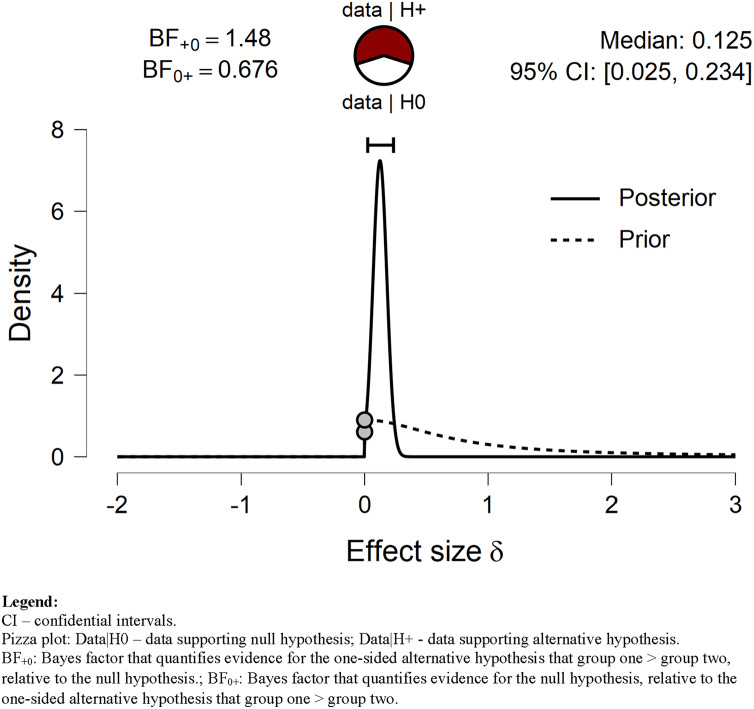
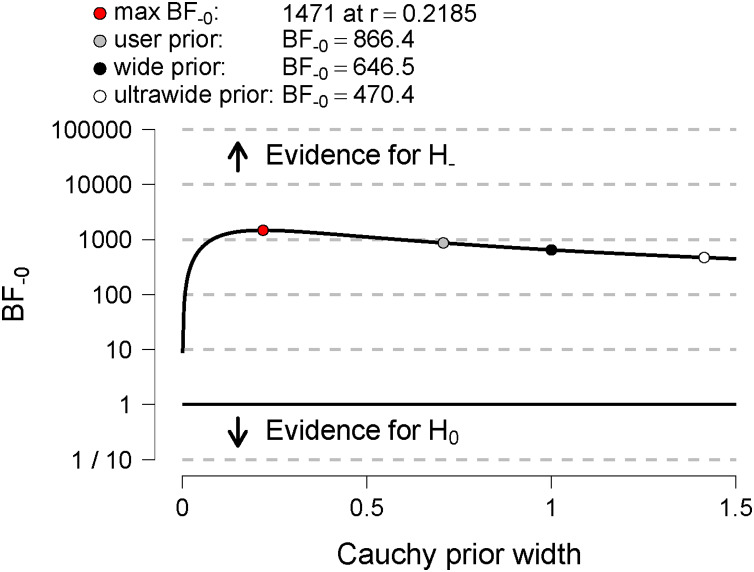
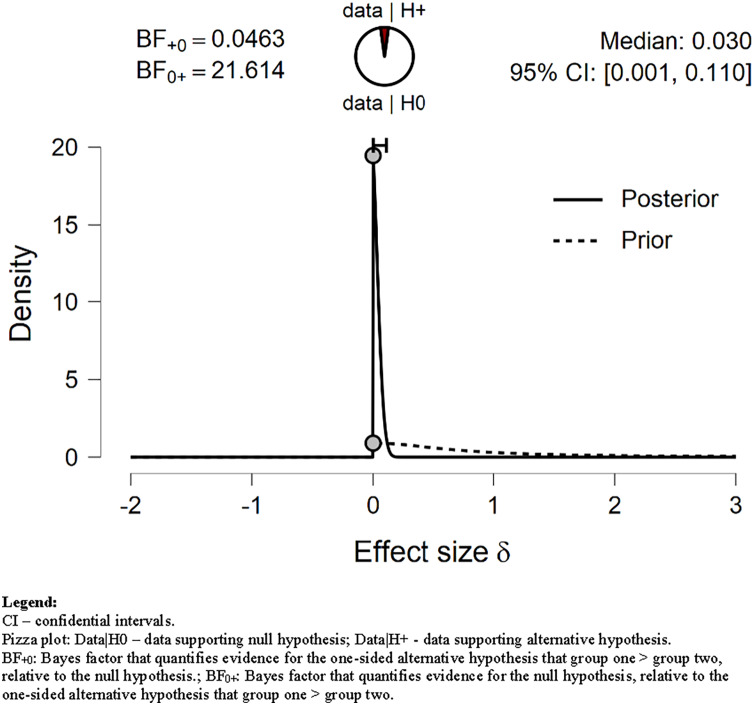
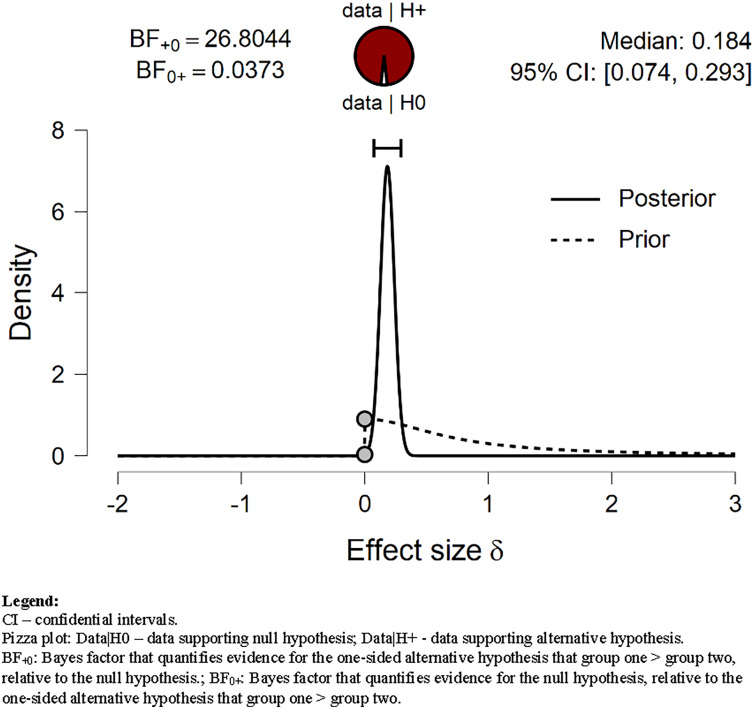
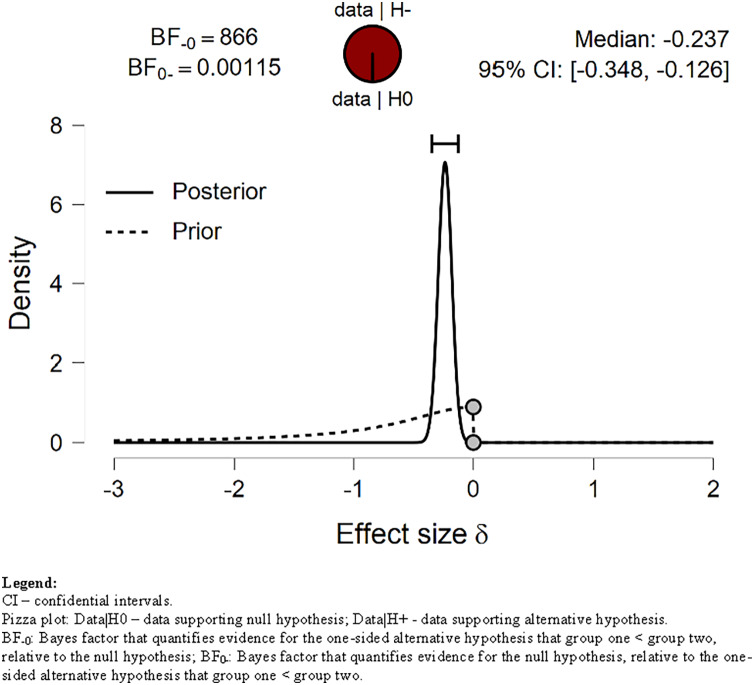
We gathered data from 320 Polish participants. Bayesian approaches, including -test and Bayesian correlations, were used to find differences and correlations between PA before and during the stay-at-home lockdown. Our data supported the hypotheses that vigorous PA, as well as walking, declined during the lockdown. Surprisingly, our data did not support the hypothesis that moderate physical activity was reduced. We found that moderate PA during lockdown increased compared to the pre-lockdown PA. As hypothesized, our data strongly evinced that sitting time inclined during the lockdown. PA decline was not correlated with the available living space. People who had access to gardens did not demonstrate a higher PA level than those without.
Walking and sitting time have drastically changed during the stay-at-home lockdown, decreasing and increasing, respectively. Given results from studies focusing on lockdowns without the stay-at-home restriction, it may be assumed that letting people go outside is crucial in keeping them more active and less sedentary. Authorities should take into account the effect the stay-at-home order may have on PA and sedentary behavior and as a result, on health. Stay-at-home orders should be the last considered restriction, given its detrimental consequences.
COVID-19 大流行期间的封锁措施极大地减少了人们在健身房、游泳池或与工作相关的体育活动中的体育活动(PA)的可能性。。。积极通勤。然而,居家令可能对 PA 的影响最大。。。禁止不必要的户外活动。它影响了自由行走、跑步、滑雪、积极旅游。。。因此,评估居家令对 PA 的影响至关重要。我们评估了与大流行前相比,居家令对波兰 PA 和久坐行为的影响。
我们使用自我报告的国际体力活动问卷长式(IPAQ-LF)来估计剧烈和中度 PA 以及步行和坐着时间的时间(分钟/天)。
我们从 320 名波兰参与者那里收集了数据。贝叶斯方法,包括 t 检验和贝叶斯相关,用于发现 PA 前后的差异和相关性。我们的数据支持这样的假设,即剧烈 PA 以及步行在封锁期间下降。令人惊讶的是,我们的数据不支持中度体育活动减少的假设。我们发现,与封锁前的 PA 相比,中度 PA 在封锁期间增加。正如假设的那样,我们的数据强烈表明,在封锁期间,坐着时间增加了。PA 下降与可用的居住空间无关。有花园的人并不比没有花园的人表现出更高的 PA 水平。
在居家令期间,步行和坐着时间发生了巨大变化,分别减少和增加。考虑到没有居家限制的封锁研究的结果,可以假设让人们外出对于保持他们更活跃和更少久坐非常重要。当局应考虑居家令对 PA 和久坐行为的影响,以及对健康的影响。考虑到居家令的不利后果,应将其作为最后考虑的限制措施。