Department of Psychology, University of Gothenburg, SE-40530, Gothenburg, Sweden.
Aging Research Center (ARC), Department of Neurobiology, Care Sciences and Society, Karolinska Institutet, SE-17177, Stockholm, Sweden.
Cereb Cortex. 2022 Sep 19;32(19):4356-4369. doi: 10.1093/cercor/bhab488.
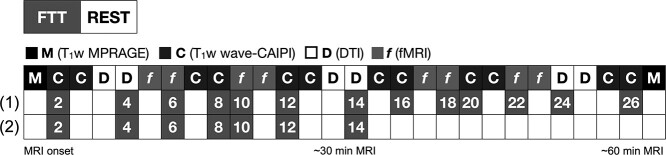
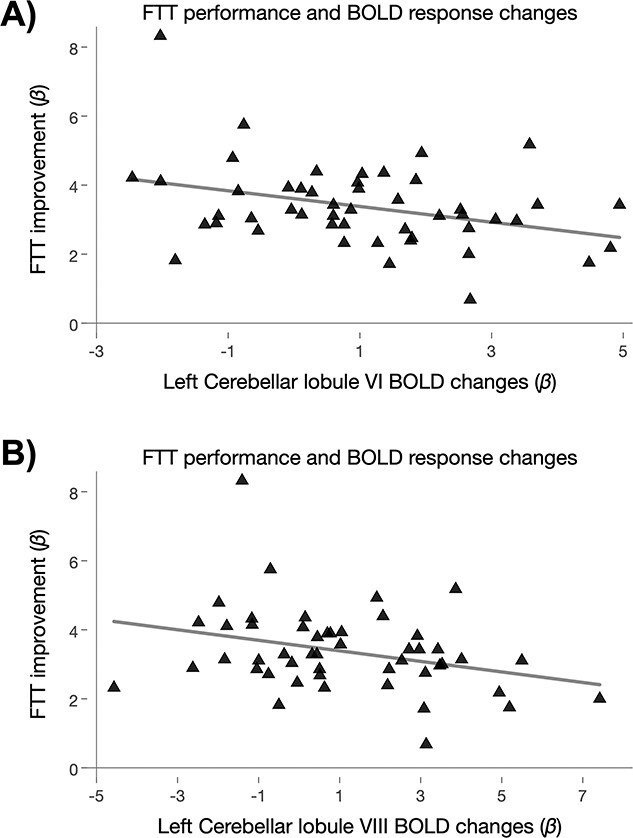
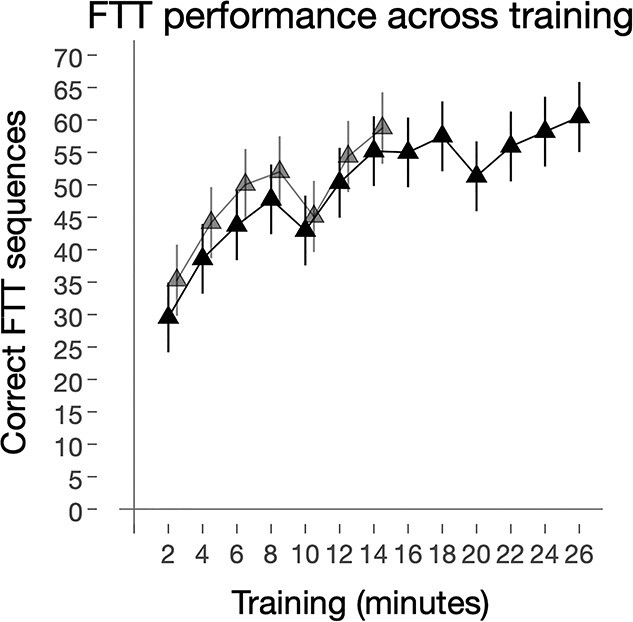
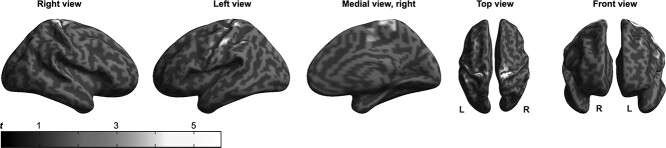
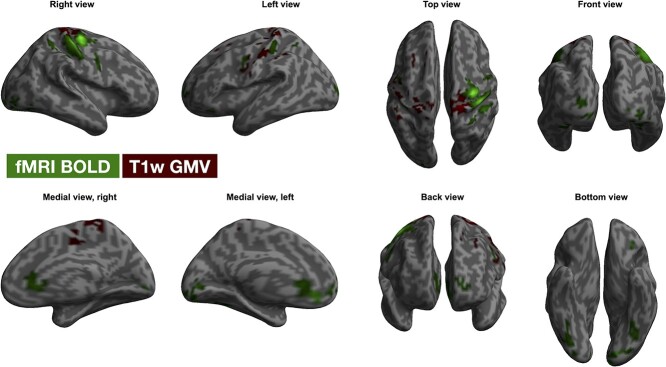
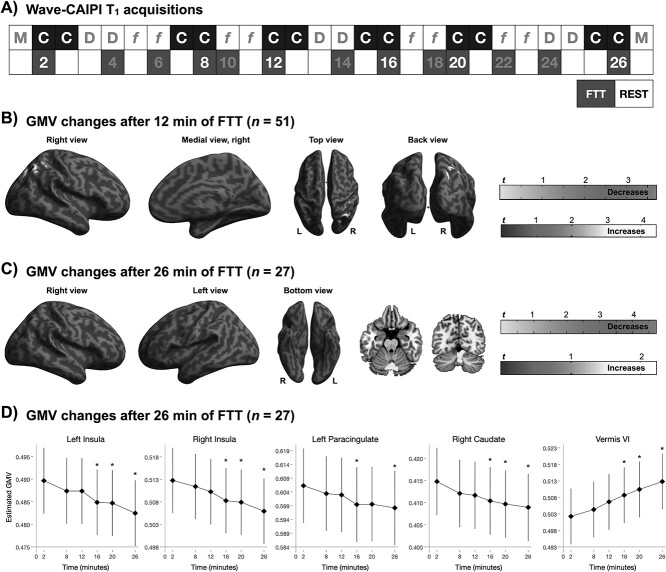
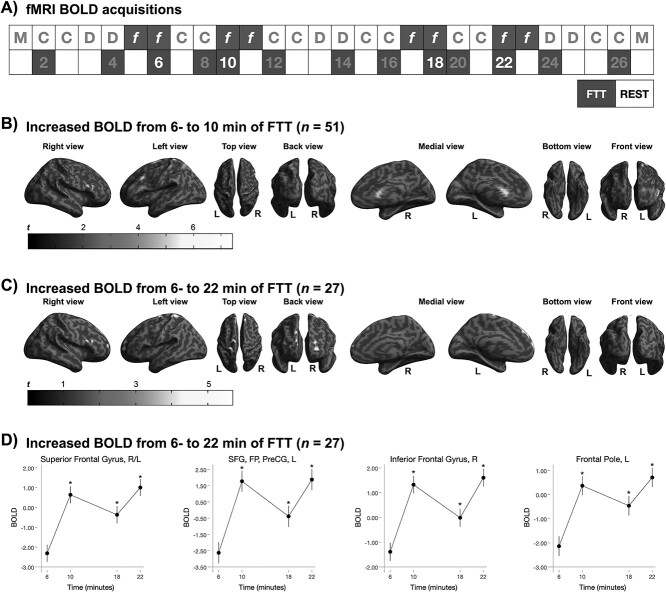
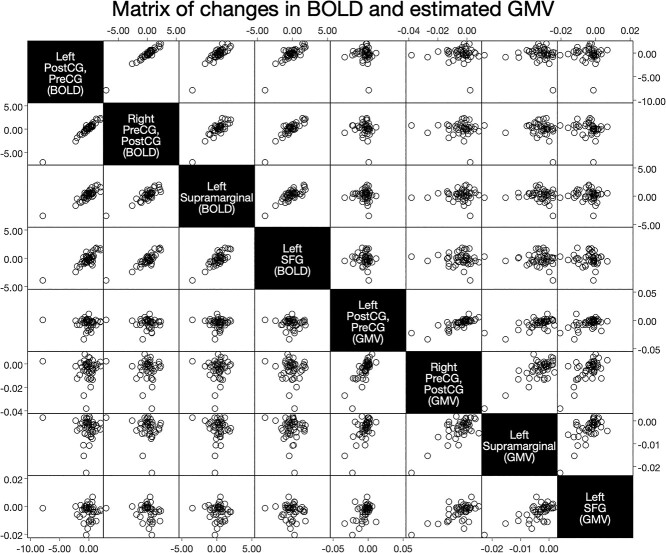
Skill learning induces changes in estimates of gray matter volume (GMV) in the human brain, commonly detectable with magnetic resonance imaging (MRI). Rapid changes in GMV estimates while executing tasks may however confound between- and within-subject differences. Fluctuations in arterial blood flow are proposed to underlie this apparent task-related tissue plasticity. To test this hypothesis, we acquired multiple repetitions of structural T1-weighted and functional blood-oxygen level-dependent (BOLD) MRI measurements from 51 subjects performing a finger-tapping task (FTT; á 2 min) repeatedly for 30-60 min. Estimated GMV was decreased in motor regions during FTT compared with rest. Motor-related BOLD signal changes did not overlap nor correlate with GMV changes. Nearly simultaneous BOLD signals cannot fully explain task-induced changes in T1-weighted images. These sensitive and behavior-related GMV changes pose serious questions to reproducibility across studies, and morphological investigations during skill learning can also open new avenues on how to study rapid brain plasticity.
技能学习会引起人脑灰质体积(GMV)估计值的变化,这通常可以通过磁共振成像(MRI)检测到。然而,在执行任务时 GMV 估计值的快速变化可能会混淆组间和组内差异。据推测,动脉血流的波动是这种明显的与任务相关的组织可塑性的基础。为了验证这一假设,我们从 51 名受试者中获取了多次重复的结构 T1 加权和功能血氧水平依赖性(BOLD)MRI 测量值,这些受试者反复进行手指敲击任务(FTT;á 2 分钟)30-60 分钟。与休息相比,FTT 期间运动区域的 GMV 减少。运动相关的 BOLD 信号变化与 GMV 变化既不重叠也不相关。几乎同时的 BOLD 信号不能完全解释 T1 加权图像中的任务诱导变化。这些敏感的、与行为相关的 GMV 变化对研究之间的可重复性提出了严重的质疑,并且在技能学习期间进行形态学研究也为研究快速大脑可塑性开辟了新的途径。