Department of Urology, the Second Affiliated Hospital With Nanjing Medical University, Nanjing, China.
Department of Urology, The First Affiliated Hospital With Nanjing Medical University, Nanjing, China.
Front Immunol. 2022 Jan 24;12:753412. doi: 10.3389/fimmu.2021.753412. eCollection 2021.
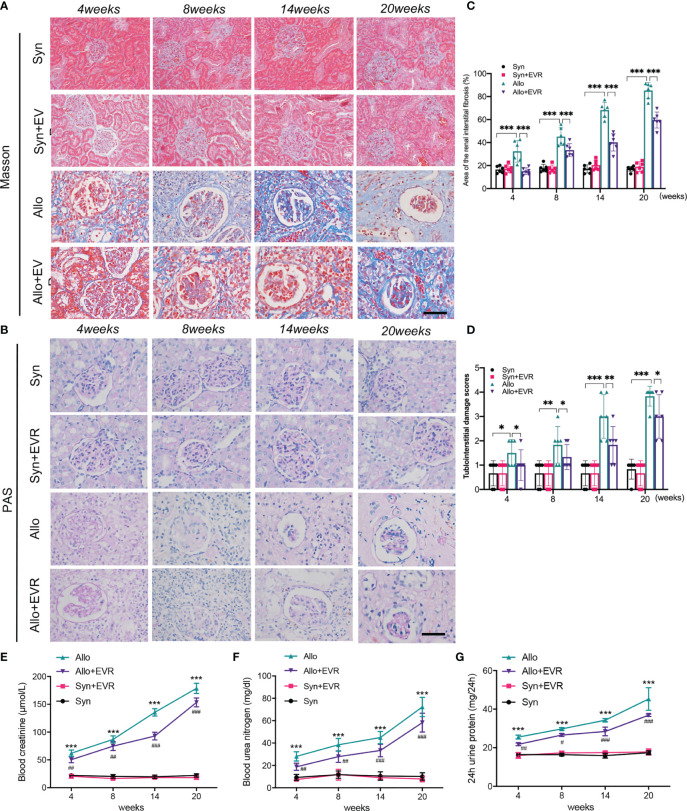
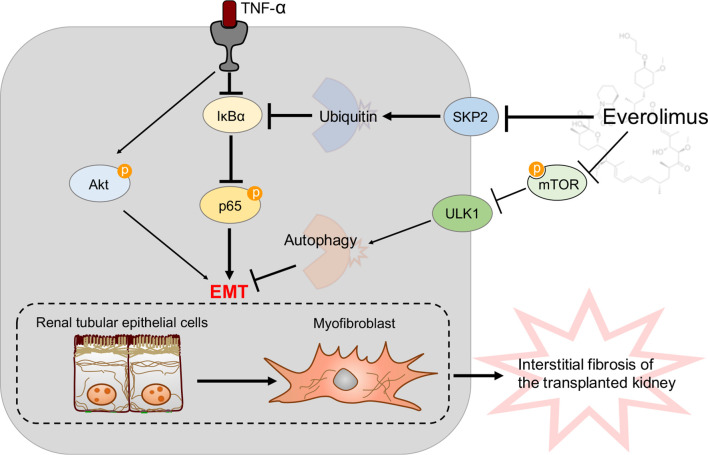
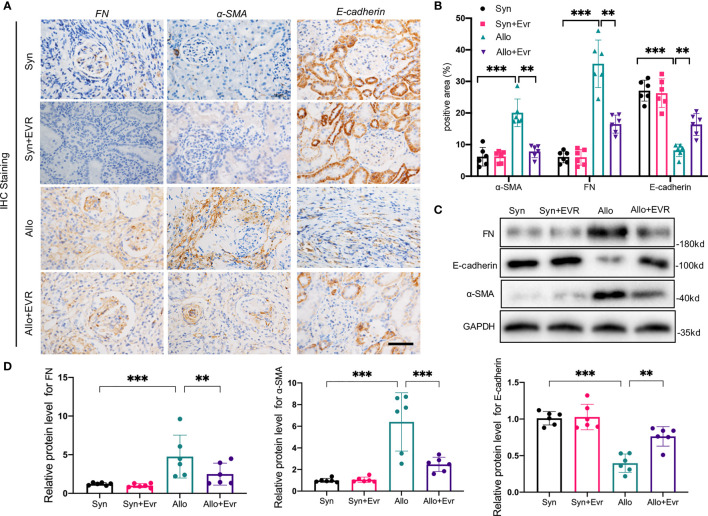
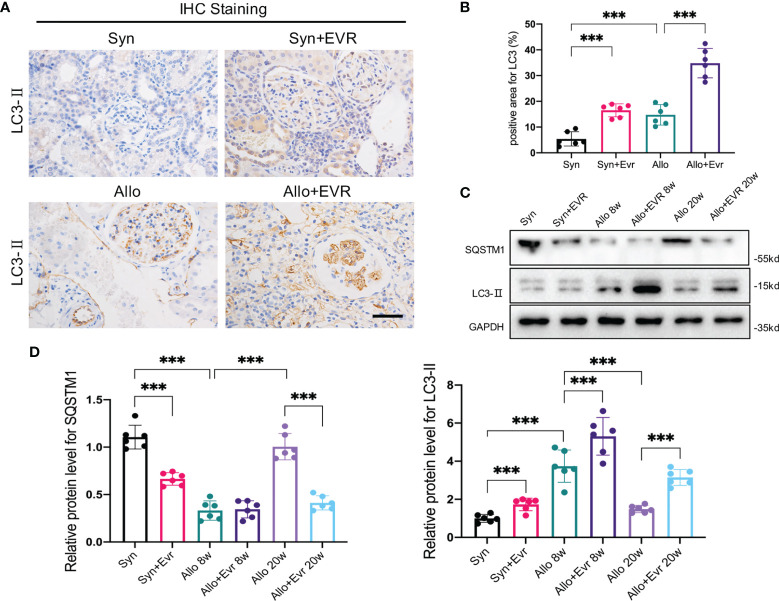
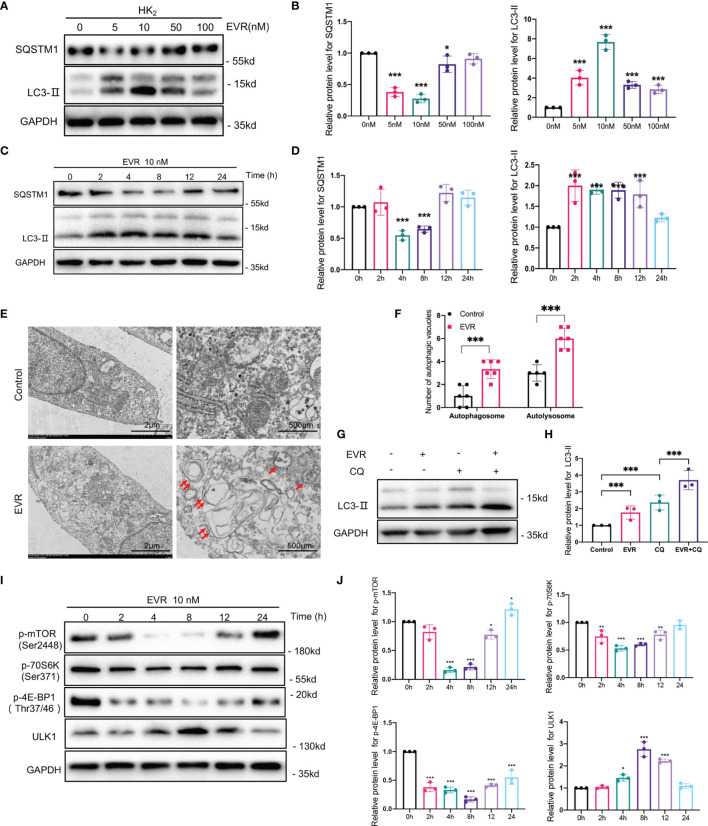
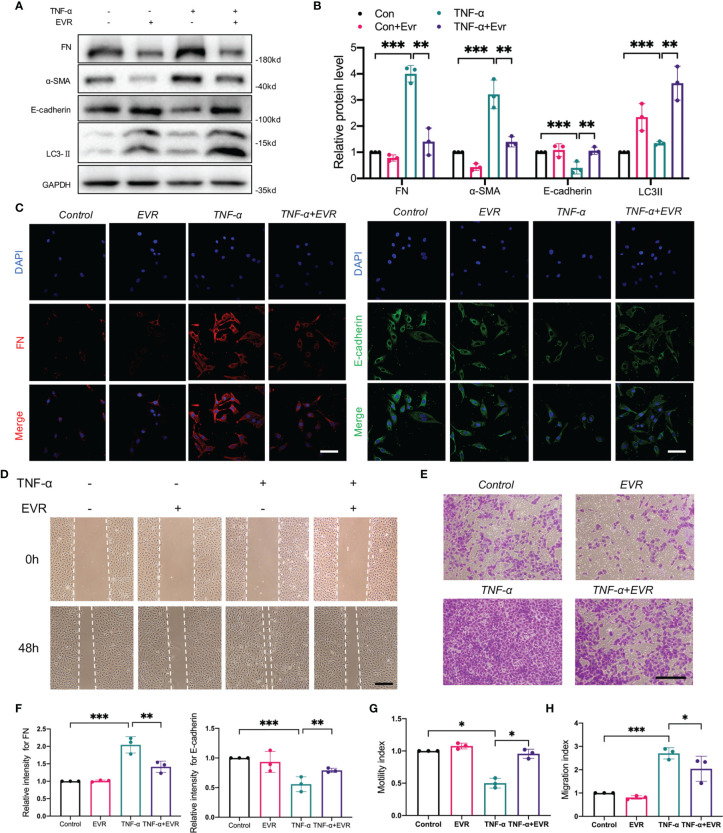
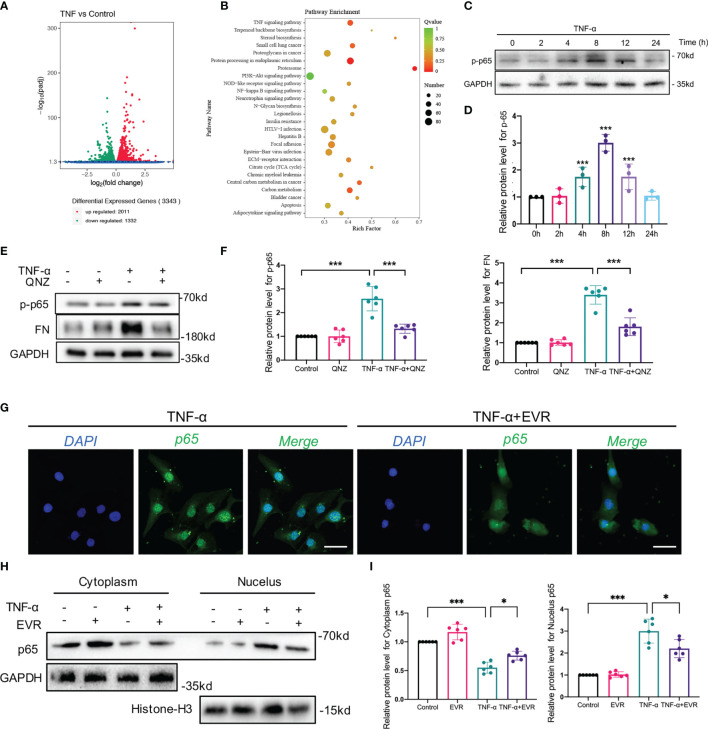
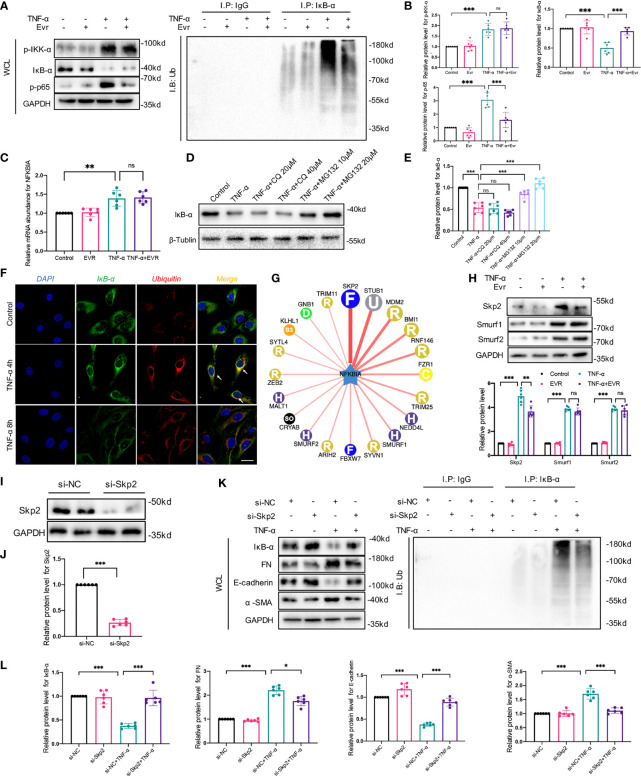
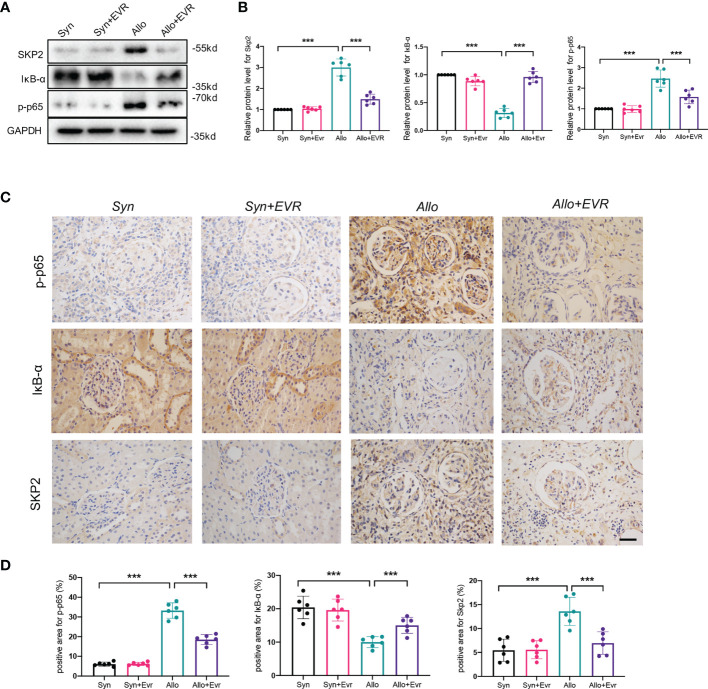
Chronic allograft dysfunction (CAD) is the major cause of late graft loss in long-term renal transplantation. In our previous study, we found that epithelial-mesenchymal transition (EMT) is a significant event in the progression of renal allograft tubulointerstitial fibrosis, and impaired autophagic flux plays a critical role in renal allograft fibrosis. Everolimus (EVR) has been reported to be widely used to prevent the progression of organ fibrosis and graft rejection. However, the pharmacological mechanism of EVR in kidney transplantation remains to be determined. We used CAD rat model and the human kidney 2 (HK2) cell line treated with tumor necrosis factor-α (TNF-α) and EVR to examine the role of EVR on TNF-α-induced EMT and transplanted renal interstitial fibrosis. Here, we found that EVR could attenuate the progression of EMT and renal allograft interstitial fibrosis, and also activate autophagy . To explore the mechanism behind it, we detected the relationship among EVR, autophagy level, and TNF-α-induced EMT in HK2 cells. Our results showed that autophagy was upregulated upon mTOR pathway inhibition by EVR, which could significantly reduce expression of TNF-α-induced EMT. However, the inhibition of EVR on TNF-α-induced EMT was partly reversed following the addition of autophagy inhibitor chloroquine. In addition, we found that TNF-α activated EMT through protein kinase B (Akt) as well as nuclear factor kappa B (NF-κB) pathway according to the RNA sequencing, and EVR's effect on the EMT was only associated with IκB-α stabilization instead of the Akt pathway. Together, our findings suggest that EVR may retard impaired autophagic flux and block NF-κB pathway activation, and thereby prevent progression of TNF-α-induced EMT and renal allograft interstitial fibrosis.
慢性移植肾失功(CAD)是长期肾移植后移植物丢失的主要原因。在我们之前的研究中,我们发现上皮-间充质转化(EMT)是肾移植小管间质纤维化进展中的一个重要事件,而受损的自噬流在肾移植纤维化中起着关键作用。依维莫司(EVR)已被报道广泛用于预防器官纤维化和移植物排斥反应的进展。然而,EVR 在肾移植中的药理机制仍有待确定。我们使用 CAD 大鼠模型和人肾 2(HK2)细胞系,用肿瘤坏死因子-α(TNF-α)和 EVR 处理,以研究 EVR 对 TNF-α 诱导的 EMT 和移植肾间质纤维化的作用。在这里,我们发现 EVR 可以减轻 EMT 和移植肾间质纤维化的进展,并激活自噬。为了探讨其背后的机制,我们检测了 EVR、自噬水平和 TNF-α 诱导的 EMT 之间的关系在 HK2 细胞中。我们的结果表明,EVR 通过抑制 mTOR 通路而上调自噬,这可以显著降低 TNF-α 诱导的 EMT 的表达。然而,在添加自噬抑制剂氯喹后,EVR 对 TNF-α 诱导的 EMT 的抑制作用部分逆转。此外,我们发现 TNF-α 通过蛋白激酶 B(Akt)和核因子 kappa B(NF-κB)通路激活 EMT,而 EVR 对 EMT 的作用仅与 IκB-α 稳定有关,而与 Akt 通路无关。总之,我们的研究结果表明,EVR 可能通过延迟受损的自噬流并阻断 NF-κB 通路的激活,从而防止 TNF-α 诱导的 EMT 和移植肾间质纤维化的进展。