Suvorov Alexander, Gupalova Tatiana, Desheva Yulia, Kramskaya Tatiana, Bormotova Elena, Koroleva Irina, Kopteva Olga, Leontieva Galina
Scientific and Educational Center, Molecular Bases of Interaction of Microorganisms and Human of the World-Class Research Center, Center for Personalized Medicine, FSBSI, IEM, Saint-Petersburg, Russia.
Front Pharmacol. 2022 Jan 5;12:807256. doi: 10.3389/fphar.2021.807256. eCollection 2021.
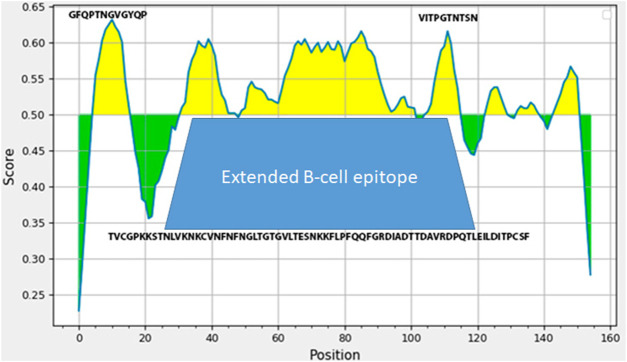
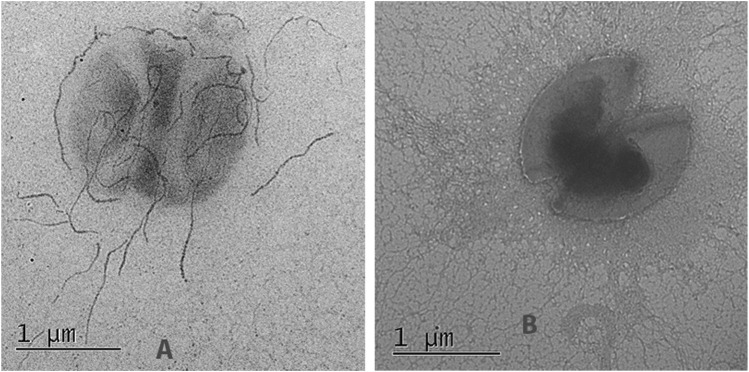
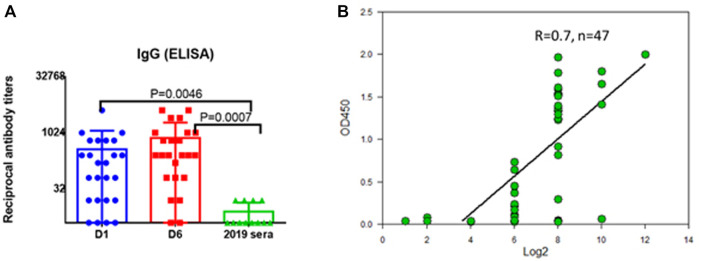
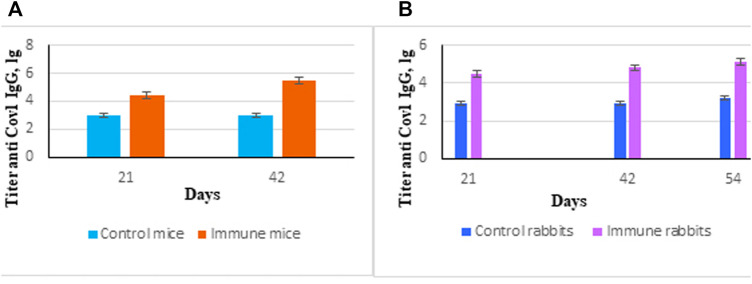
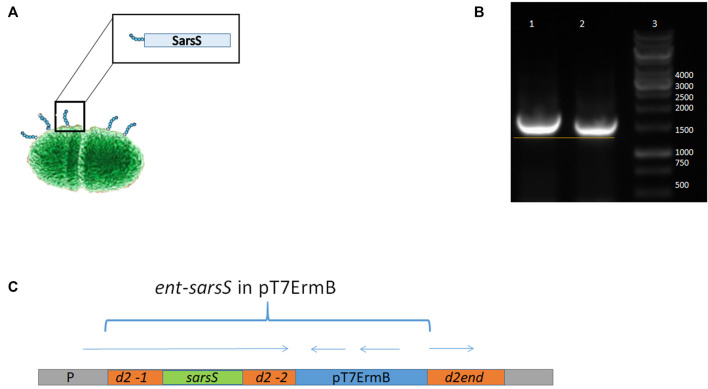
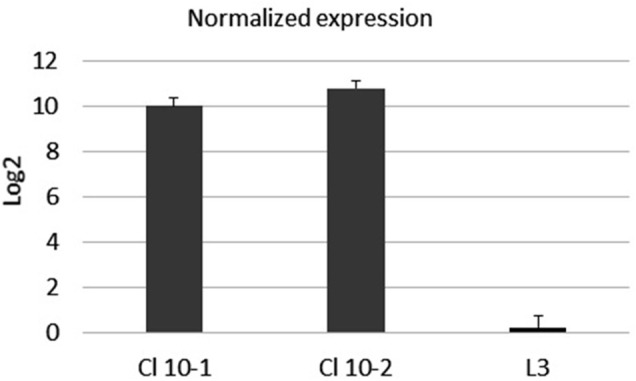
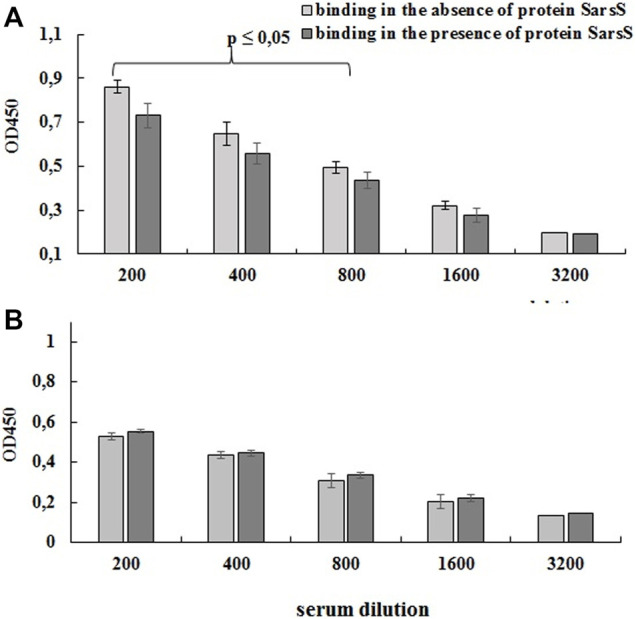
Contemporary SARS-Cov-2 pandemic, besides its dramatic global influence on the human race including health care systems, economies, and political decisions, opened a window for the global experiment with human vaccination employing novel injectable vaccines providing predominantly specific IgG response with little knowledge of their impact on the mucosal immunity. However, it is widely accepted that protection against the pathogens at the gates of the infection - on mucosal surfaces-predominantly rely on an IgA response. Some genetically modified bacteria, including probiotics, represent attractive vehicles for oral or nasal mucosal delivery of therapeutic molecules. Probiotic-based vaccines for mucous membranes are easy to produce in large quantities; they have low cost, provide quite a long T-cell memory, and gut IgA response to oral vaccines is highly synchronized and strongly oligoclonal. Here we present a study demonstrating construction of the novel SARS-Cov-2 vaccine candidate employing the gene fragment of S1 SARS-Cov-2 gene. This DNA fragment was inserted in frame into major pili protein gene with d2 domain of enterococcal operon encoding for pili. The DNA sequencing proved the presence of the insert in enterococcal genome. RNA transcription, immunoprecipitation, and immune electron microscopy with human sera obtained from the SARS-Cov-2 patients demonstrated expression of SARS-Cov-2 antigens in bacteria. Taken together the data obtained allowed considering this genetically modified probiotic strain as an interesting candidate for vaccine against SARS-Cov-2.
当代的新冠疫情,除了对人类包括医疗系统、经济和政治决策产生巨大的全球影响外,还为全球使用新型注射疫苗进行人体疫苗试验打开了一扇窗,这些疫苗主要产生特异性IgG反应,而对其对黏膜免疫的影响知之甚少。然而,人们普遍认为,在感染入口处——黏膜表面——抵御病原体主要依赖IgA反应。一些基因改造细菌,包括益生菌,是用于口服或鼻内黏膜递送治疗分子的有吸引力的载体。基于益生菌的黏膜疫苗易于大量生产;成本低,能提供相当长的T细胞记忆,并且肠道对口服疫苗的IgA反应高度同步且呈强寡克隆性。在此,我们展示一项研究,该研究证明了利用新冠病毒S1基因片段构建新型新冠病毒候选疫苗。这个DNA片段被框内插入到肠球菌操纵子编码菌毛的主要菌毛蛋白基因的d2结构域中。DNA测序证明肠球菌基因组中存在该插入片段。RNA转录、免疫沉淀以及对新冠患者血清进行的免疫电子显微镜检测表明,新冠病毒抗原在细菌中表达。综合所获得的数据,可以认为这种基因改造益生菌菌株是一种有前景的新冠疫苗候选物。