Faculty of Animal Science and Technology, Yunnan Agricultural University, Kunming, 650201, Yunnan, China.
College of Chemistry, Biology and Environment, Yuxi Normal University, Yuxi, 653100, Yunnan, China.
Sci Rep. 2022 Feb 11;12(1):2390. doi: 10.1038/s41598-022-06114-w.
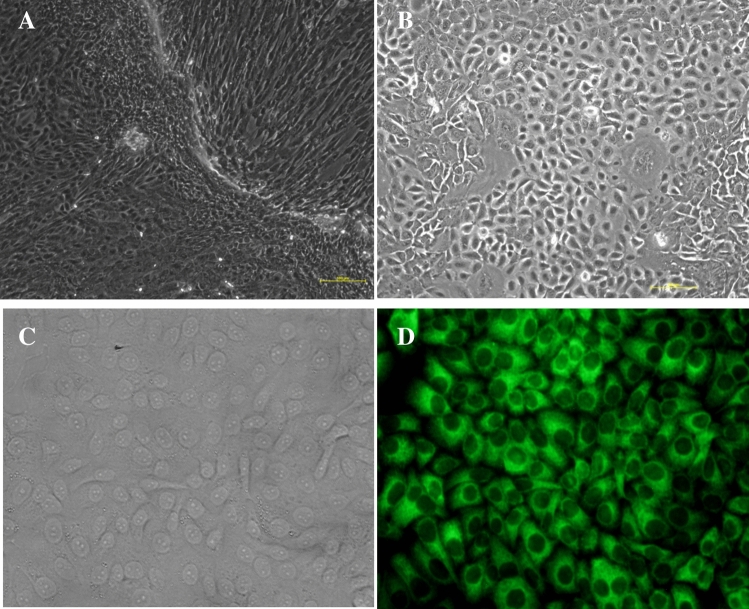
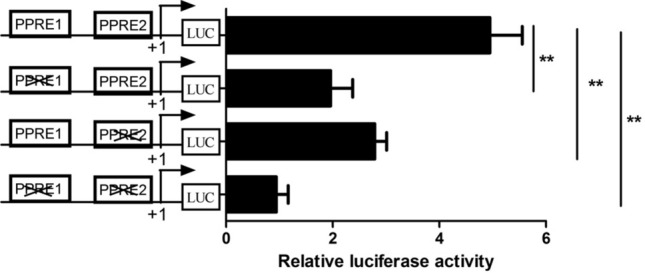
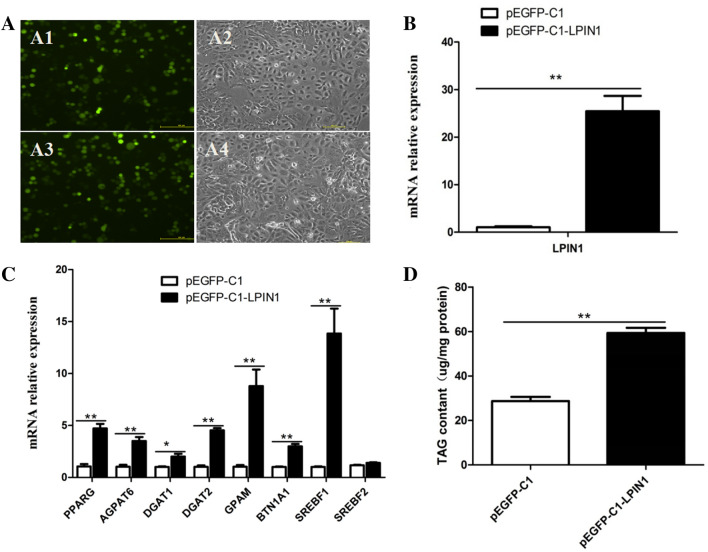
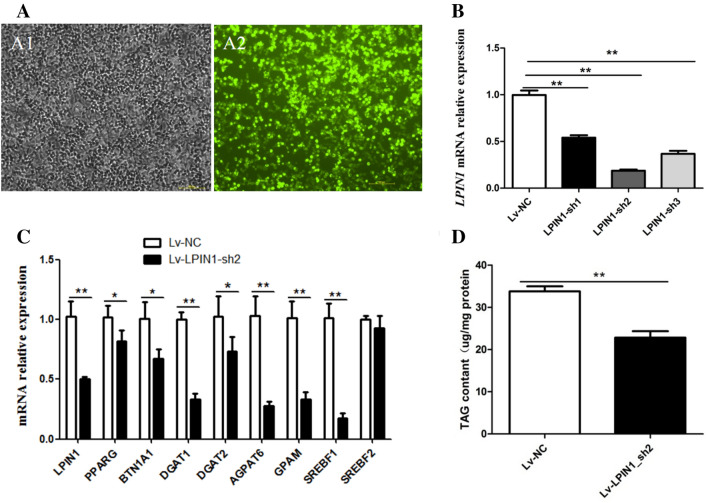
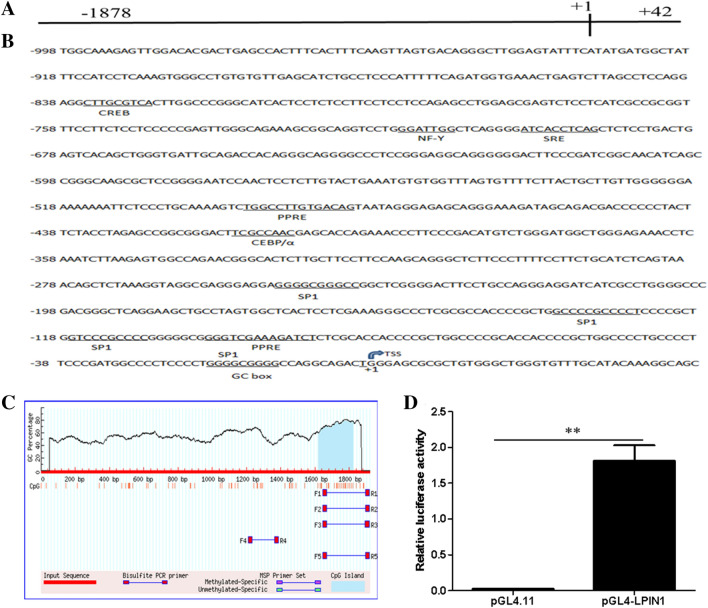
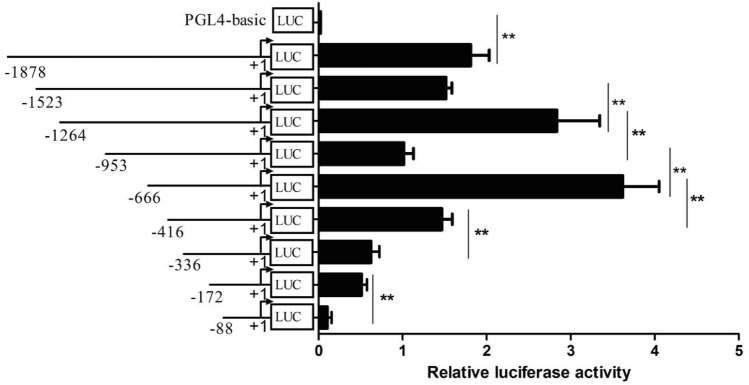
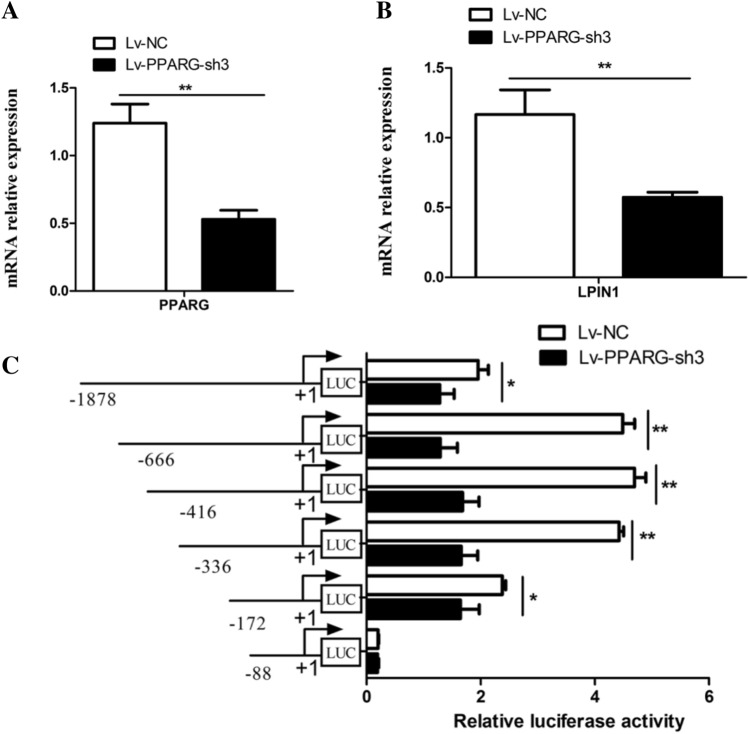
Studies on 3T3-L1 cells and HepG2 hepatocytes have shown that phosphatidic acid phosphohydrolase1 (LPIN1) plays a key role in adipogenesis, acting as a co-activator of peroxisome proliferator-activated receptor gamma coactivator 1a (PGC-1a) to regulate fatty acid metabolism. However, the functional role and regulatory mechanism of LPIN1 gene in milk fat synthesis of buffalo are still unknown. In this study, overexpression of buffalo LPIN1 gene transfected with recombinant fusion expression vector significantly increased the expression of AGPAT6, DGAT1, DGAT2, GPAM and BTN1A1 genes involved in triglyceride (TAG) synthesis and secretion, as well as PPARG and SREBF1 genes regulating fatty acid metabolism in the buffalo mammary epithelial cells (BMECs), while the lentivirus-mediated knockdown of buffalo LPIN1 dramatically decreased the relative mRNA abundance of these genes. Correspondingly, total cellular TAG content in the BMECs increased significantly after LPIN1 overexpression, but decreased significantly after LPIN1 knockdown. In addition, the overexpression or knockdown of PPARG also enhanced or reduced the expression of LPIN1 and the transcriptional activity of its promoter. The core region of buffalo LPIN1 promoter spans from - 666 bp to + 42 bp, and two PPAR response elements (PPREs: PPRE1 and PPRE2) were identified in this region. Site mutagenesis analysis showed that PPARG directly regulated the transcription of buffalo LPIN1 by binding to the PPRE1 and PPRE2 on its core promoter. The results here reveal that the LPIN1 gene is involved in the milk fat synthesis of BMECs, and one of the important pathways is to participate in this process through direct transcriptional regulation of PPARG, which in turn significantly affects the content of TAG in BMECs.
已有研究表明,3T3-L1 细胞和 HepG2 肝细胞中的磷酸酶酰基水解酶 1(LPIN1)在脂肪生成过程中发挥关键作用,作为过氧化物酶体增殖物激活受体γ共激活因子 1a(PGC-1a)的共激活因子,调节脂肪酸代谢。然而,水牛 LPIN1 基因在乳脂合成中的功能作用和调控机制尚不清楚。本研究通过重组融合表达载体转染水牛 LPIN1 基因过表达,发现其显著上调了甘油三酯(TAG)合成和分泌相关的 AGPAT6、DGAT1、DGAT2、GPAM 和 BTN1A1 基因,以及调控脂肪酸代谢的 PPARG 和 SREBF1 基因在水牛乳腺上皮细胞(BMECs)中的表达,而过表达 LPIN1 基因的慢病毒则显著降低了这些基因的相对 mRNA 丰度。相应地,LPIN1 过表达后 BMECs 中总细胞 TAG 含量显著增加,而 LPIN1 敲低后则显著减少。此外,PPARG 的过表达或敲低也增强或降低了 LPIN1 的表达及其启动子的转录活性。水牛 LPIN1 启动子的核心区域从-666 bp 延伸至+42 bp,在此区域发现了两个过氧化物酶体增殖物激活受体反应元件(PPREs:PPRE1 和 PPRE2)。定点突变分析表明,PPARG 通过结合其核心启动子上的 PPRE1 和 PPRE2 直接调控水牛 LPIN1 的转录。结果表明,LPIN1 基因参与了 BMECs 的乳脂合成,其重要途径之一是通过直接转录调控 PPARG 参与该过程,进而显著影响 BMECs 中 TAG 的含量。