Maury-Mora Marcela, Gómez-Villarino María Teresa, Varela-Martínez Carmen
School of Agricultural, Food and Biosystems Engineering, Universidad Politécnica de Madrid, 28040, Madrid, Spain.
Urban For Urban Green. 2022 Mar;69:127492. doi: 10.1016/j.ufug.2022.127492. Epub 2022 Feb 8.
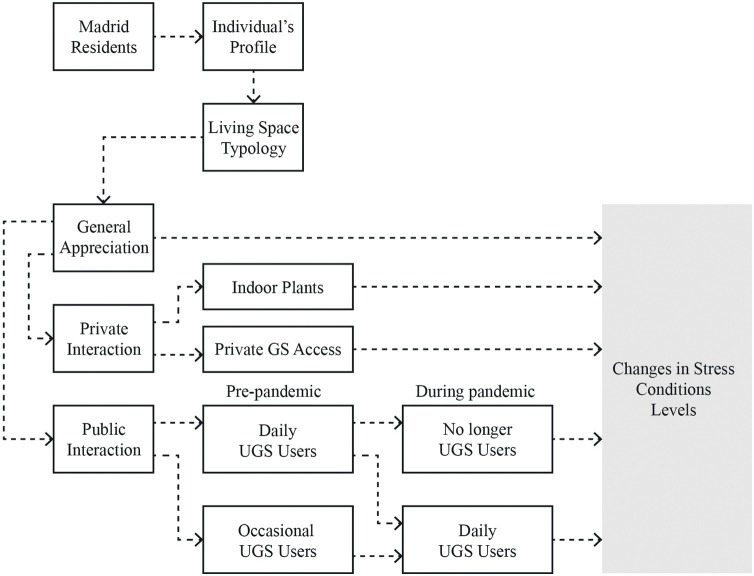
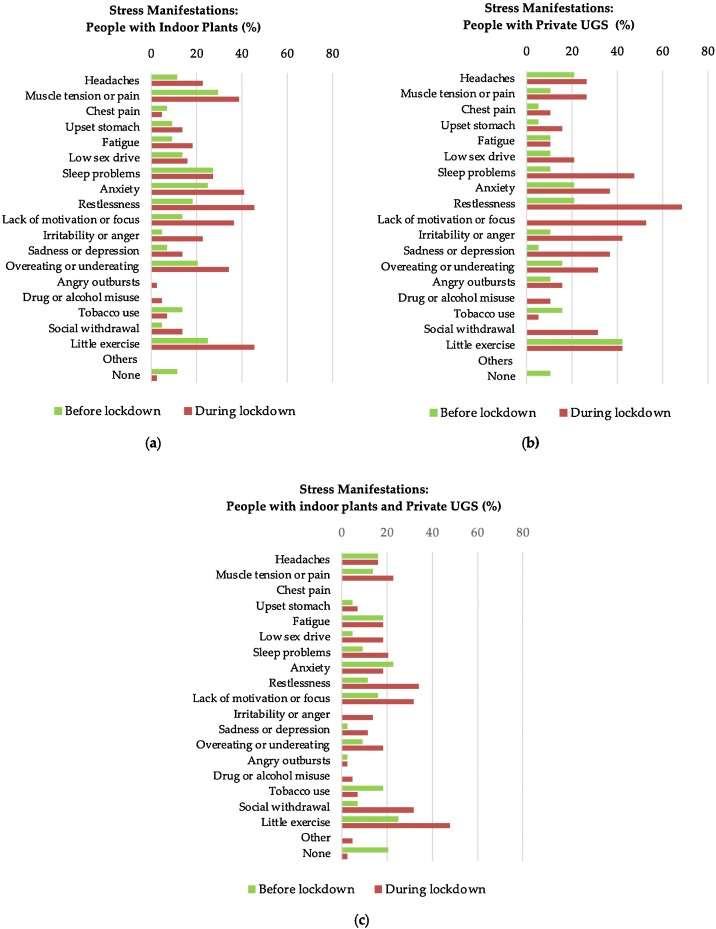
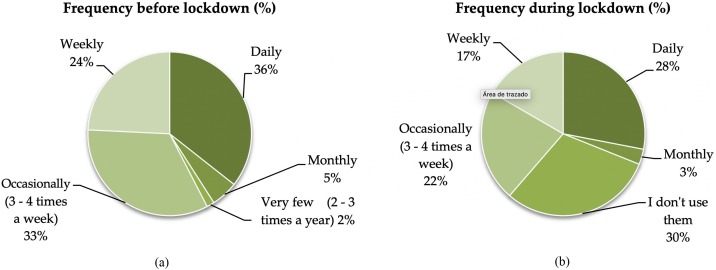
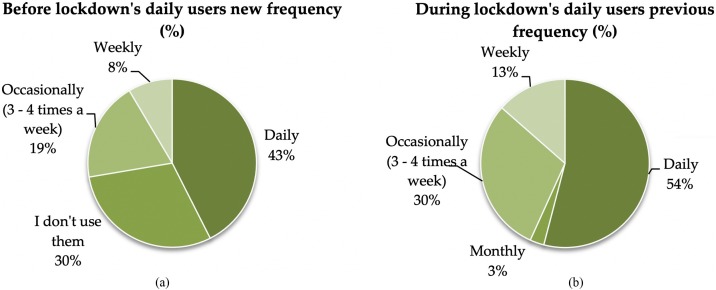
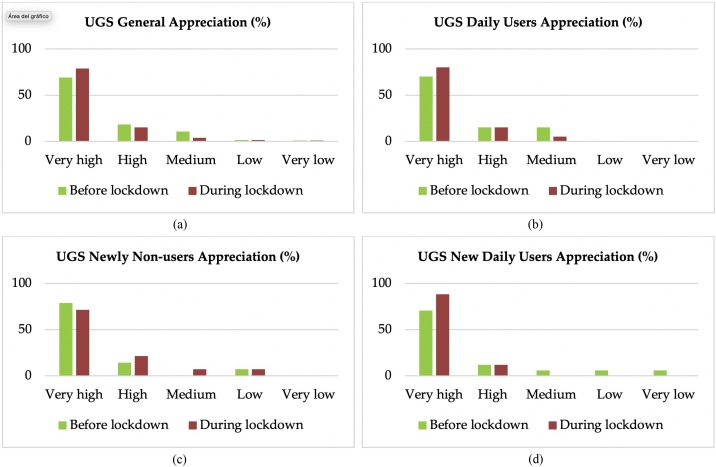
Due to the unexpected emergence of COVID-19, different cities improvised responses to prevent the virus from spreading and infecting the population. Madrid, capital of Spain and one of the most affected cities in Europe, confined everyone home and closed most public and private spaces, including public parks. The whole situation was surely to be responsible for stress-levels to peak. We developed an online survey to better understand the relationship between people and Urban Green Spaces prior to the COVID-19 pandemic, and the new bond that may have emerged from this interruption. We recruited participants, without gender or age preference, excluding underage children and teenagers, using a combination of convenience sample and a snowball approach. A total of 132 responses were logged. The study was limited to mental health inferences, specifically related to stress and its most frequent manifestations among the urban population. These indicators included physical, mood or behavioral changes and were studied on those participants who had access to UGS before and during confinement. Among the most important findings, we confirmed that when people are confronted with stressful situations, indoor plant interaction is not a substitute for different outdoor green experiences; those who interacted with green spaces in a daily manner managed stress levels better than people who didn't (but their effects might lose strength over time); and turning to green spaces for comfort during stressful times when you don't usually do so helps overcome difficult situations. This article contributes to the growing study of green spaces as a means towards improved mental well-being in urban areas.
由于新冠疫情的意外出现,不同城市临时采取应对措施以防止病毒传播和感染民众。西班牙首都马德里是欧洲受影响最严重的城市之一,它让所有人居家隔离,并关闭了包括公园在内的大部分公共和私人场所。整个情况肯定导致了压力水平达到峰值。我们开展了一项在线调查,以更好地了解新冠疫情之前人们与城市绿地之间的关系,以及这种中断可能产生的新联系。我们采用便利抽样和滚雪球抽样相结合的方法招募参与者,不设性别或年龄偏好,但排除未成年儿童和青少年。共记录了132份回复。该研究仅限于心理健康推断,特别是与城市人口中的压力及其最常见表现相关的推断。这些指标包括身体、情绪或行为变化,并针对那些在隔离前和隔离期间能够接触城市绿地的参与者进行研究。在最重要的发现中,我们证实,当人们面对压力情境时,与室内植物互动并不能替代不同的户外绿色体验;那些日常与绿地互动的人比不这样做的人能更好地管理压力水平(但随着时间推移其效果可能会减弱);在通常不接触绿地的压力时期转向绿地寻求慰藉有助于克服困境。本文有助于日益增多的关于将绿地作为改善城市地区心理健康手段的研究。