Elbassiouni Farida E, El-Kholy Wafaa M, Elhabibi El-Sayed M, Albogami Sarah, Fayad Eman
Department of Zoology, Faculty of Science, Mansoura University, Mansoura 35516, Egypt.
Department of Biotechnology, Faculty of Sciences, Taif University, P.O. Box 11099, Taif 21944, Saudi Arabia.
Nanomaterials (Basel). 2022 Jan 20;12(3):324. doi: 10.3390/nano12030324.
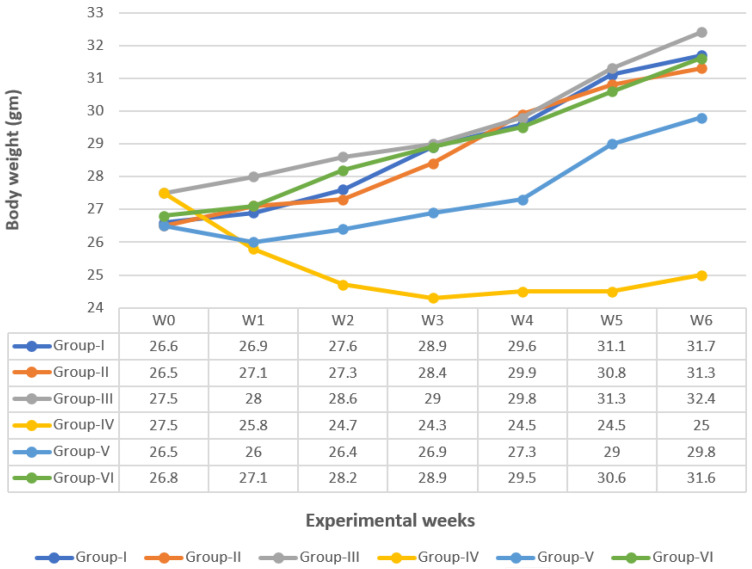
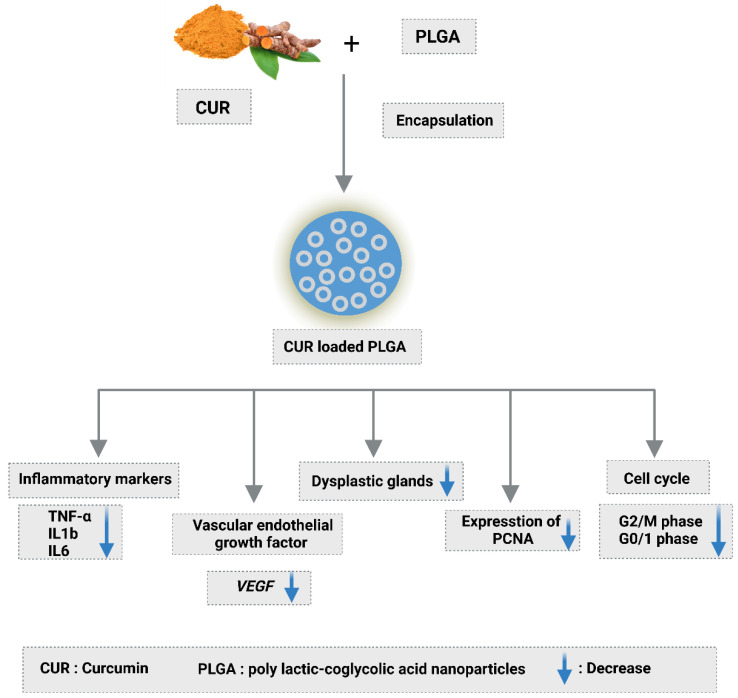
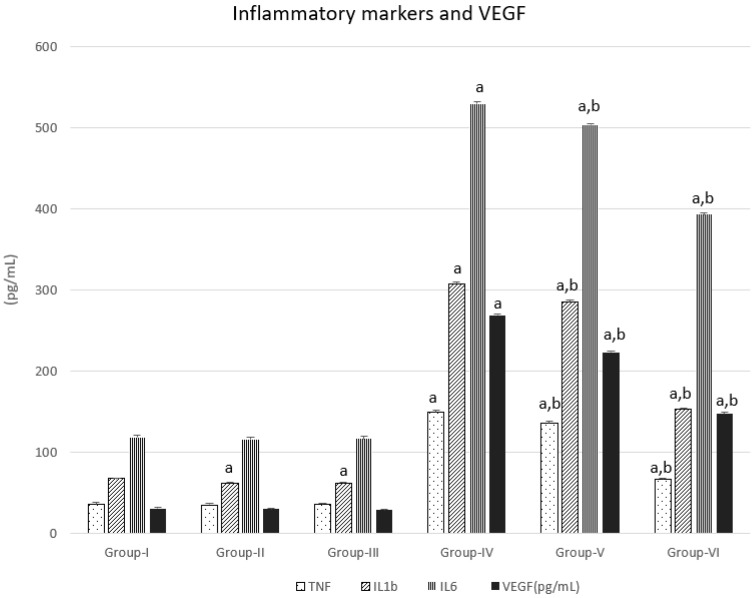
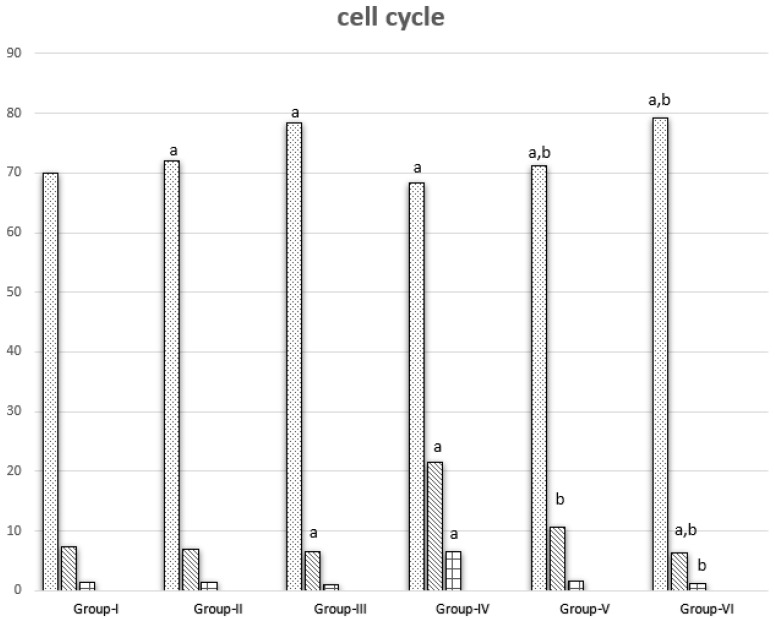
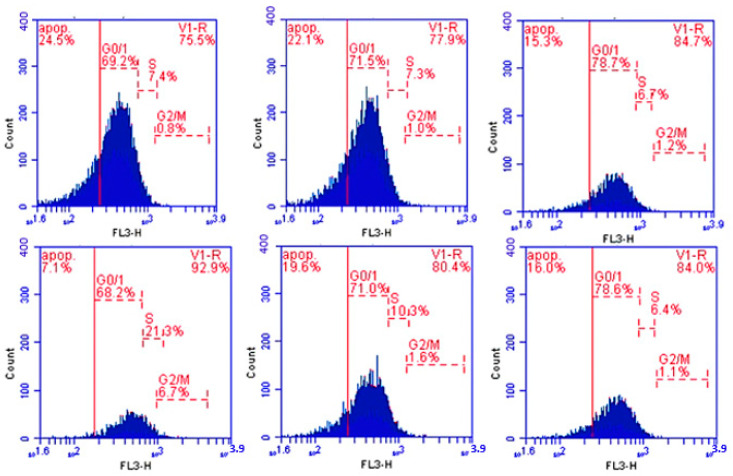
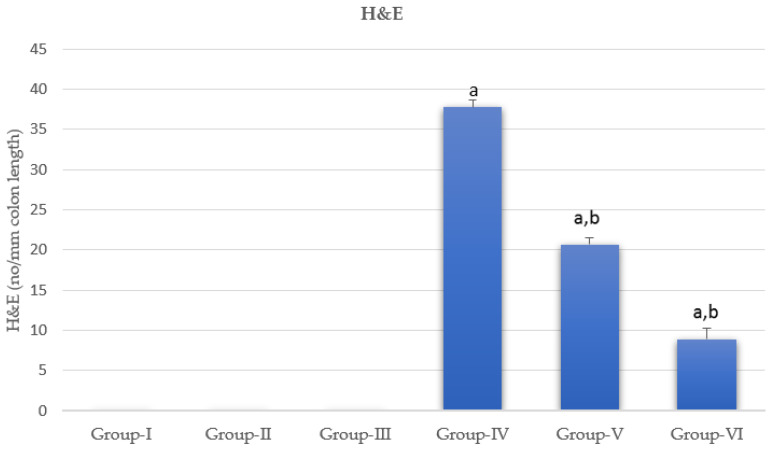
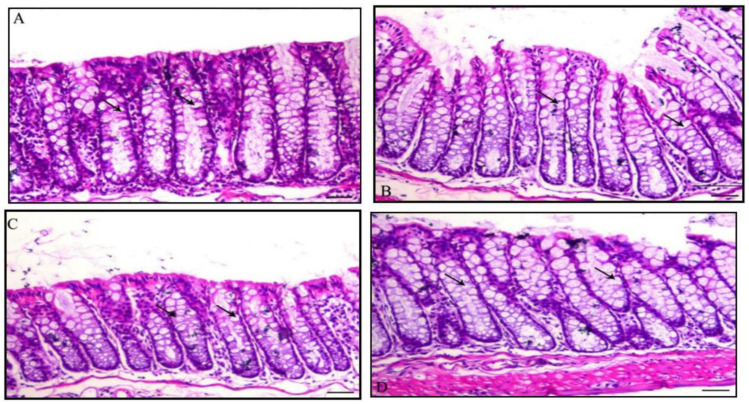
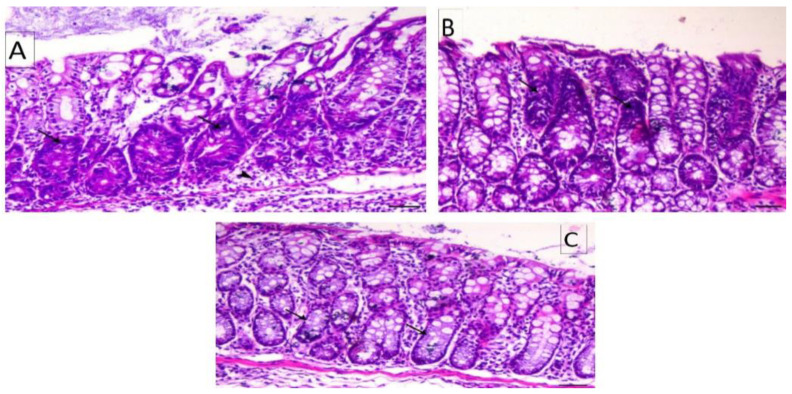
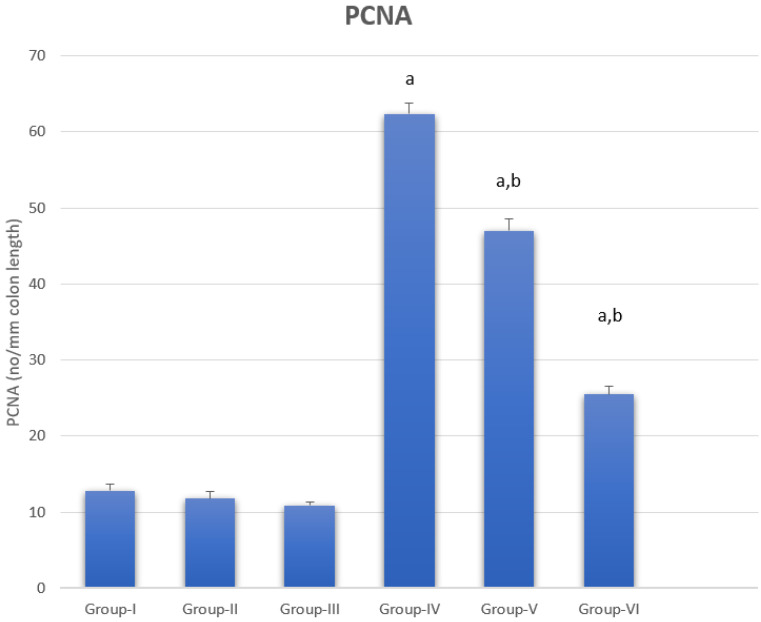
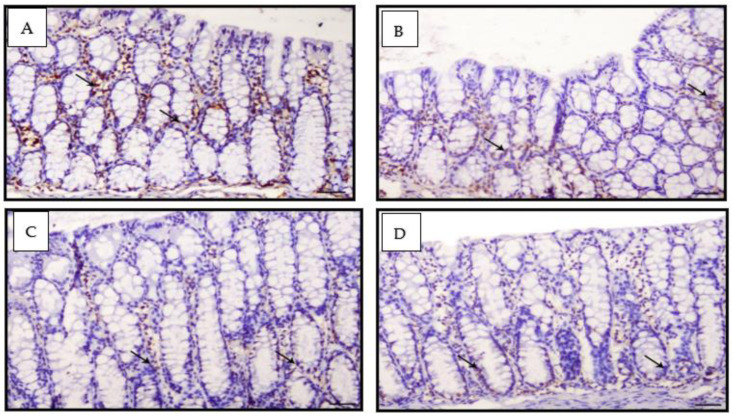
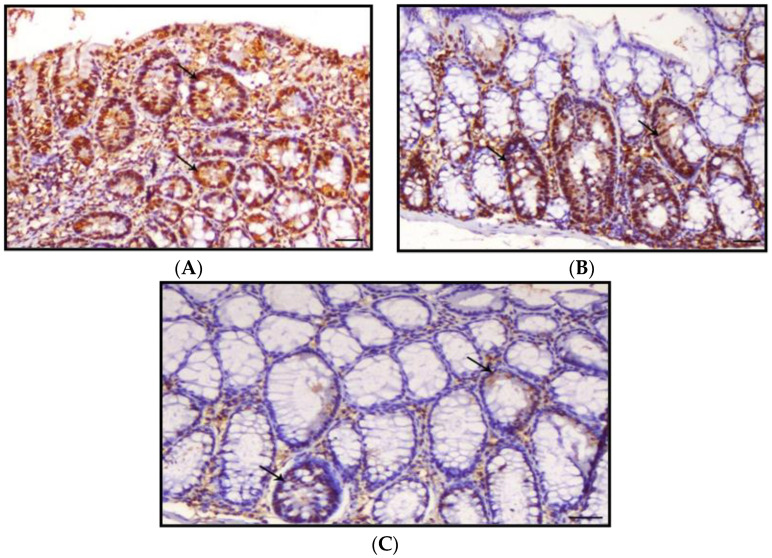
Colorectal cancer is the third most common cancer. Because curcumin (CUR) has anti-inflammatory and anticancer properties, research has been undertaken to indicate that nanocurcumin compounds can be used to treat a variety of cancers. CUR in nanoform has been found to have a stronger effect than conventional CUR. The purpose of this study was to show that CUR-loaded poly lactic-co-glycolic acid nanoparticles (PLGA) (CUR-loaded PLGA) have anti-inflammatory and anticancer effects on colon carcinogenesis in male dimethyl hydrazine (DMH) mice as a comparative study between the nanoform of curcumin and normal curcumin, focusing on the anticancer effect of nanocurcumin. Mice were separated into six groups: No treatment was given to Group I (negative Group-I). Group II was treated with CUR. Group III was treated with CUR-loaded PLGA. Group IV was treated with DMH. Group V received DMH and curcumin. Group VI received DMH and CUR-loaded PLGA. At the conclusion of the trial, the animals were slain (6 weeks). Inflammatory indicators and vascular endothelial growth factor (VEGF) levels all changed significantly in this study, as the following inflammatory markers as TNF showed percent of change compared to the DMH group. Recovery percentage for Groups V and VI, respectively, were 9.18 and 55.31%. In addition, IL1 was 7.45 and 50.37% for Groups V and VI, respectively. The results of IL6 were 4.86 and 25.79% for Groups V and VI, respectively. The vascular endothelial growth factor (VEGF) recovery percent was 16.98 and 45.12% for Groups V and VI, respectively. Following the effect of DMH on colon mucosa shape, the researchers looked at the effect of CUR-loaded PLGA on colon histology. It was shown that CUR-loaded PLGA affects the cell cycle and PCNA expression. We conclude that nanocurcumin is an important anti-inflammatory and cancer-fighting agent.
结直肠癌是第三大常见癌症。由于姜黄素(CUR)具有抗炎和抗癌特性,已有研究表明纳米姜黄素化合物可用于治疗多种癌症。已发现纳米形式的CUR比传统CUR具有更强的效果。本研究的目的是表明负载姜黄素的聚乳酸 - 乙醇酸共聚物纳米颗粒(PLGA)(负载CUR的PLGA)对雄性二甲基肼(DMH)诱导的结肠癌小鼠具有抗炎和抗癌作用,作为姜黄素纳米形式与普通姜黄素的对比研究,重点关注纳米姜黄素的抗癌作用。将小鼠分为六组:第一组(阴性对照组 - I)不进行任何处理。第二组用CUR处理。第三组用负载CUR的PLGA处理。第四组用DMH处理。第五组接受DMH和姜黄素。第六组接受DMH和负载CUR的PLGA。在试验结束时(6周)处死动物。在本研究中,炎症指标和血管内皮生长因子(VEGF)水平均发生了显著变化,如下所示,炎症标志物如TNF显示了与DMH组相比的变化百分比。第五组和第六组的恢复百分比分别为9.18%和55.31%。此外,第五组和第六组的IL1分别为7.45%和50.37%。第五组和第六组的IL6结果分别为4.86%和25.79%。血管内皮生长因子(VEGF)的恢复百分比第五组和第六组分别为16.98%和45.12%。在DMH对结肠黏膜形态产生影响之后,研究人员观察了负载CUR的PLGA对结肠组织学的影响。结果表明,负载CUR的PLGA影响细胞周期和增殖细胞核抗原(PCNA)的表达。我们得出结论,纳米姜黄素是一种重要的抗炎和抗癌剂。