Rozhin Petr, Abdel Monem Gamal Jada, Giordani Silvia, Marchesan Silvia
Department of Chemical and Pharmaceutical Sciences, University of Trieste, 34127 Trieste, Italy.
School of Chemical Sciences, Faculty of Science & Health, Dublin City University, D09 E432 Dublin, Ireland.
Materials (Basel). 2022 Jan 28;15(3):1037. doi: 10.3390/ma15031037.
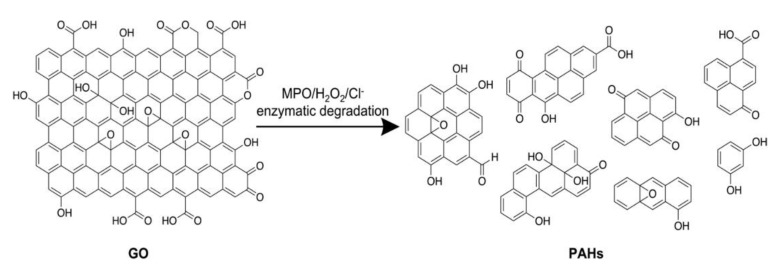
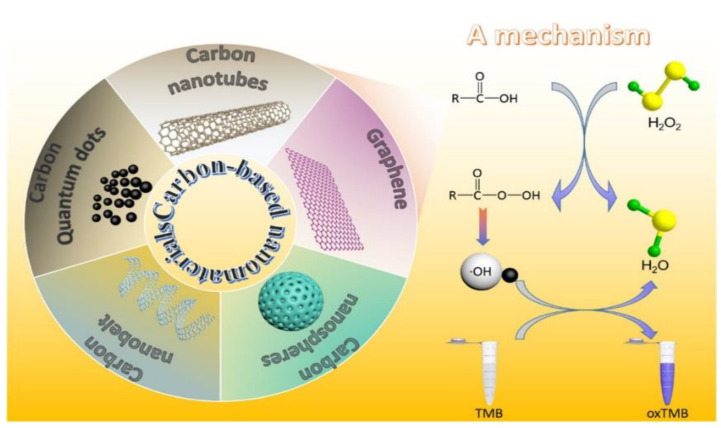
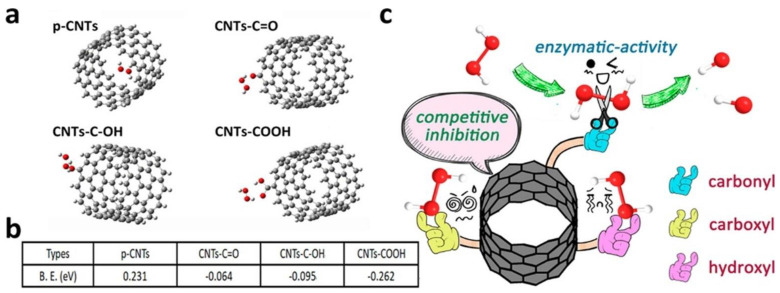
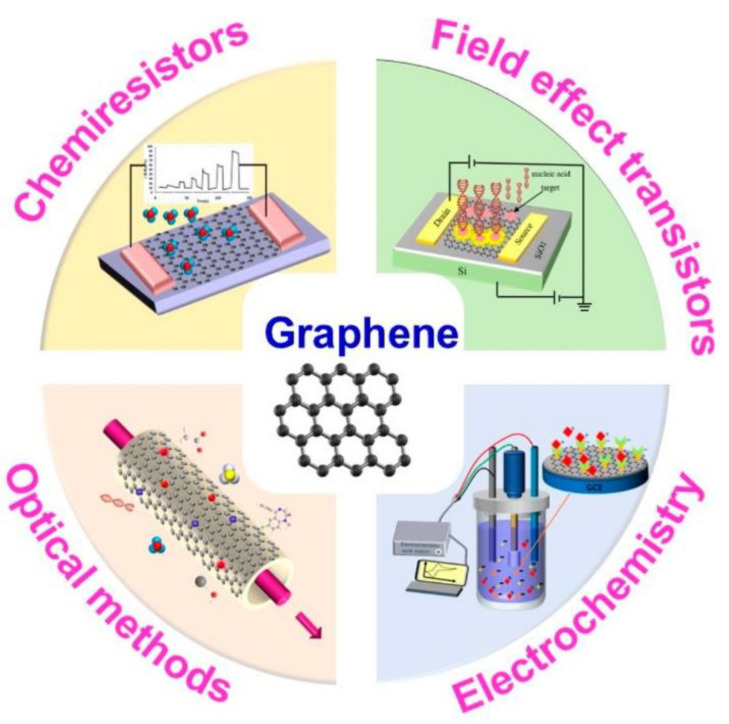
Carbon nanomaterials (CNMs) and enzymes differ significantly in terms of their physico-chemical properties-their handling and characterization require very different specialized skills. Therefore, their combination is not trivial. Numerous studies exist at the interface between these two components-especially in the area of sensing-but also involving biofuel cells, biocatalysis, and even biomedical applications including innovative therapeutic approaches and theranostics. Finally, enzymes that are capable of biodegrading CNMs have been identified, and they may play an important role in controlling the environmental fate of these structures after their use. CNMs' widespread use has created more and more opportunities for their entry into the environment, and thus it becomes increasingly important to understand how to biodegrade them. In this concise review, we will cover the progress made in the last five years on this exciting topic, focusing on the applications, and concluding with future perspectives on research combining carbon nanomaterials and enzymes.
碳纳米材料(CNMs)和酶在物理化学性质方面存在显著差异——它们的处理和表征需要截然不同的专业技能。因此,将它们结合并非易事。在这两种成分的交叉领域存在大量研究——尤其是在传感领域——但也涉及生物燃料电池、生物催化,甚至包括创新治疗方法和诊疗学在内的生物医学应用。最后,已经鉴定出能够生物降解碳纳米材料的酶,它们可能在控制这些结构使用后在环境中的归宿方面发挥重要作用。碳纳米材料的广泛使用为其进入环境创造了越来越多的机会,因此了解如何对其进行生物降解变得越来越重要。在这篇简要综述中,我们将涵盖过去五年在这个令人兴奋的主题上取得的进展,重点关注应用,并以碳纳米材料与酶结合研究的未来展望作为结尾。