Department of Pharmaceutical Sciences, School of Pharmacy, College of Health Professions, North Dakota State University, Fargo, ND 58105, USA.
Int J Mol Sci. 2022 Feb 6;23(3):1851. doi: 10.3390/ijms23031851.
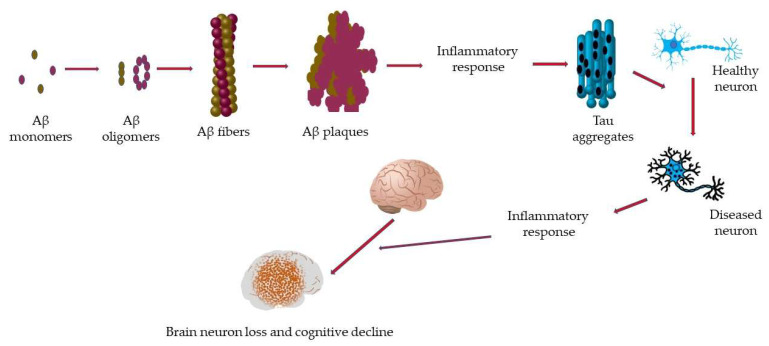
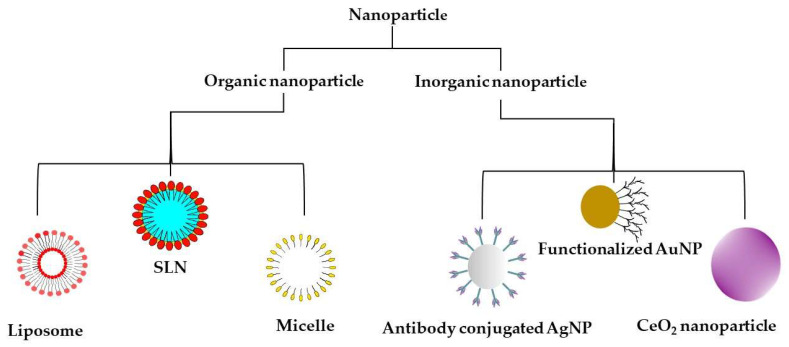
Neurodegenerative disorders are primarily characterized by neuron loss. The most common neurodegenerative disorders include Alzheimer's and Parkinson's disease. Although there are several medicines currently approved for managing neurodegenerative disorders, a large majority of them only help with associated symptoms. This lack of pathogenesis-targeting therapies is primarily due to the restrictive effects of the blood-brain barrier (BBB), which keeps close to 99% of all "foreign substances" out of the brain. Since their discovery, nanoparticles have been successfully used for targeted delivery into many organs, including the brain. This review briefly describes the pathophysiology of Alzheimer's, Parkinson's disease, and amyotrophic lateral sclerosis, and their current management approaches. We then highlight the major challenges of brain-drug delivery, followed by the role of nanotherapeutics for the diagnosis and treatment of various neurological disorders.
神经退行性疾病的主要特征是神经元丧失。最常见的神经退行性疾病包括阿尔茨海默病和帕金森病。尽管目前有几种药物被批准用于治疗神经退行性疾病,但它们大多数仅有助于缓解相关症状。这种缺乏针对发病机制的治疗方法主要是由于血脑屏障(BBB)的限制作用,它使接近 99%的“外来物质”无法进入大脑。自发现以来,纳米颗粒已成功用于靶向递送到许多器官,包括大脑。本综述简要描述了阿尔茨海默病、帕金森病和肌萎缩侧索硬化症的病理生理学及其目前的治疗方法。然后,我们强调了脑内药物输送的主要挑战,接着介绍了纳米疗法在各种神经疾病的诊断和治疗中的作用。