Chen Qiang, Hong Yilin, Weng Shihe, Guo Peng, Li Bei, Zhang Yong, Yu Chundong, Wang Shicong, Mo Pingli
State Key Laboratory of Cellular Stress Biology, Innovation Center for Cell Biology, School of Life Sciences, Xiamen University, Xiamen, China.
Fujian Pien Tze Huang Enterprise Key Laboratory of Natural Medicine Research and Development, Zhangzhou, China.
Front Pharmacol. 2022 Feb 3;13:828440. doi: 10.3389/fphar.2022.828440. eCollection 2022.
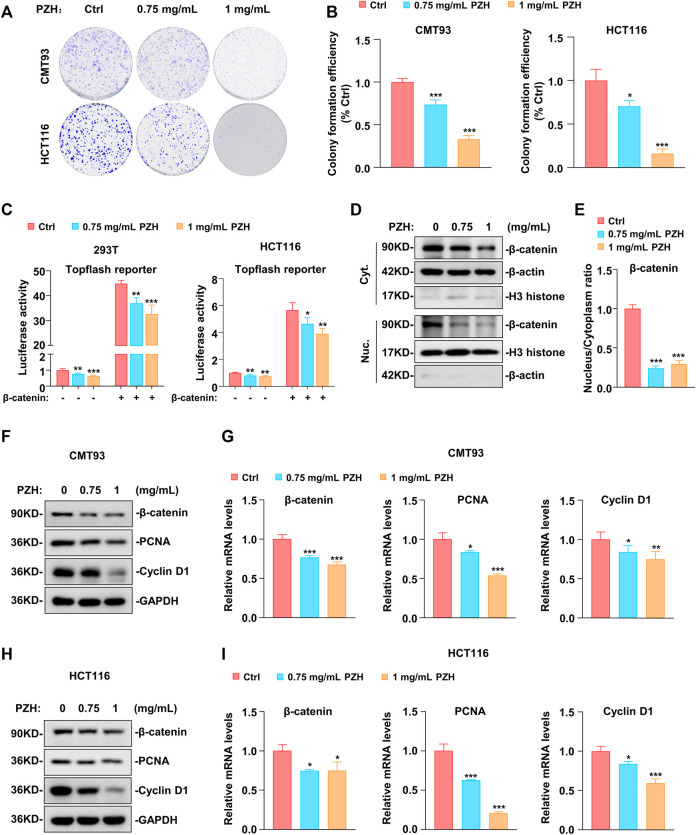
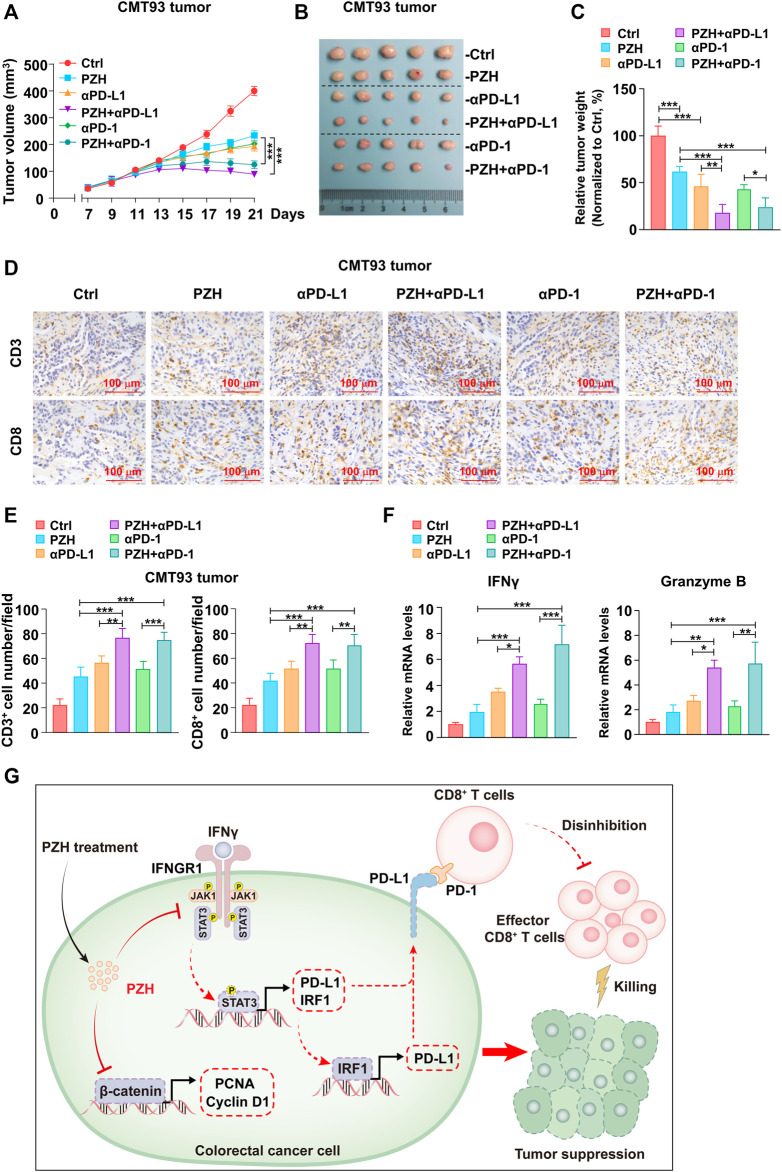
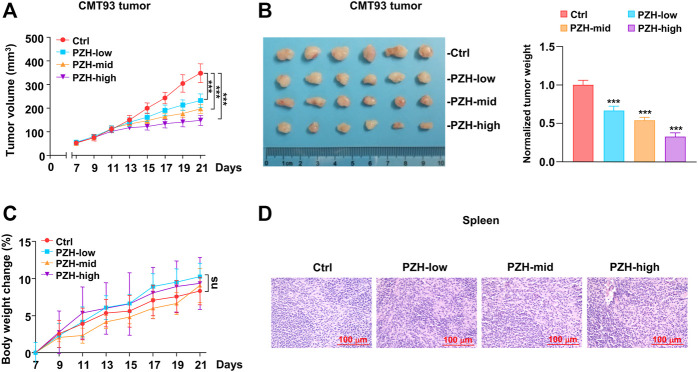
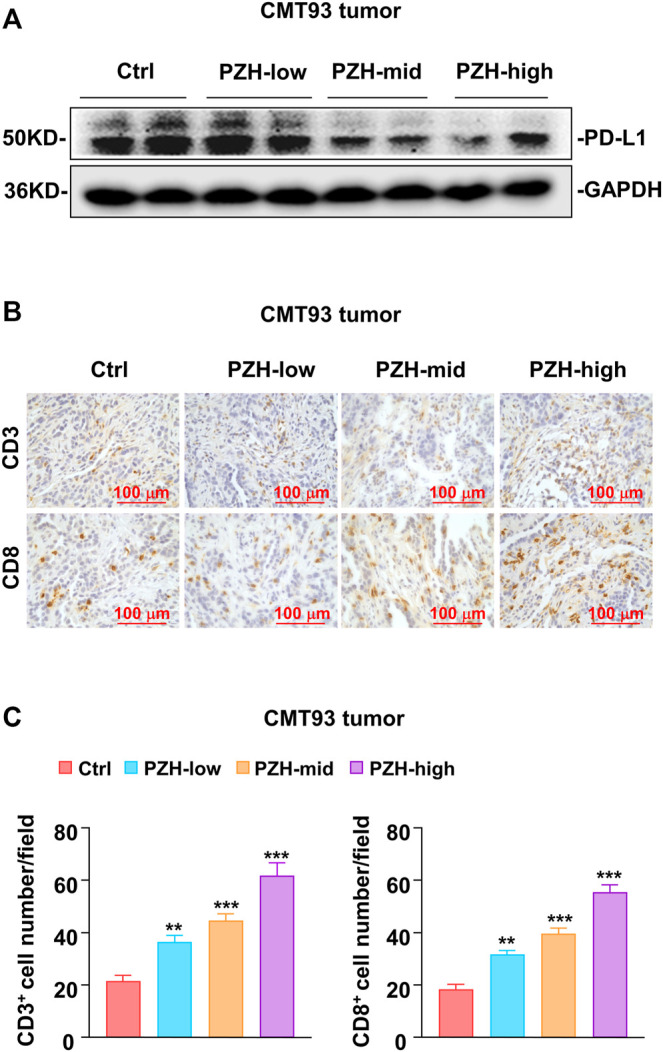
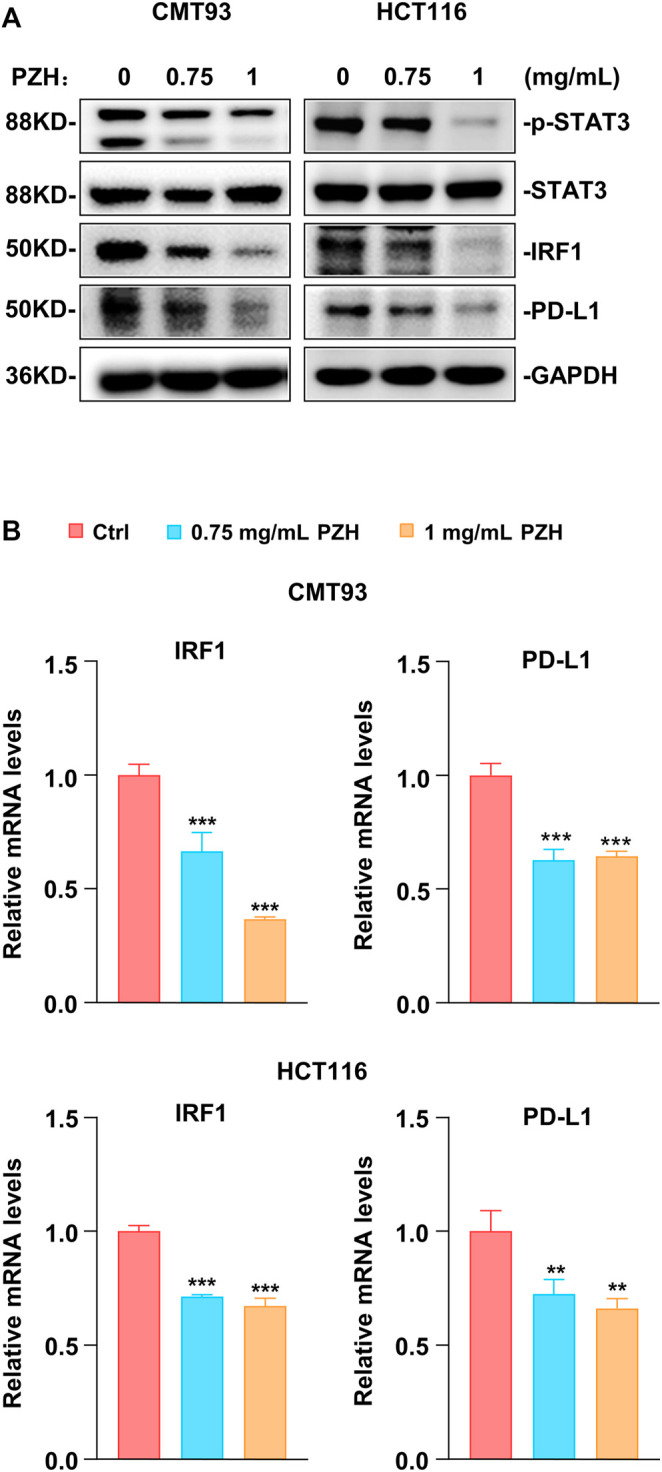
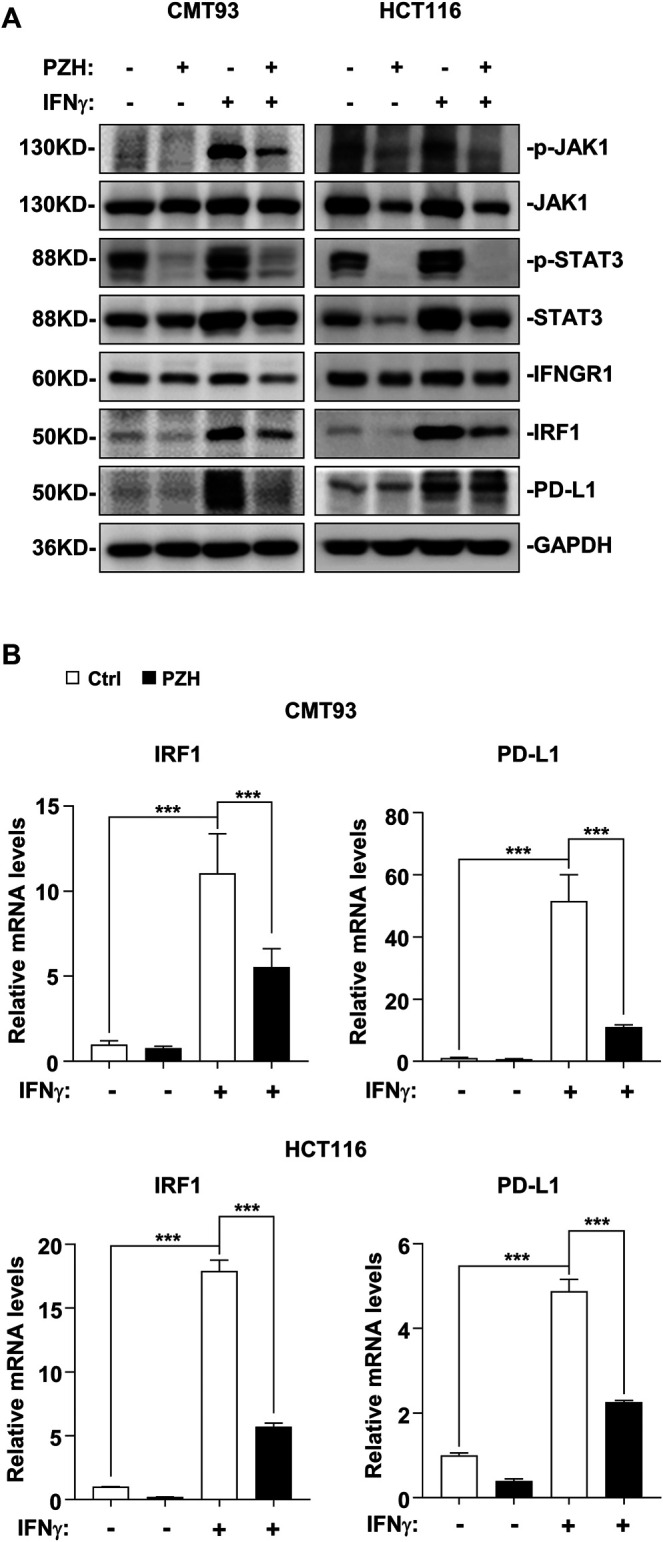
Pien Tze Huang (PZH) is a valuable traditional Chinese medicine, which has a variety of biological activities such as clearing heat-toxin, resolving blood stasis, detoxifying, relieving pain, and anti-inflammation. PZH has a partial role in suppressing the progression of CRC, while the underlying mechanism is a pending mystery; especially whether PZH mediates the immune escape of CRC remains unclear. Our study reported that PZH suppressed the proliferative activity of CRC by inhibiting Wnt/β-catenin signaling to down-regulate the expression of PCNA and Cyclin D1. In addition, PZH suppressed the immune escape of CRC and elevated the infiltration of CD8 T cells in tumor tissues, which depends on the suppression of PD-L1 levels via inhibiting IFNGR1-JAK1-STAT3-IRF1 signaling. More importantly, PZH pharmacologically elevated the antitumor efficacy of anti-PD-1/PD-L1 immunotherapy as demonstrated by slower tumor growth, higher infiltration and function of CD8 T cells in the combination of PZH and PD-1/PD-L1 antibody compared with monotherapy with either agent. These results demonstrate that PZH has the potential role in inhibiting CRC proliferation and immune evasion, especially the synergistic enhancement effect of PZH on immunotherapy.
片仔癀(PZH)是一种珍贵的传统中药,具有多种生物活性,如清热解毒、活血化瘀、解毒、止痛和抗炎。PZH在抑制结直肠癌进展方面具有一定作用,但其潜在机制仍是未解之谜;尤其是PZH是否介导结直肠癌的免疫逃逸尚不清楚。我们的研究报告称,PZH通过抑制Wnt/β-连环蛋白信号通路下调PCNA和细胞周期蛋白D1的表达,从而抑制结直肠癌的增殖活性。此外,PZH抑制结直肠癌的免疫逃逸并提高肿瘤组织中CD8 T细胞的浸润,这依赖于通过抑制IFNGR1-JAK1-STAT3-IRF1信号通路来降低PD-L1水平。更重要的是,与单一药物治疗相比,PZH与PD-1/PD-L1抗体联合使用时,肿瘤生长更缓慢,CD8 T细胞浸润和功能更高,这表明PZH在药理学上提高了抗PD-1/PD-L1免疫治疗的抗肿瘤疗效。这些结果表明,PZH在抑制结直肠癌增殖和免疫逃逸方面具有潜在作用,尤其是PZH对免疫治疗的协同增强作用。