Butowski Christina F, Thomas David G, Cave Nick J, Bermingham Emma N, Rosendale Douglas I, Hea Shen-Yan, Stoklosinski Halina M, Young Wayne
Smart Foods, AgResearch Limited, Te Ohu Rangahau Kai, Palmerston North 4474, New Zealand.
Centre for Feline Nutrition, Massey University, Palmerston North 4442, New Zealand.
Animals (Basel). 2022 Feb 17;12(4):498. doi: 10.3390/ani12040498.
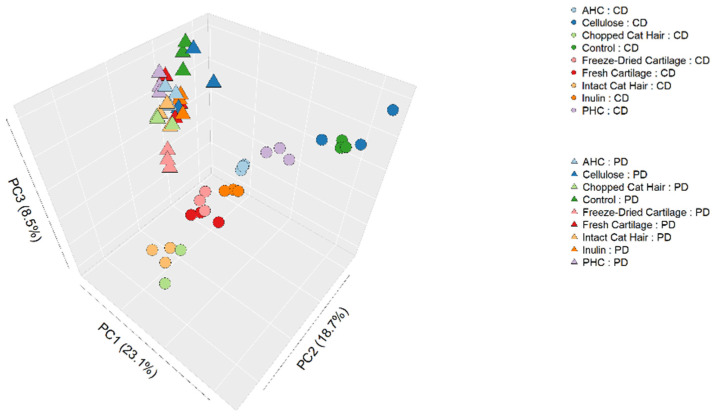
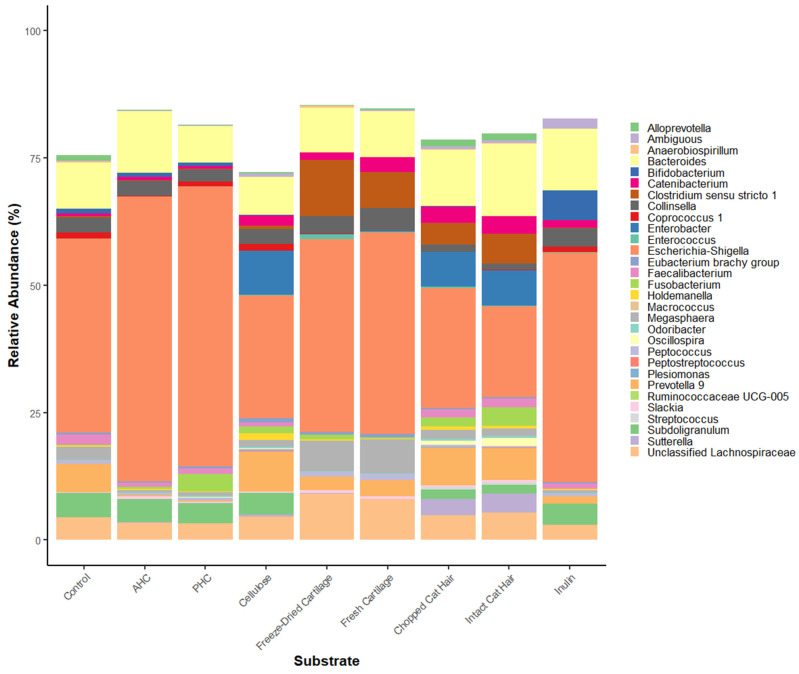
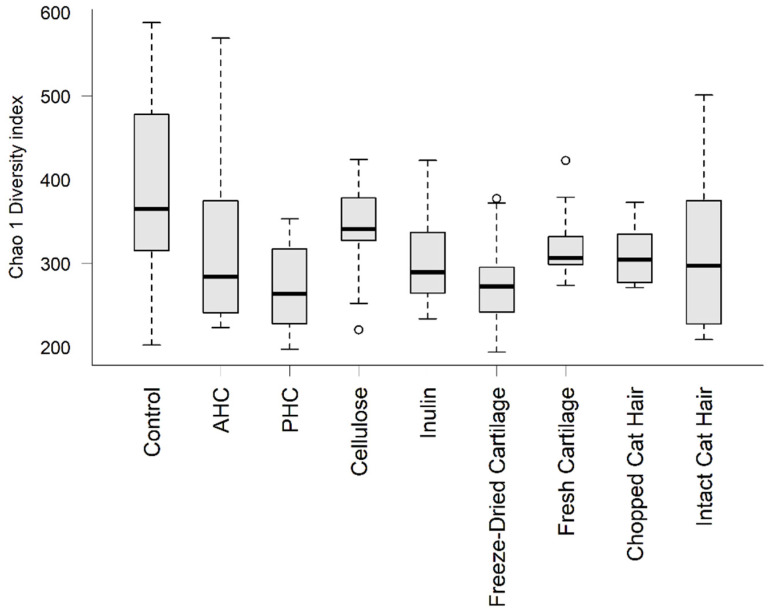
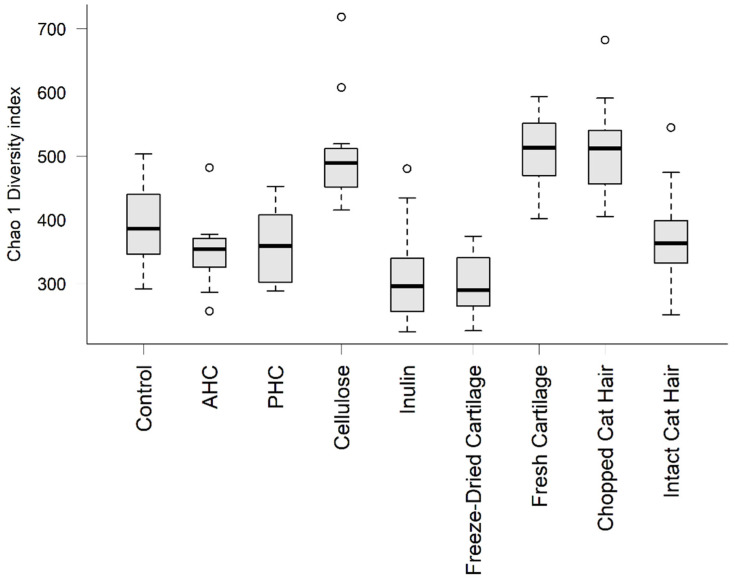
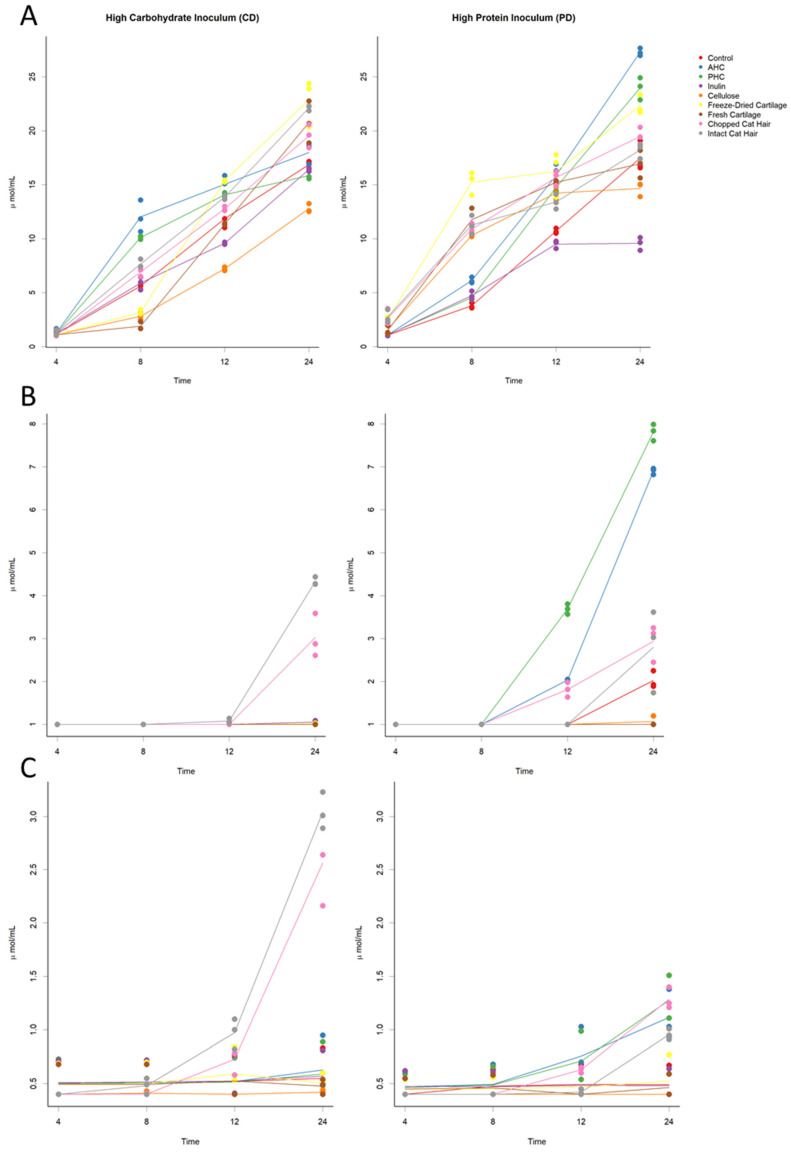
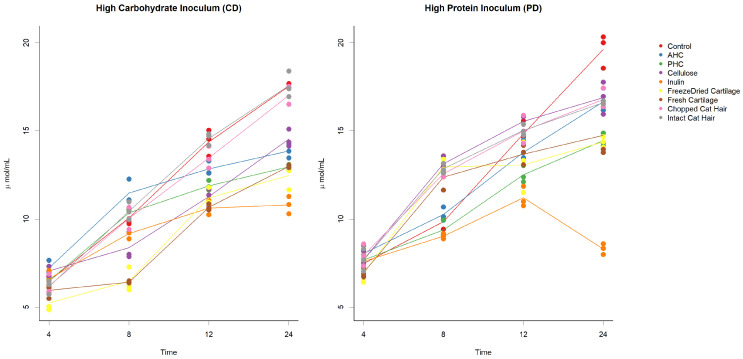
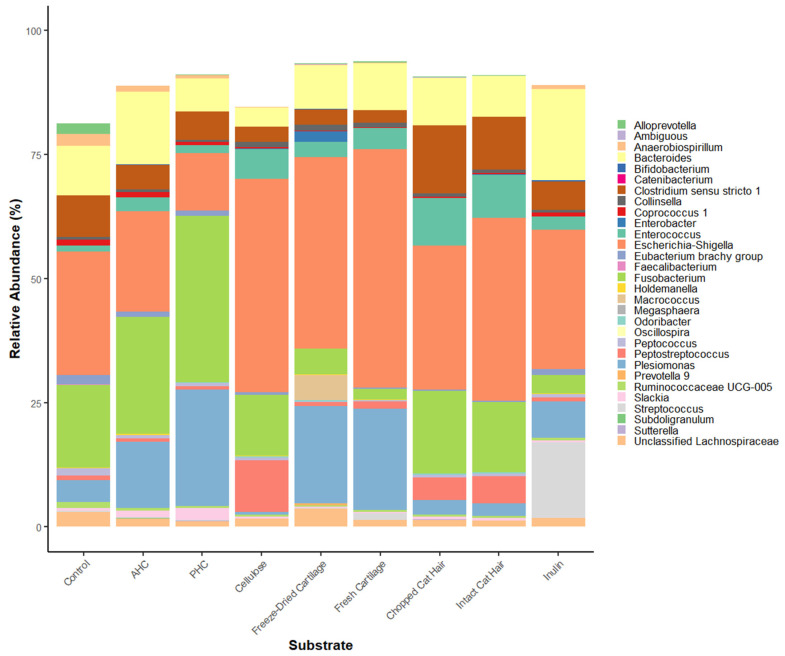
The gastrointestinal microbiome has a range of roles in the host, including the production of beneficial fermentation end products such as butyrate, which are typically associated with fermentation of plant fibres. However, domestic cats are obligate carnivores and do not require carbohydrates. It has been hypothesised that in the wild, collagenous parts of prey-the so-called animal-derived fermentable substrates (ADFS) such as tendons and cartilage-may be fermented by the cat's gastrointestinal microbiome. However, little research has been conducted on ADFS in the domestic cat. Faecal inoculum was obtained from domestic cats either consuming a high carbohydrate (protein:fat:carbohydrate ratio of 35:20:28 (% dry matter basis)) or high protein (protein:fat:carbohydrate ratio of 75:19:1 (% dry matter basis)) diet. ADFS (hydrolysed collagen, cat hair, and cartilage) were used in a series of static in vitro digestions and fermentations. Concentrations of organic acids and ammonia were measured after 24 h of fermentation, and the culture community of microbes was characterised. The type of inoculum used affected the fermentation profile produced by the ADFS. Butyrate concentrations were highest when hydrolysed collagen was fermented with high protein inoculum ( < 0.05). In contrast, butyrate was not detectable when hydrolysed collagen was fermented in high carbohydrate inoculum ( < 0.05). The microbiome of the domestic cat may be able to ferment ADFS to provide beneficial concentrations of butyrate.
胃肠道微生物群在宿主中发挥着一系列作用,包括产生有益的发酵终产物,如丁酸盐,这些产物通常与植物纤维的发酵有关。然而,家猫是专性食肉动物,不需要碳水化合物。据推测,在野外,猎物的胶原蛋白部分——所谓的动物源性可发酵底物(ADFS),如肌腱和软骨——可能会被猫的胃肠道微生物群发酵。然而,针对家猫中ADFS的研究很少。粪便接种物取自食用高碳水化合物(蛋白质:脂肪:碳水化合物比例为35:20:28(干物质基础百分比))或高蛋白(蛋白质:脂肪:碳水化合物比例为75:19:1(干物质基础百分比))饮食的家猫。ADFS(水解胶原蛋白、猫毛和软骨)被用于一系列静态体外消化和发酵实验。发酵24小时后测量有机酸和氨的浓度,并对微生物培养群落进行表征。所用接种物的类型影响了ADFS产生的发酵特征。当水解胶原蛋白与高蛋白接种物一起发酵时,丁酸盐浓度最高(<0.05)。相比之下,当水解胶原蛋白在高碳水化合物接种物中发酵时,未检测到丁酸盐(<0.05)。家猫的微生物群可能能够发酵ADFS以提供有益浓度的丁酸盐。