Butera Andrea, Maiorani Carolina, Morandini Annalaura, Simonini Manuela, Morittu Stefania, Trombini Julia, Scribante Andrea
Unit of Dental Hygiene, Section of Dentistry, Department of Clinical, Surgical, Diagnostic and Pediatric Sciences, University of Pavia, 27100 Pavia, Italy.
"Mamme & Igieniste", 24125 Bergamo, Italy.
Children (Basel). 2022 Feb 15;9(2):262. doi: 10.3390/children9020262.
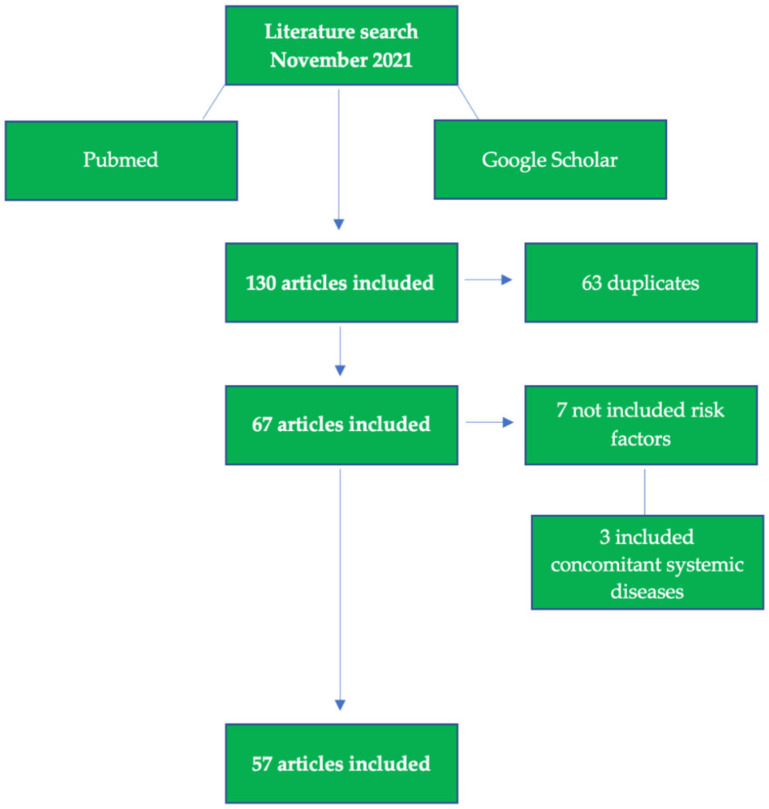
Dental caries is one of the most common diseases-both in adults and children-that occurs due to the demineralization of enamel and dentine by the organic acids formed from bacteria present in dental plaques through anaerobic metabolism of dietary sugars. The aim of this article is to provide a guideline to assess the risk of caries by looking for the main factors involved. Literature research was performed for studies that analyzed the factors most involved in the development of child caries, such as poor oral hygiene, bad eating habits (or food disorders), and an alteration of the oral bacterial flora-with an increase of spp., spp., , , and . It is therefore essential to assess the risk of caries in children, based on the assessment of risk factors, in order to be able to establish preventive and/or therapeutic approaches that will reduce or stop the development of dental caries. The use of fluoride products, products made from casein phosphopeptide-amorphous calcium phosphate, substituted zinc biomimetic hydroxyapatite products, or products containing self-assembling oligopeptide SAP-P-4 are useful. In terms of the clinical approach, a communicative approach should be added to learn about the eating habits and the oral hygiene habits of the child and parents; in addition, the use of a simple method to frame the factors involved, and subsequently establish the risk of carious lesions in the child, allows the reduction of the DMFT (Decayed Missing Filled Teeth) or ICDAS (International Caries Detection and Assessment System) index on large scales.
龋齿是成人和儿童中最常见的疾病之一,它是由牙菌斑中的细菌通过对膳食糖进行无氧代谢形成的有机酸导致牙釉质和牙本质脱矿而引起的。本文旨在通过寻找主要相关因素提供评估龋齿风险的指南。针对分析儿童龋齿发生最相关因素的研究进行了文献检索,这些因素包括口腔卫生差、不良饮食习惯(或饮食紊乱)以及口腔细菌菌群改变——如 spp.、 spp.、 、 及 增加。因此,基于对风险因素的评估来评估儿童龋齿风险至关重要,以便能够制定预防和/或治疗方法来减少或阻止龋齿的发展。使用含氟产品、酪蛋白磷酸肽 - 无定形磷酸钙制成的产品、替代锌仿生羟基磷灰石产品或含有自组装寡肽 SAP - P - 4 的产品都很有用。在临床方法方面,应增加一种沟通方式来了解儿童及其父母的饮食习惯和口腔卫生习惯;此外,使用一种简单方法梳理相关因素,进而确定儿童龋齿病变风险,能够在很大程度上降低龋失补牙数(DMFT)或国际龋病检测与评估系统(ICDAS)指数。