Nakayama Eiko, Kushibiki Toshihiro, Mayumi Yoshine, Azuma Ryuichi, Ishihara Miya, Kiyosawa Tomoharu
Department of Plastic Surgery, National Defense Medical College, Saitama 3598513, Japan.
Department of Medical Engineering, National Defense Medical College, Saitama 3598513, Japan.
Biology (Basel). 2022 Feb 12;11(2):301. doi: 10.3390/biology11020301.
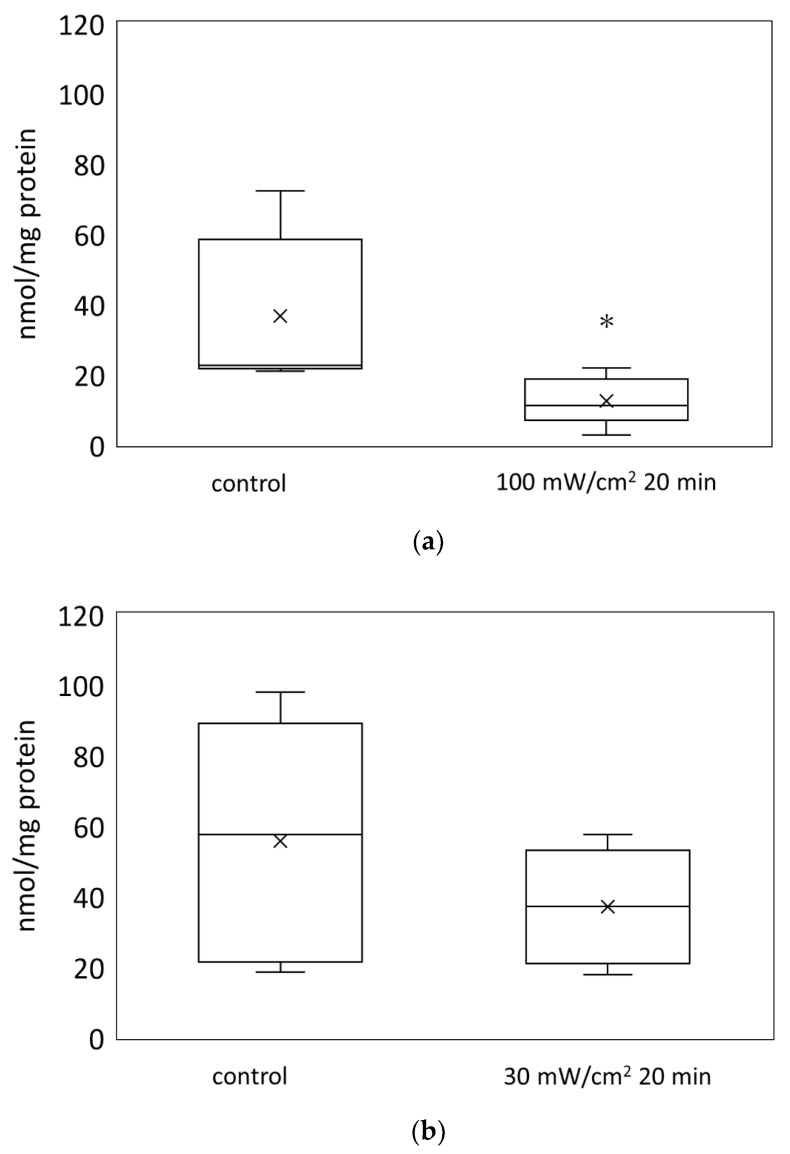
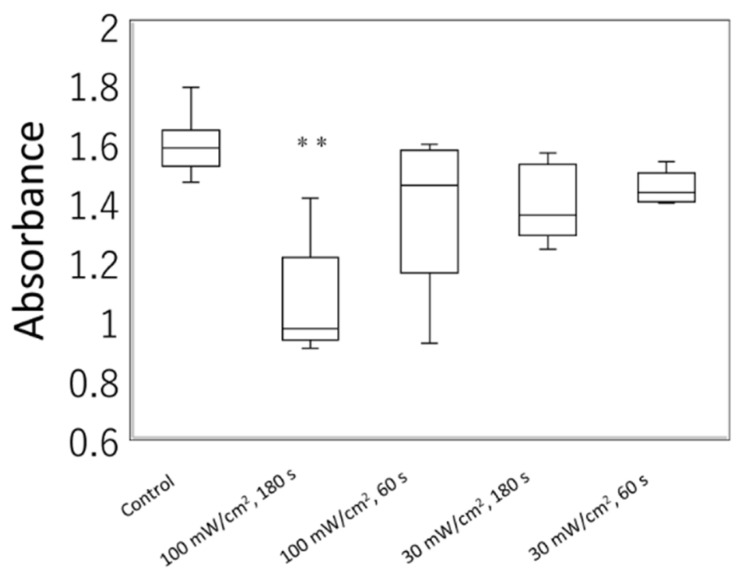
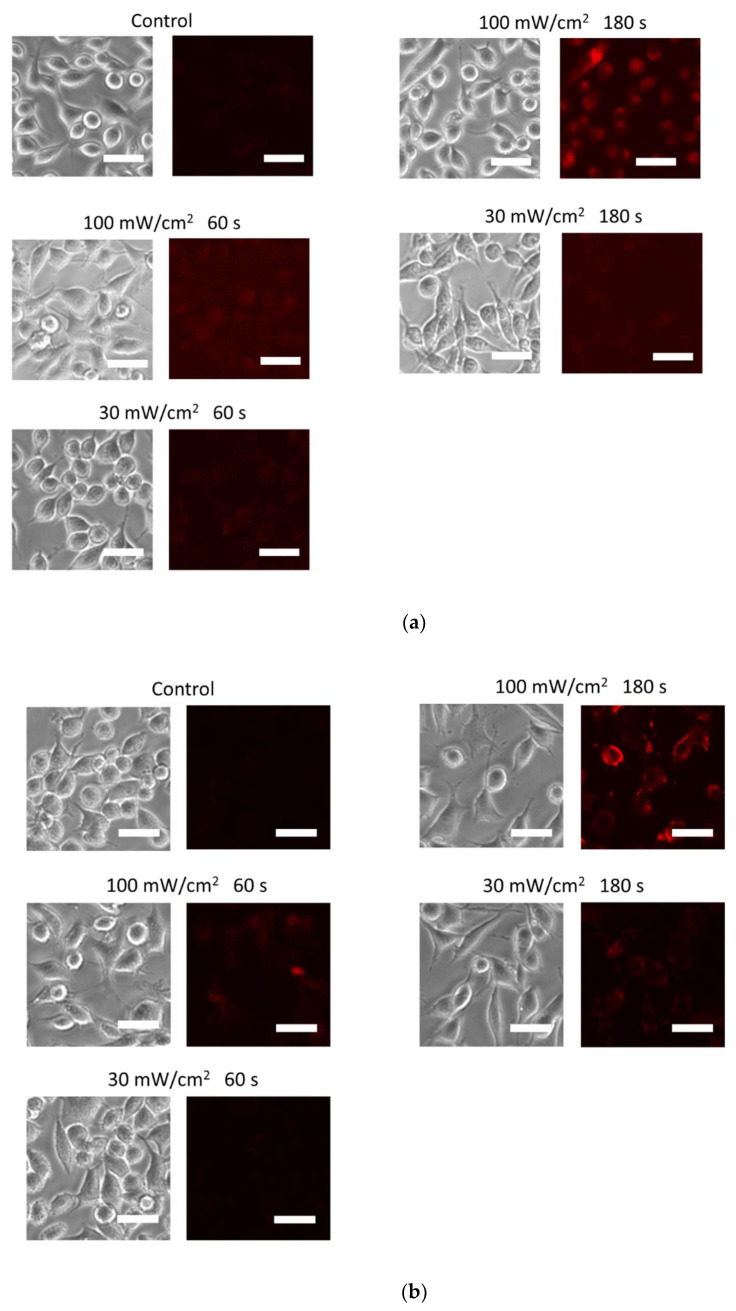
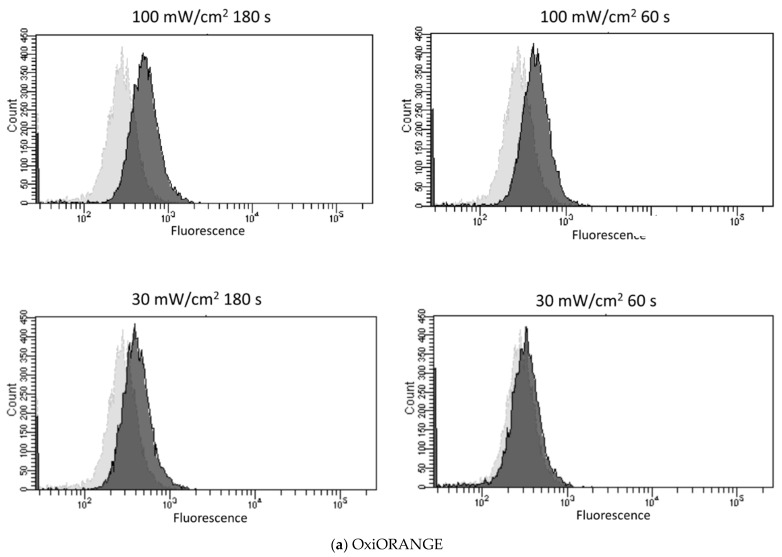
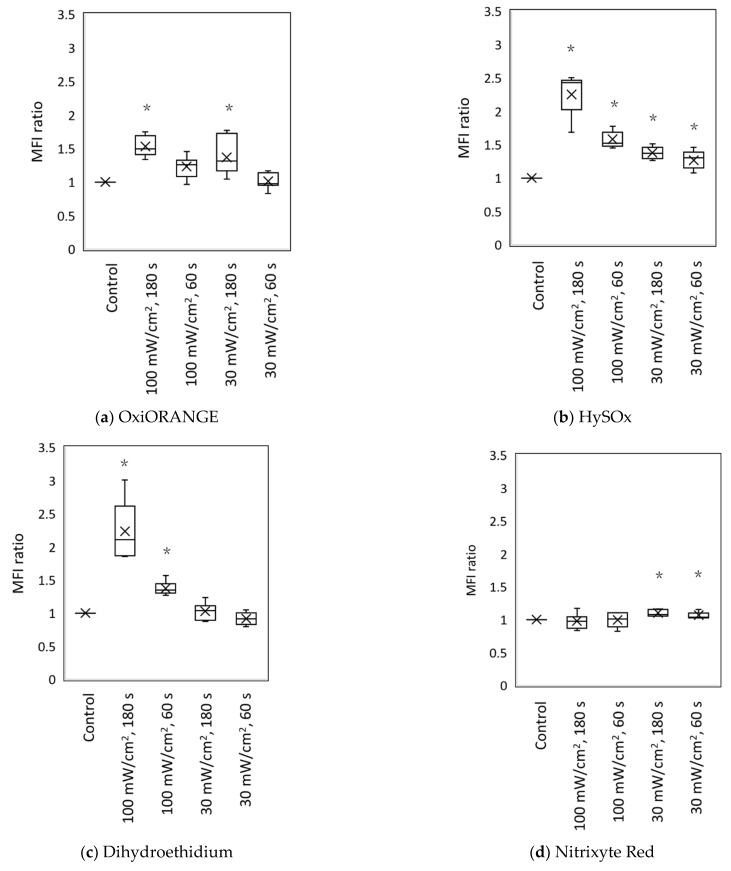
Photobiomodulation studies have reported that blue light irradiation induces the production of reactive oxygen species. We investigated the effect of blue laser (405 nm) irradiation on the ATP levels in mouse skin and determined the types of reactive oxygen species and reactive nitrogen species using cultured mouse fibroblasts. Blue laser irradiation caused a decrease in the ATP level in the mouse skin and triggered the generation of superoxide anion and hypochlorous acid, whereas nitric oxide and peroxynitrite were not detected. Moreover, blue laser irradiation resulted in reduced cell viability. It is believed that the decrease in the skin ATP level due to blue light irradiation results from the increased levels of oxidative stress due to the generation of reactive oxygen species. This method of systematically measuring the levels of reactive oxygen species and reactive nitrogen species may be useful for understanding the effects of irradiation conditions.
光生物调节研究报告称,蓝光照射可诱导活性氧的产生。我们研究了蓝色激光(405nm)照射对小鼠皮肤中ATP水平的影响,并使用培养的小鼠成纤维细胞确定了活性氧和活性氮的类型。蓝色激光照射导致小鼠皮肤中ATP水平降低,并引发超氧阴离子和次氯酸的生成,而未检测到一氧化氮和过氧亚硝酸盐。此外,蓝色激光照射导致细胞活力降低。据信,蓝光照射导致皮肤ATP水平下降是由于活性氧的产生导致氧化应激水平升高所致。这种系统测量活性氧和活性氮水平的方法可能有助于理解照射条件的影响。