Renchinkhand Gereltuya, Magsar Urgamal, Bae Hyoung Churl, Choi Suk-Ho, Nam Myoung Soo
Division of Animal Resource Science, Chungnam National University, Daejeon 34134, Korea.
Department of Animal Biotechnology, Sangji University, Wonju 26339, Korea.
Foods. 2022 Feb 12;11(4):529. doi: 10.3390/foods11040529.
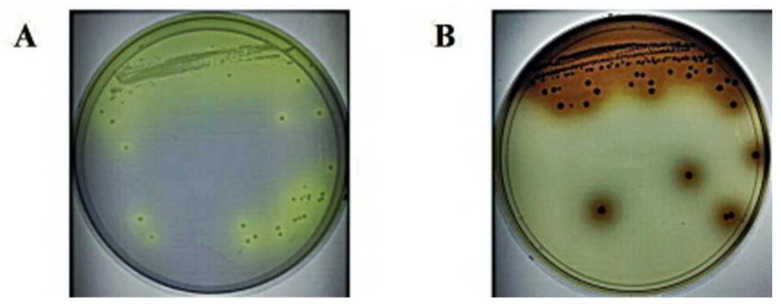
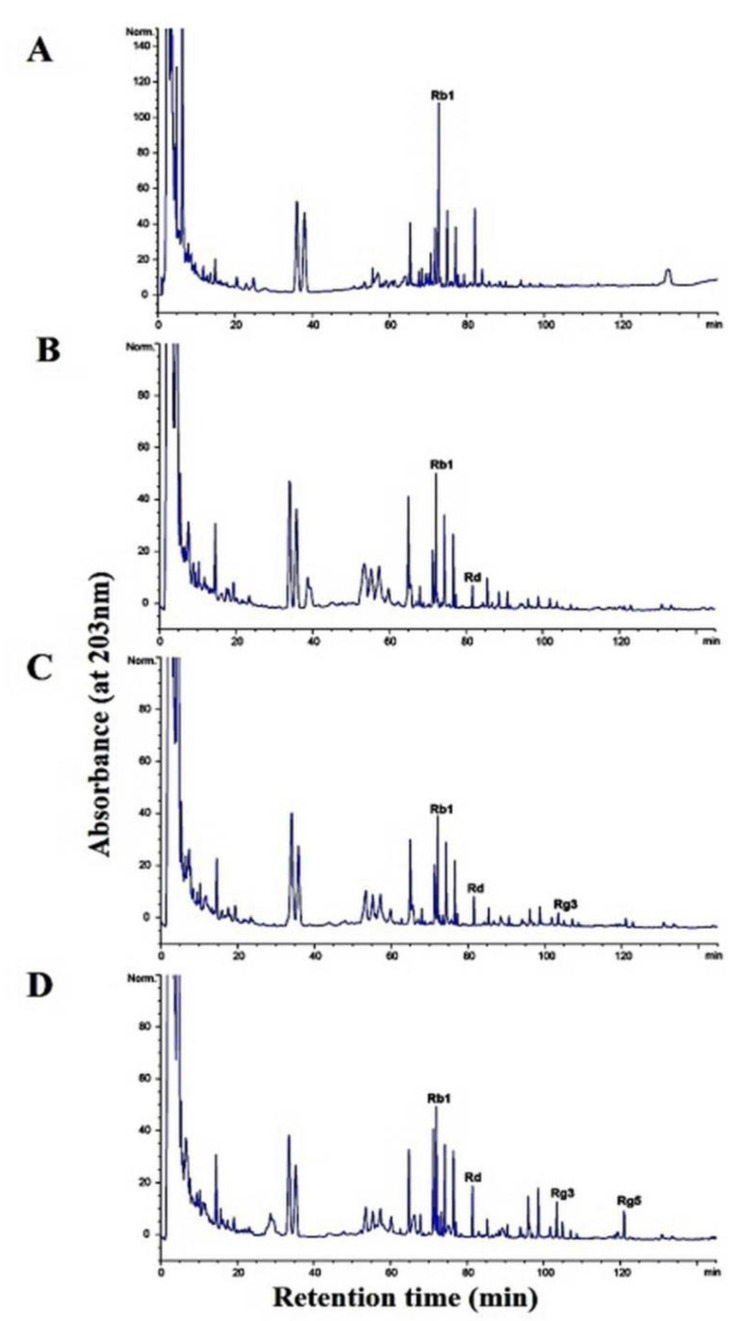
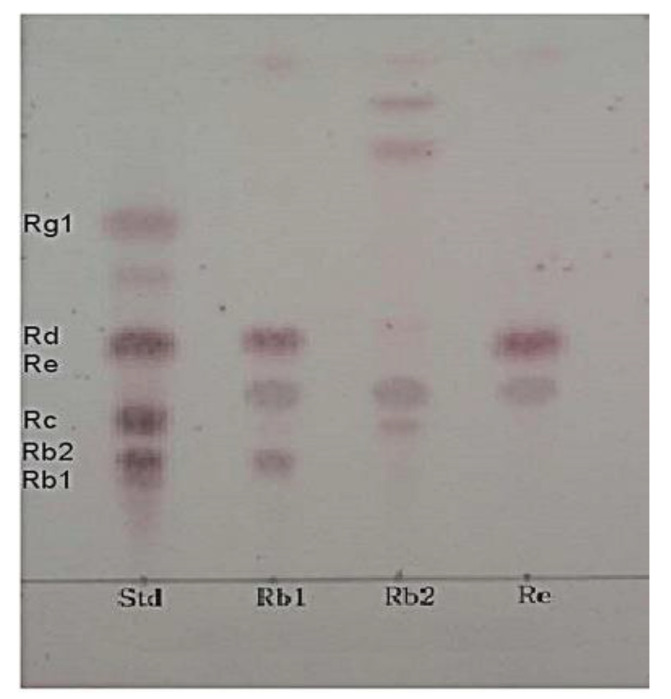
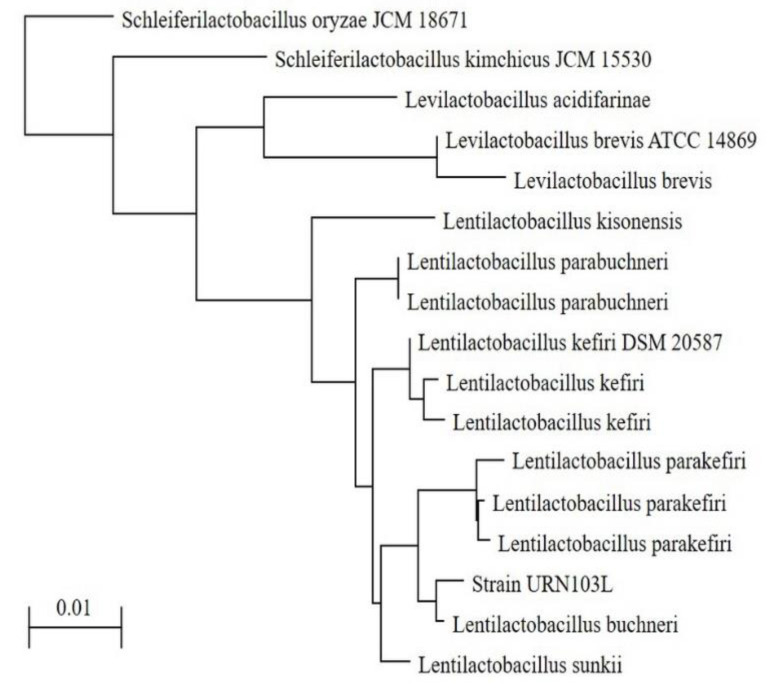
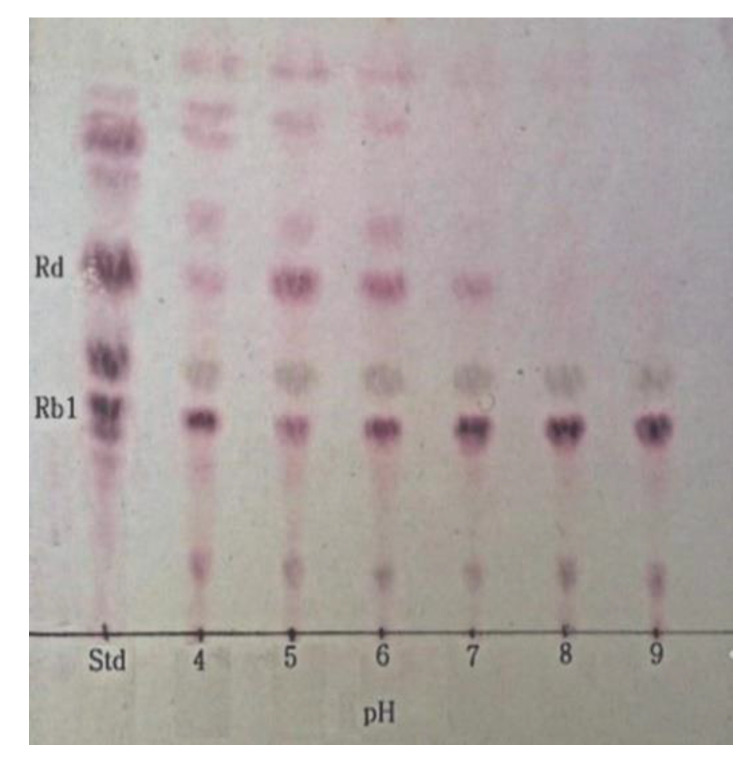
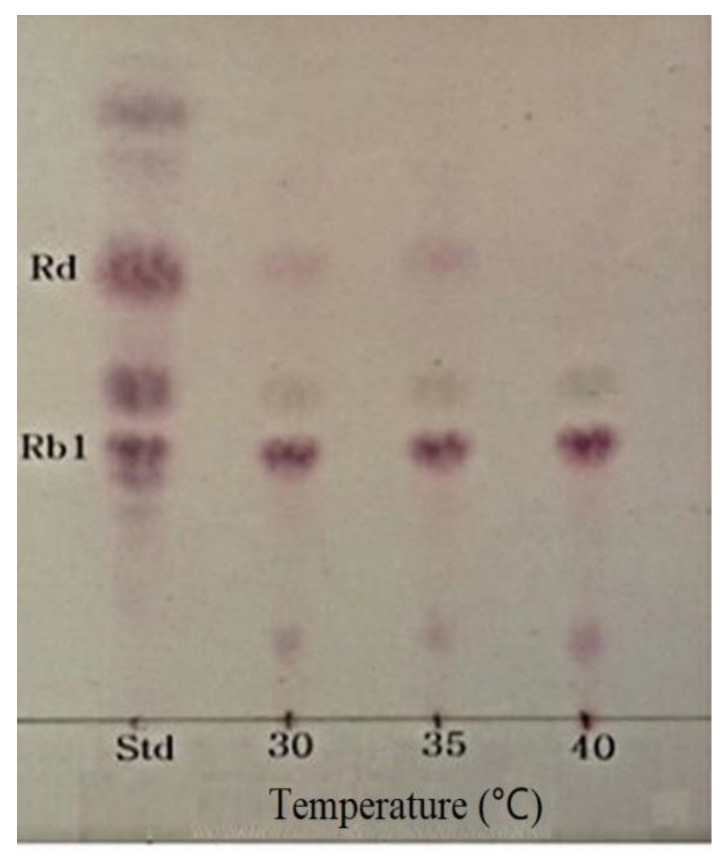
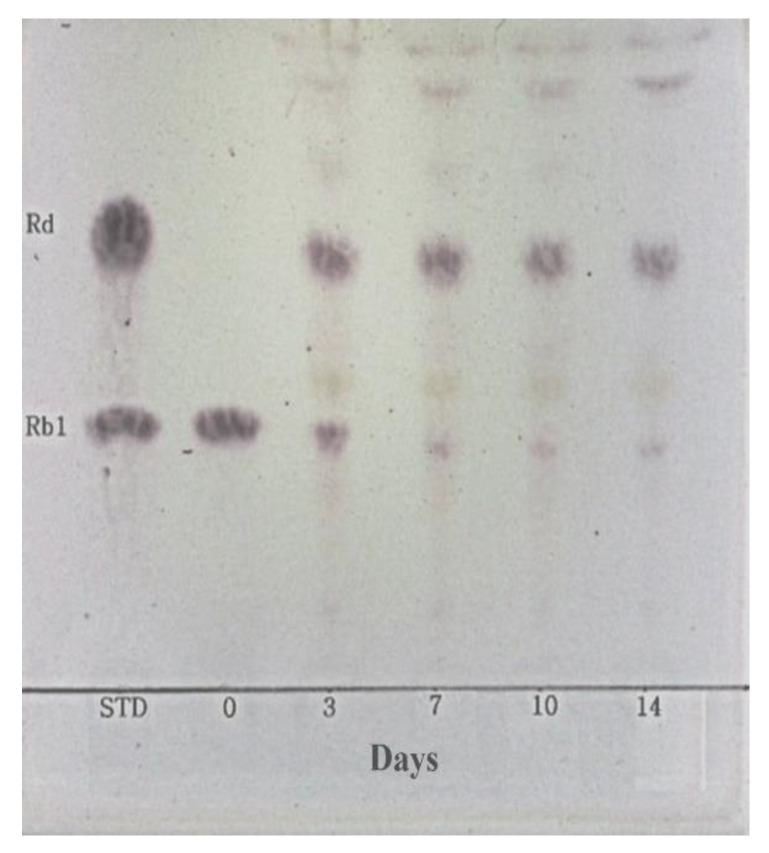
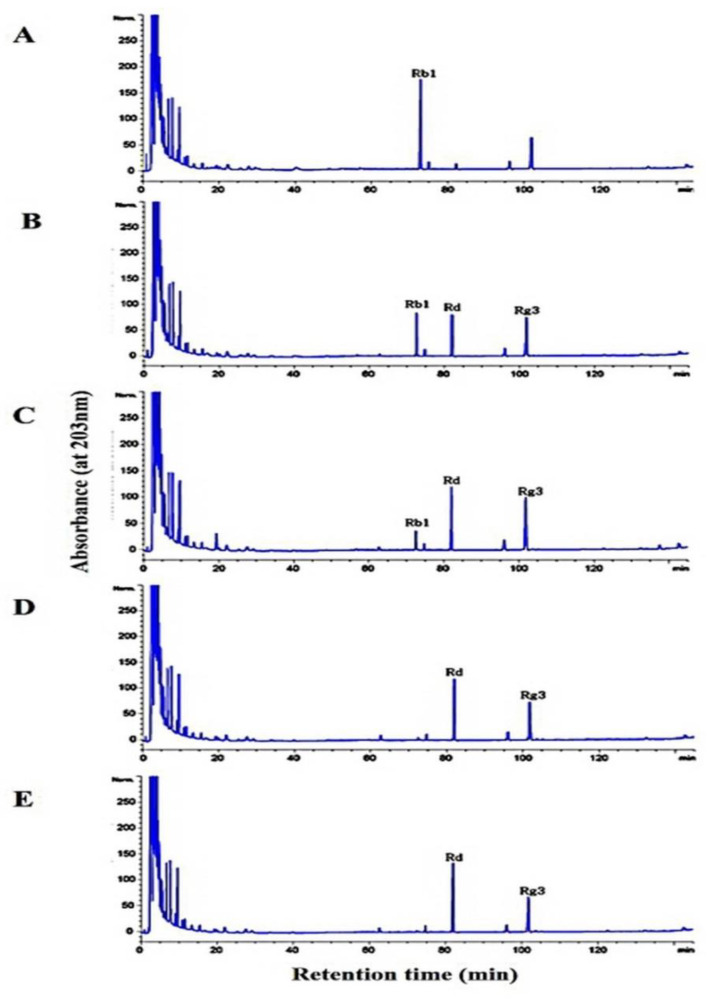
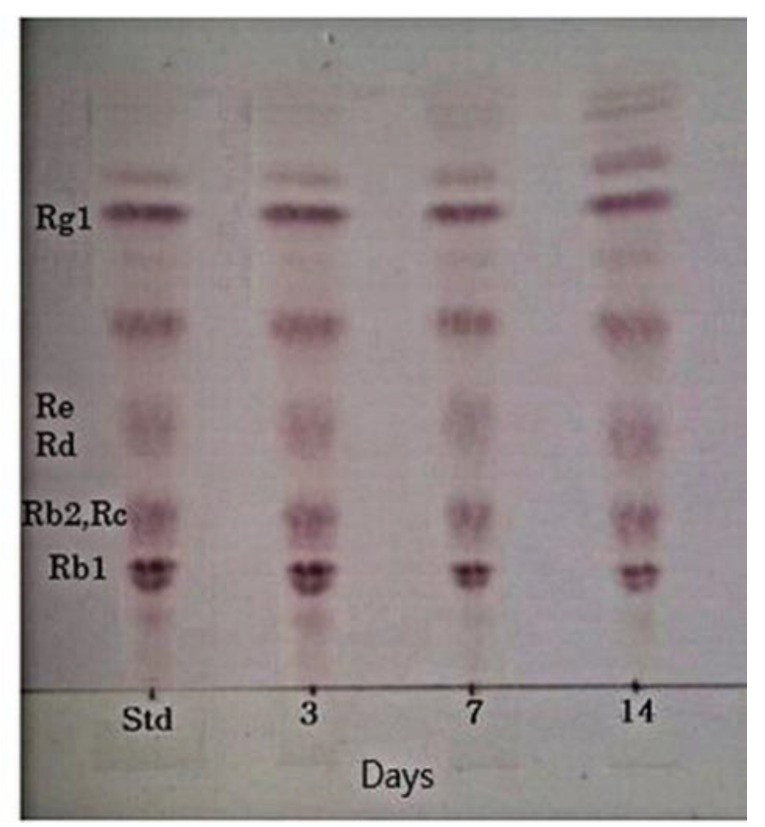
isolated from Korean fermented plant foods produces β-glucosidase, which can hydrolyze ginsenoside Rb1 from Panax ginseng to yield ginsenoside Rd. The aim of this study was to determine the mechanisms underlying the extracellular β-glucosidase activity obtained from URN103L. Among the 17 types of lactic acid bacteria showing positive β-glucosidase activity in the esculin iron agar test, only URN103L was found to exhibit high hydrolytic activity on ginsenoside Rb1. The strain showed 99% homology with NRRLB 30929, whereby it was named URN103L. Supernatants of selected cultures with β-glucosidase activity were examined for hydrolysis of the major ginsenoside Rb1 at 40 °C, pH 5.0. Furthermore, the β-glucosidase activity of this strain showed a distinct ability to hydrolyze major ginsenoside Rb1 into minor ginsenosides Rd and Rg3. URN103L showed higher leucine arylamidase, valine arylamidase, α-galactosidass, β-galactosidase, and β-glucosidase activities than any other strain. We conclude that β-glucosidase from URN103L can effectively hydrolyze ginsenoside Rb1 into Rd and Rg3. The converted ginsenoside can be used in functional foods, yogurts, beverage products, cosmetics, and other health products.
从韩国发酵植物性食品中分离出的菌株可产生β-葡萄糖苷酶,该酶能水解人参中的人参皂苷Rb1生成人参皂苷Rd。本研究的目的是确定从URN103L获得的细胞外β-葡萄糖苷酶活性的潜在机制。在17种在七叶苷铁琼脂试验中显示β-葡萄糖苷酶活性阳性的乳酸菌中,仅发现URN103L对人参皂苷Rb1具有高水解活性。该菌株与NRRLB 30929具有99%的同源性,因此将其命名为URN103L。在40℃、pH 5.0条件下,检测具有β-葡萄糖苷酶活性的选定培养物的上清液对主要人参皂苷Rb1的水解情况。此外,该菌株的β-葡萄糖苷酶活性表现出将主要人参皂苷Rb1水解为次要人参皂苷Rd和Rg3的独特能力。URN103L的亮氨酸芳基酰胺酶、缬氨酸芳基酰胺酶、α-半乳糖苷酶、β-半乳糖苷酶和β-葡萄糖苷酶活性均高于其他任何菌株。我们得出结论,URN103L的β-葡萄糖苷酶可有效将人参皂苷Rb1水解为Rd和Rg3。转化后的人参皂苷可用于功能性食品、酸奶、饮料产品、化妆品及其他保健品中。