Siva Kumar Bathula, Anuragh Singh, Kammala Ananth Kumar, Ilango Kaliappan
Department of Pharmaceutical Chemistry, SRM College of Pharmacy, SRM Institute of Science and Technology, Kattankulathur, Chengalpattu 603203, Tamil Nadu, India.
Department of Pharmacology, SRM College of Pharmacy, SRM Institute of Science and Technology, Kattankulathur, Chengalpattu 603203, Tamil Nadu, India.
Life (Basel). 2022 Feb 20;12(2):315. doi: 10.3390/life12020315.
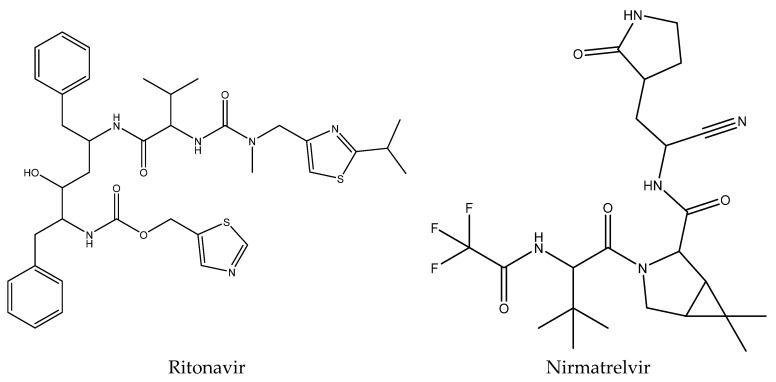
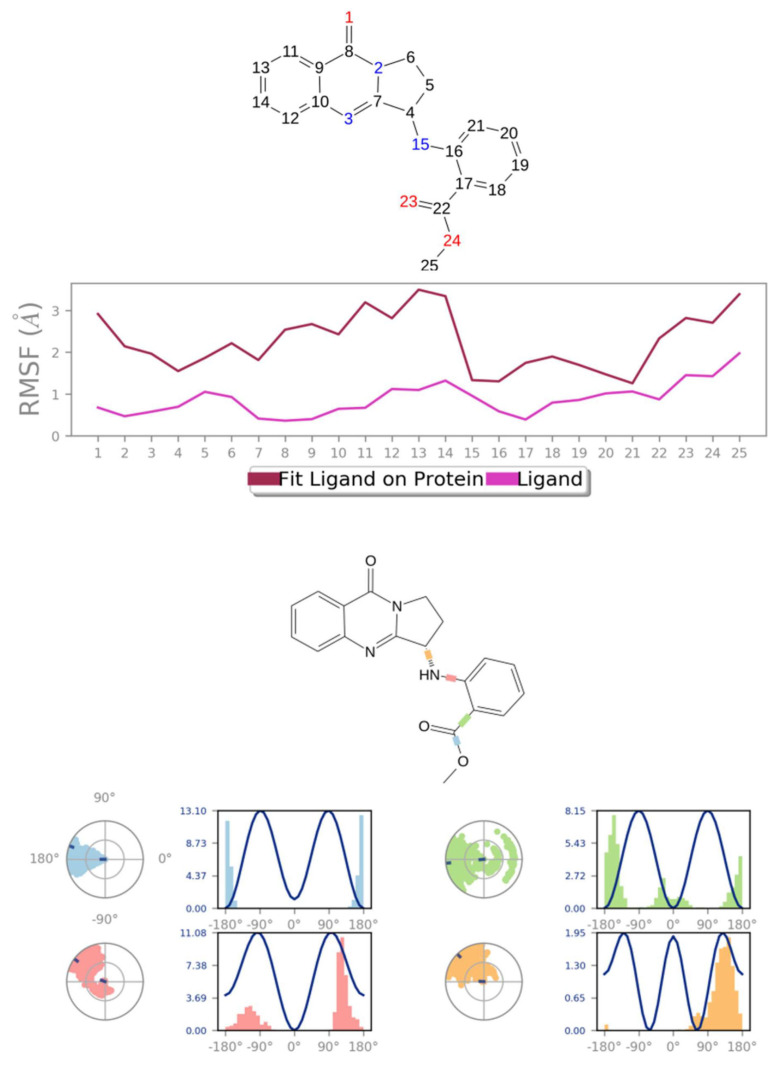
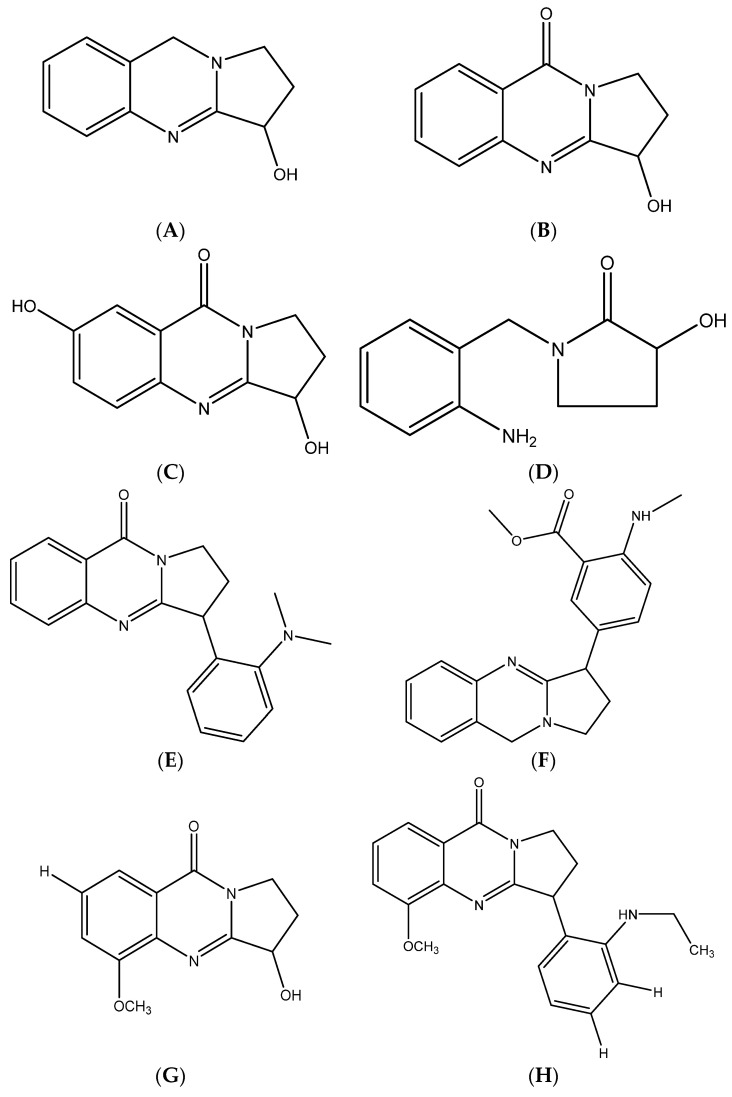
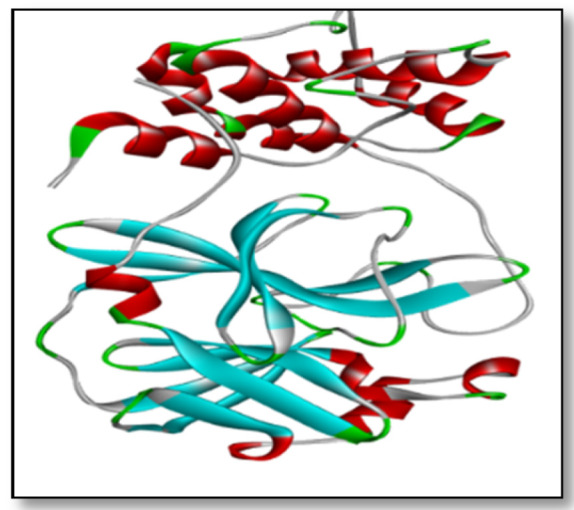
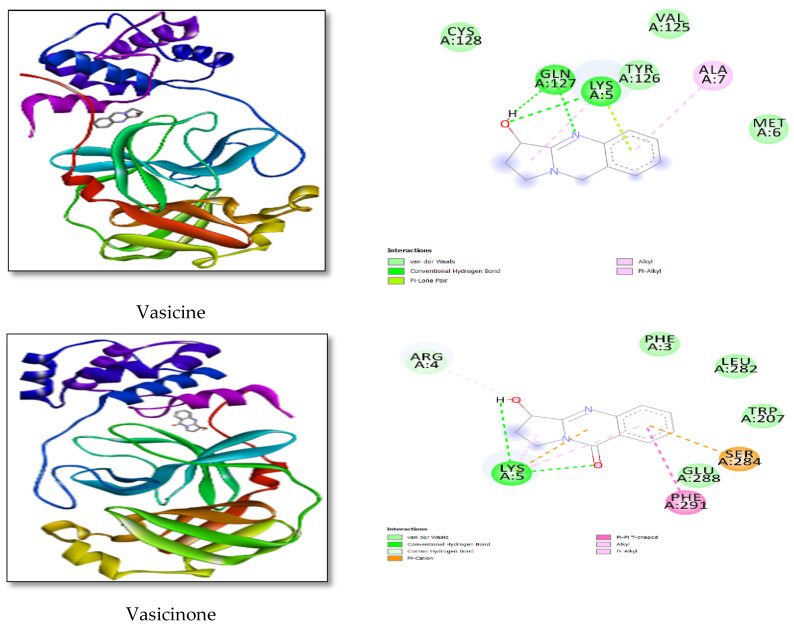
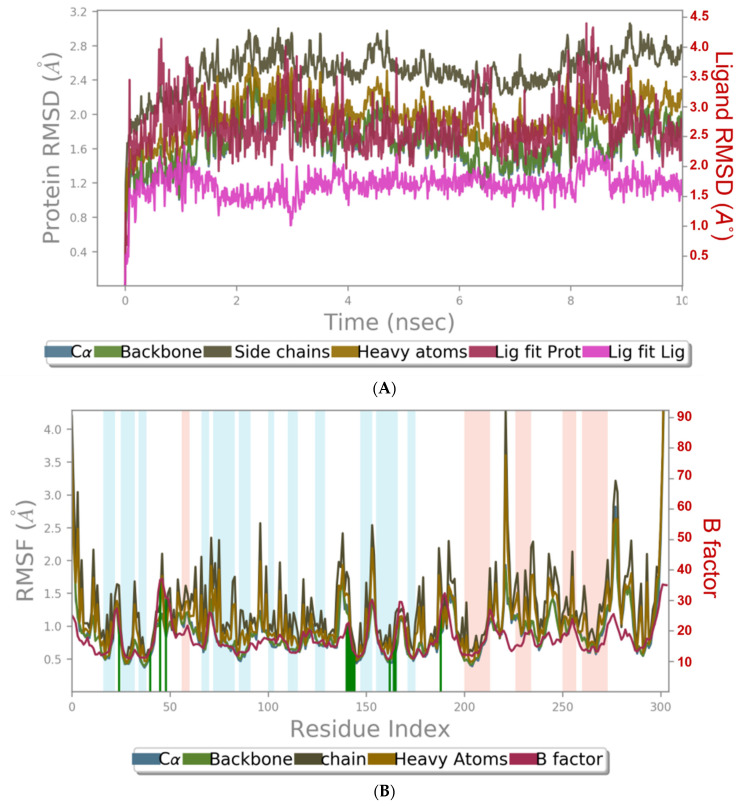
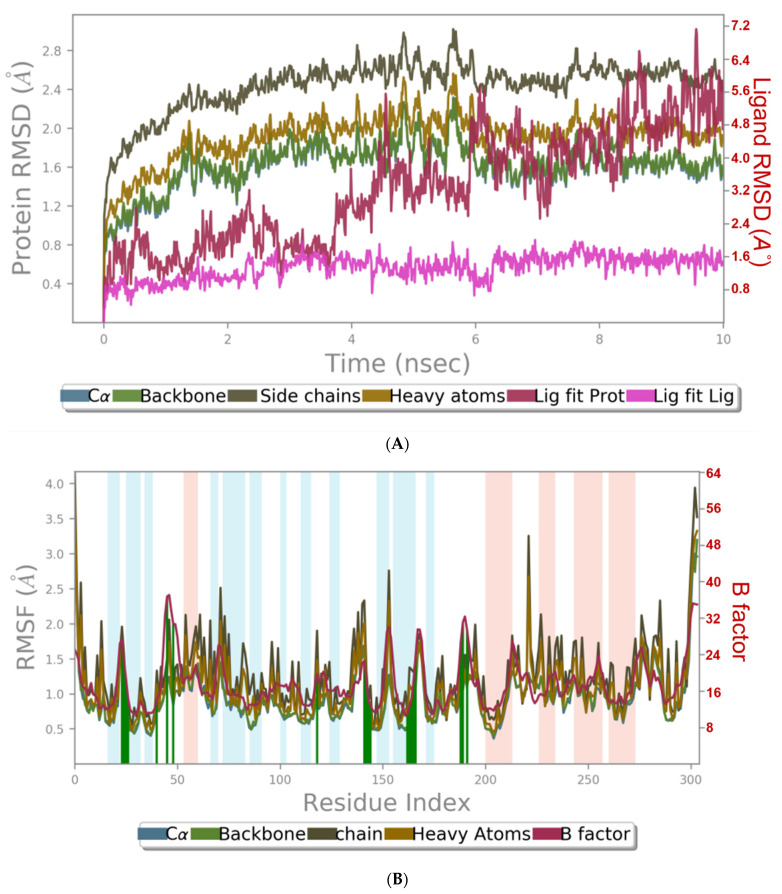
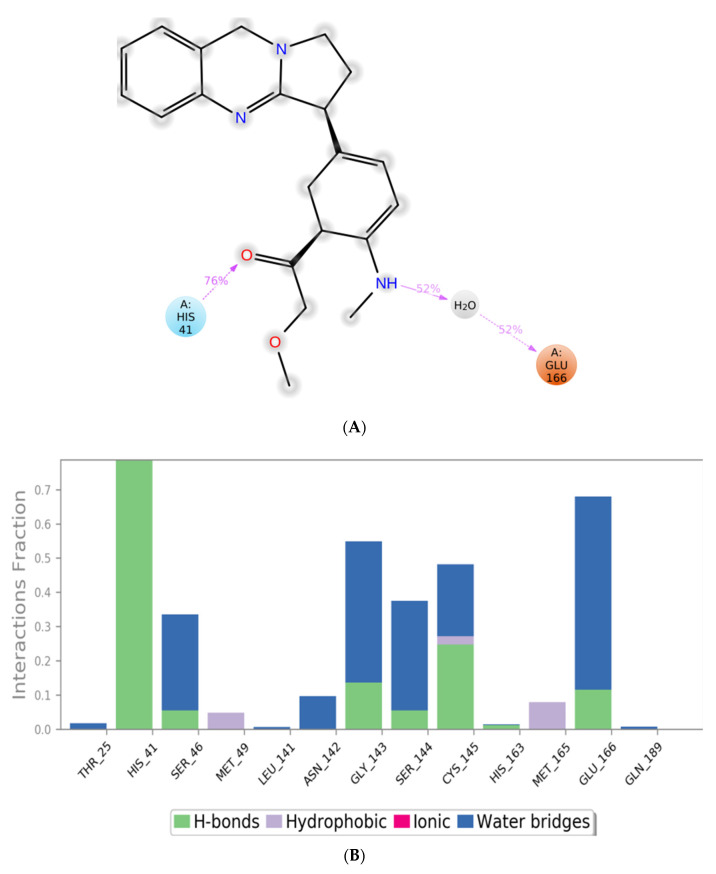
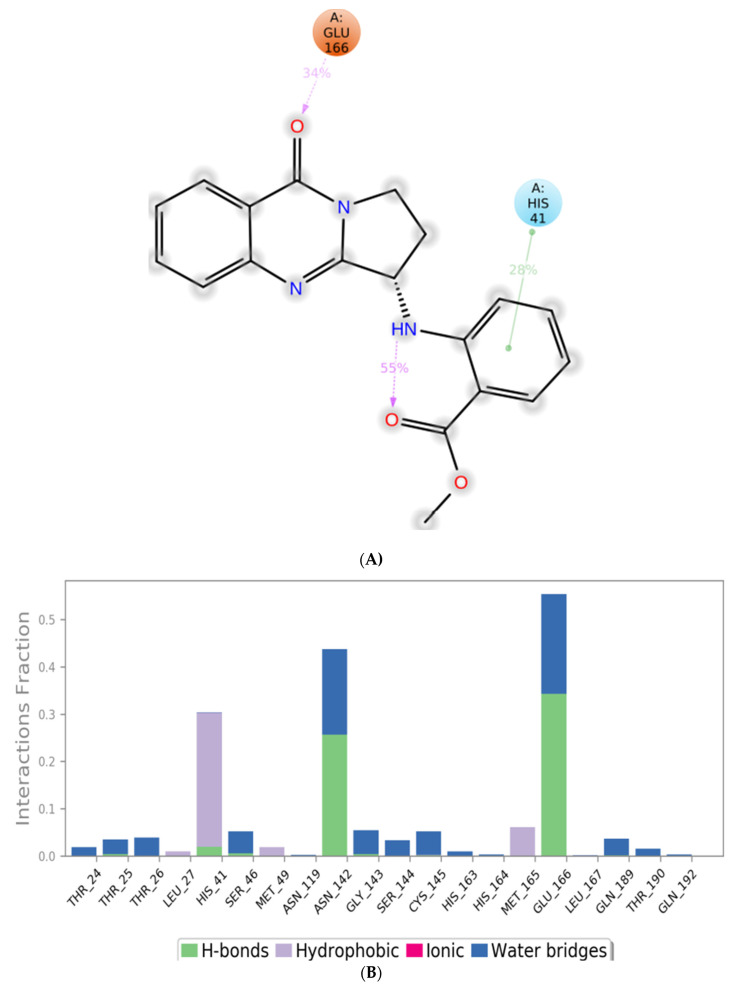
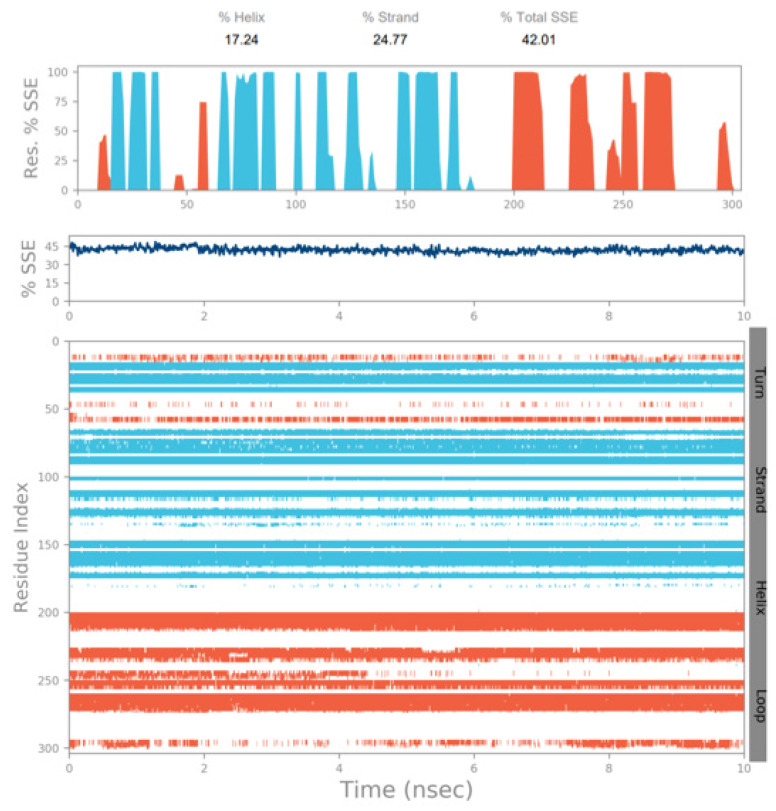
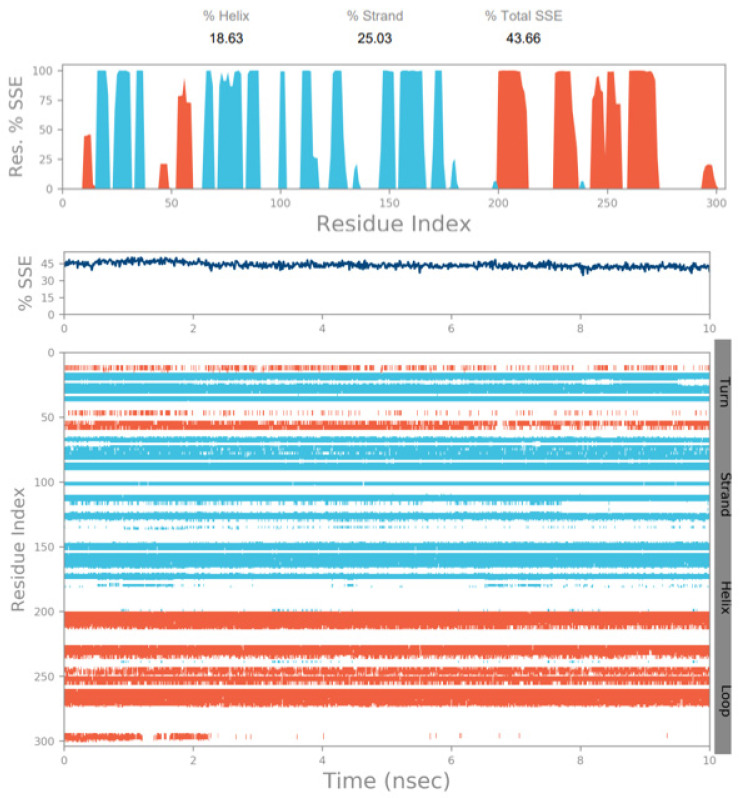
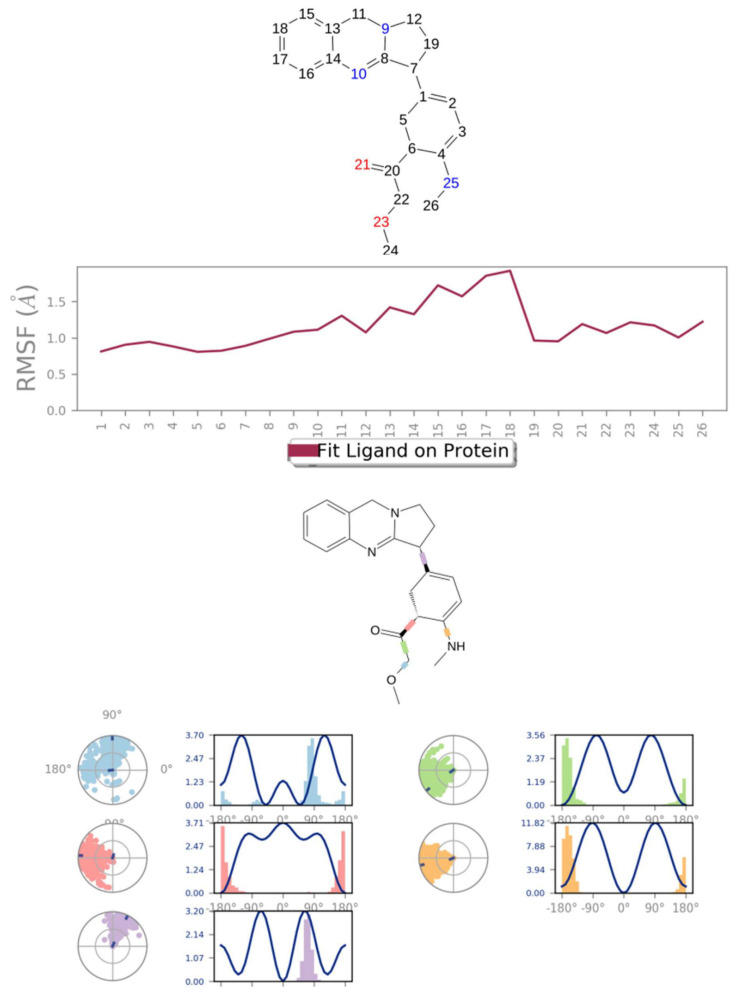
A novel coronavirus (COVID-19) was identified as one of the severe acute respiratory syndrome coronaviruses (SARS-CoV-2) and emerged as a pandemic in 2020. Thus, there is an urgent need to screen and develop an agent to suppress the proliferation of viral particles of SARS-CoV-2, and several drugs have entered clinical trial phases to assess their therapeutic potential. The objective of the present study is to screen phytochemicals against the main viral protease using molecular docking studies. The phytochemicals vasicine, vasicinone, vasicinolone, vasicol, vasicolinone, adhatodine, adhavasicinone, aniflorine, anisotine, vasnetine, and orientin from were selected, and the compounds were docked with various viral protein targets, including specific SARS-CoV-2 main protease (PDBID:6Y84), using AutoDock, Schrodinger, Biovia discovery studio, and virtual screening tools. Adhatodine and vasnetine showed a better binding affinity of -9.60 KJ/mol and -8.78 KJ/mol, respectively. In molecular docking simulations for 10 ns, these compounds illustrated strong hydrogen-bonding interactions with the protein active site and induced a potential conformational change in the ligand-binding site. The results were compared with the antiviral drugs nirmatrelvir and ritonavir. These results suggest that these phytochemicals can be studied as potential inhibitors against SARS-CoV-2 protease and may have an antiviral effect on coronavirus. However, further in vitro and in vivo efficacy activity needs to be investigated for these phytochemicals.
一种新型冠状病毒(COVID-19)被确定为严重急性呼吸综合征冠状病毒之一(SARS-CoV-2),并于2020年演变成一场大流行病。因此,迫切需要筛选和开发一种抑制SARS-CoV-2病毒颗粒增殖的药物,并且几种药物已进入临床试验阶段以评估其治疗潜力。本研究的目的是通过分子对接研究筛选针对主要病毒蛋白酶的植物化学物质。从[具体来源未给出]中选择了植物化学物质鸭嘴花碱、去甲鸭嘴花碱、鸭嘴花醇酮、鸭嘴花酚、去甲鸭嘴花酮碱、鸭嘴花定、去甲鸭嘴花辛酮、异氟林、异喹啉、瓦氏网叶番荔枝碱和荭草素,使用AutoDock、Schrodinger、Biovia Discovery Studio和虚拟筛选工具将这些化合物与各种病毒蛋白靶点进行对接,包括特定的SARS-CoV-2主要蛋白酶(PDBID:6Y84)。鸭嘴花定和瓦氏网叶番荔枝碱分别显示出更好的结合亲和力,为-9.60 KJ/mol和-8.78 KJ/mol。在10纳秒的分子对接模拟中,这些化合物与蛋白质活性位点表现出强烈的氢键相互作用,并在配体结合位点诱导了潜在的构象变化。将结果与抗病毒药物奈玛特韦和利托那韦进行了比较。这些结果表明,这些植物化学物质可作为针对SARS-CoV-2蛋白酶的潜在抑制剂进行研究,并且可能对冠状病毒具有抗病毒作用。然而,这些植物化学物质的进一步体外和体内疗效活性仍需研究。