Department of Laboratory Medicine & Pathobiology, University of Toronto, Toronto, ON, Canada.
Toronto General Hospital Research Institute, University Health Network, Toronto, ON, Canada.
Cardiovasc Diabetol. 2022 Feb 24;21(1):31. doi: 10.1186/s12933-022-01458-z.
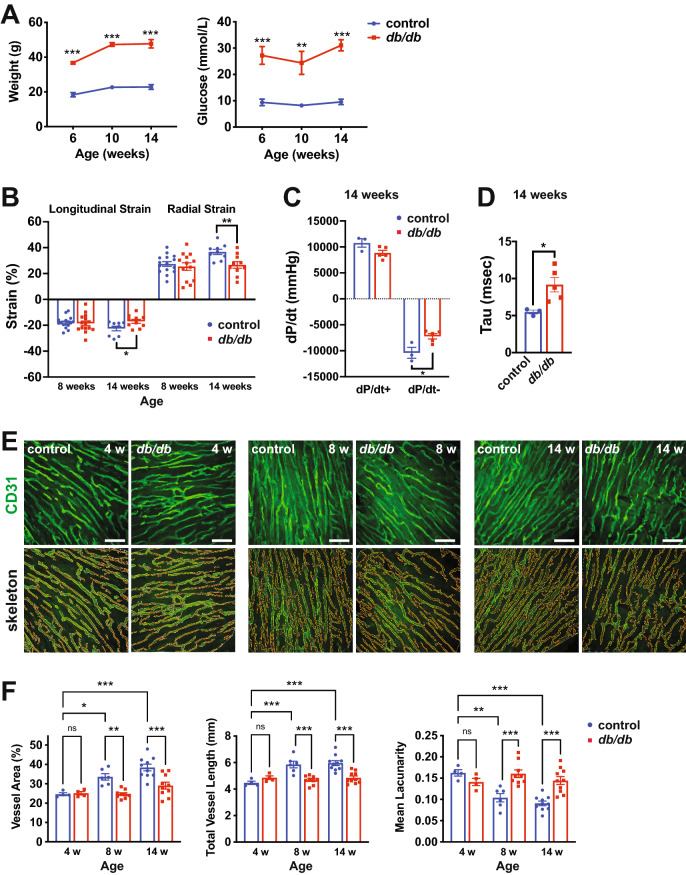
Type 2 diabetes (T2D) is associated with coronary microvascular dysfunction, which is thought to contribute to compromised diastolic function, ultimately culminating in heart failure with preserved ejection fraction (HFpEF). The molecular mechanisms remain incompletely understood, and no early diagnostics are available. We sought to gain insight into biomarkers and potential mechanisms of microvascular dysfunction in obese mouse (db/db) and lean rat (Goto-Kakizaki) pre-clinical models of T2D-associated diastolic dysfunction.
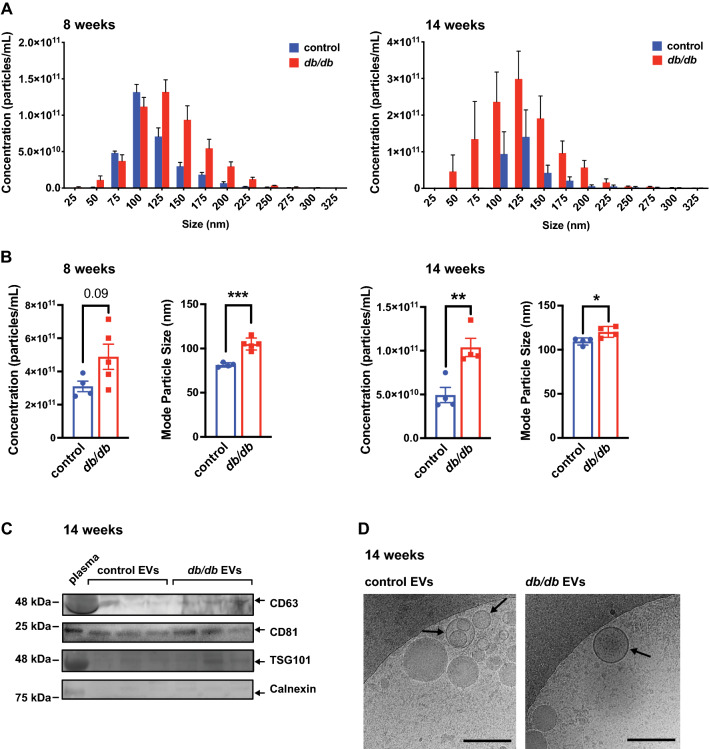
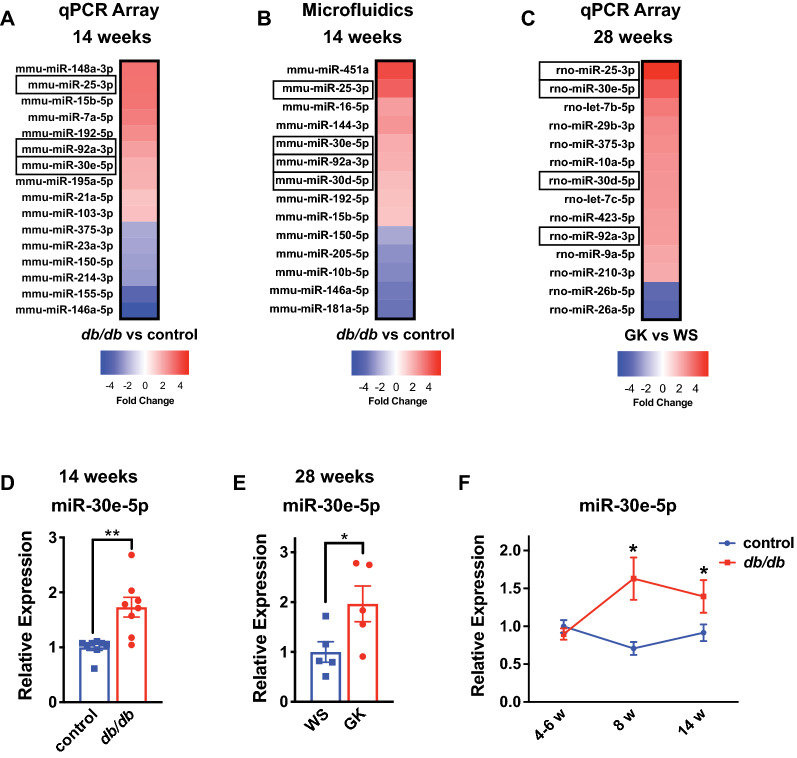
The microRNA (miRNA) content of circulating extracellular vesicles (EVs) was assessed in T2D models to identify biomarkers of coronary microvascular dysfunction/rarefaction. The potential source of circulating EV-encapsulated miRNAs was determined, and the mechanisms of induction and the function of candidate miRNAs were assessed in endothelial cells (ECs).
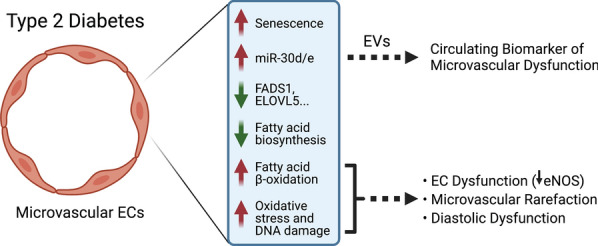
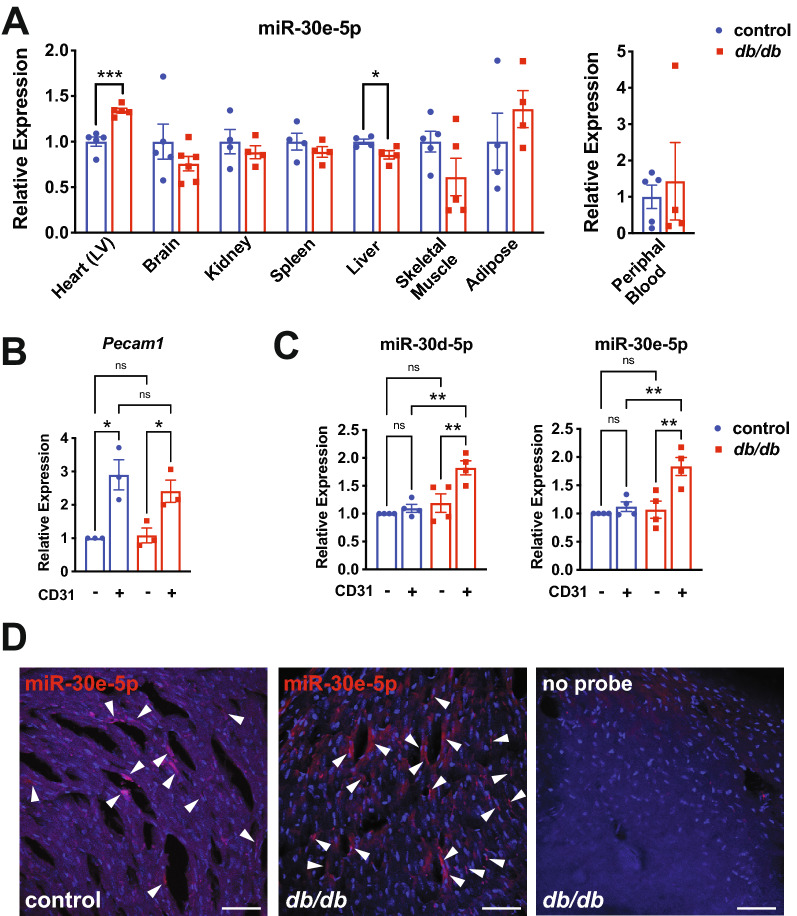
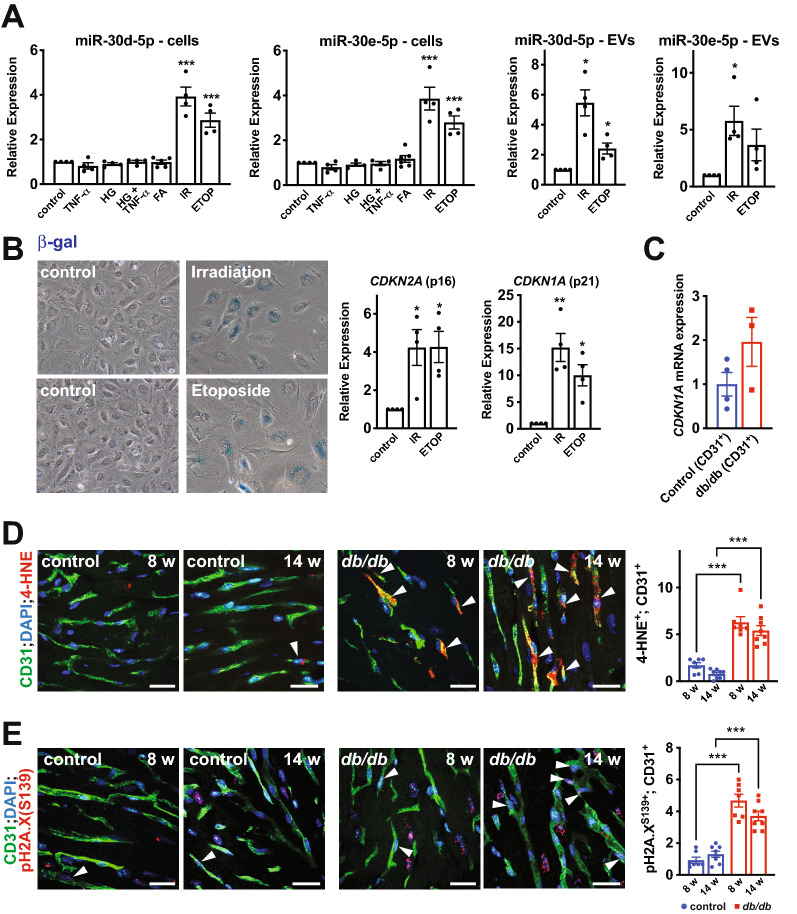
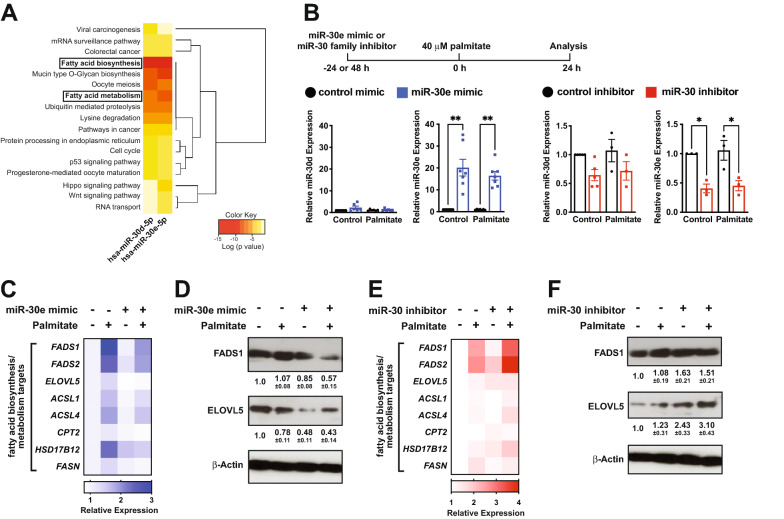
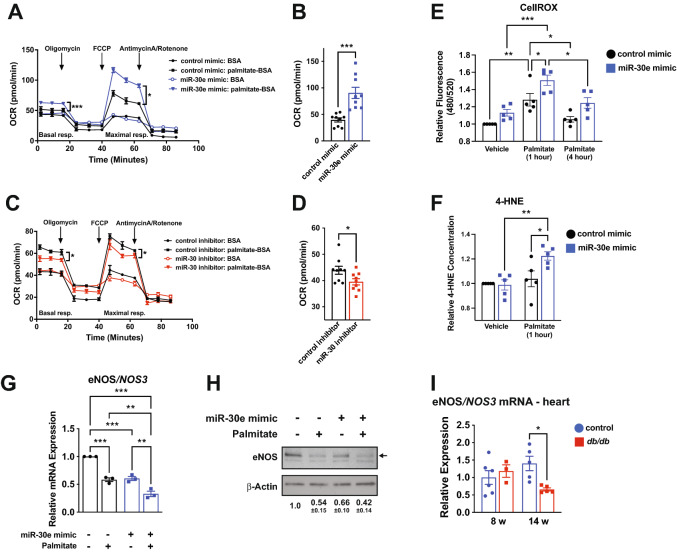
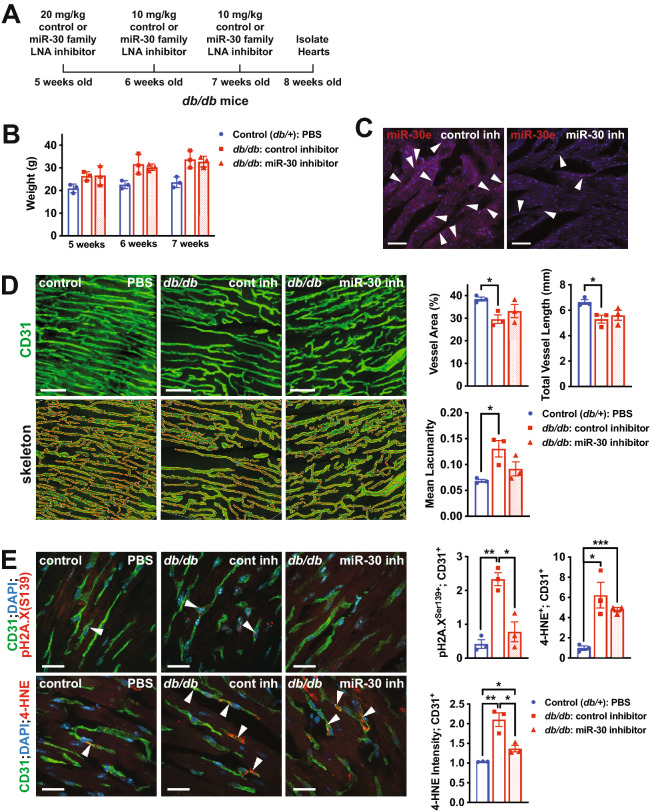
We found an increase in miR-30d-5p and miR-30e-5p in circulating EVs that coincided with indices of coronary microvascular EC dysfunction (i.e., markers of oxidative stress, DNA damage/senescence) and rarefaction, and preceded echocardiographic evidence of diastolic dysfunction. These miRNAs may serve as biomarkers of coronary microvascular dysfunction as they are upregulated in ECs of the left ventricle of the heart, but not other organs, in db/db mice. Furthermore, the miR-30 family is secreted in EVs from senescent ECs in culture, and ECs with senescent-like characteristics are present in the db/db heart. Assessment of miR-30 target pathways revealed a network of genes involved in fatty acid biosynthesis and metabolism. Over-expression of miR-30e in cultured ECs increased fatty acid β-oxidation and the production of reactive oxygen species and lipid peroxidation, while inhibiting the miR-30 family decreased fatty acid β-oxidation. Additionally, miR-30e over-expression synergized with fatty acid exposure to down-regulate the expression of eNOS, a key regulator of microvascular and cardiomyocyte function. Finally, knock-down of the miR-30 family in db/db mice decreased markers of oxidative stress and DNA damage/senescence in the microvascular endothelium.
MiR-30d/e represent early biomarkers and potential therapeutic targets that are indicative of the development of diastolic dysfunction and may reflect altered EC fatty acid metabolism and microvascular dysfunction in the diabetic heart.
2 型糖尿病(T2D)与冠状动脉微血管功能障碍有关,后者被认为是舒张功能受损的原因,最终导致射血分数保留的心力衰竭(HFpEF)。其分子机制尚不完全清楚,也没有早期诊断方法。我们试图深入了解肥胖小鼠(db/db)和瘦大鼠(Goto-Kakizaki)T2D 相关舒张功能障碍临床前模型中微血管功能障碍的生物标志物和潜在机制。
评估 T2D 模型中循环细胞外囊泡(EVs)中的 microRNA(miRNA)含量,以鉴定冠状动脉微血管功能障碍/稀疏的生物标志物。确定循环 EV 包裹 miRNA 的潜在来源,并在血管内皮细胞(ECs)中评估诱导机制和候选 miRNA 的功能。
我们发现循环 EV 中的 miR-30d-5p 和 miR-30e-5p 增加,与冠状动脉微血管 EC 功能障碍(即氧化应激、DNA 损伤/衰老标志物)和稀疏的指数一致,并且早于舒张功能障碍的超声心动图证据。这些 miRNA 可能作为冠状动脉微血管功能障碍的生物标志物,因为它们在 db/db 小鼠心脏的左心室内皮细胞中上调,但在其他器官中没有上调。此外,miR-30 家族在培养的衰老 EC 中以 EV 的形式分泌,并且在 db/db 心脏中存在具有衰老样特征的 EC。对 miR-30 靶通路的评估显示出涉及脂肪酸生物合成和代谢的基因网络。在培养的 EC 中过表达 miR-30e 会增加脂肪酸β氧化和活性氧和脂质过氧化的产生,而抑制 miR-30 家族会减少脂肪酸β氧化。此外,miR-30e 过表达与脂肪酸暴露协同作用,下调微脉管和心肌细胞功能的关键调节因子 eNOS 的表达。最后,在 db/db 小鼠中敲低 miR-30 家族可减少微血管内皮中氧化应激和 DNA 损伤/衰老的标志物。
miR-30d/e 代表早期生物标志物和潜在的治疗靶点,表明舒张功能障碍的发展,可能反映糖尿病心脏中 EC 脂肪酸代谢和微血管功能障碍的改变。