Center for Immunology and Infectious Diseases, Department of Anatomy, Physiology and Cell Biology, School of Veterinary Medicine, University of California Davis, Davis, CA.
Center for Immunology and Infectious Diseases, Department of Anatomy, Physiology and Cell Biology, School of Veterinary Medicine, University of California Davis, Davis, CA
Immunohorizons. 2022 Feb 24;6(2):184-190. doi: 10.4049/immunohorizons.2100069.
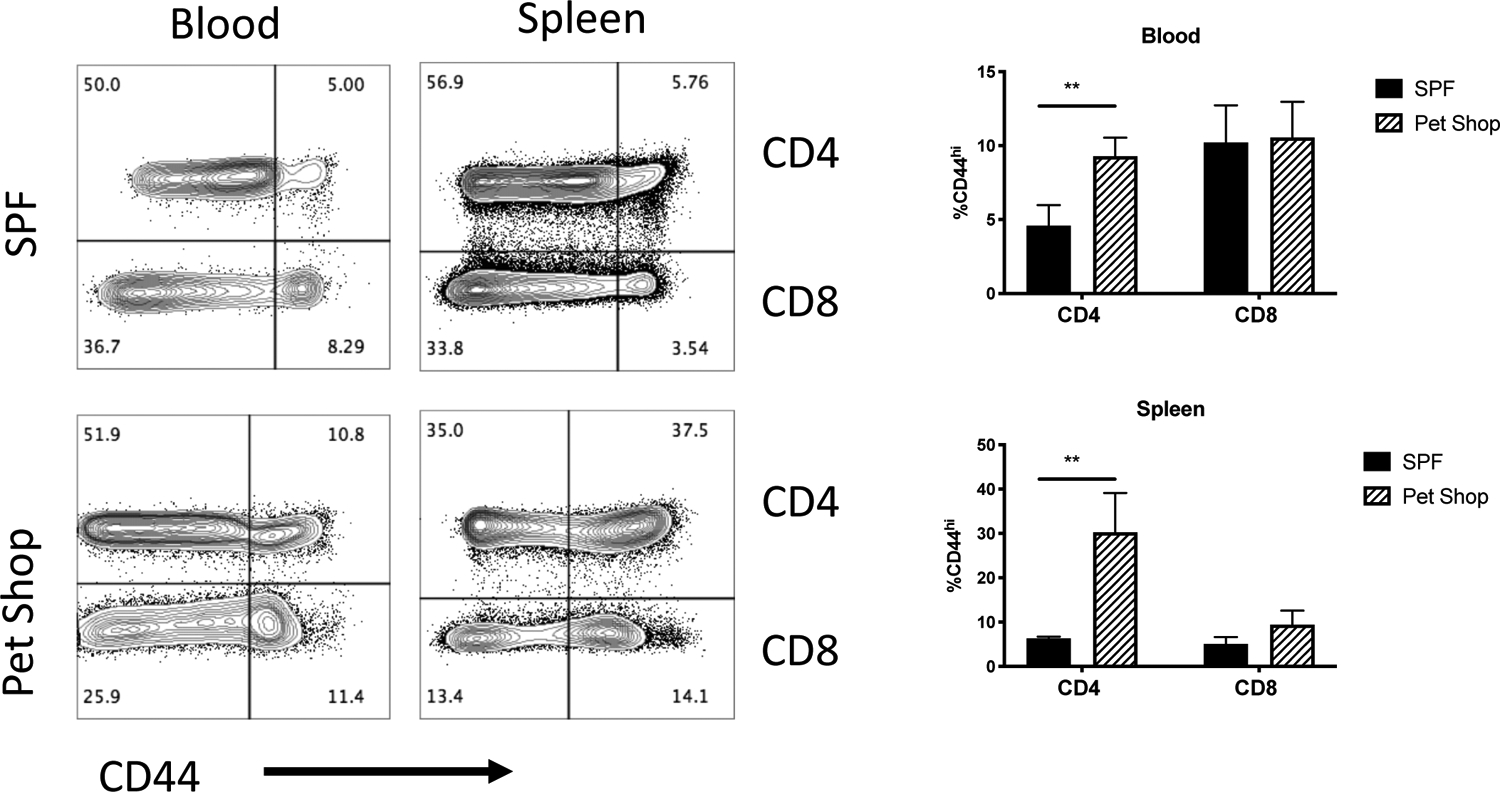
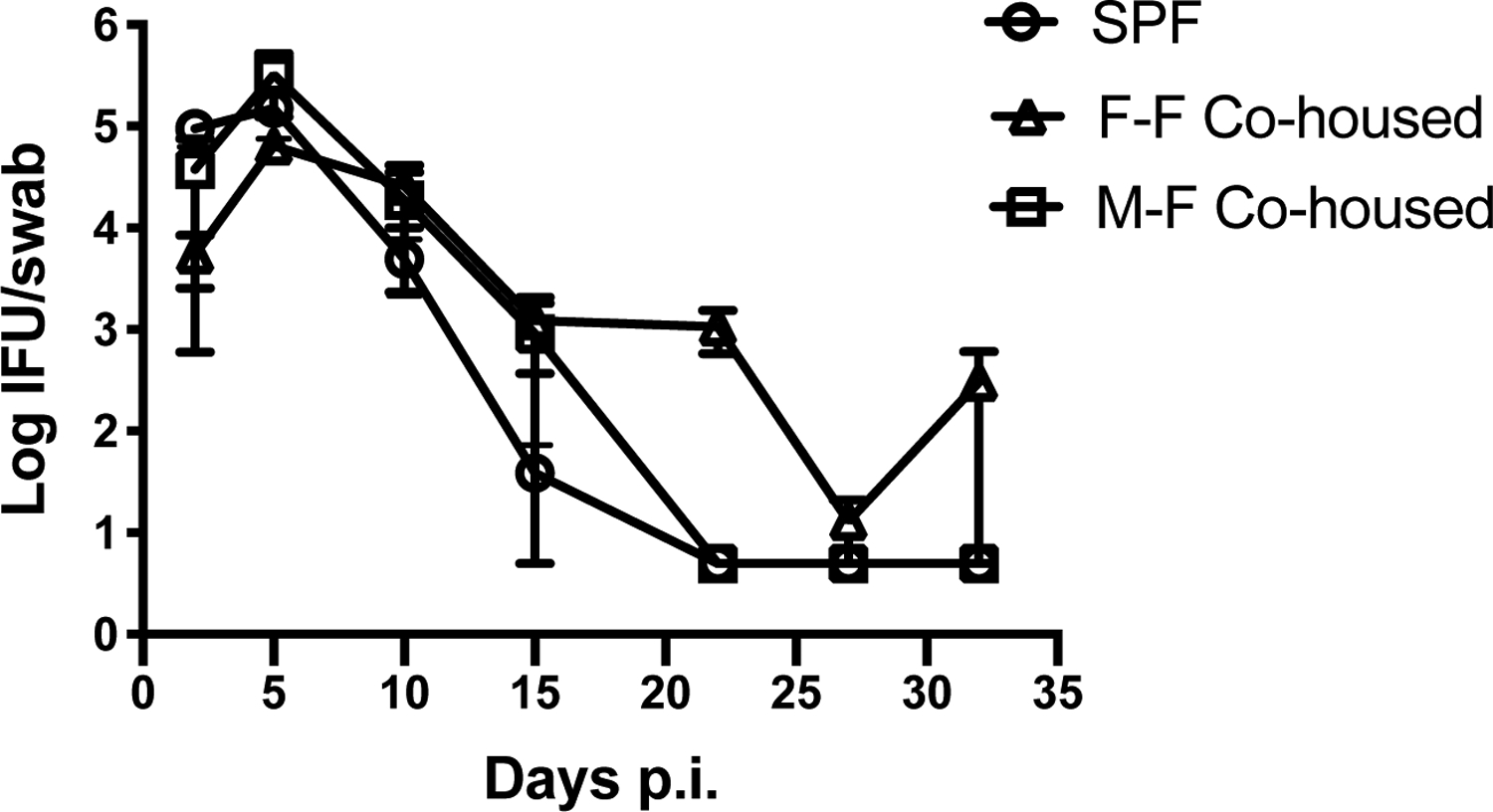
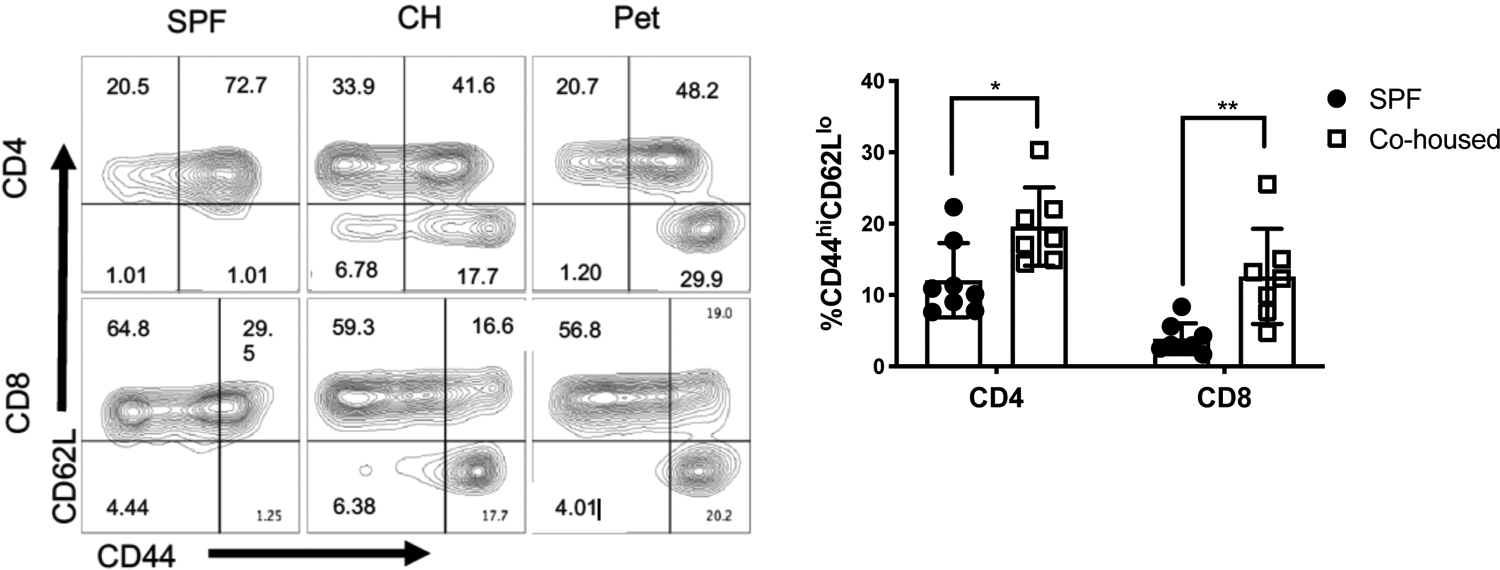
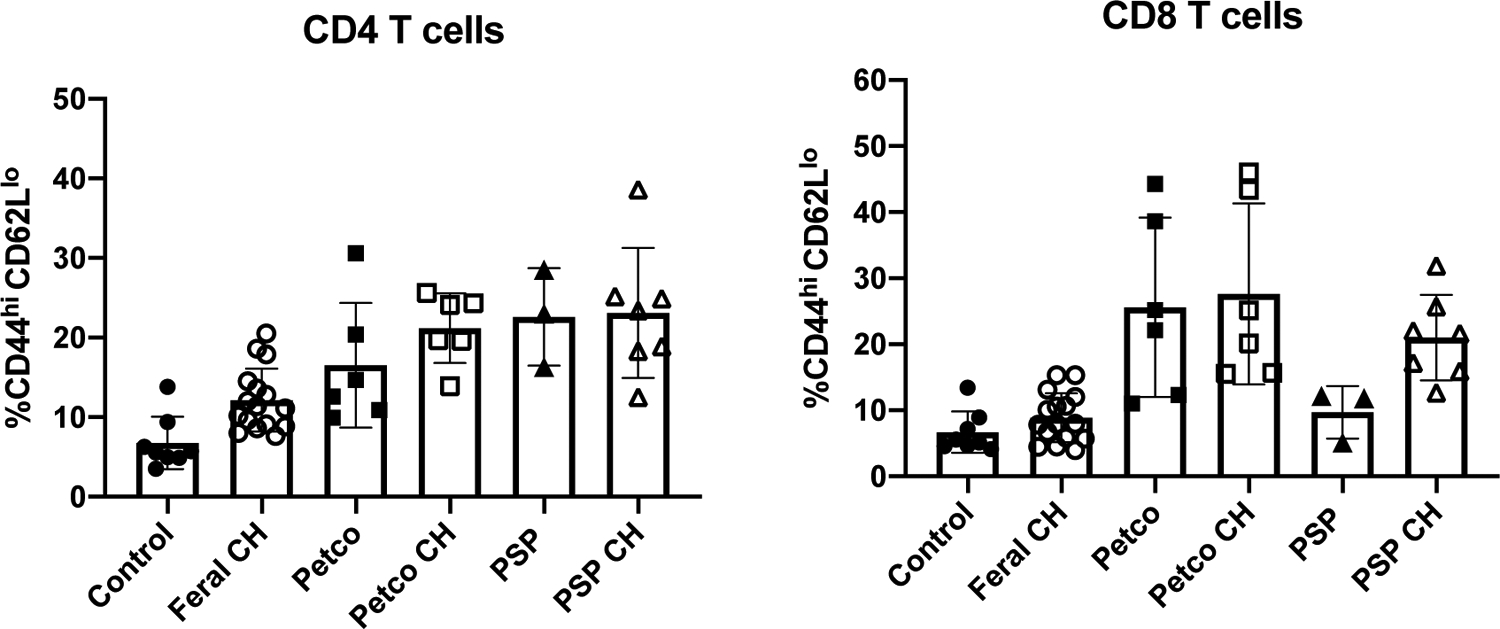
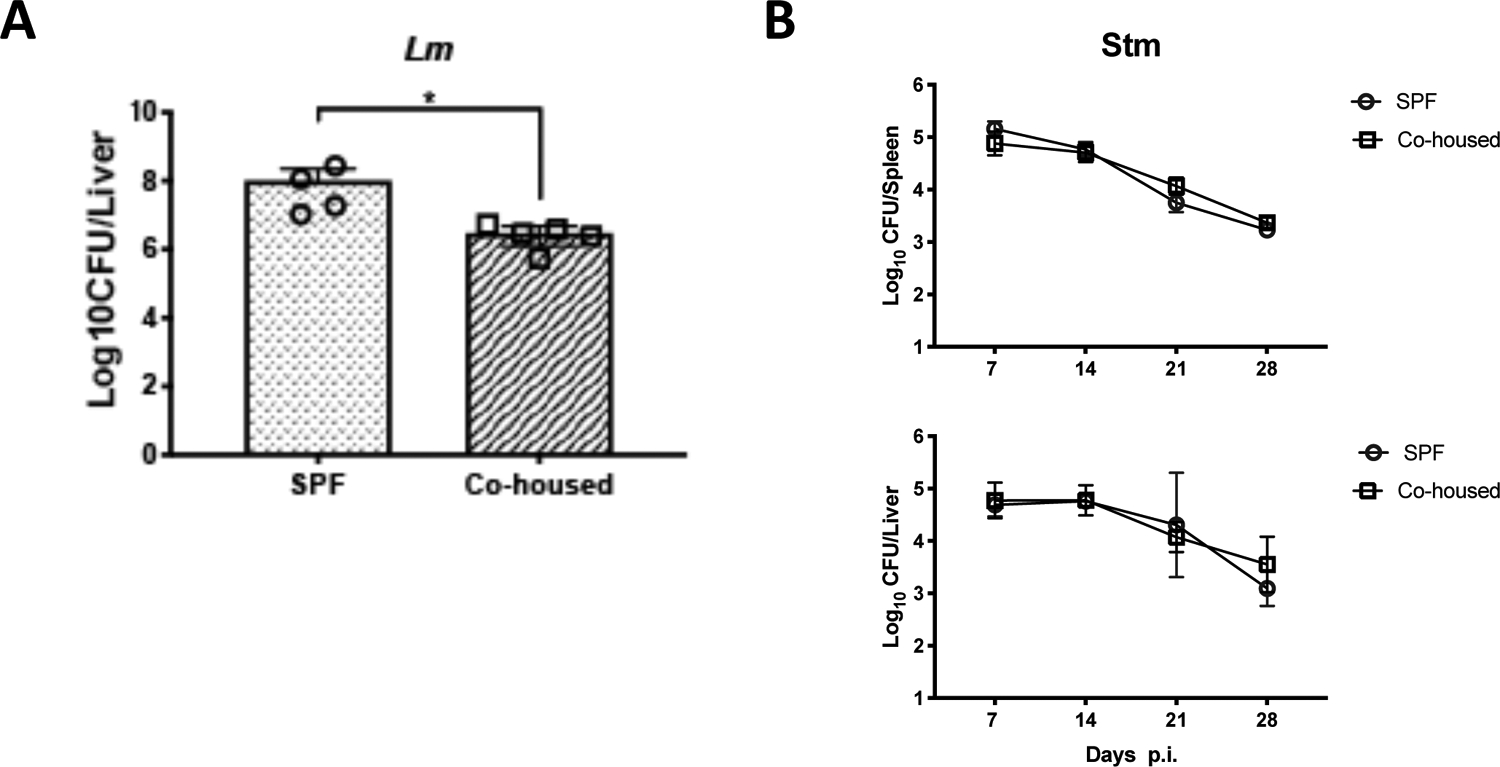
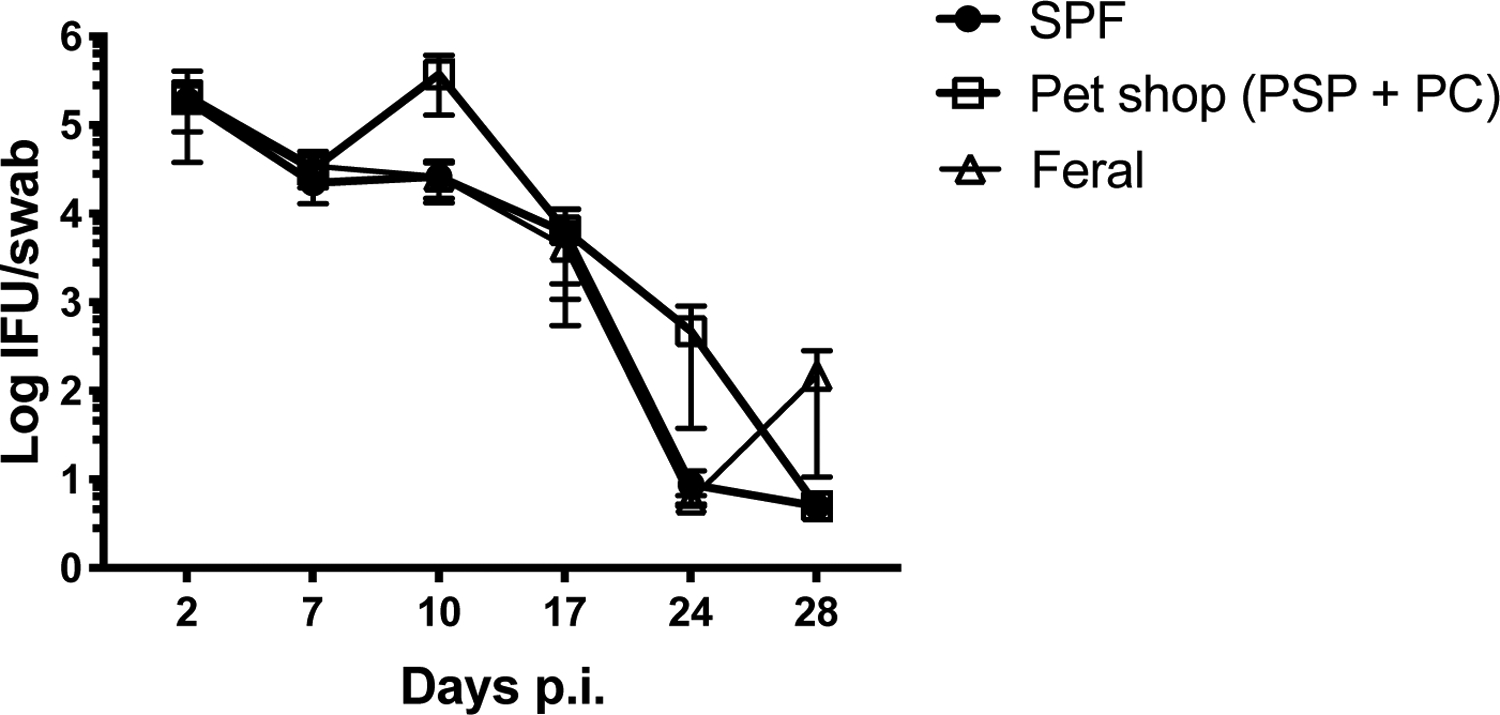
The presence of memory lymphocytes in nonlymphoid tissues reflects prior immunological experience and can provide nonspecific defense against infection. In this study, we used a mouse cohousing approach to examine the effect of prior immunological experience on and infection. As expected, cohousing of "dirty mice" with specific pathogen-free laboratory mice increased the frequency of effector memory T cells in laboratory mice and enhanced protection against systemic infection. In contrast, the course of systemic infection with and mucosal infection with was largely unaffected by cohousing, despite enhanced frequencies of memory T cells. Thus, cohousing of laboratory mice reliably increases the proportion of memory T cells in circulation, but can it have variable effects on pathogen clearance.
记忆性淋巴细胞存在于非淋巴组织中反映了先前的免疫经历,并能提供针对感染的非特异性防御。在这项研究中,我们使用小鼠共笼方法来研究先前的免疫经历对 和 感染的影响。正如预期的那样,将“脏老鼠”与特定病原体无实验室小鼠共笼增加了实验室小鼠效应记忆 T 细胞的频率,并增强了对全身 感染的保护。相比之下,尽管记忆 T 细胞的频率增加,但 与 粘膜感染的全身感染过程基本不受共笼的影响。因此,实验室小鼠的共笼确实会增加循环中记忆 T 细胞的比例,但它对清除病原体的效果可能存在差异。