Department of Pediatrics, University of Virginia, Charlottesville, Virginia, USA.
Department of Pediatrics, University of Virginia, Charlottesville, Virginia, USA
J Immunother Cancer. 2022 Feb;10(2). doi: 10.1136/jitc-2021-003816.
Diffuse intrinsic pontine glioma (DIPG) and glioblastoma (GBM) are two highly aggressive and generally incurable gliomas with little therapeutic advancements made in the past several decades. Despite immense initial success of chimeric antigen receptor (CAR) T cells for the treatment of leukemia and lymphoma, significant headway into the application of CAR-T cells against solid tumors, including gliomas, is still forthcoming. The integrin complex alpha beta (αβ) is present on multiple and diverse solid tumor types and tumor vasculature with limited expression throughout most normal tissues, qualifying it as an appealing target for CAR-T cell-mediated immunotherapy.
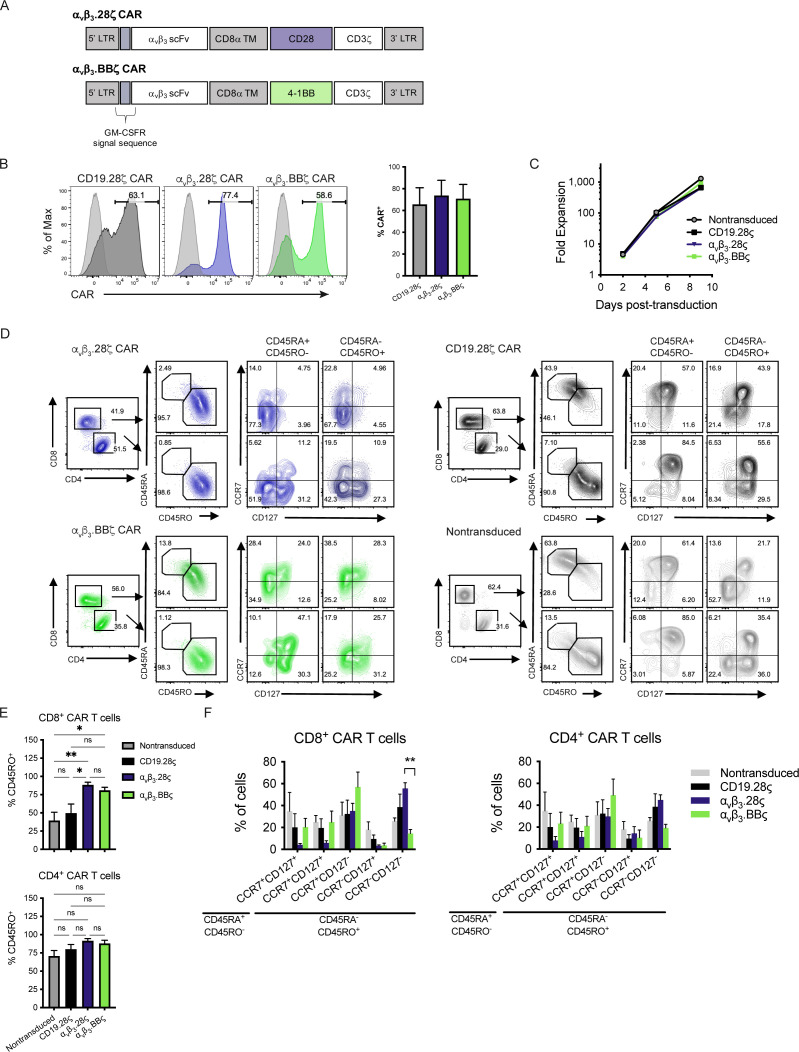
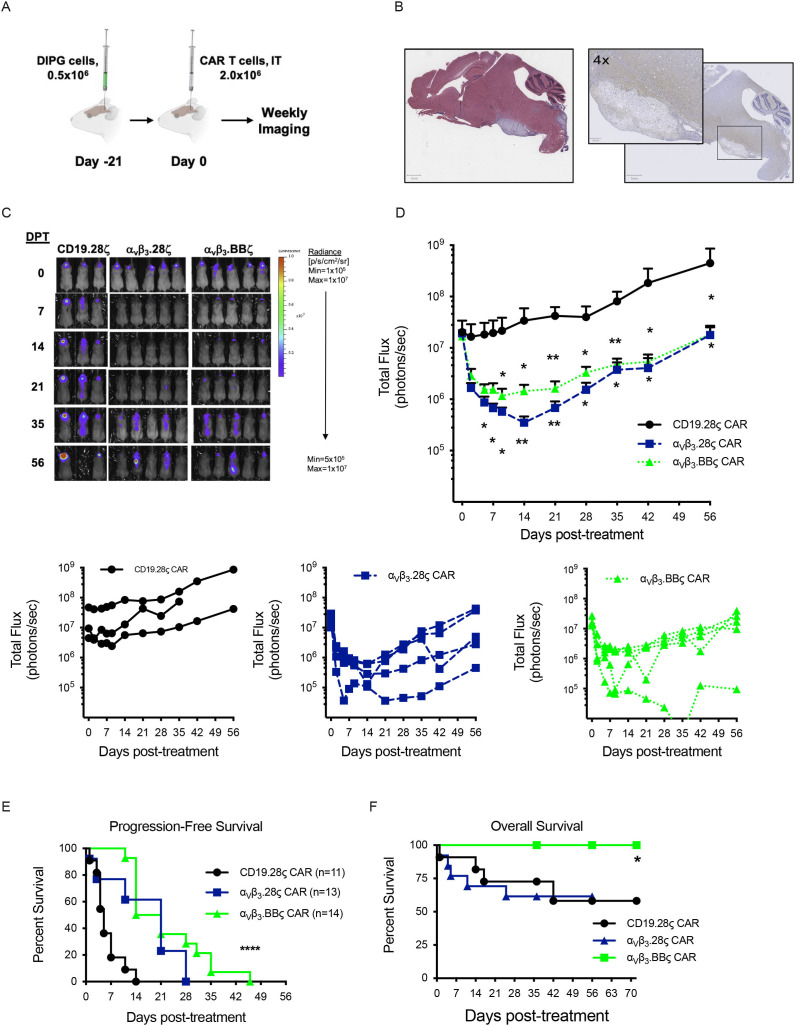
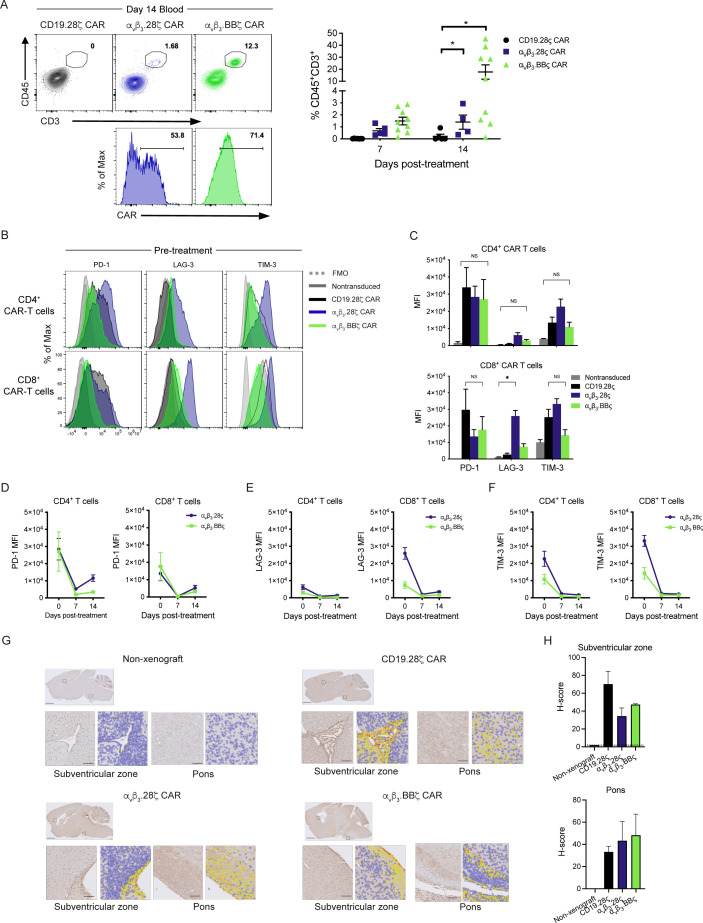
Patient-derived DIPG and GBM cell lines were evaluated by flow cytometry for surface expression of αβ. Second-generation CAR-T cells expressing an anti-αβ single-chain variable fragment were generated by retroviral transduction containing either a CD28 or 4-1BB costimulatory domain and CD3zeta. CAR-T cells were evaluated by flow cytometry for CAR expression, memory phenotype distribution, and inhibitory receptor profile. DIPG and GBM cell lines were orthotopically implanted into NSG mice via stereotactic injection and monitored with bioluminescent imaging to evaluate αβ CAR-T cell-mediated antitumor responses.
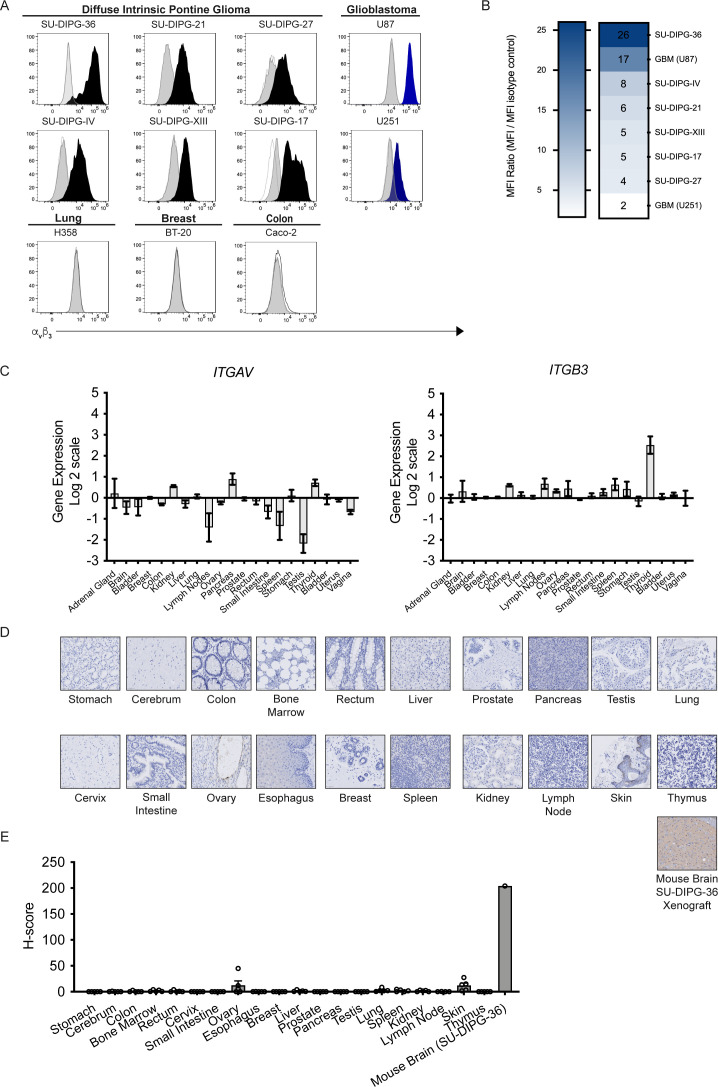
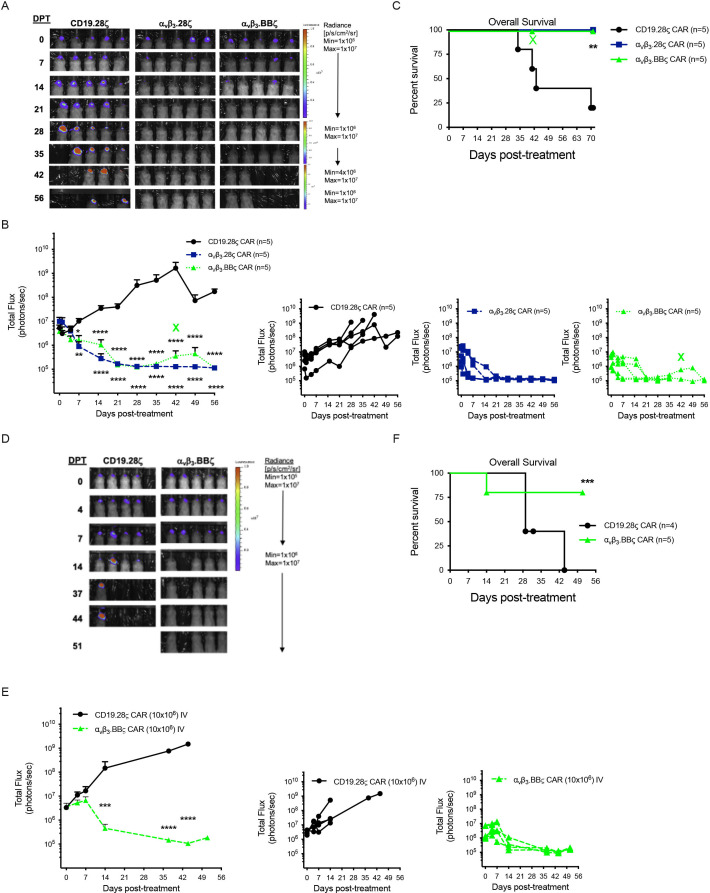
We found that patient-derived DIPG cells and GBM cell lines express high levels of surface αβ by flow cytometry, while αβ is minimally expressed on normal tissues by RNA sequencing and protein microarray. The manufactured CAR-T cells consisted of a substantial frequency of favorable early memory cells and a low inhibitory receptor profile. αβ CAR-T cells demonstrated efficient, antigen-specific tumor cell killing in both cytotoxicity assays and in in vivo models of orthotopically and stereotactically implanted DIPG and GBM tumors into relevant locations in the brain of NSG mice. Tumor responses were rapid and robust with systemic CAR-T cell proliferation and long-lived persistence associated with long-term survival. Following tumor clearance, TCF-1αβ CAR-T cells were detectable, underscoring their ability to persist and undergo self-renewal.
These results highlight the potential of αβ CAR-T cells for immunotherapeutic treatment of aggressive brain tumors with reduced risk of on-target, off-tumor mediated toxicity due to the restricted nature of αβ expression in normal tissues.
弥漫性内生脑桥胶质瘤(DIPG)和胶质母细胞瘤(GBM)是两种高度侵袭性的胶质瘤,在过去几十年中几乎没有取得任何治疗进展。尽管嵌合抗原受体(CAR)T 细胞在治疗白血病和淋巴瘤方面取得了巨大的初步成功,但将 CAR-T 细胞应用于实体瘤,包括胶质瘤,仍在进行中。整合素复合物αβ(αβ)存在于多种不同的实体肿瘤类型和肿瘤血管中,在大多数正常组织中表达有限,因此是 CAR-T 细胞介导的免疫治疗的一个有吸引力的靶点。
通过流式细胞术评估患者来源的 DIPG 和 GBM 细胞系表面αβ的表达。通过含有 CD28 或 4-1BB 共刺激结构域和 CD3zeta 的逆转录病毒转导生成表达抗αβ单链可变片段的第二代 CAR-T 细胞。通过流式细胞术评估 CAR-T 细胞的 CAR 表达、记忆表型分布和抑制性受体谱。通过立体定向注射将 DIPG 和 GBM 细胞系原位植入 NSG 小鼠,并通过生物发光成像监测,以评估αβ CAR-T 细胞介导的抗肿瘤反应。
我们发现,通过流式细胞术,患者来源的 DIPG 细胞和 GBM 细胞系表达高水平的表面αβ,而通过 RNA 测序和蛋白质微阵列,αβ在正常组织中表达很少。制造的 CAR-T 细胞由大量有利的早期记忆细胞组成,且抑制性受体谱较低。αβ CAR-T 细胞在细胞毒性测定和原位及立体定向植入 DIPG 和 GBM 肿瘤的 NSG 小鼠脑内相关部位的体内模型中均表现出高效、抗原特异性的肿瘤细胞杀伤作用。肿瘤反应迅速且强烈,伴有全身 CAR-T 细胞增殖和与长期生存相关的长期持久性。在肿瘤清除后,可检测到 TCF-1αβ CAR-T 细胞,这突显了它们持续存在和自我更新的能力。
这些结果强调了αβ CAR-T 细胞在治疗侵袭性脑肿瘤方面的潜力,由于αβ在正常组织中的表达受限,因此降低了针对靶标、脱靶介导毒性的风险。