Department of Radiation Oncology, The First Affiliated Hospital of Xi'an Jiaotong University, No.277, Yanta West Road, Xi'an, 710061, Shaanxi, China.
Sci Rep. 2022 Feb 24;12(1):3122. doi: 10.1038/s41598-022-06197-5.
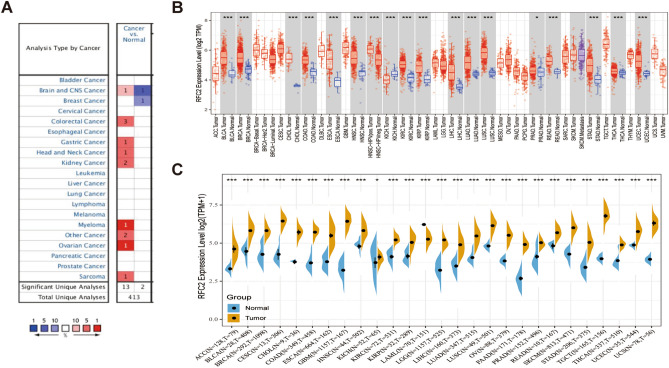
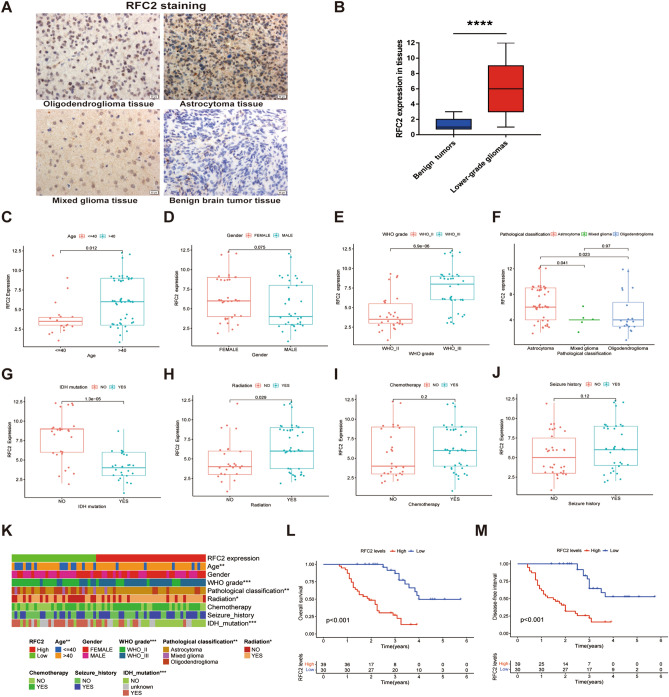
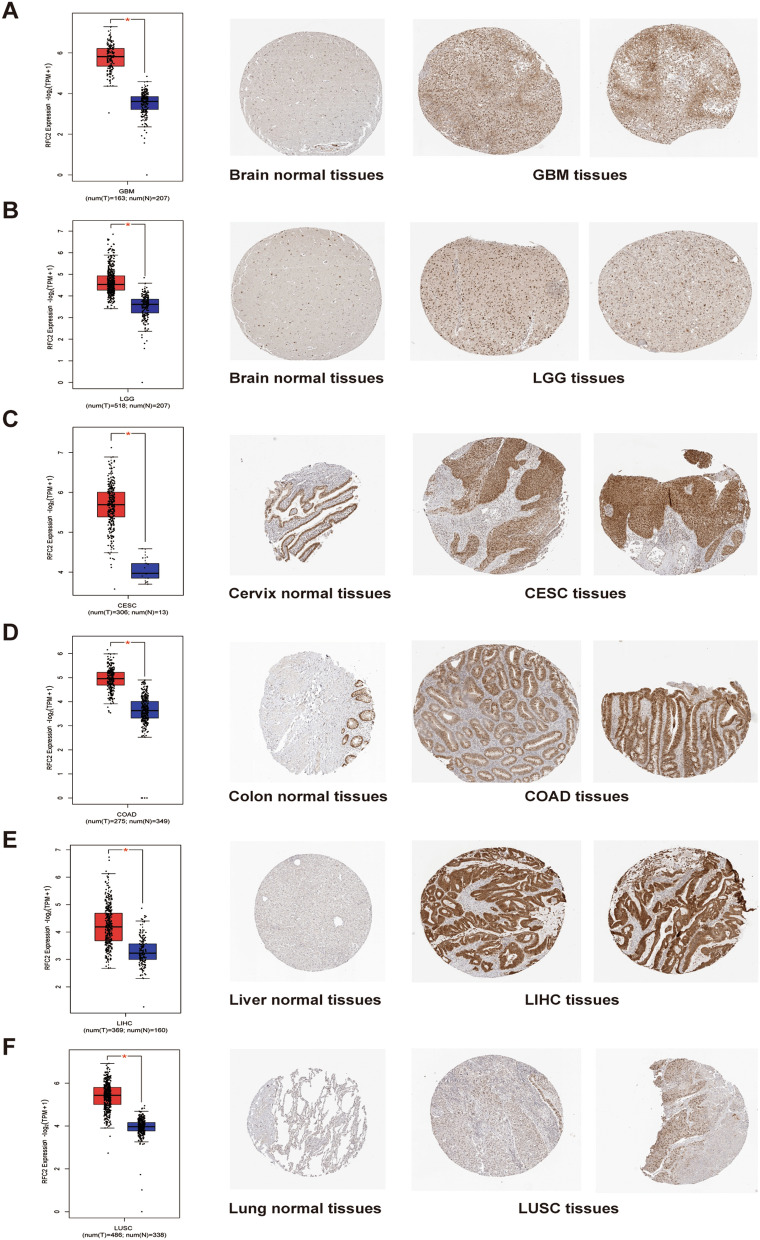
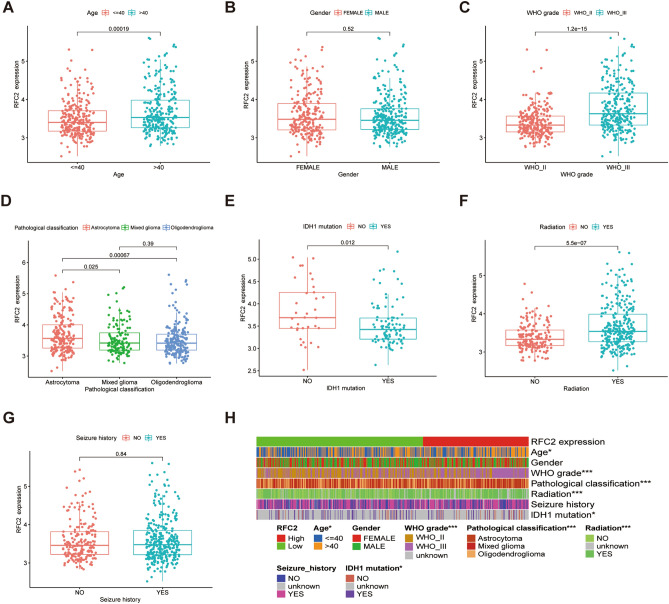
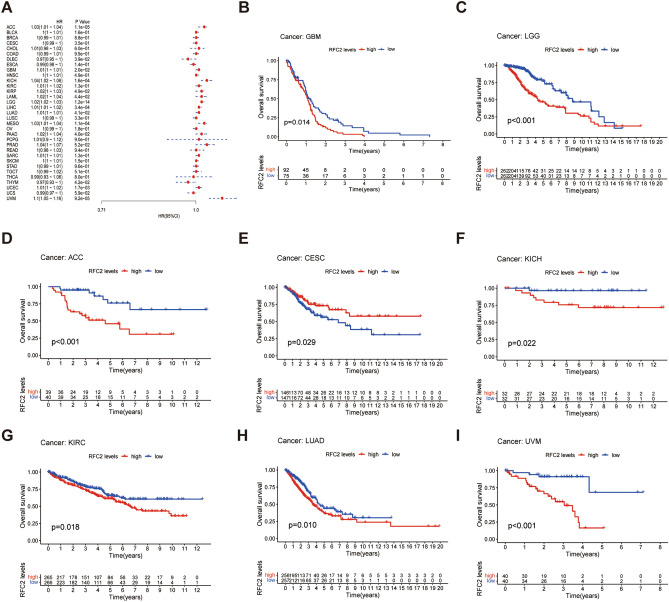
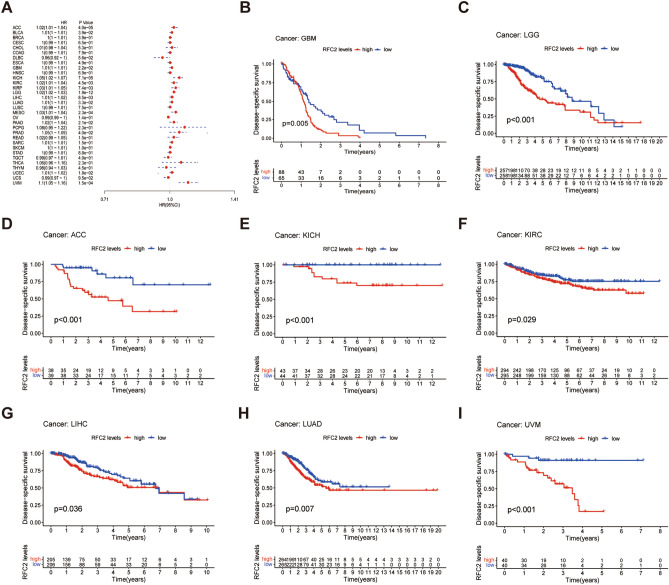
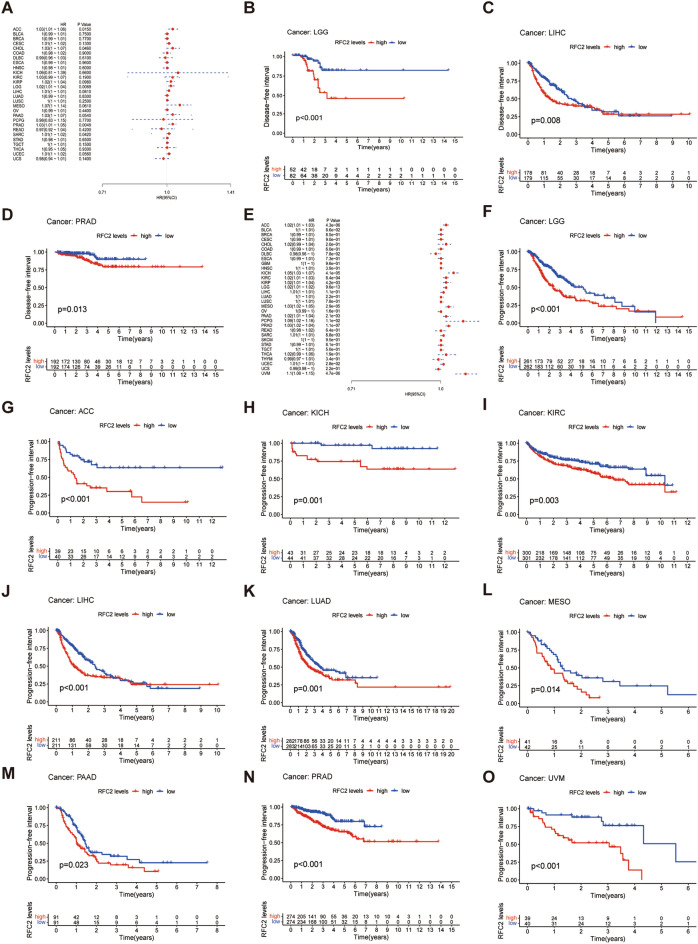
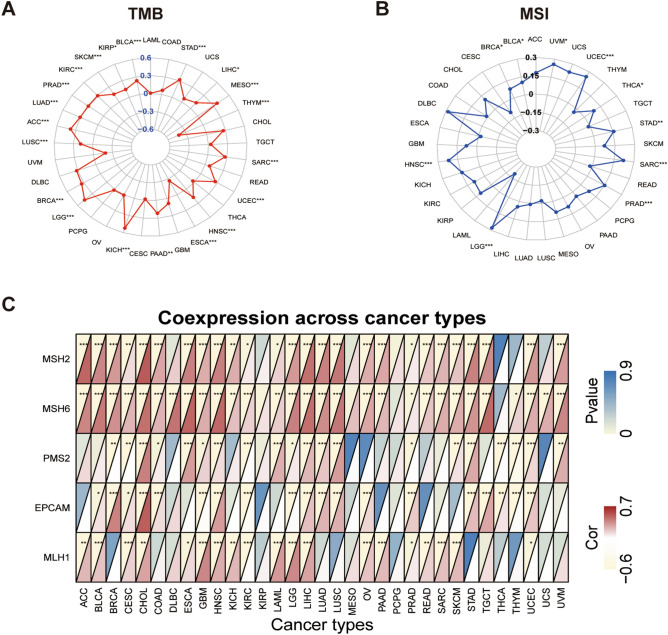
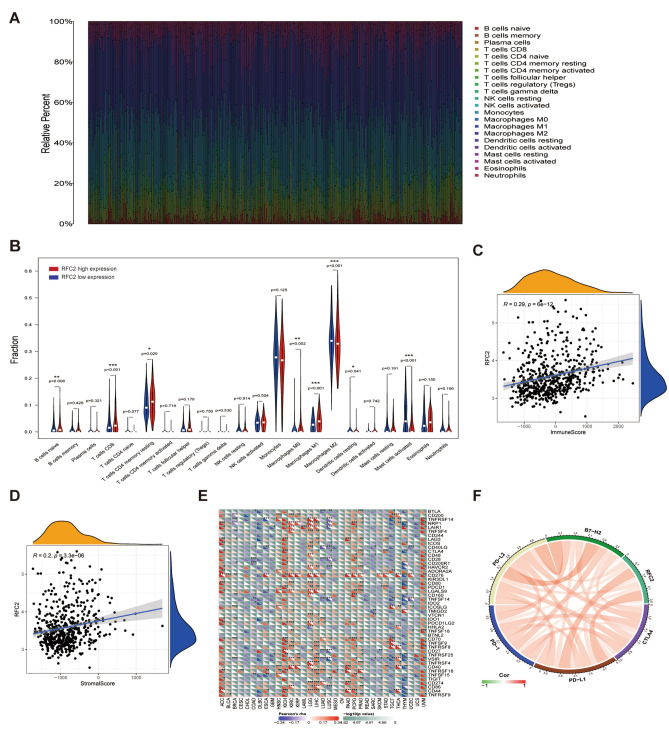
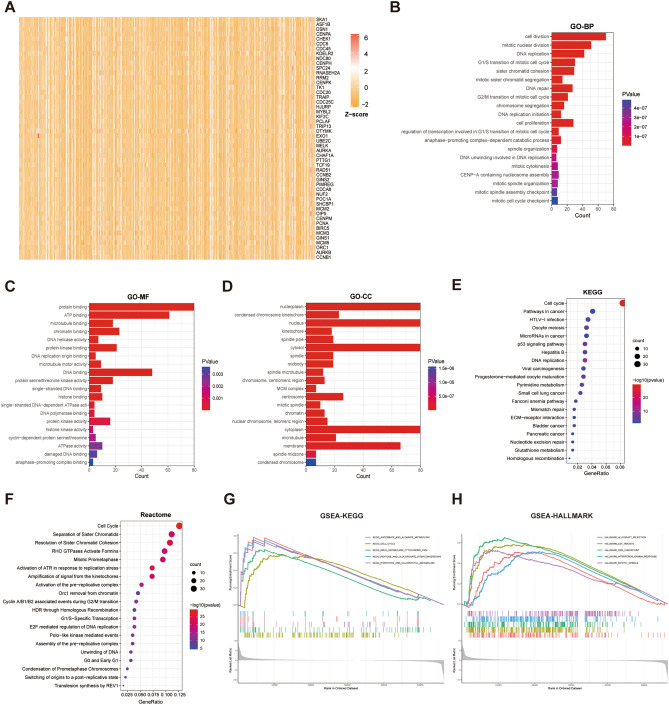
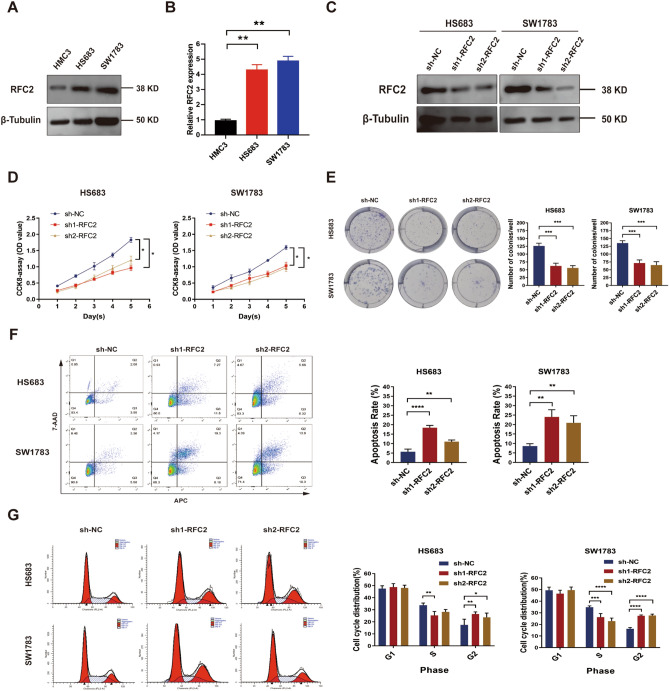
Diffuse lower-grade gliomas (LGG) represent the highly heterogeneous and infiltrative neoplasms in the central nervous system (CNS). Replication factor C 2 (RFC2) is a subunit of the RFC complex that modulates DNA replication and repair. However, the prognosis value of RFC2 and its association with the immune signature of tumor microenvironment (TME) in LGG remains unknown. Based on Oncomine, TCGA, GTEx, TIMER, GEPIA, and HPA databases, we evaluated RFC2 expression levels and its clinical prognostic value in LGG and other cancers. Then we analyzed the correlations between RFC2 expression and tumor mutation burden (TMB), tumor microsatellite instability (MSI), and mismatch repair (MMR) genes across cancers. And CIBERSORT and ESTIMATE algorithms were conducted to estimate the association of RFC2 with immune cell infiltration of LGG. Additionally, we performed the functional enrichment analyses of RFC2 in LGG. Then functional experiments were employed to further validate the oncogenic role of RFC2 in LGG. Our results showed that RFC2 was widely highly expressed in most types of cancer. And its expression was closely related to the clinicopathological features and prognosis in LGG and other cancer types. RFC2 levels were also correlated with TMB and MSI across various cancers. Furthermore, RFC2 was positively associated with the infiltration levels of immune cells and immune checkpoint genes in LGG. Additionally, in vitro experiments revealed that RFC2 played an oncogenic role in LGG progression. In conclusion, our findings revealed that RFC2 could serve as a reliable biomarker to predict the prognosis and immune signature for LGG.
弥漫性低级别胶质瘤 (LGG) 是中枢神经系统 (CNS) 中高度异质和浸润性的肿瘤。复制因子 C 2 (RFC2) 是 RFC 复合物的一个亚基,可调节 DNA 复制和修复。然而,RFC2 的预后价值及其与 LGG 肿瘤微环境 (TME) 免疫特征的关联尚不清楚。基于 Oncomine、TCGA、GTEx、TIMER、GEPIA 和 HPA 数据库,我们评估了 RFC2 在 LGG 和其他癌症中的表达水平及其临床预后价值。然后,我们分析了 RFC2 表达与肿瘤突变负担 (TMB)、肿瘤微卫星不稳定性 (MSI) 和错配修复 (MMR) 基因在各种癌症中的相关性。并通过 CIBERSORT 和 ESTIMATE 算法来评估 RFC2 与 LGG 免疫细胞浸润的关联。此外,我们还对 RFC2 在 LGG 中的功能进行了富集分析。然后进行了功能实验,以进一步验证 RFC2 在 LGG 中的致癌作用。我们的研究结果表明,RFC2 在大多数类型的癌症中广泛高度表达。并且其表达与 LGG 和其他癌症类型的临床病理特征和预后密切相关。RFC2 水平与各种癌症中的 TMB 和 MSI 也相关。此外,RFC2 与 LGG 中免疫细胞和免疫检查点基因的浸润水平呈正相关。此外,体外实验表明 RFC2 在 LGG 进展中发挥致癌作用。总之,我们的研究结果表明,RFC2 可以作为预测 LGG 预后和免疫特征的可靠生物标志物。