Wei Xiangling, Deng Weiming, Dong Zhanwen, Xie Zhenwei, Zhang Jinhua, Wang Ruojiao, Zhang Rui, Na Ning, Zhou Yu
Department of Kidney Transplantation, The Third Affiliated Hospital of Sun Yat-sen University, Guangzhou, China.
Department of Pancreatic Surgery, Department of General Surgery, Guangdong Provincial People's Hospital, Guangdong Academy of Medical Sciences, Guangzhou, China.
Front Cell Dev Biol. 2022 Feb 8;10:800650. doi: 10.3389/fcell.2022.800650. eCollection 2022.
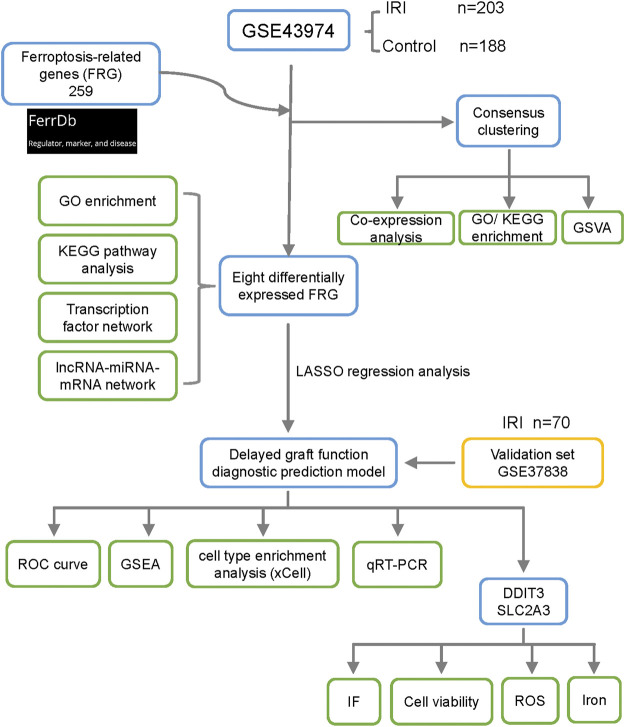
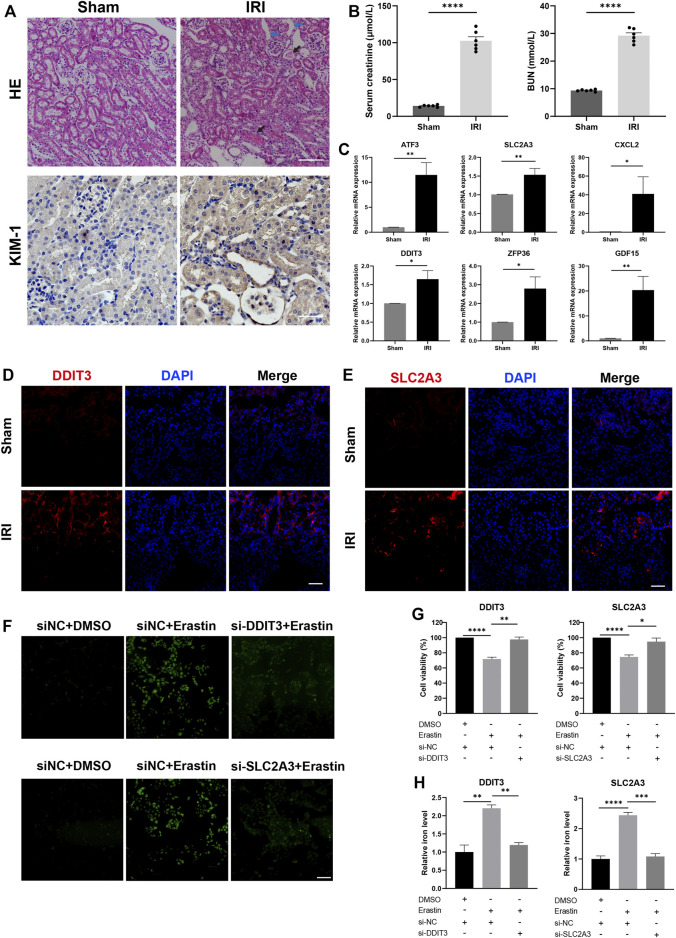
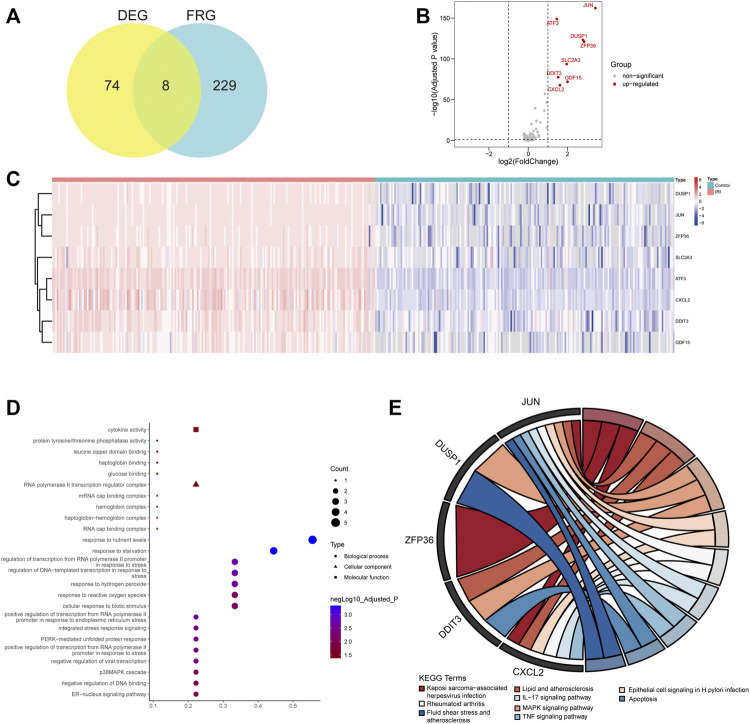
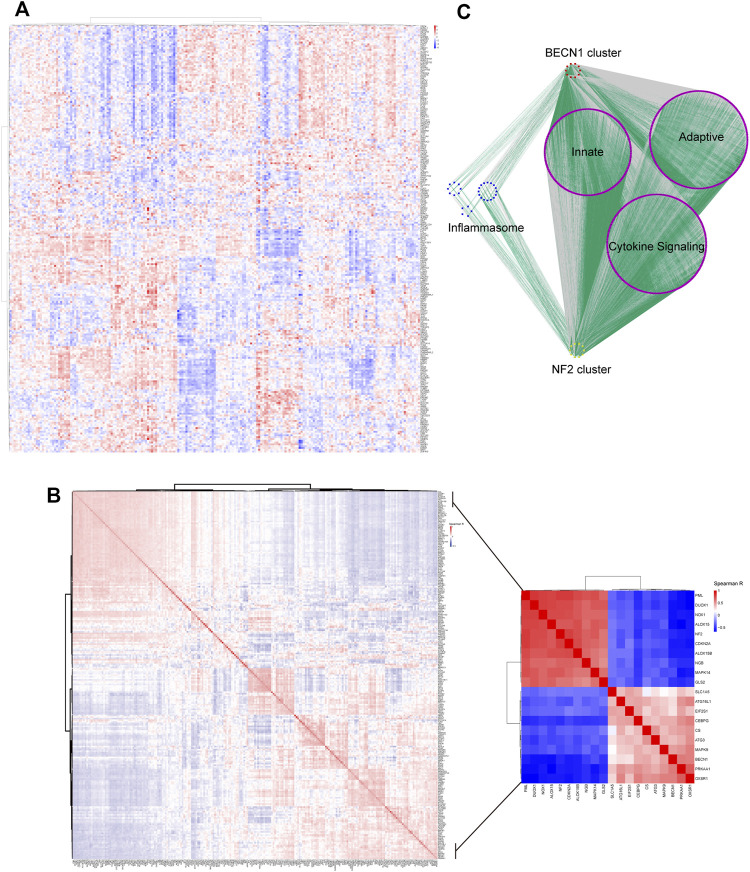
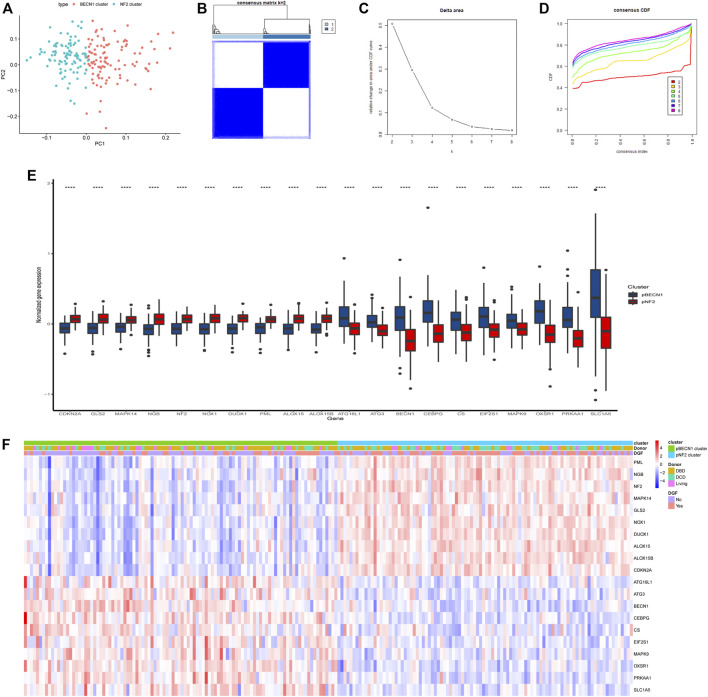
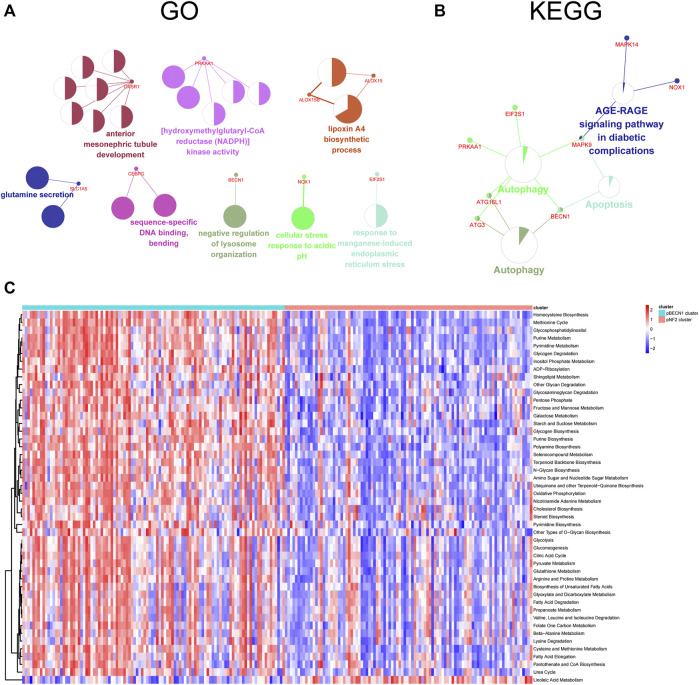
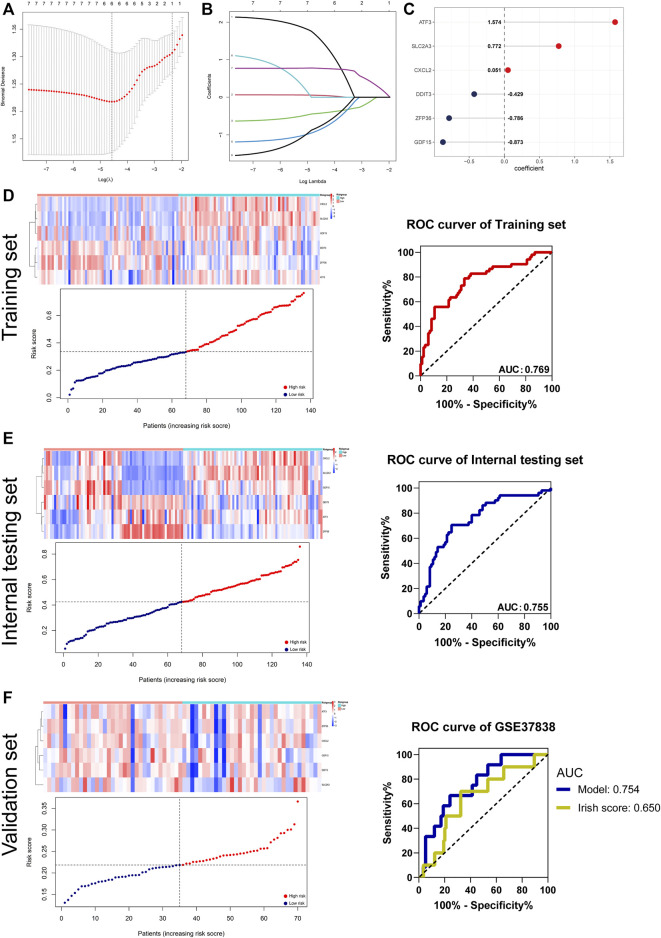
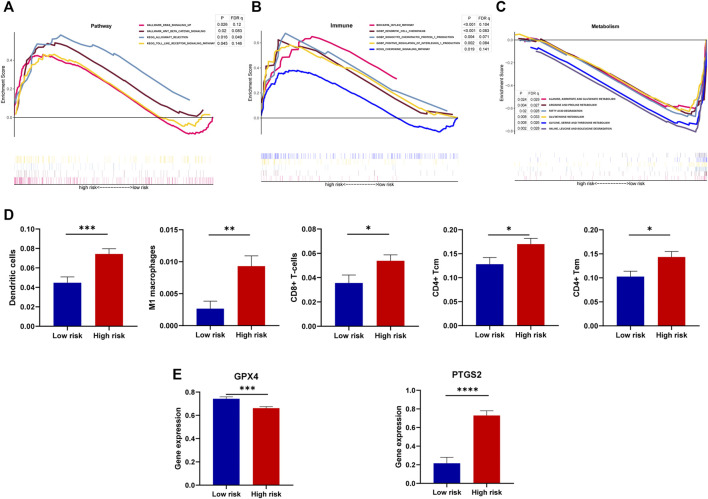
Renal ischemia-reperfusion injury (IRI) is an inevitable process in kidney transplantation, leading to acute kidney injury, delayed graft function (DGF), and even graft loss. Ferroptosis is an iron-dependent regulated cell death in various diseases including IRI. We aimed to identify subtypes of renal IRI and construct a robust DGF predictive signature based on ferroptosis-related genes (FRGs). A consensus clustering analysis was applied to identify ferroptosis-associated subtypes of 203 renal IRI samples in the GSE43974 dataset. The FRG-associated DGF predictive signature was constructed using the Least Absolute Shrinkage and Selection Operator (LASSO), and its robustness was further verified in the validation set GSE37838. The present study revealed two ferroptosis-related patient clusters (pBECN1 and pNF2 cluster) in renal IRI samples based on distinct expression patterns of BECN1 and NF2 gene clusters. Cluster pBECN1 was metabolically active and closely correlated with less DGF, while pNF2 was regarded as the metabolic exhausted subtype with higher incidence of DGF. Additionally, a six-gene (ATF3, SLC2A3, CXCL2, DDIT3, and ZFP36) ferroptosis-associated signature was constructed to predict occurrence of DGF in renal IRI patients and exhibited robust efficacy in both the training and validation sets. High-risk patients tended to have more infiltration of dendritic cells, macrophages, and T cells, and they had significantly enriched chemokine-related pathway, WNT/β-catenin signaling pathway, and allograft rejection. Patients with low risks of DGF were associated with ferroptosis-related pathways such as glutathione and fatty acid metabolism pathways. In conclusion, patient stratification with distinct metabolic activities based on ferroptosis may help distinguish patients who may respond to metabolic therapeutics. Moreover, the DGF predictive signature based on FRGs may guide advanced strategies toward prevention of DGF in the early stage.
肾缺血再灌注损伤(IRI)是肾移植中不可避免的过程,可导致急性肾损伤、移植肾功能延迟恢复(DGF),甚至移植物丢失。铁死亡是包括IRI在内的多种疾病中一种铁依赖性的程序性细胞死亡。我们旨在识别肾IRI的亚型,并基于铁死亡相关基因(FRGs)构建一个可靠的DGF预测特征。应用一致性聚类分析来识别GSE43974数据集中203个肾IRI样本的铁死亡相关亚型。使用最小绝对收缩和选择算子(LASSO)构建FRG相关的DGF预测特征,并在验证集GSE37838中进一步验证其稳健性。本研究基于BECN1和NF2基因簇的不同表达模式,在肾IRI样本中揭示了两个铁死亡相关的患者聚类(pBECN1和pNF2聚类)。聚类pBECN1具有代谢活性,与较少的DGF密切相关,而pNF2被认为是代谢耗竭亚型,DGF发生率较高。此外,构建了一个由六个基因(ATF3、SLC2A3、CXCL2、DDIT3和ZFP36)组成的铁死亡相关特征,以预测肾IRI患者中DGF的发生,并在训练集和验证集中均表现出强大的效能。高风险患者往往有更多的树突状细胞、巨噬细胞和T细胞浸润,并且他们的趋化因子相关途径、WNT/β-连环蛋白信号通路和同种异体移植排斥反应显著富集。DGF低风险患者与铁死亡相关途径如谷胱甘肽和脂肪酸代谢途径有关。总之,基于铁死亡的具有不同代谢活性的患者分层可能有助于区分可能对代谢疗法有反应的患者。此外,基于FRGs的DGF预测特征可能为早期预防DGF的先进策略提供指导。