PaleoFactory, Sapienza Università di Roma, Piazzale Aldo Moro 5, 00185, Rome, Italy.
Dipartimento di Scienze della Terra, Sapienza Università di Roma, Piazzale Aldo Moro 5, 00185, Rome, Italy.
Sci Rep. 2022 Feb 25;12(1):2882. doi: 10.1038/s41598-022-06812-5.
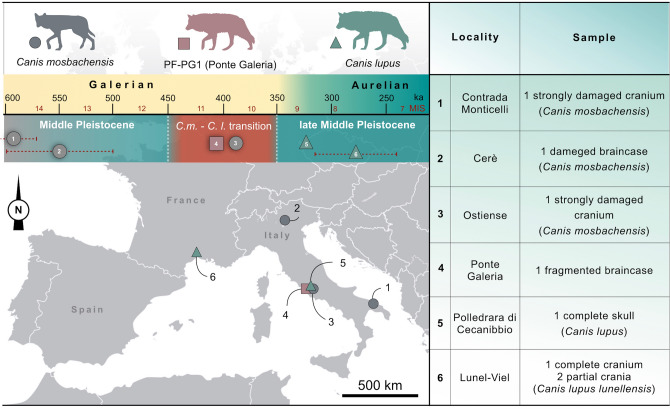
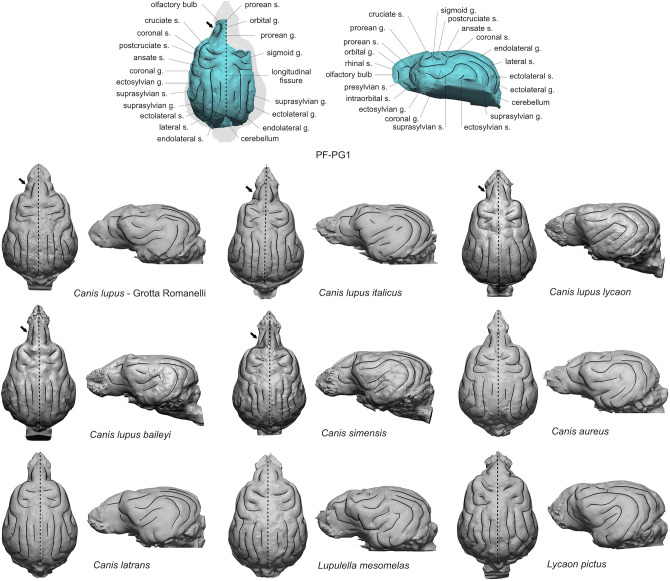
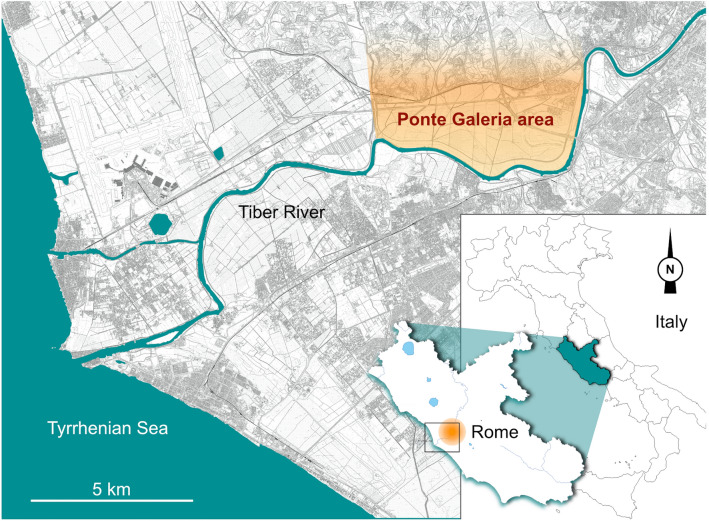
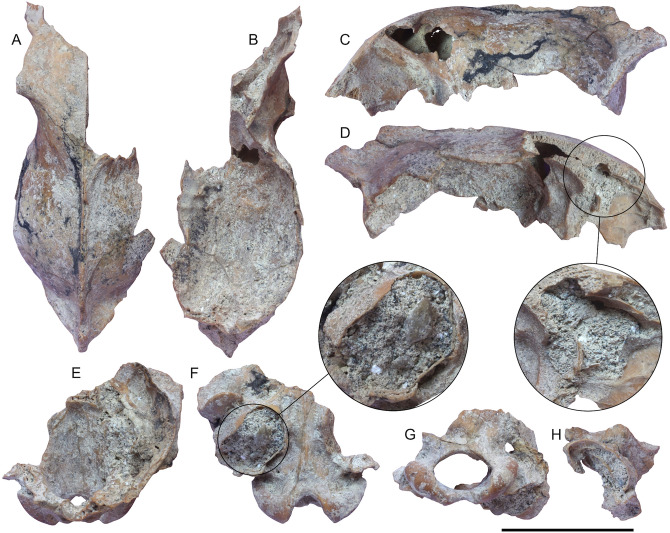
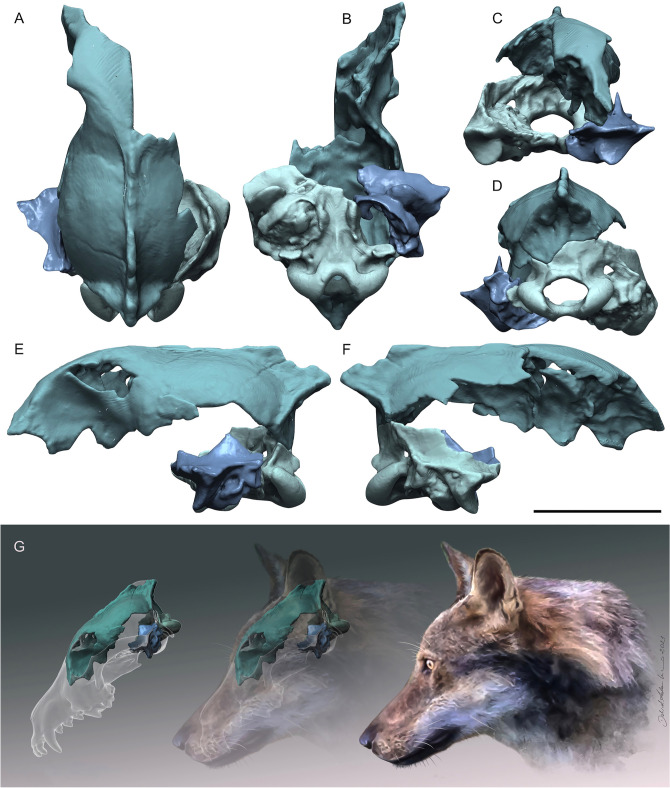
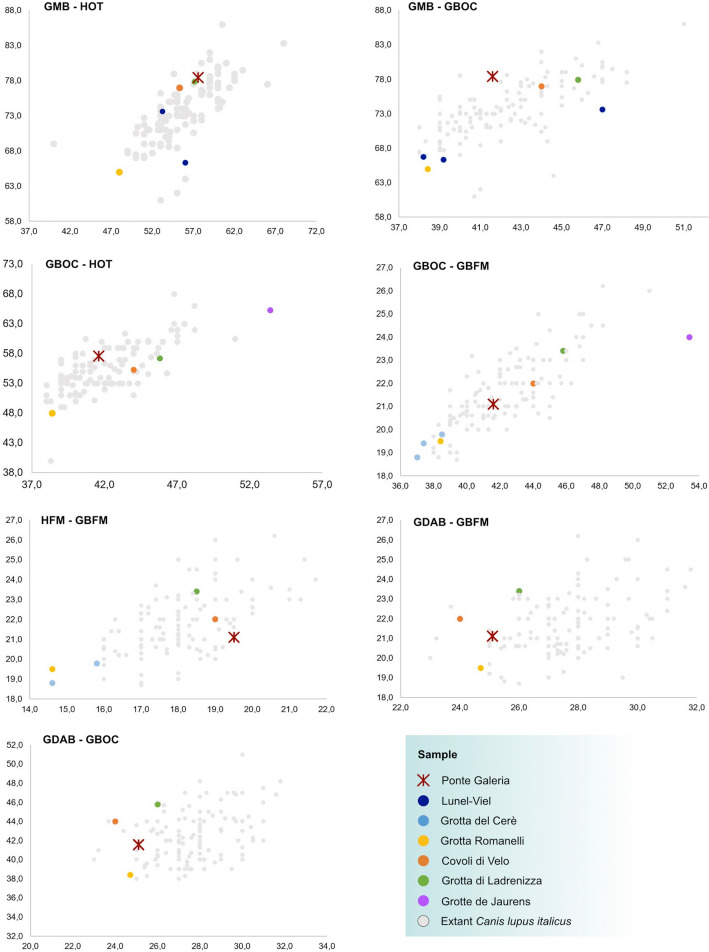
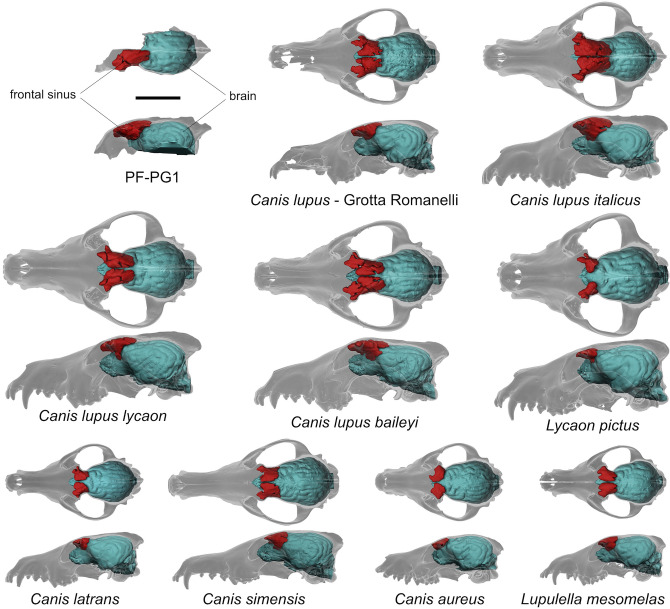
Here, we describe a partial cranium of a large canid dated at 406.5 ± 2.4 ka from the Middle Pleistocene of Ponte Galeria (Rome, Italy). The sample represents one of the few Middle Pleistocene remains of a wolf-like canid falling within the timeframe when the Canis mosbachensis-Canis lupus transition occurred, a key moment to understand the spread of the extant wolf (Canis lupus) in Europe. CT-based methods allow studying the outer and inner cranial anatomy (brain and frontal sinuses) of a selected sample of fossil and extant canids. Morphological and biometric results allowed to: (I) ascribe the cranium from Ponte Galeria to an adult Canis lupus, representing the first reliable occurrence of this taxon in Europe; (II) provide the content for a biochronological revision of the Middle Pleistocene record of European wolves.
我们在这里描述了一个来自意大利罗马蓬泰格利亚罗(Ponte Galeria)中更新世中期的大型犬科动物的部分颅骨,其年代为 406.5±2.4 千年前。该样本是在 Canis mosbachensis-Canis lupus 过渡时期内发现的少数几个狼形犬科动物的中更新世遗骸之一,这是了解现存狼(Canis lupus)在欧洲传播的关键时期。基于 CT 的方法允许研究选定的化石和现存犬科动物样本的外部和内部颅骨解剖结构(大脑和额窦)。形态和生物计量学的结果表明:(一)将来自蓬泰格利亚罗的颅骨归因于成年狼(Canis lupus),这是该分类群在欧洲的首次可靠出现;(二)为欧洲狼的中更新世记录的生物年代学修订提供了内容。