Dipartimento di Scienze della Terra (PaleoFactory lab.), Sapienza Università di Roma, Roma, Italy.
Department of Geosciences, Section of Terrestrial Palaeoclimatology, Eberhard-Karls-University Tübingen, Tübingen, Germany.
PLoS One. 2023 Nov 22;18(11):e0293405. doi: 10.1371/journal.pone.0293405. eCollection 2023.
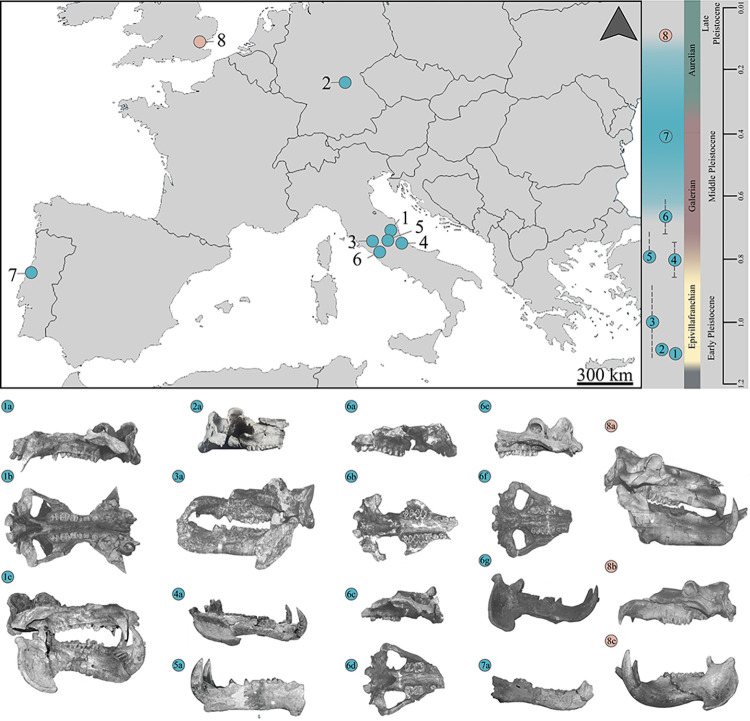
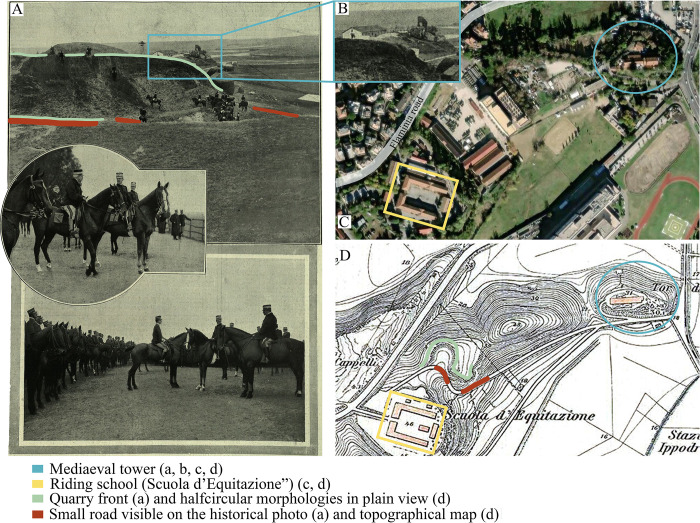
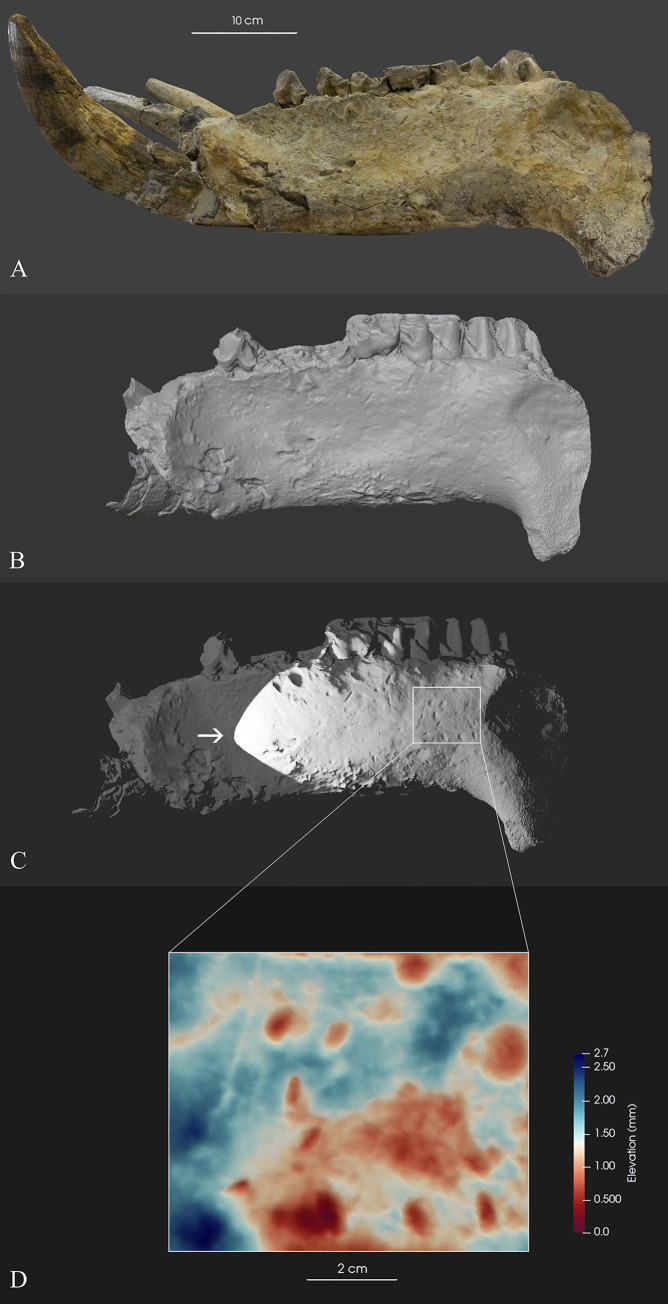
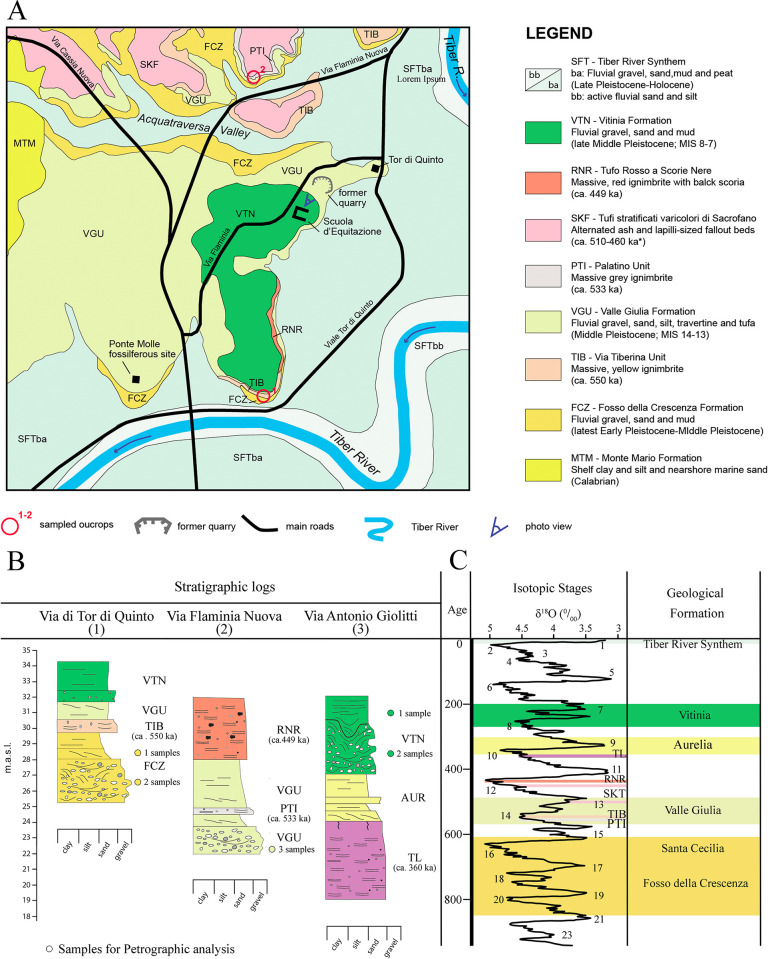
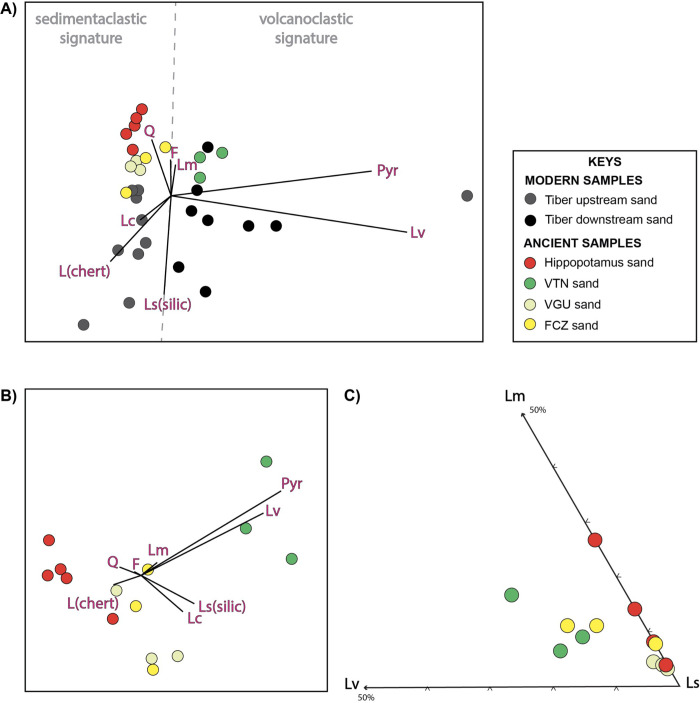
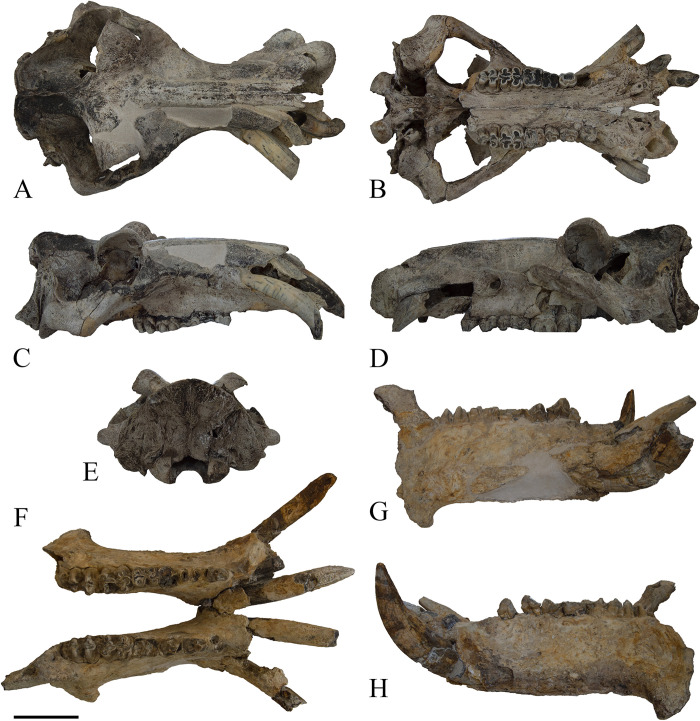
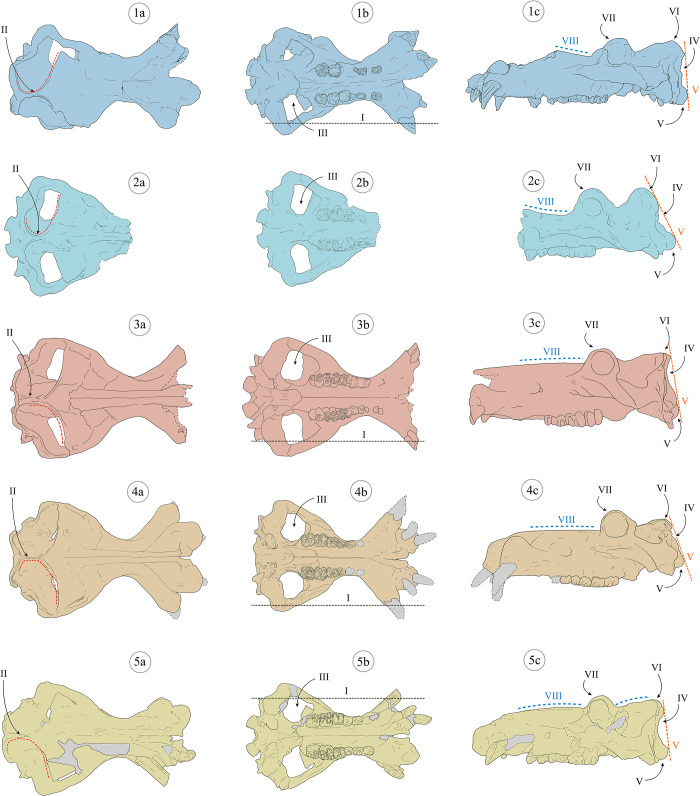
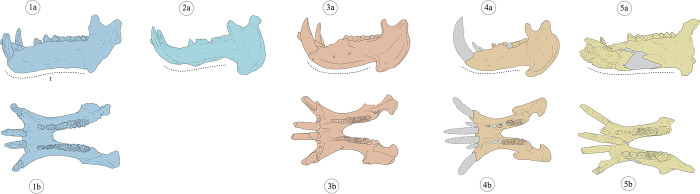
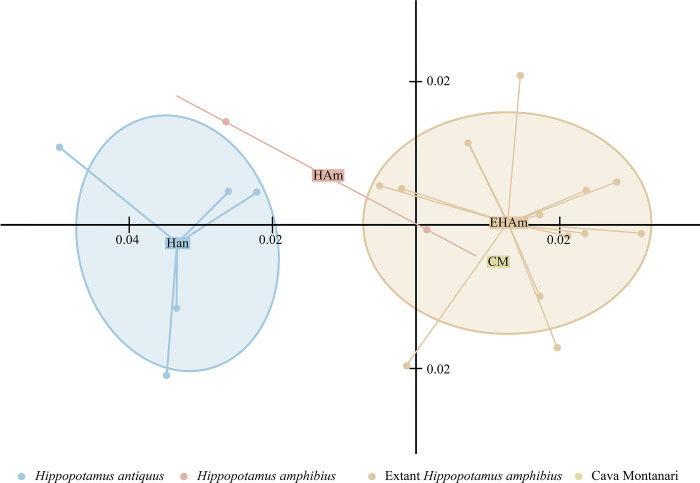
A skull of Hippopotamus recovered from the area of Tor di Quinto, within the urban area of Rome (central Italy) is here redescribed. Despite being one of the most complete specimens of hippopotamuses of the European Pleistocene, the Tor di Quinto skull did not attract much research interest, due to long-standing uncertainties on its provenance. This work begun in 2021, when the skull was restored, within a large renovation project on the vertebrate exposed at the Earth Science University Museum of Sapienza University of Rome. Original sediments were found inside the cranial and mandible cavities during the restoration work, which were sampled for petrographic analyses. By combining a review of the old paleontological, archeological and geological literature published during the 19th and 20th century on the Rome basin and the correlation of these new sedimentological and petrographic information with the lithostratigraphic and synthemic units of the national geological cartography, we clarify that the Hippopotamus skull was most likely to have been collected from a quarry called Cava Montanari, from a formation dated between 560 and 460 ka. Morphological and biometric analyses clearly support an attribution of the Cava Montanari specimen to the extant species Hippopotamus amphibius. The reassessment of the stratigraphic and geological data on Cava Montanari implies that the studied specimen is the earliest confirmed occurrence of Hippopotamus amphibius in the European fossil record.
本文重新描述了一件从罗马市托迪昆托地区(意大利中部)出土的河马颅骨。尽管这是欧洲更新世河马最完整的标本之一,但由于其产地长期存在不确定性,托迪昆托颅骨并没有引起太多的研究兴趣。这项工作始于 2021 年,当时在罗马萨皮恩扎大学地球科学博物馆对暴露在外的脊椎动物进行大规模翻新项目时,对颅骨进行了修复。在修复工作中,在颅骨和下颌骨腔内部发现了原始沉积物,并对其进行了岩矿分析取样。通过对 19 世纪和 20 世纪发表的有关罗马盆地的旧古生物学、考古学和地质学文献进行回顾,并将这些新的沉积学和岩矿学信息与国家地质制图的岩性地层和综合地层单元进行对比,我们可以确定,河马颅骨很可能是从一个名为卡瓦蒙塔尼里的采石场采集的,其年代在 56 万至 46 万年前。形态学和生物计量学分析明确支持将卡瓦蒙塔尼里标本归属于现存的河马物种 Hippopotamus amphibius。对卡瓦蒙塔尼里地层和地质数据的重新评估意味着,所研究的标本是欧洲化石记录中最早确认的 Hippopotamus amphibius 出现。