Shan Mengjie, Liu Hao, Hao Yan, Song Kexin, Meng Tian, Feng Cheng, Wang Youbin, Huang Yongsheng
Department of Plastic Surgery, Peking Union Medical College Hospital, Beijing, China.
Graduate School, Chinese Academy of Medical Sciences and Peking Union Medical College, Beijing, China.
Front Genet. 2022 Feb 9;12:804248. doi: 10.3389/fgene.2021.804248. eCollection 2021.
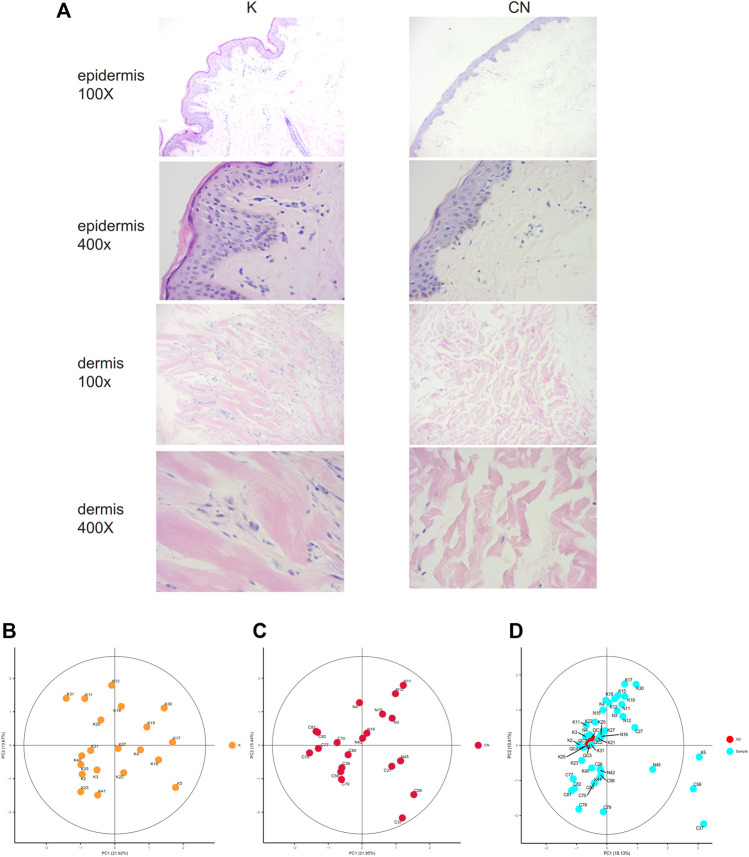
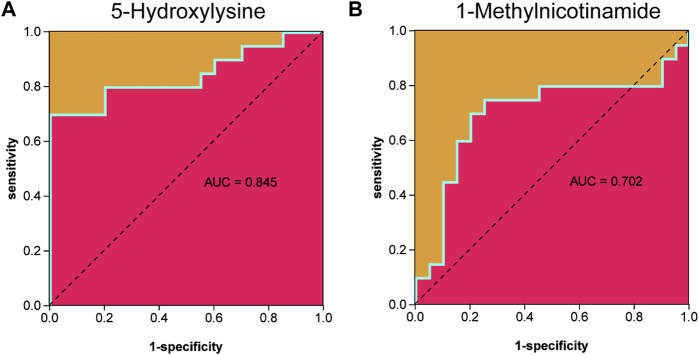
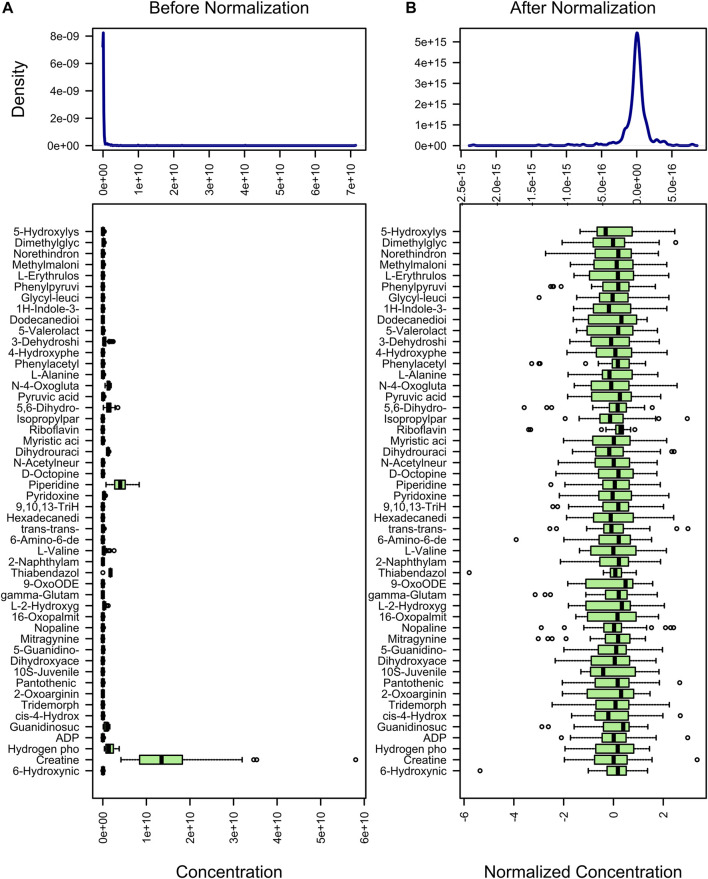
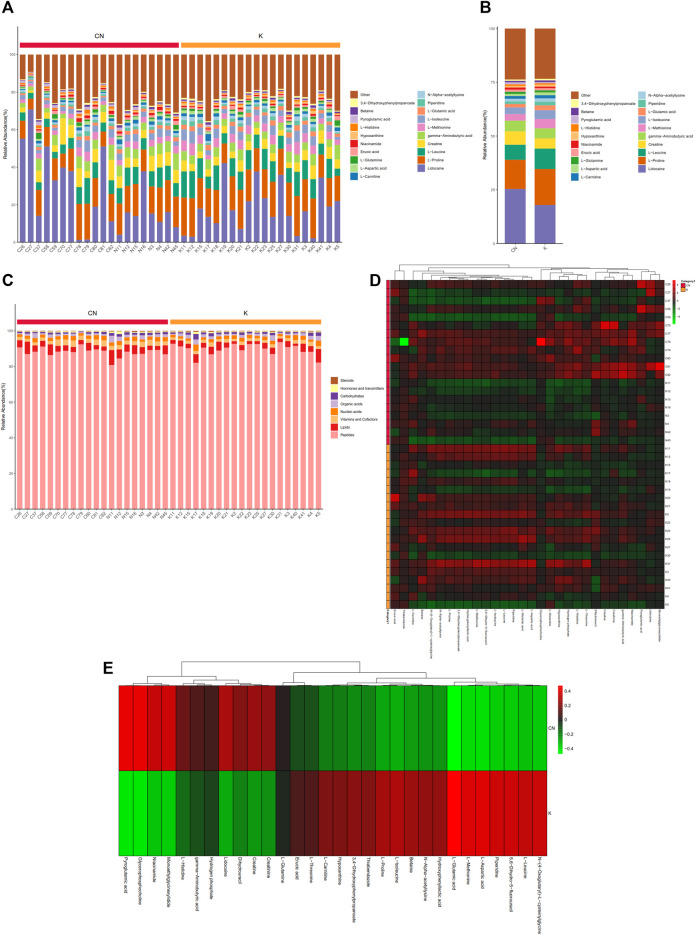
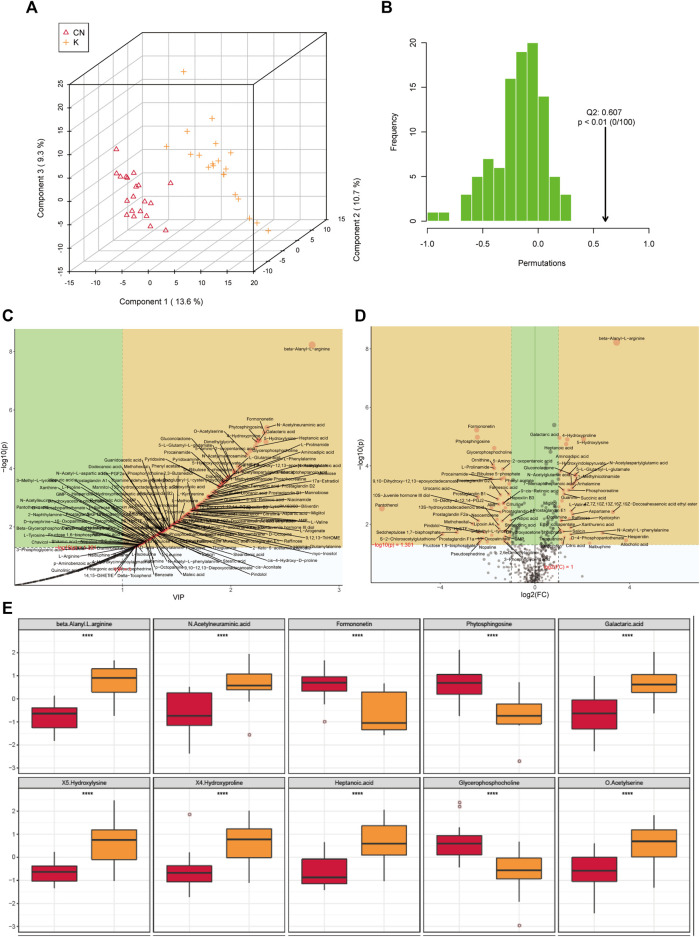
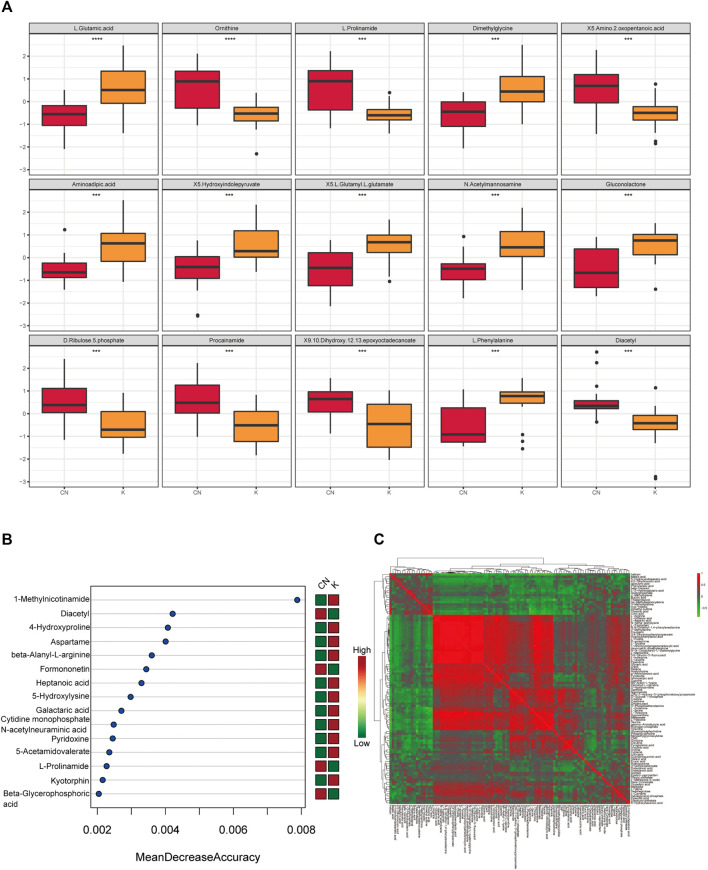
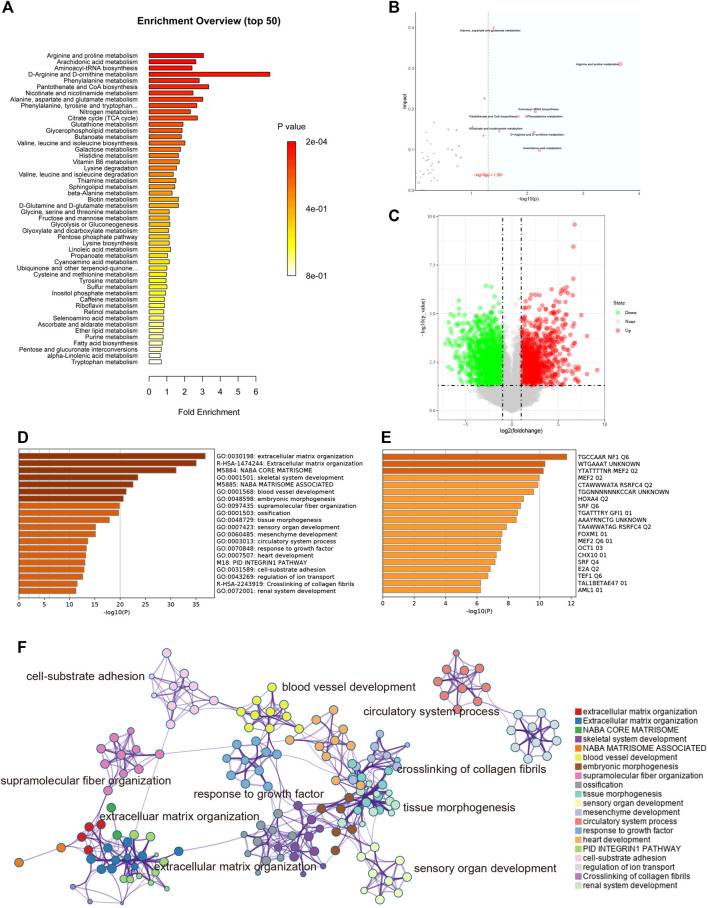
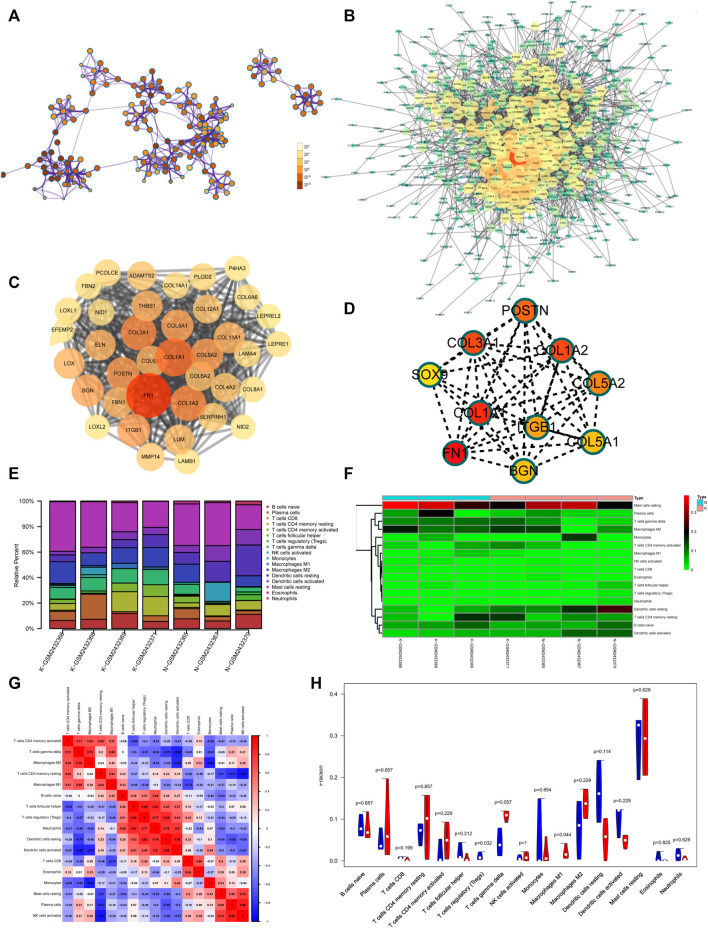
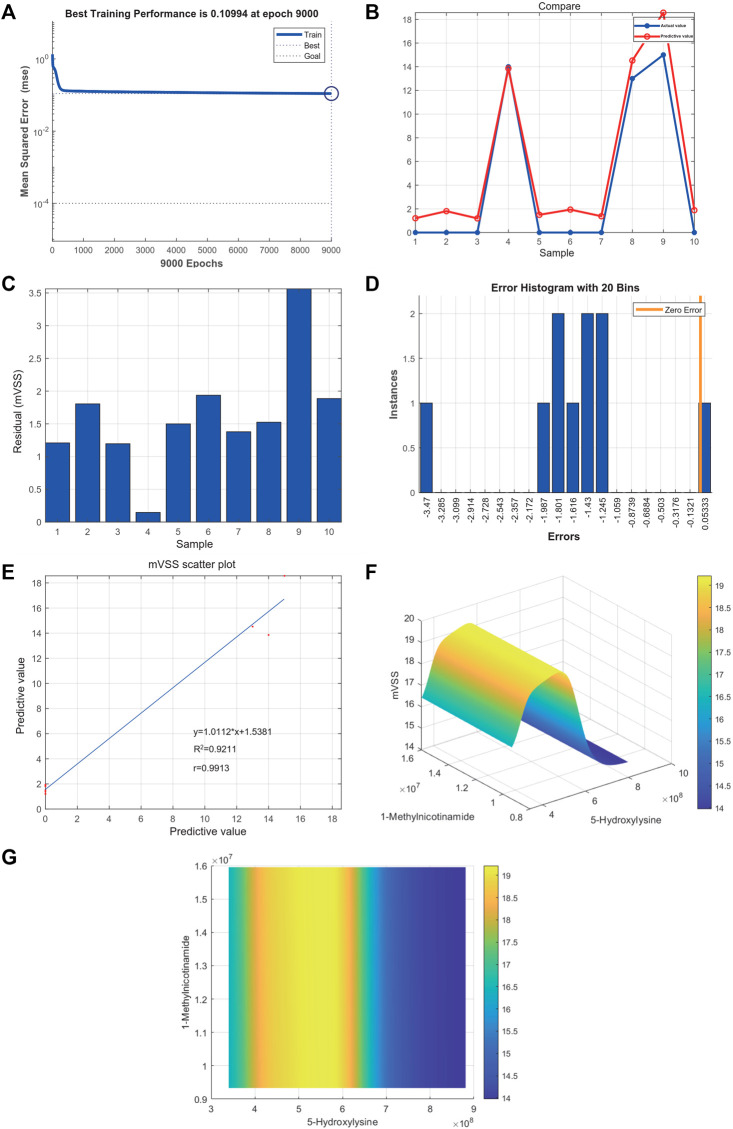
Keloid is a skin fibroproliferative disease with unknown pathogenesis. Metabolomics provides a new perspective for revealing biomarkers related to metabolites and their metabolic mechanisms. Metabolomics and transcriptomics were used for data analysis. Quality control of the data was performed to standardize the data. Principal component analysis (PCA), PLS-DA, OPLS-DA, univariate analysis, CIBERSORT, neural network model, and machine learning correlation analysis were used to calculate differential metabolites. The molecular mechanisms of characteristic metabolites and differentially expressed genes were identified through enrichment analysis and topological analysis. Compared with normal tissue, lipids have a tendency to decrease in keloids, while peptides have a tendency to increase in keloids. Significantly different metabolites between the two groups were identified by random forest analysis, including 1-methylnicotinamide, 4-hydroxyproline, 5-hydroxylysine, and l-prolinamide. The metabolic pathways which play important roles in the pathogenesis of keloids included arachidonic acid metabolism and d-arginine and d-ornithine metabolism. Metabolomic profiling reveals that 5-hydroxylysine and 1-methylnicotinamide are metabolic indicators of keloid severity. The high-risk early warning index for 5-hydroxylysine is 4 × 10-6.3×10 ( = 0.0008), and the high-risk predictive index for 1-methylnicotinamide is 0.95 × 10-1.6×10 ( = 0.0022). This study was the first to reveal the metabolome profile and transcriptome of keloids. Differential metabolites and metabolic pathways were calculated by machine learning. Metabolomic profiling reveals that 5-hydroxylysine and 1-methylnicotinamide may be metabolic indicators of keloid severity.
瘢痕疙瘩是一种发病机制不明的皮肤纤维增生性疾病。代谢组学为揭示与代谢物及其代谢机制相关的生物标志物提供了新的视角。采用代谢组学和转录组学进行数据分析。对数据进行质量控制以标准化数据。使用主成分分析(PCA)、偏最小二乘判别分析(PLS-DA)、正交偏最小二乘判别分析(OPLS-DA)、单变量分析、CIBERSORT、神经网络模型和机器学习相关性分析来计算差异代谢物。通过富集分析和拓扑分析确定特征代谢物和差异表达基因的分子机制。与正常组织相比,瘢痕疙瘩中的脂质有减少的趋势,而肽有增加的趋势。通过随机森林分析确定了两组之间显著不同的代谢物,包括1-甲基烟酰胺、4-羟基脯氨酸、5-羟基赖氨酸和L-脯氨酰胺。在瘢痕疙瘩发病机制中起重要作用的代谢途径包括花生四烯酸代谢和D-精氨酸与D-鸟氨酸代谢。代谢组学分析表明,5-羟基赖氨酸和1-甲基烟酰胺是瘢痕疙瘩严重程度的代谢指标。5-羟基赖氨酸的高危预警指数为4×10 - 6.3×10(=0.0008),1-甲基烟酰胺的高危预测指数为0.95×10 - 1.6×10(=0.0022)。本研究首次揭示了瘢痕疙瘩的代谢组图谱和转录组。通过机器学习计算差异代谢物和代谢途径。代谢组学分析表明,5-羟基赖氨酸和1-甲基烟酰胺可能是瘢痕疙瘩严重程度的代谢指标。