Cao Ting, Shao Changmin, Yu Xiaoyu, Xie Ruipei, Yang Chen, Sun Yulong, Yang Shaohua, He Wangjian, Xu Ye, Fan Qihui, Ye Fangfu
Oujiang Laboratory (Zhejiang Lab for Regenerative Medicine, Vision and Brain Health), Wenzhou, Zhejiang 325001, China.
Beijing National Laboratory for Condensed Matter Physics, Institute of Physics, Chinese Academy of Sciences, Beijing 100190, China.
Research (Wash D C). 2022 Feb 4;2022:9819154. doi: 10.34133/2022/9819154. eCollection 2022.
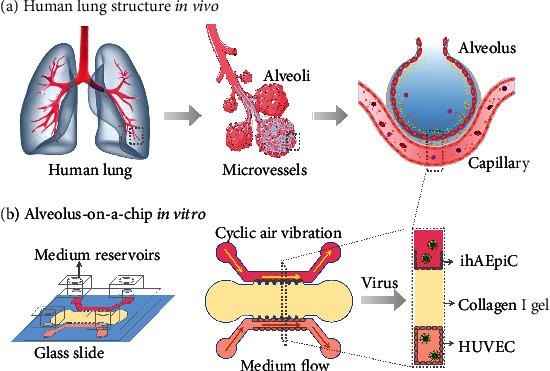
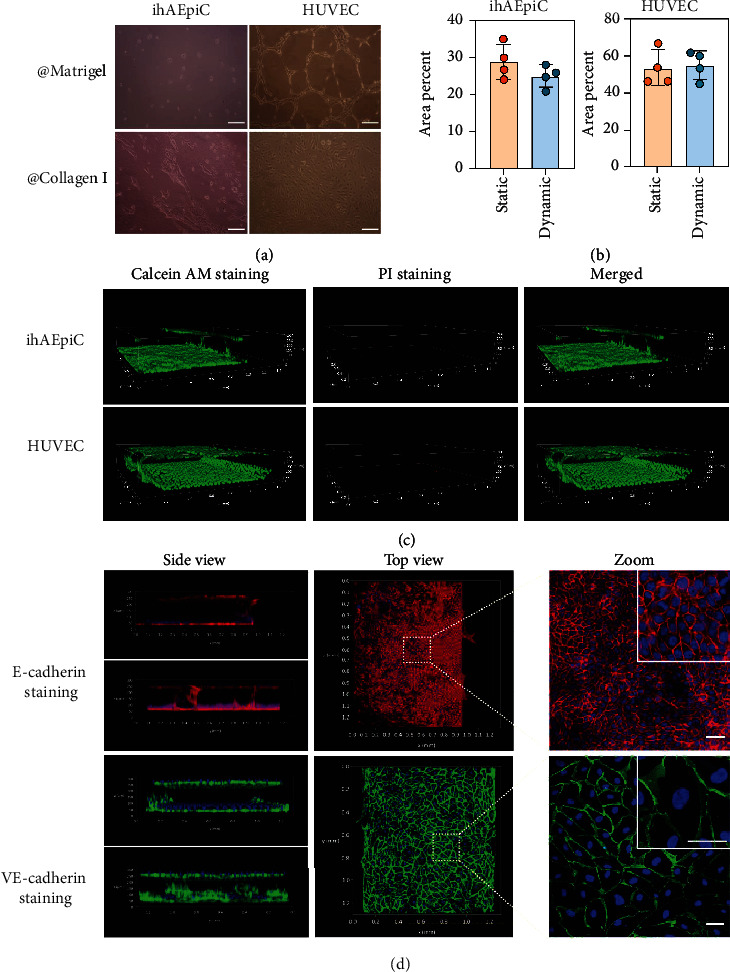
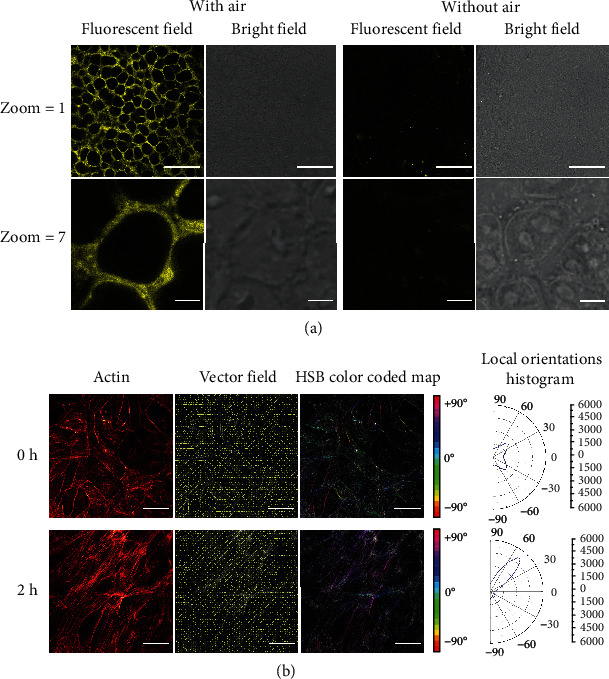
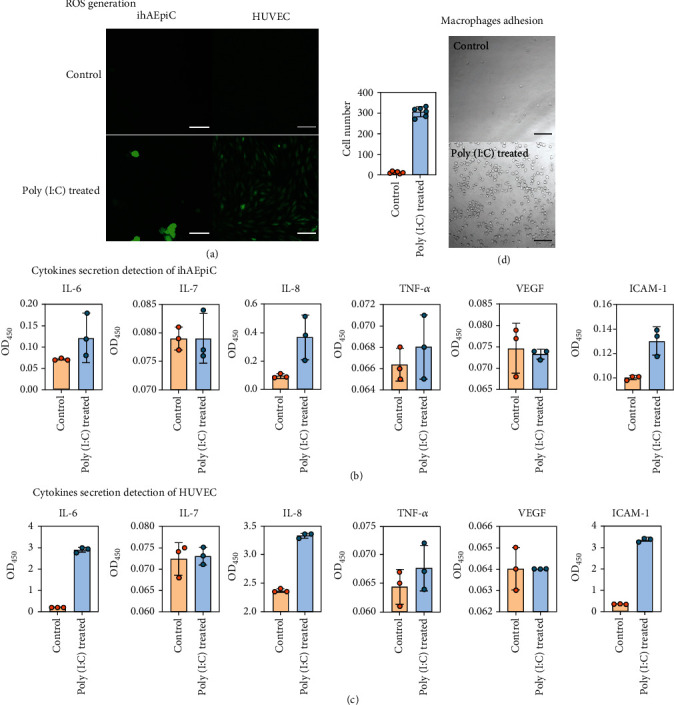
SARS-CoV-2 has caused a severe pneumonia pandemic worldwide with high morbidity and mortality. How to develop a preclinical model for recapitulating SARS-CoV-2 pathogenesis is still urgent and essential for the control of the pandemic. Here, we have established a 3D biomimetic alveolus-on-a-chip with mechanical strain and extracellular matrix taken into consideration. We have validated that the alveolus-on-a-chip is capable of recapitulating key physiological characteristics of human alveolar units, which lays a fundamental basis for viral infection studies at the organ level. Using virus-analogous chemicals and pseudovirus, we have explored virus pathogenesis and blocking ability of antibodies during viral infection. This work provides a favorable platform for SARS-CoV-2-related researches and has a great potential for physiology and pathophysiology studies of the human lung at the organ level
严重急性呼吸综合征冠状病毒2(SARS-CoV-2)已在全球范围内引发了一场高发病率和高死亡率的严重肺炎大流行。如何建立一个用于概括SARS-CoV-2发病机制的临床前模型,对于控制这场大流行仍然是紧迫且至关重要的。在此,我们建立了一个考虑了机械应变和细胞外基质的3D仿生肺泡芯片。我们已经验证该肺泡芯片能够概括人类肺泡单位的关键生理特征,这为器官水平的病毒感染研究奠定了基础。利用类似病毒的化学物质和假病毒,我们探索了病毒感染过程中的病毒发病机制以及抗体的阻断能力。这项工作为SARS-CoV-2相关研究提供了一个良好的平台,并且在器官水平上对人类肺部的生理学和病理生理学研究具有巨大潜力。