Jarumaneeroj Pisit, Dusadeerungsikul Puwadol Oak, Chotivanich Tharin, Nopsopon Tanawin, Pongpirul Krit
Department of Industrial Engineering, Chulalongkorn University, Thailand.
Regional Centre for Manufacturing Systems Engineering, Chulalongkorn University, Thailand.
Comput Ind Eng. 2022 May;167:108031. doi: 10.1016/j.cie.2022.108031. Epub 2022 Feb 24.
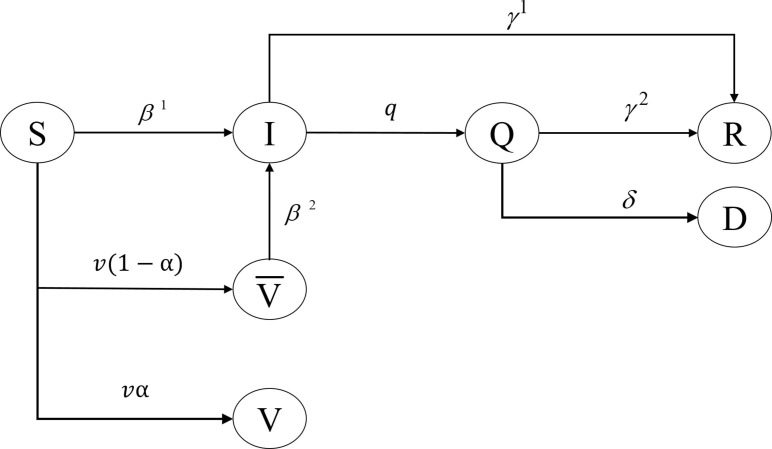
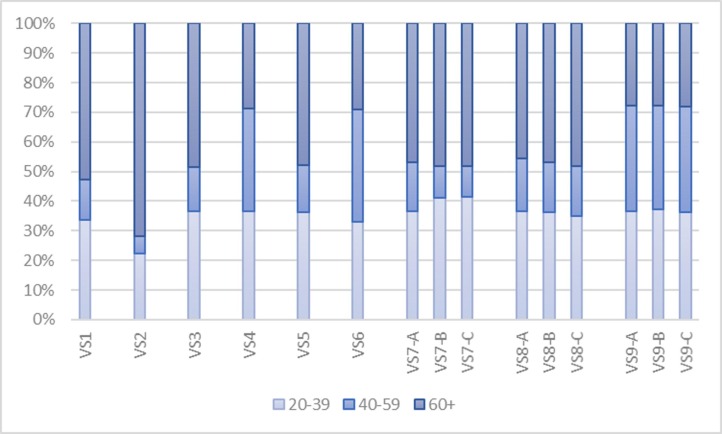
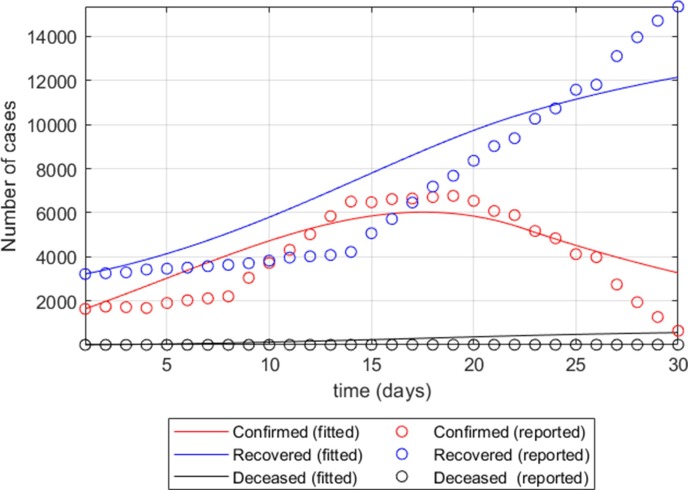
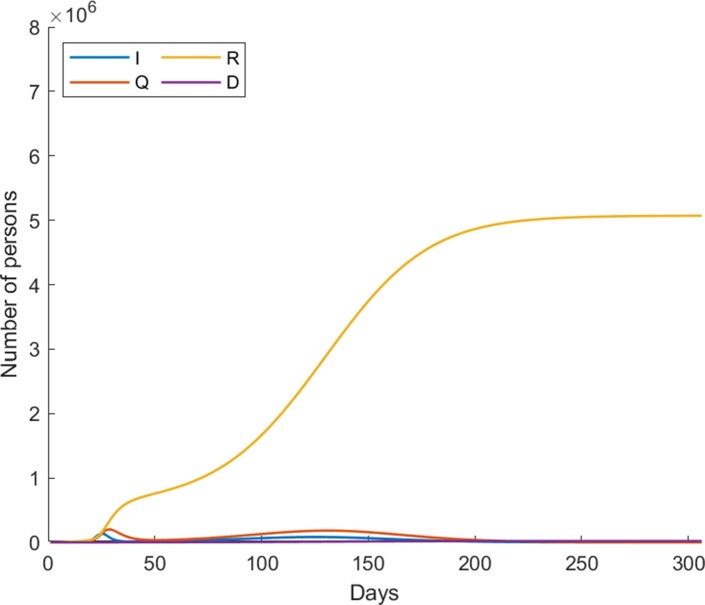
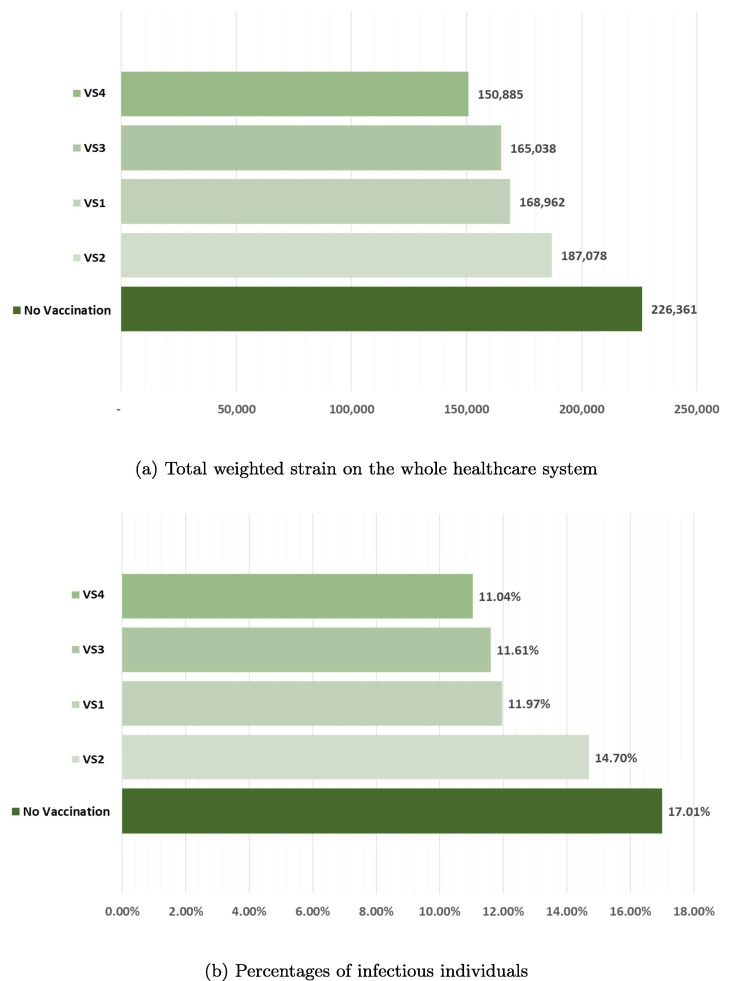
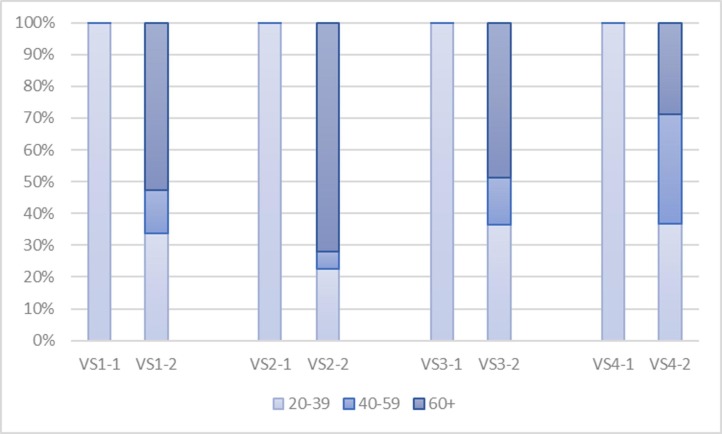
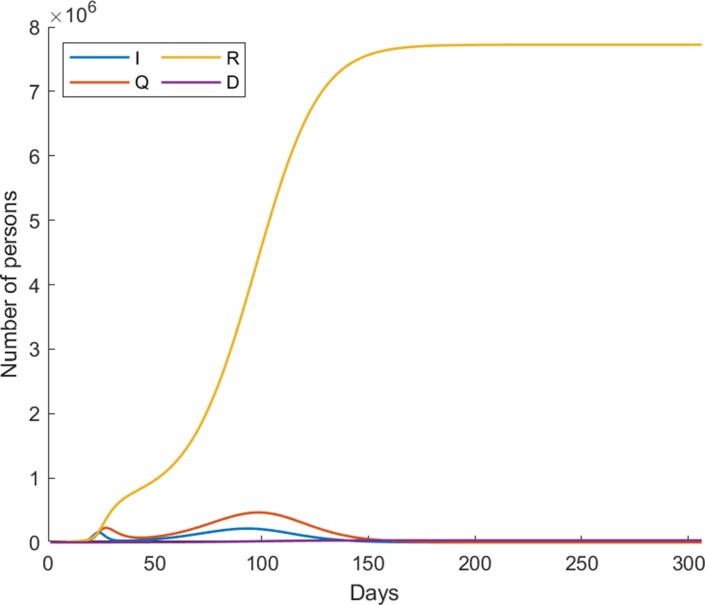
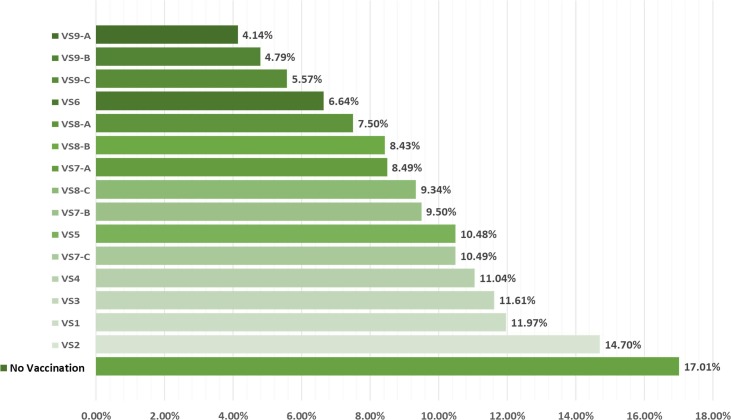
This paper addresses a framework for the operational allocation and administration of COVID-19 vaccines in Thailand, based on both COVID-19 transmission dynamics and other vital operational restrictions that might affect the effectiveness of vaccination strategies in the early stage of vaccine rollout. In this framework, the SIQRV model is first developed and later combined with the COVID-19 Vaccine Allocation Problem (CVAP) to determine the optimal allocation/administration strategies that minimize total weighted strain on the whole healthcare system. According to Thailand's second pandemic wave data (17 January 2021, to 15 February 2021), we find that the epicenter-based strategy is surprisingly the worst allocation strategy, due largely to the negligence of provincial demographics, vaccine efficacy, and overall transmission dynamics that lead to higher number of infectious individuals. We also find that early vaccination seems to significantly contribute to the reduction in the number of infectious individuals, whose effects tend to increase with more vaccine supply. With these insights, healthcare policy-makers should therefore focus not only on the procurement of COVID-19 vaccines at strategic levels but also on the allocation and administration of such vaccines at operational levels for the best of their limited vaccine supply.
本文基于新冠病毒传播动态以及其他可能影响疫苗推广初期接种策略有效性的重要运营限制因素,提出了泰国新冠疫苗运营分配与管理框架。在此框架下,首先构建了SIQRV模型,随后将其与新冠疫苗分配问题(CVAP)相结合,以确定最优分配/管理策略,从而将整个医疗系统的总加权压力降至最低。根据泰国第二波疫情数据(2021年1月17日至2021年2月15日),我们发现基于疫情中心的策略出人意料地是最差的分配策略,这主要是由于忽视了省级人口统计数据、疫苗效力以及整体传播动态,导致感染人数增加。我们还发现,早期接种似乎对减少感染人数有显著贡献,且随着疫苗供应增加,其效果往往会增强。基于这些见解,医疗政策制定者不仅应在战略层面关注新冠疫苗的采购,还应在运营层面关注此类疫苗的分配与管理,以充分利用有限的疫苗供应。