Pálovics Róbert, Keller Andreas, Schaum Nicholas, Tan Weilun, Fehlmann Tobias, Borja Michael, Kern Fabian, Bonanno Liana, Calcuttawala Kruti, Webber James, McGeever Aaron, Luo Jian, Pisco Angela Oliveira, Karkanias Jim, Neff Norma F, Darmanis Spyros, Quake Stephen R, Wyss-Coray Tony
Department of Neurology and Neurological Sciences, Stanford University School of Medicine, Stanford, CA, USA.
Clinical Bioinformatics, Saarland University, Saarbrücken, Germany.
Nature. 2022 Mar;603(7900):309-314. doi: 10.1038/s41586-022-04461-2. Epub 2022 Mar 2.
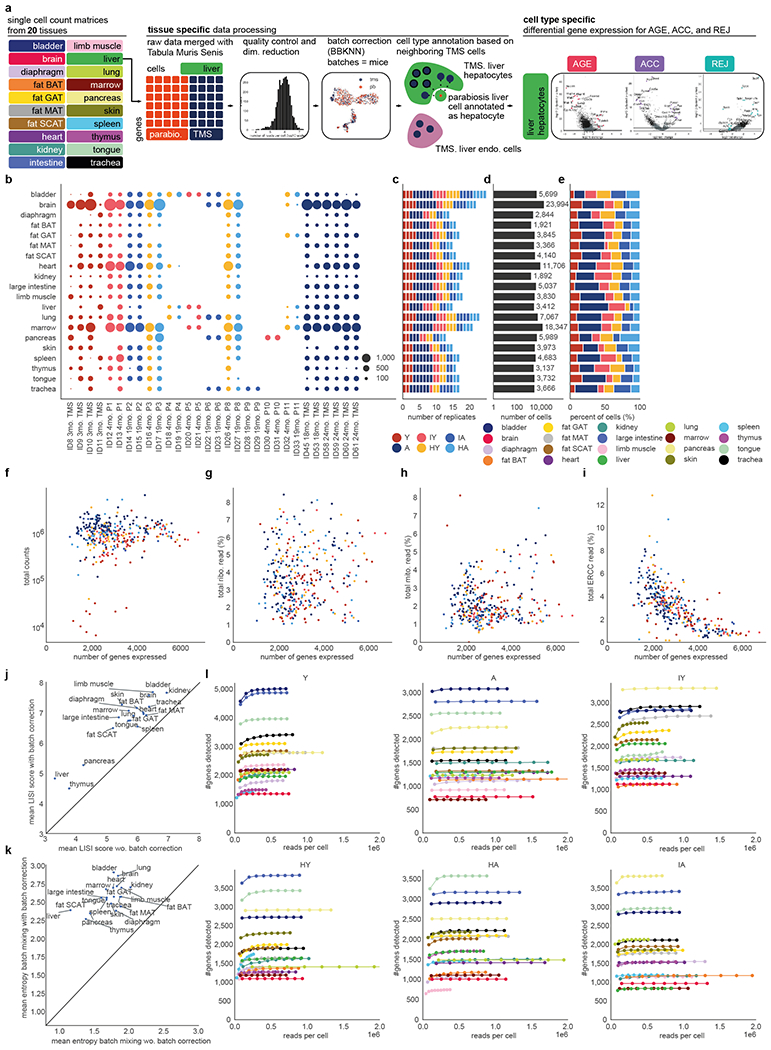
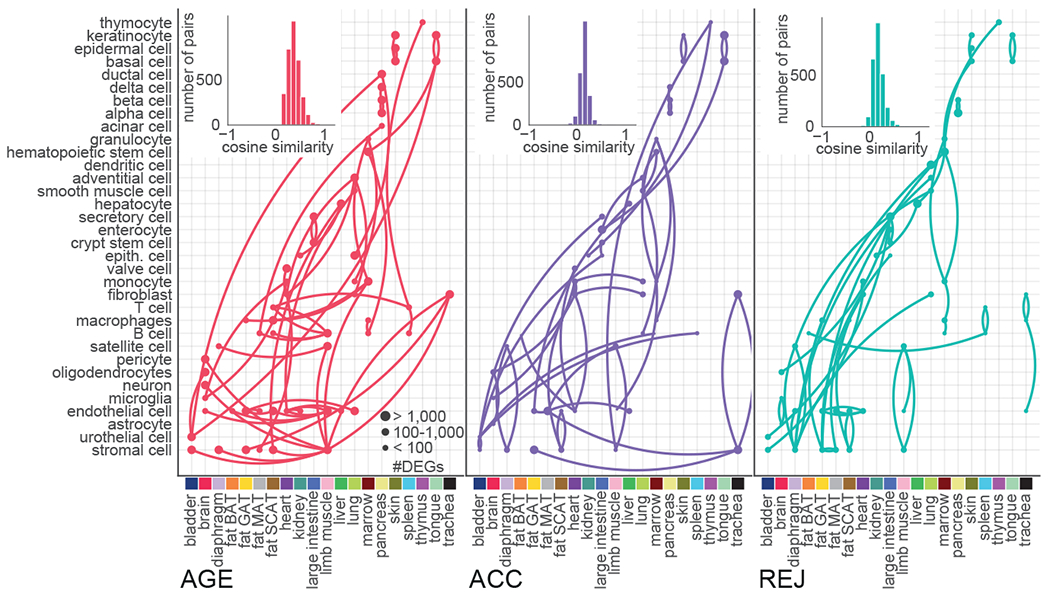
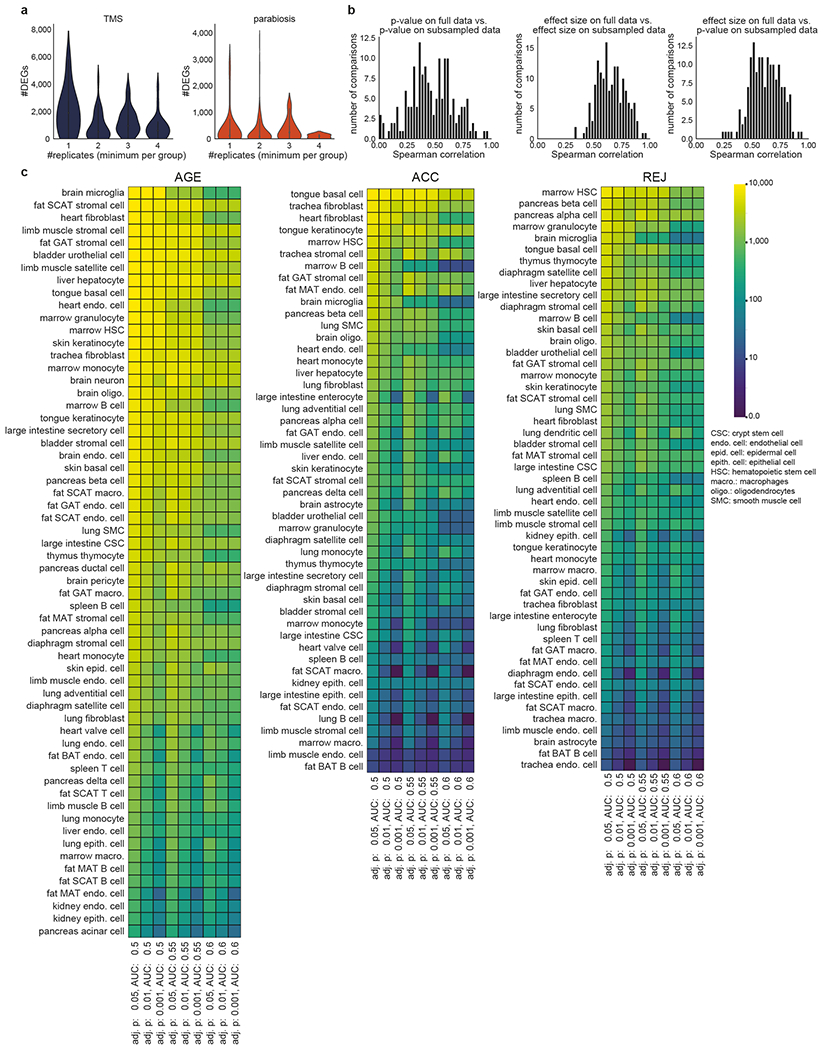
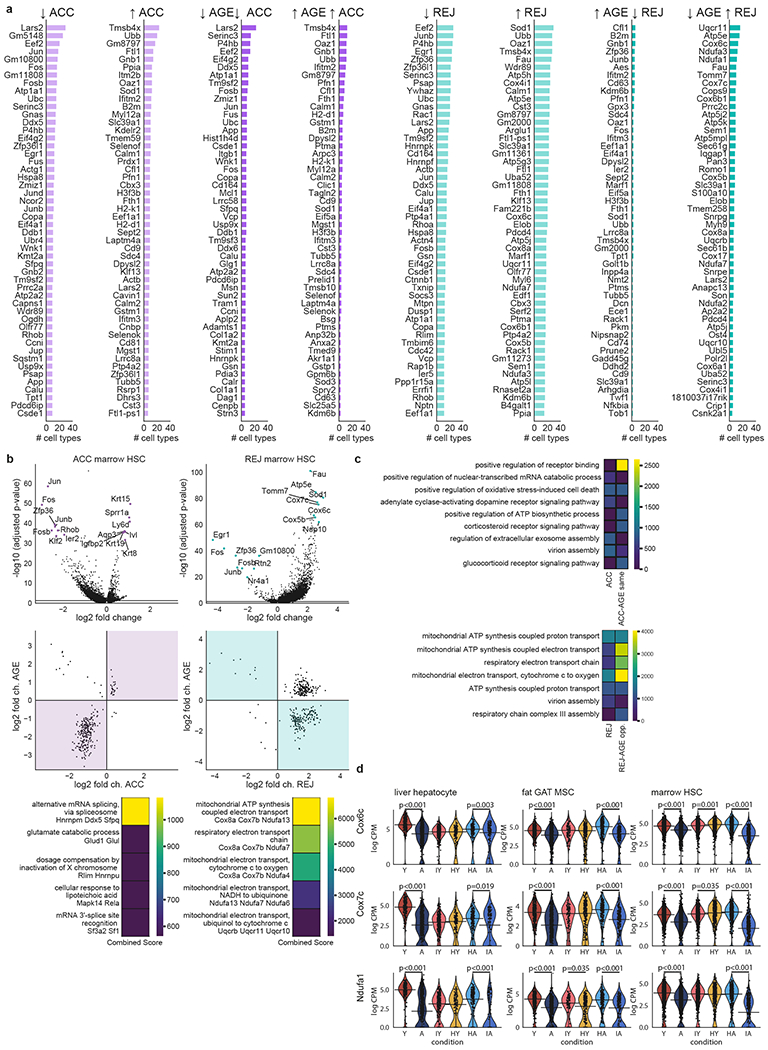
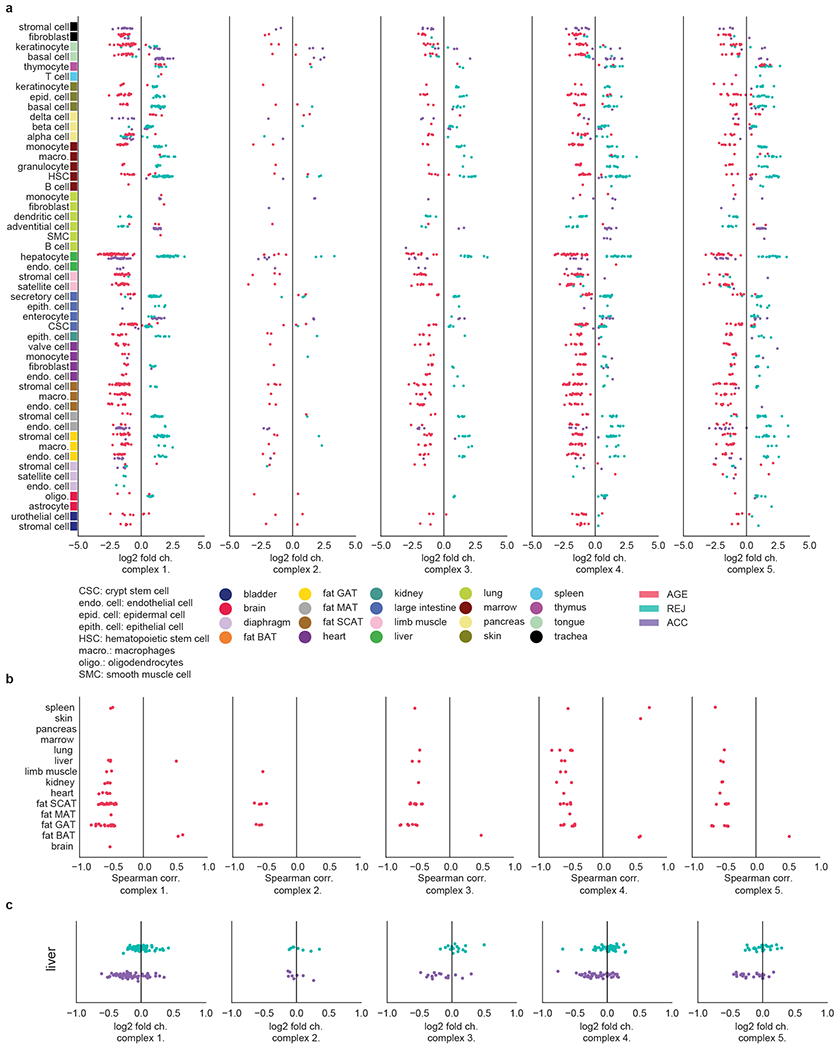
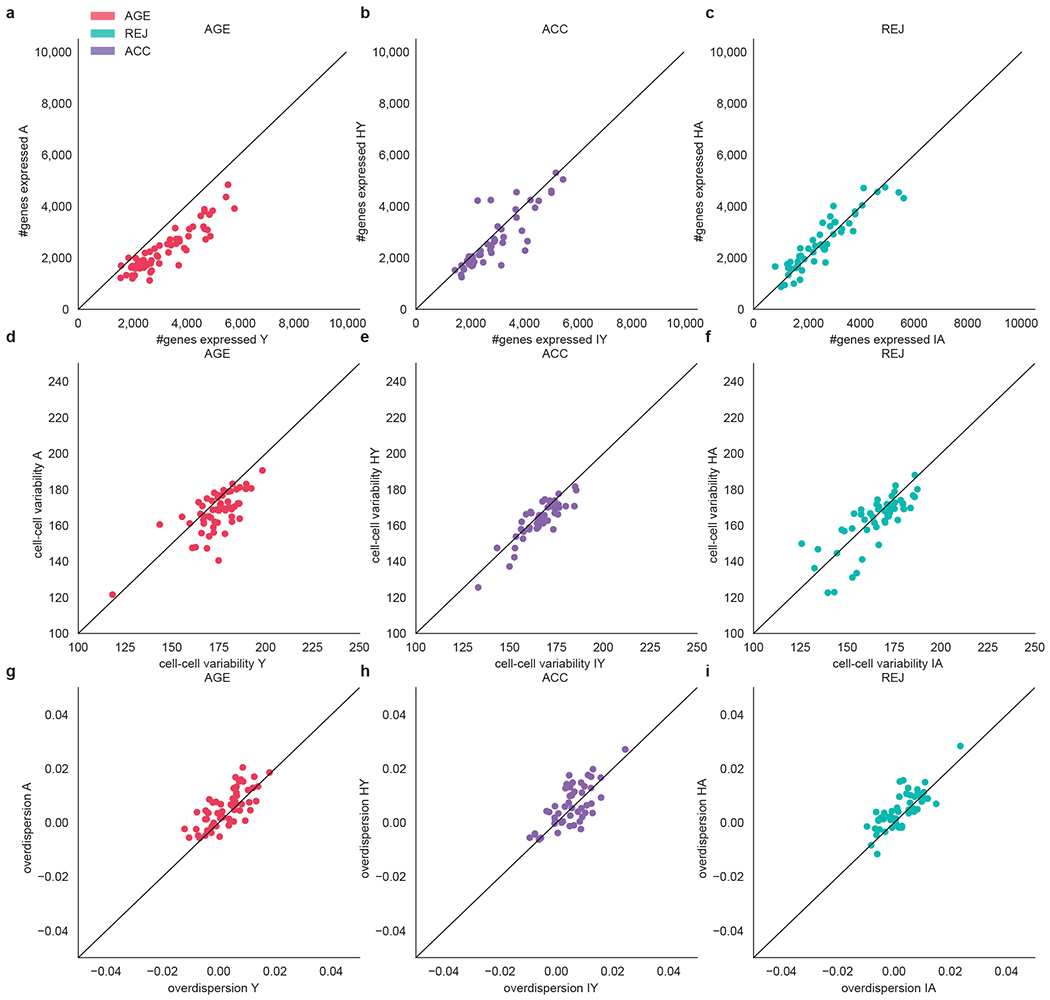
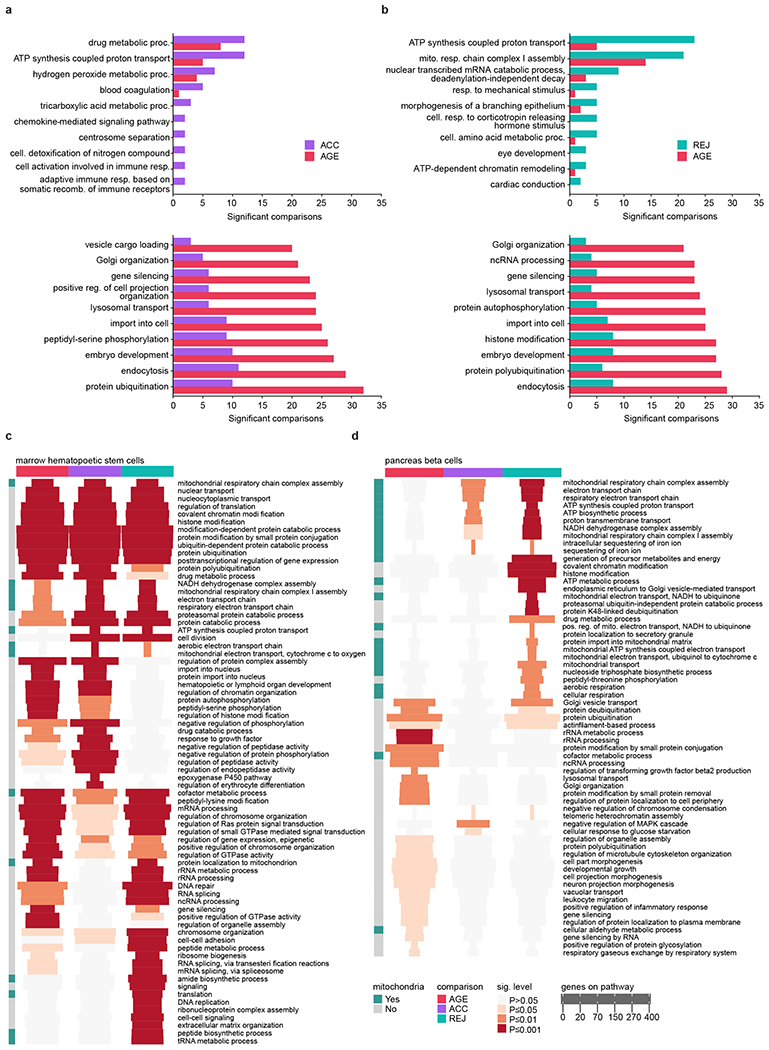
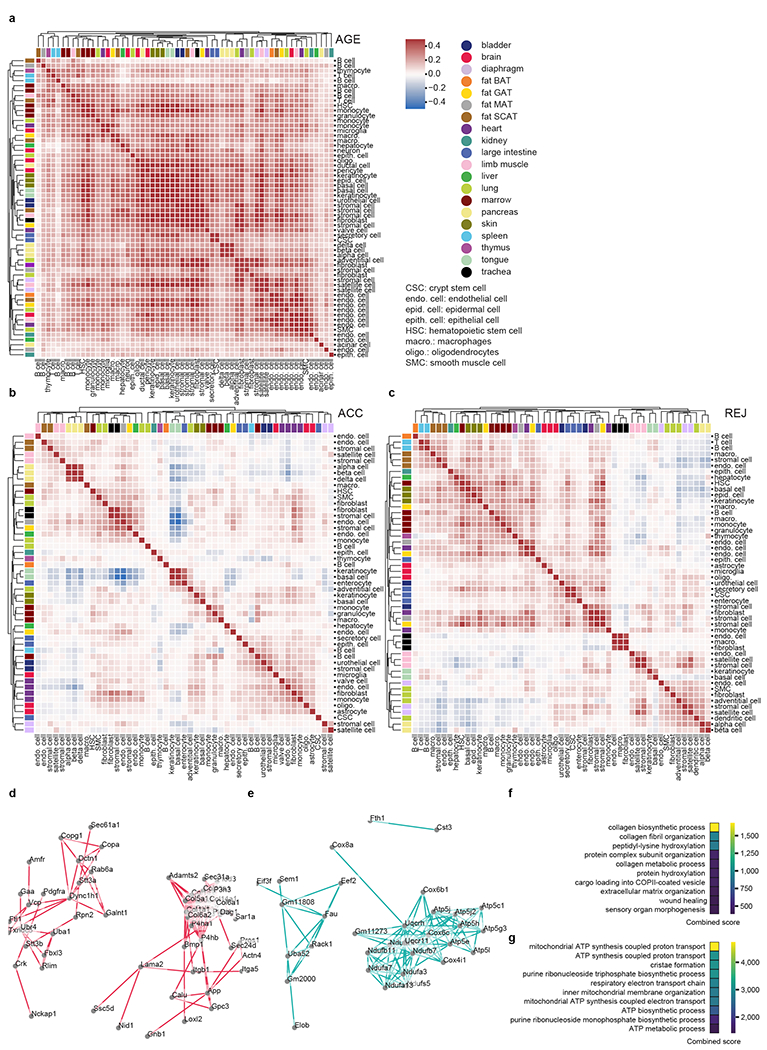
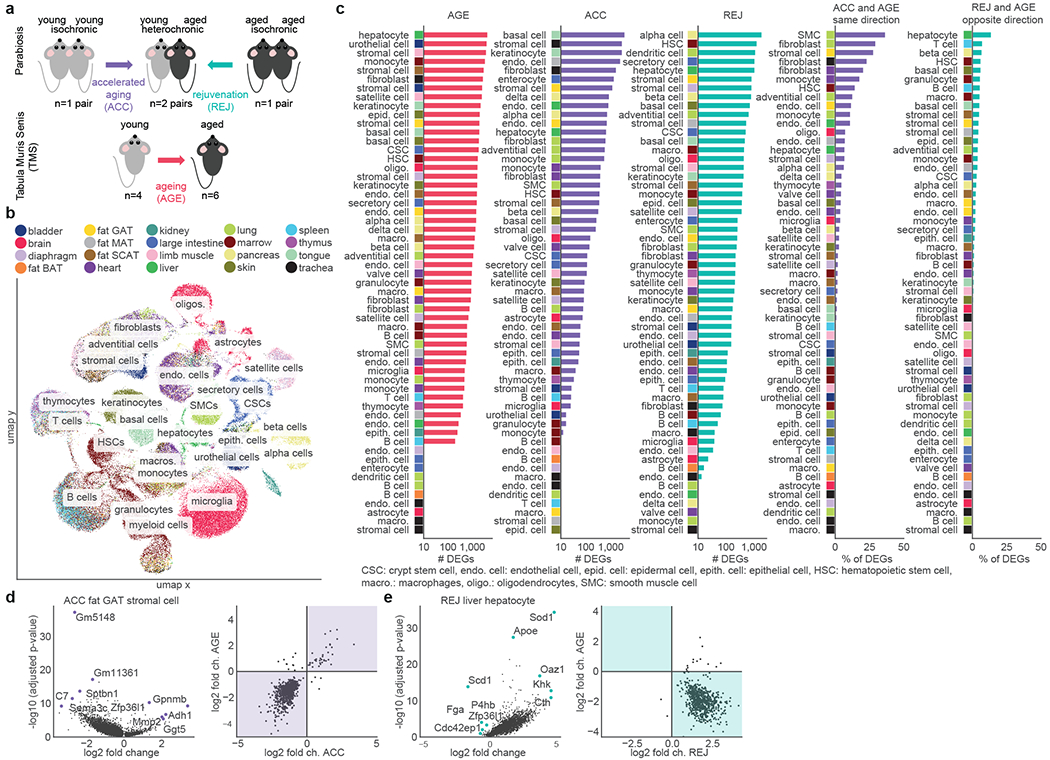
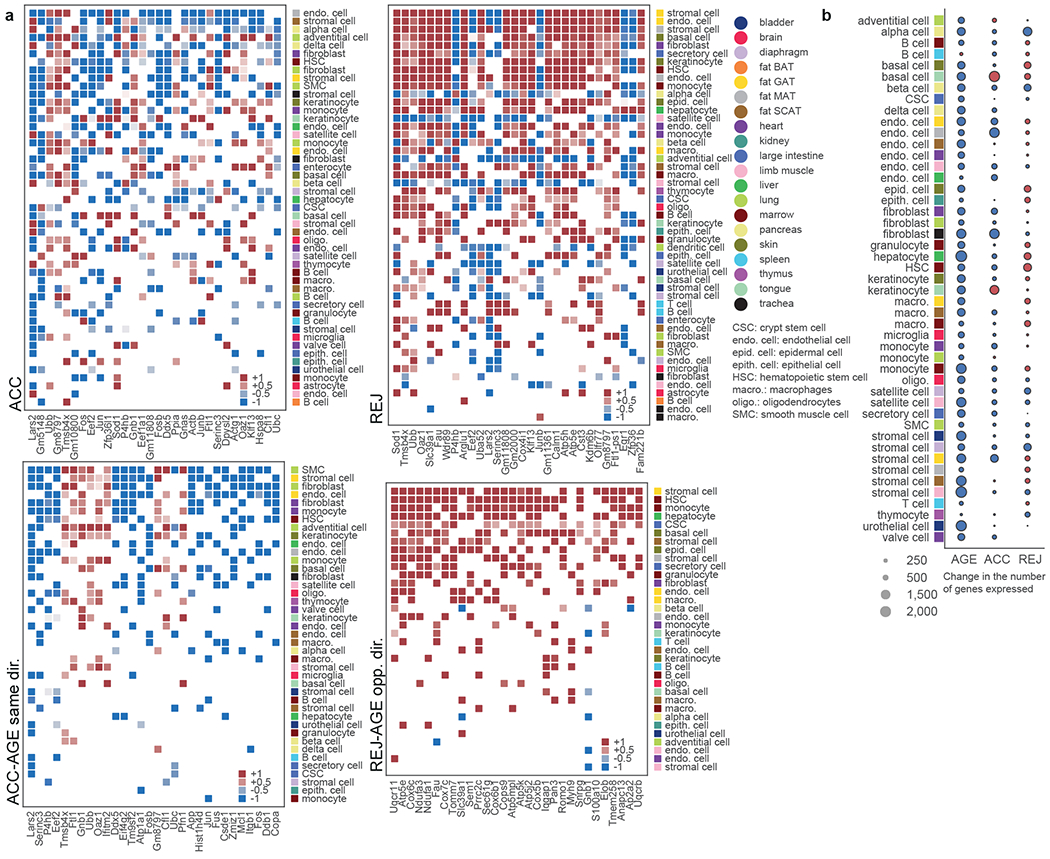
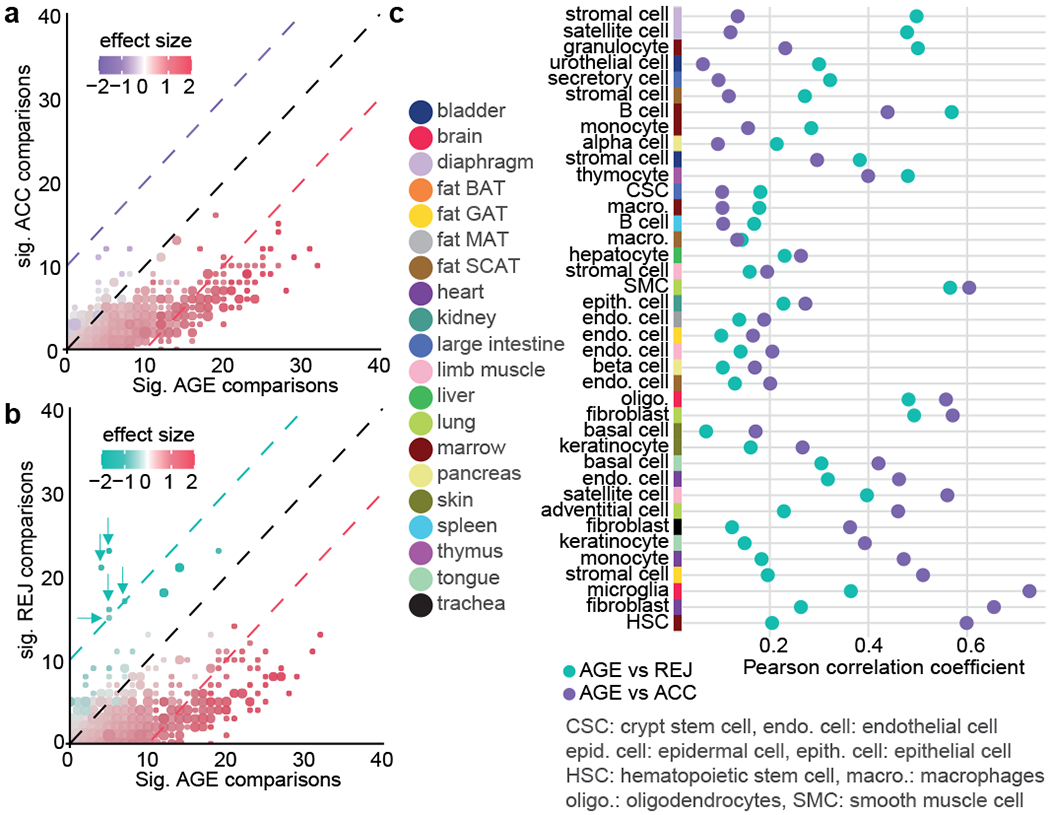
The ability to slow or reverse biological ageing would have major implications for mitigating disease risk and maintaining vitality. Although an increasing number of interventions show promise for rejuvenation, their effectiveness on disparate cell types across the body and the molecular pathways susceptible to rejuvenation remain largely unexplored. Here we performed single-cell RNA sequencing on 20 organs to reveal cell-type-specific responses to young and aged blood in heterochronic parabiosis. Adipose mesenchymal stromal cells, haematopoietic stem cells and hepatocytes are among those cell types that are especially responsive. On the pathway level, young blood invokes new gene sets in addition to reversing established ageing patterns, with the global rescue of genes encoding electron transport chain subunits pinpointing a prominent role of mitochondrial function in parabiosis-mediated rejuvenation. We observed an almost universal loss of gene expression with age that is largely mimicked by parabiosis: aged blood reduces global gene expression, and young blood restores it in select cell types. Together, these data lay the groundwork for a systemic understanding of the interplay between blood-borne factors and cellular integrity.
减缓或逆转生物衰老的能力对于降低疾病风险和维持活力具有重大意义。尽管越来越多的干预措施显示出具有恢复活力的前景,但它们对全身不同细胞类型的有效性以及易受恢复活力影响的分子途径在很大程度上仍未得到探索。在这里,我们对20个器官进行了单细胞RNA测序,以揭示异时联体共生中不同细胞类型对年轻和衰老血液的反应。脂肪间充质基质细胞、造血干细胞和肝细胞是其中特别敏感的细胞类型。在通路水平上,年轻血液除了逆转已有的衰老模式外,还会引发新的基因集,对编码电子传递链亚基的基因进行全面拯救,这表明线粒体功能在联体共生介导的恢复活力中起着重要作用。我们观察到随着年龄增长基因表达几乎普遍丧失,联体共生在很大程度上模拟了这种情况:衰老血液会降低整体基因表达,而年轻血液则能在特定细胞类型中恢复基因表达。总之,这些数据为系统理解血液传播因子与细胞完整性之间的相互作用奠定了基础。