Fjodorova Natalja, Novič Marjana, Venko Katja, Drgan Viktor, Rasulev Bakhtiyor, Türker Saçan Melek, Sağ Erdem Safiye, Tugcu Gulcin, Toropova Alla P, Toropov Andrey A
National Institute of Chemistry, Ljubljana, Slovenia.
North Dakota State University, Fargo, ND, USA.
Comput Struct Biotechnol J. 2022 Feb 12;20:913-924. doi: 10.1016/j.csbj.2022.02.006. eCollection 2022.
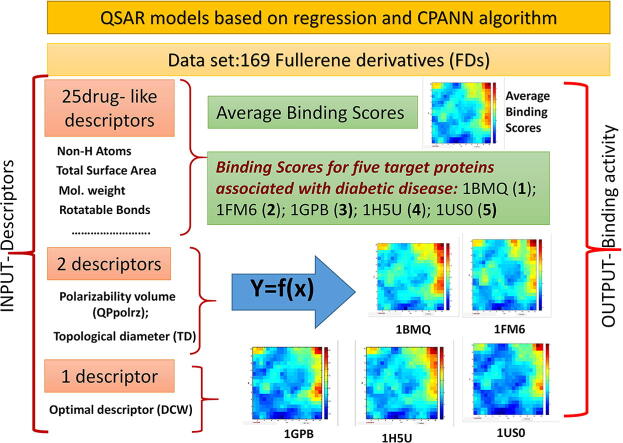
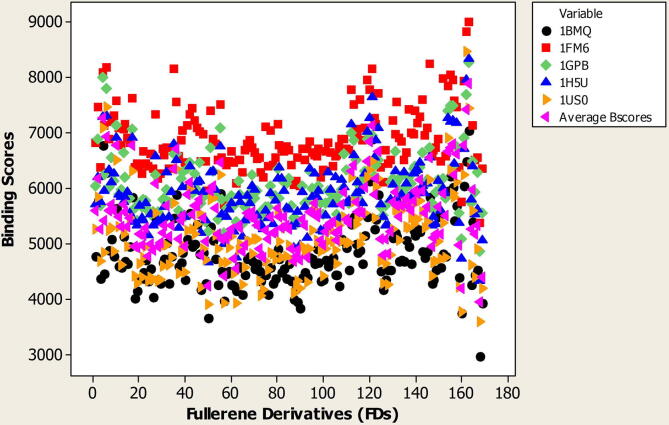
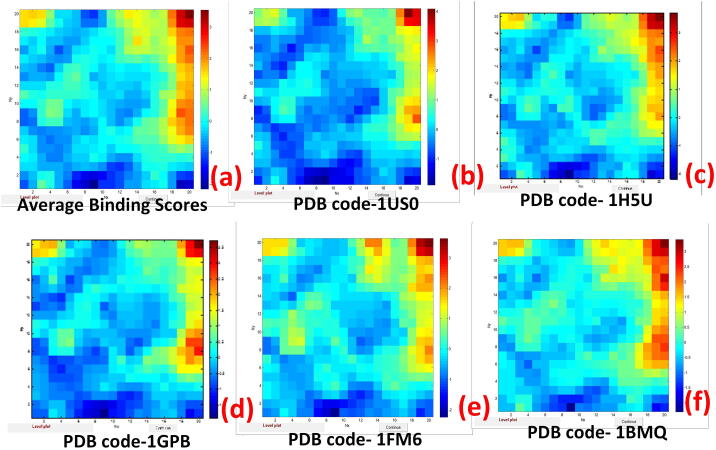
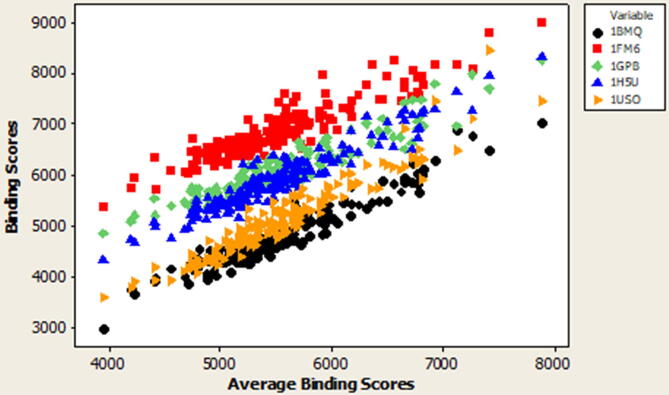
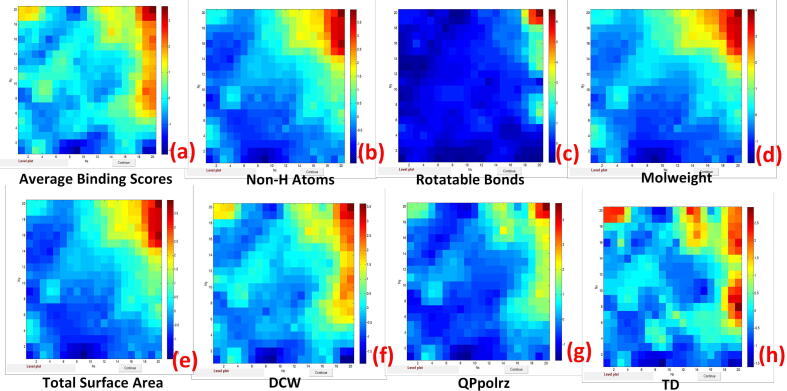
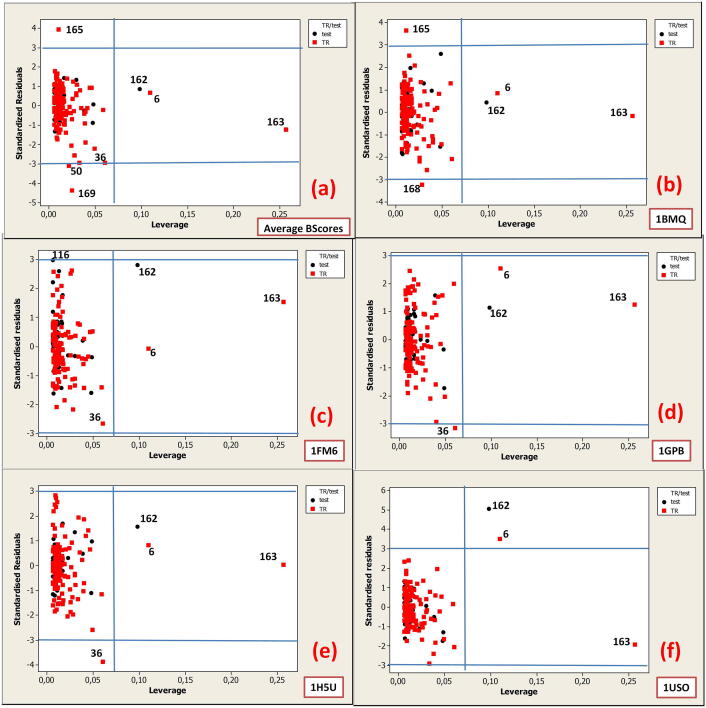
Fullerene derivatives (FDs) belong to a relatively new family of nano-sized organic compounds. They are widely applied in materials science, pharmaceutical industry, and (bio) medicine. This research focused on the study of FDs in terms of their potential inhibitory effect on therapeutic targets associated with diabetic disease, as well as analysis of protein-ligand binding in order to identify the key binding characteristics of FDs. Therapeutic drug compounds when entering the biological system usually inevitably encounter and interact with a vast variety of biomolecules that are responsible for many different functions in organisms. Protein biomolecules are the most important functional components and used in this study as target structures. The structures of proteins [(PDB ID: 1BMQ, 1FM6, 1GPB, 1H5U, 1US0)] belonging to the class of anti-diabetes targets were obtained from the Protein Data Bank (PDB). Protein binding activity data (binding scores) were calculated for the dataset of 169 FDs related to these five proteins. Subsequently, the resulting data were analyzed using various machine learning and cheminformatics methods, including artificial neural network algorithms for variable selection and property prediction. The Quantitative Structure-Activity Relationship (QSAR) models for prediction of binding scores activity were built up according to five Organization for Economic Co-operation and Development (OECD) principles. All the data obtained can provide important information for further potential use of FDs with different functional groups as promising medical antidiabetic agents. Binding scores activity can be used for ranking of FDs in terms of their inhibitory activity (pharmacological properties) and potential toxicity.
富勒烯衍生物(FDs)属于一类相对较新的纳米级有机化合物。它们广泛应用于材料科学、制药工业和(生物)医学领域。本研究聚焦于富勒烯衍生物对糖尿病相关治疗靶点的潜在抑制作用,以及蛋白质 - 配体结合分析,以确定富勒烯衍生物的关键结合特性。治疗性药物化合物进入生物系统时,通常不可避免地会与多种负责生物体许多不同功能的生物分子相遇并相互作用。蛋白质生物分子是最重要的功能成分,本研究将其用作目标结构。属于抗糖尿病靶点类别的蛋白质结构[(蛋白质数据银行(PDB)ID:1BMQ、1FM6、1GPB、1H5U、1US0)]从蛋白质数据银行获取。针对与这五种蛋白质相关的169种富勒烯衍生物数据集计算了蛋白质结合活性数据(结合分数)。随后,使用各种机器学习和化学信息学方法对所得数据进行分析,包括用于变量选择和性质预测的人工神经网络算法。根据经济合作与发展组织(OECD)的五项原则建立了用于预测结合分数活性的定量构效关系(QSAR)模型。所获得的所有数据可为进一步将具有不同官能团的富勒烯衍生物用作有前景的抗糖尿病药物提供重要信息。结合分数活性可用于根据富勒烯衍生物的抑制活性(药理性质)和潜在毒性进行排名。