Wang Yuang, Lu Xuehe, Wu Xiaohui, Li Yan, Tang Wantao, Yang Changping, Liu Jianbing, Ding Baoquan
School of Materials Science and Engineering, Henan Institute of Advanced Technology, Zhengzhou University, Zhengzhou 450001, China.
CAS Key Laboratory of Nanosystem and Hierarchical Fabrication, CAS Center for Excellence in Nanoscience, National Center for Nanoscience and Technology, Beijing 100190, China.
Innovation (Camb). 2022 Feb 10;3(2):100217. doi: 10.1016/j.xinn.2022.100217. eCollection 2022 Mar 29.
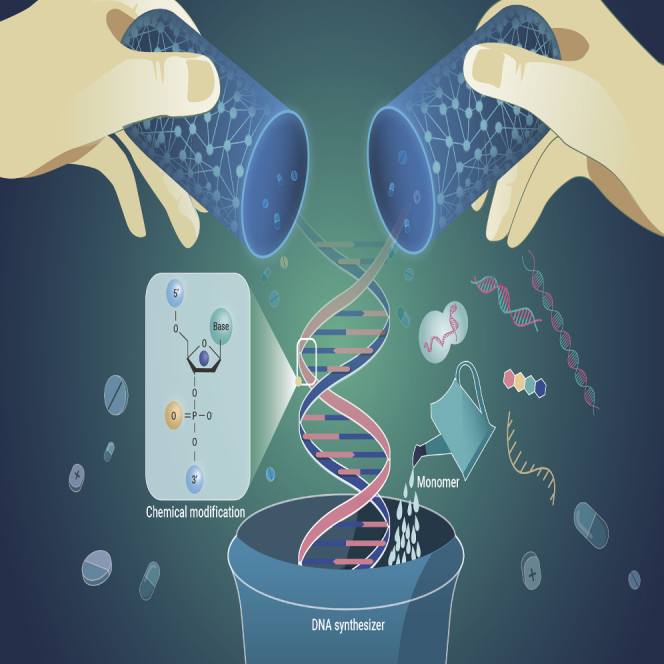
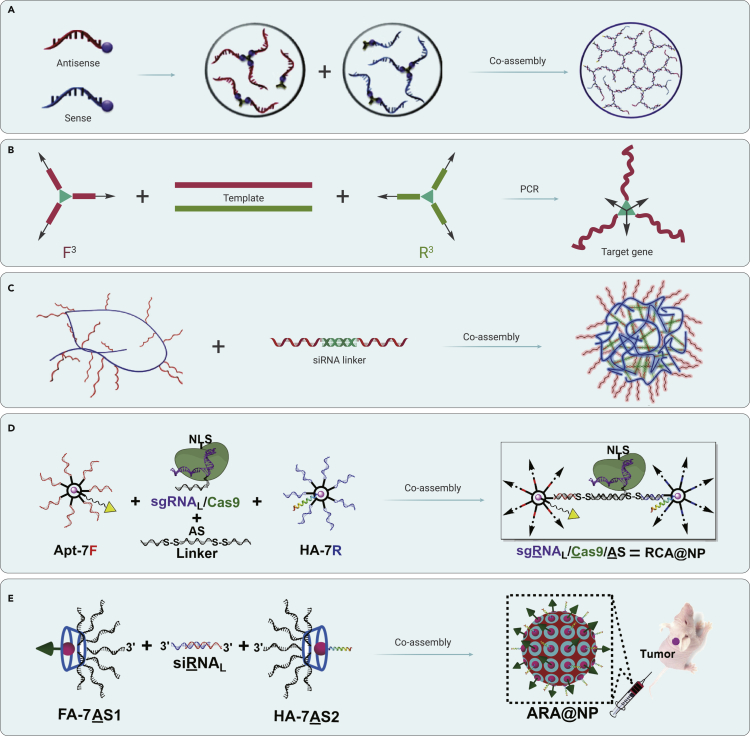
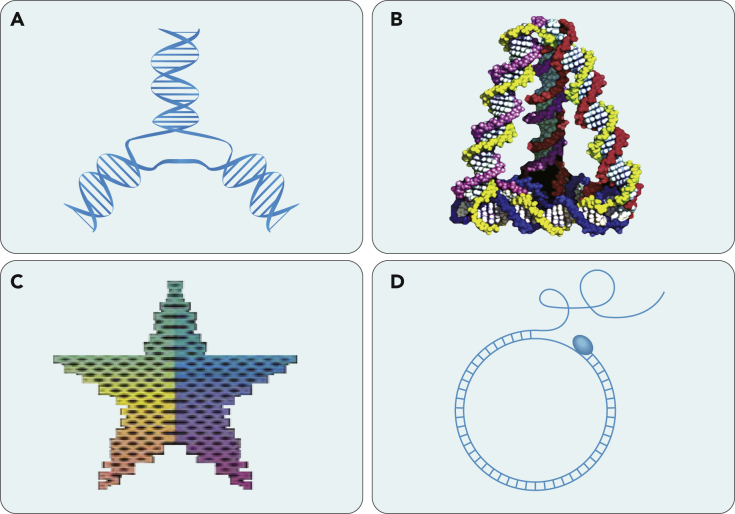
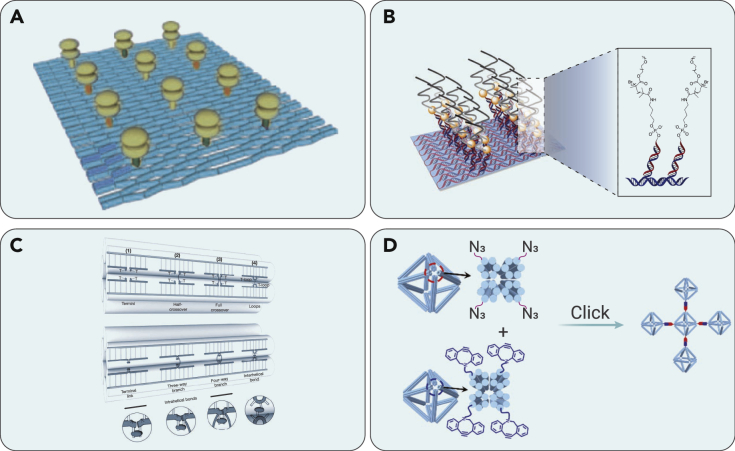
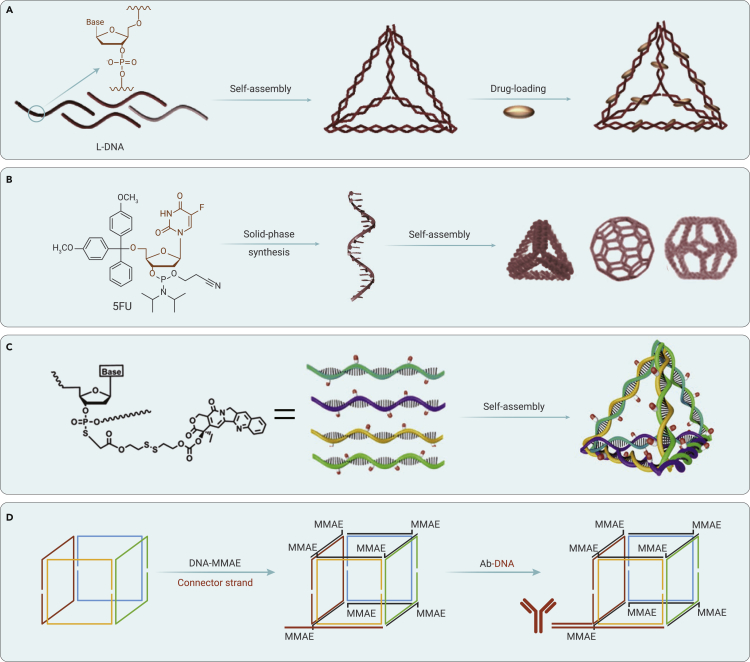
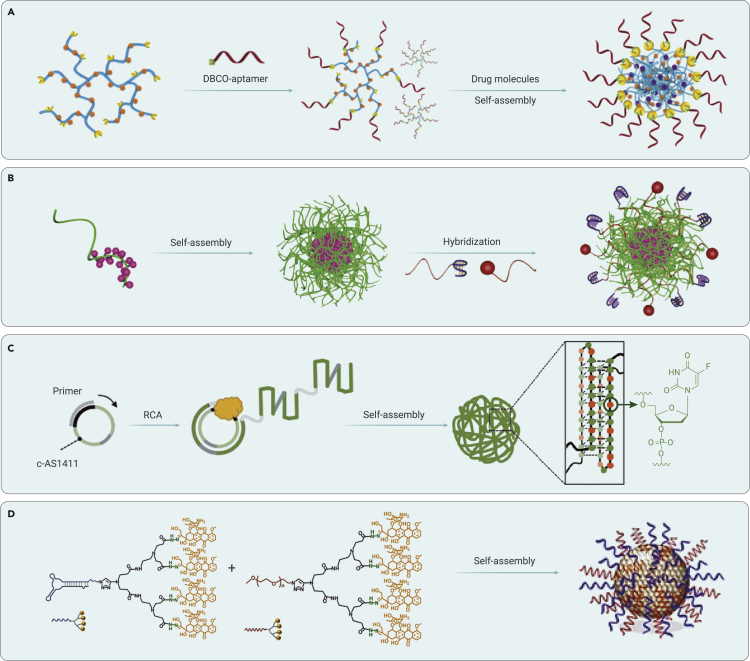
Based on predictable, complementary base pairing, DNA can be artificially pre-designed into versatile DNA nanostructures of well-defined shapes and sizes. With excellent addressability and biocompatibility, DNA nanostructures have been widely employed in biomedical research, such as bio-sensing, bio-imaging, and drug delivery. With the development of the chemical biology of nucleic acid, chemically modified nucleic acids are also gradually developed to construct multifunctional DNA nanostructures. In this review, we summarize the recent progress in the construction and functionalization of chemically modified DNA nanostructures. Their applications in the delivery of chemotherapeutic drugs and nucleic acid drugs are highlighted. Furthermore, the remaining challenges and future prospects in drug delivery by chemically modified DNA nanostructures are discussed.
基于可预测的互补碱基配对,DNA可以被人工预先设计成具有明确形状和尺寸的多功能DNA纳米结构。由于具有出色的可寻址性和生物相容性,DNA纳米结构已被广泛应用于生物医学研究,如生物传感、生物成像和药物递送。随着核酸化学生物学的发展,化学修饰的核酸也逐渐被开发用于构建多功能DNA纳米结构。在这篇综述中,我们总结了化学修饰DNA纳米结构构建和功能化方面的最新进展。重点介绍了它们在化疗药物和核酸药物递送中的应用。此外,还讨论了化学修饰DNA纳米结构在药物递送中仍然存在的挑战和未来前景。