Medical Research Council Laboratory of Molecular Biology, Cambridge, United Kingdom.
Thermo Fisher Scientific, Eindhoven, Netherlands.
Elife. 2022 Mar 4;11:e76494. doi: 10.7554/eLife.76494.
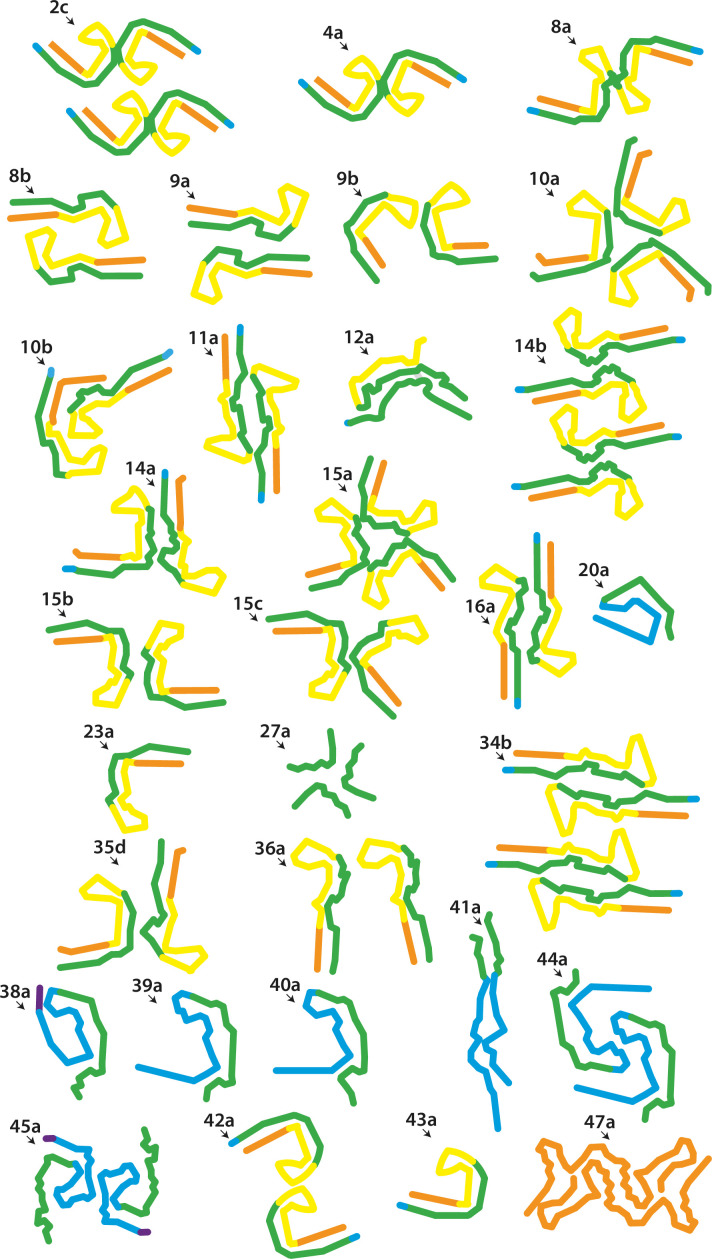
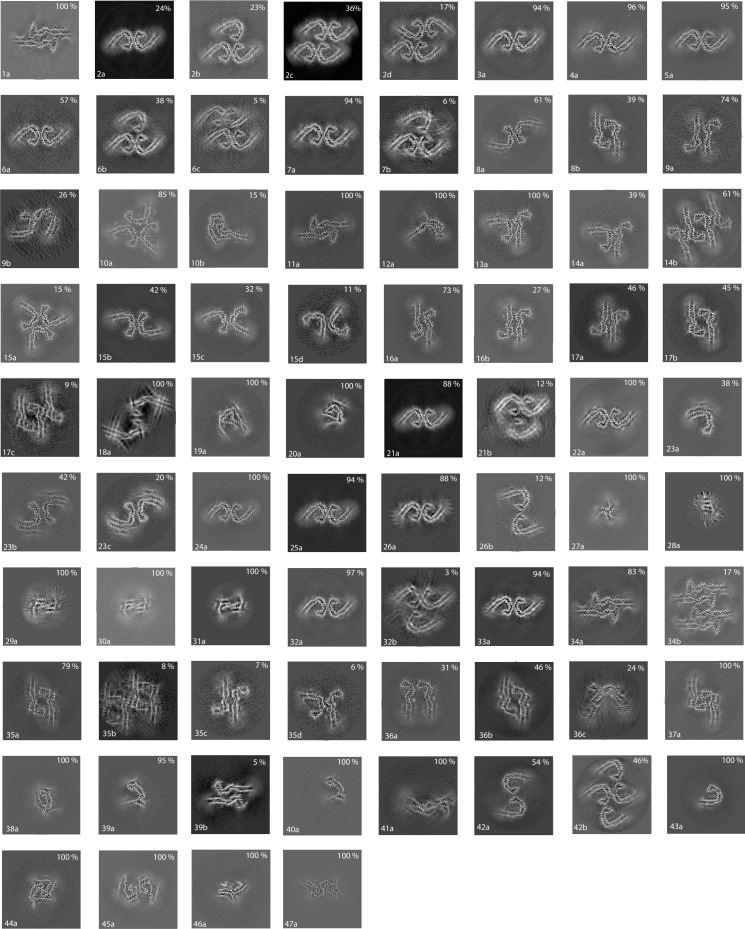
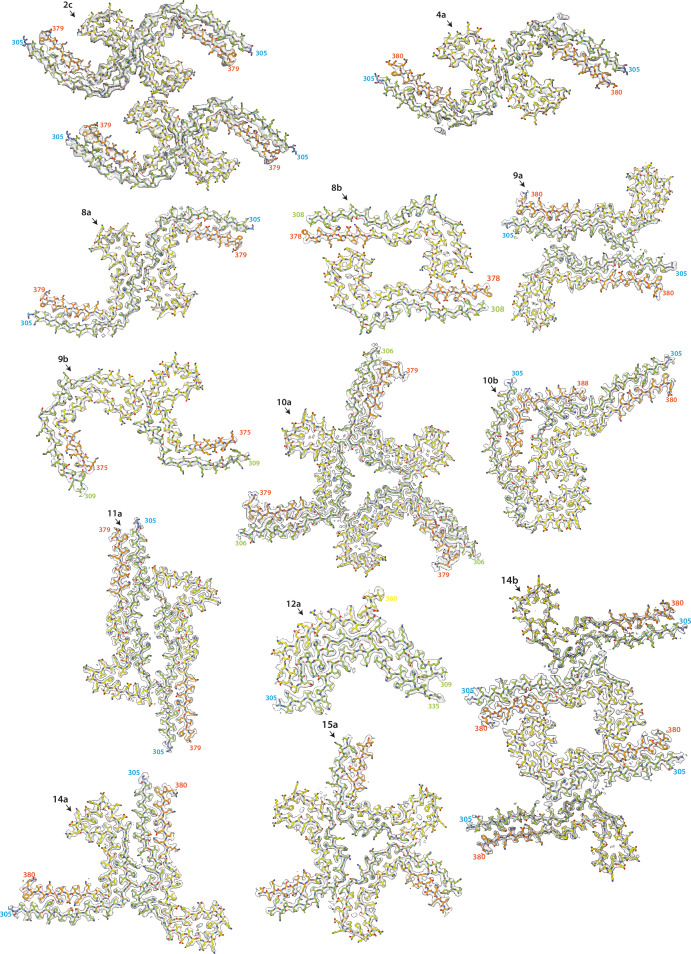
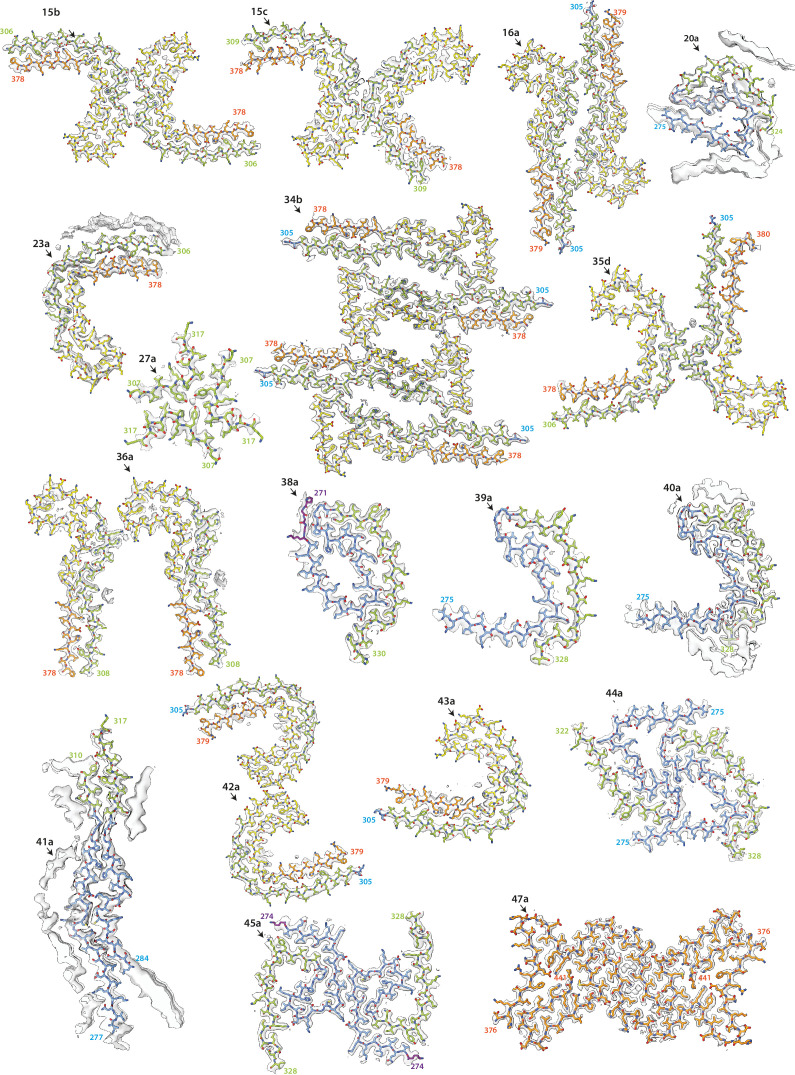
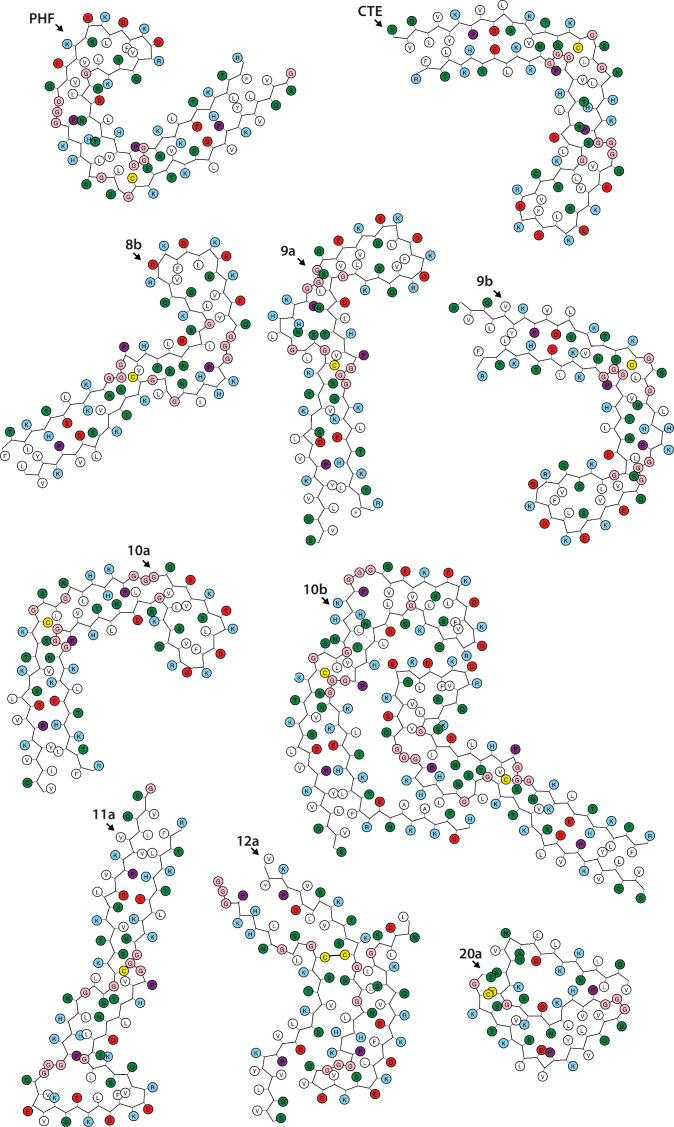
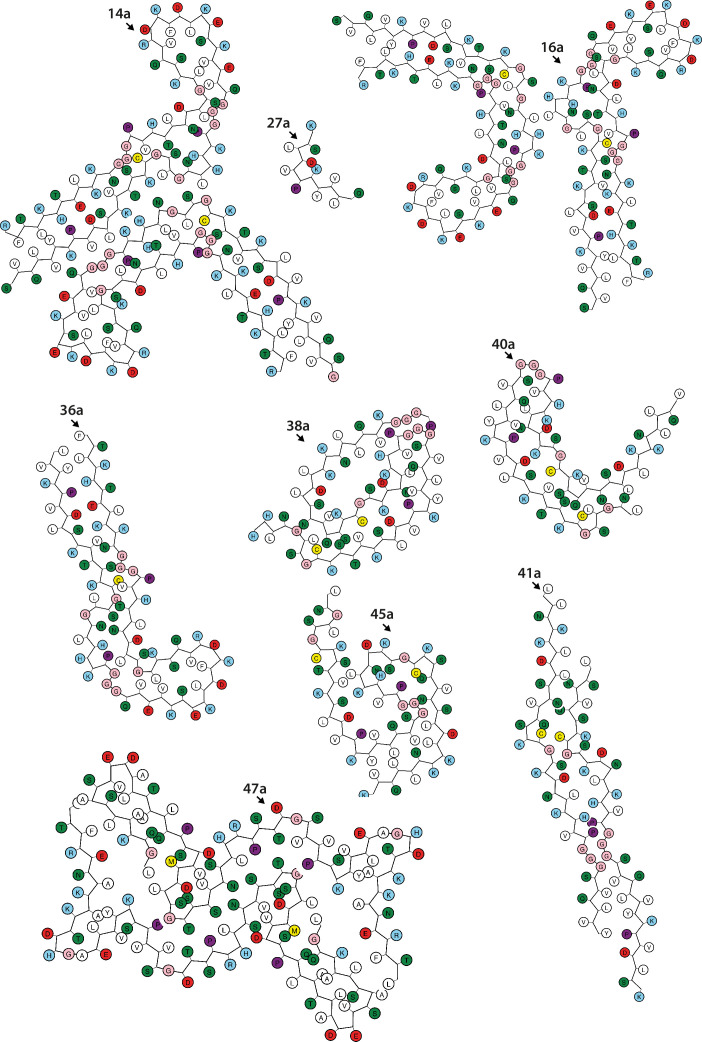
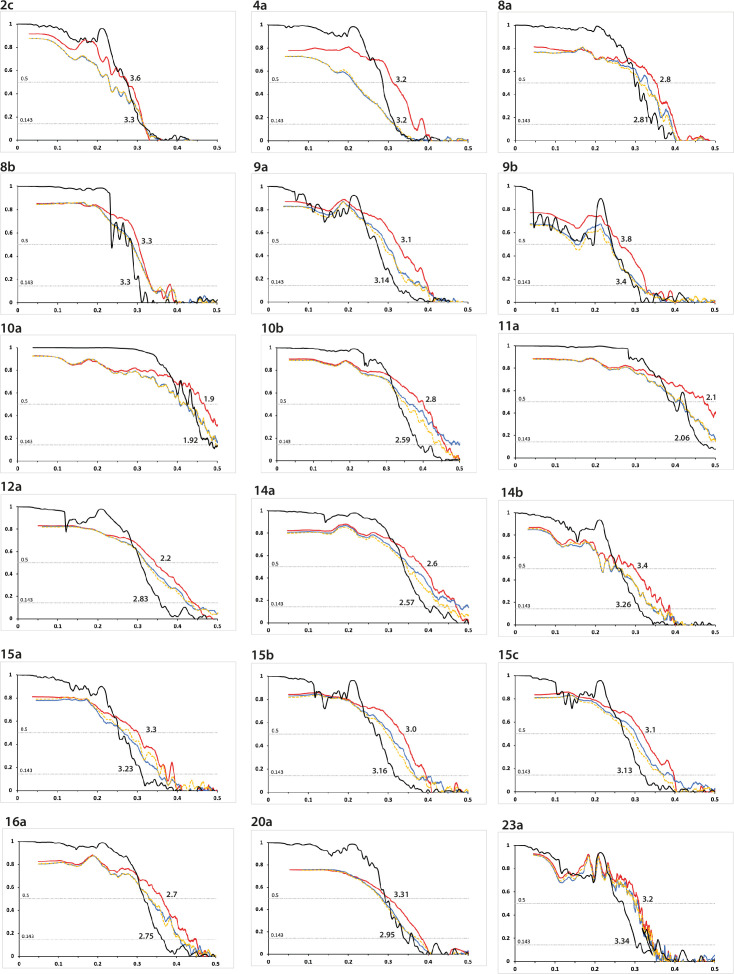
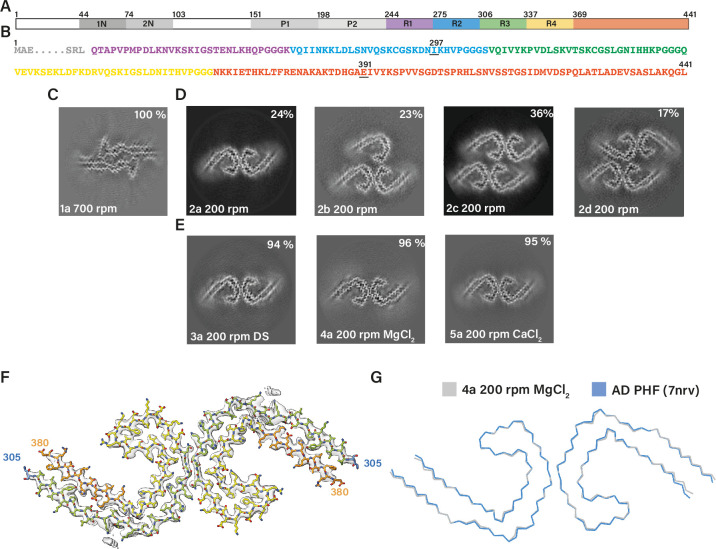
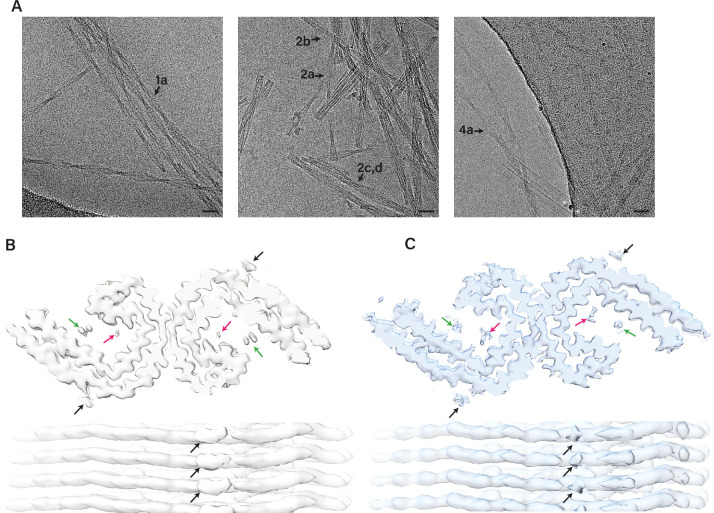
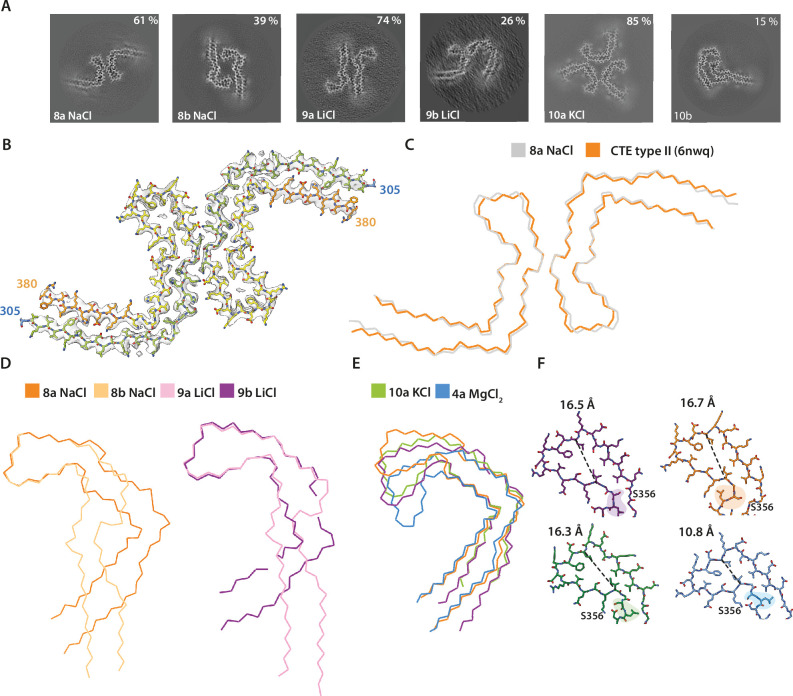
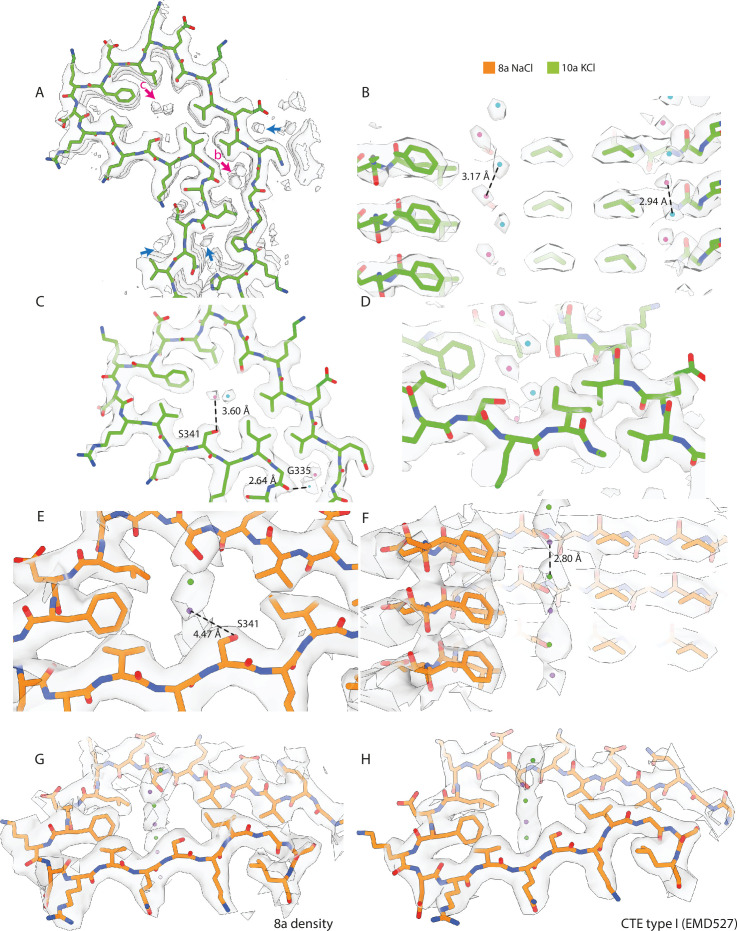
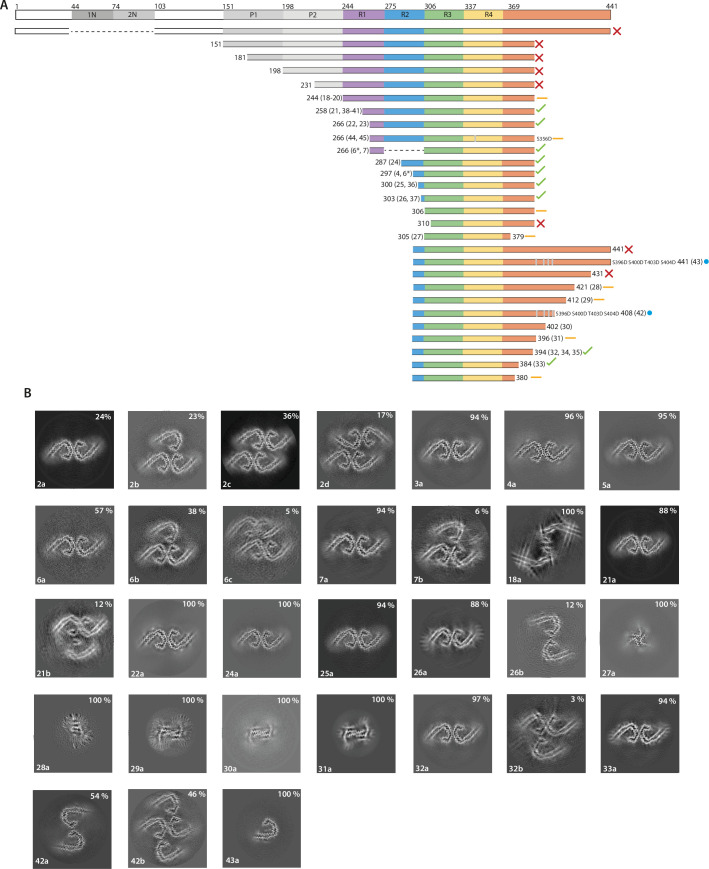
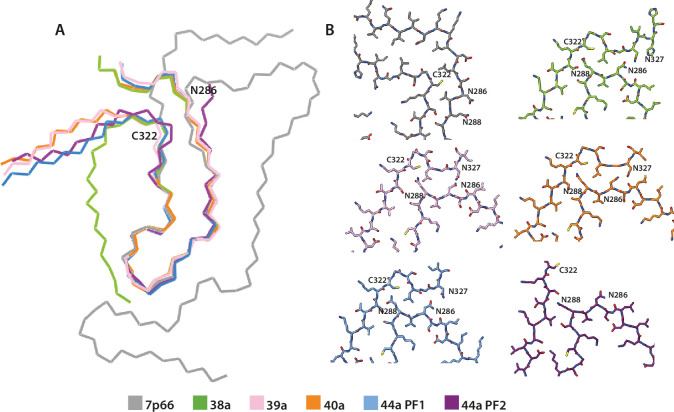
Abundant filamentous inclusions of tau are characteristic of more than 20 neurodegenerative diseases that are collectively termed tauopathies. Electron cryo-microscopy (cryo-EM) structures of tau amyloid filaments from human brain revealed that distinct tau folds characterise many different diseases. A lack of laboratory-based model systems to generate these structures has hampered efforts to uncover the molecular mechanisms that underlie tauopathies. Here, we report in vitro assembly conditions with recombinant tau that replicate the structures of filaments from both Alzheimer's disease (AD) and chronic traumatic encephalopathy (CTE), as determined by cryo-EM. Our results suggest that post-translational modifications of tau modulate filament assembly, and that previously observed additional densities in AD and CTE filaments may arise from the presence of inorganic salts, like phosphates and sodium chloride. In vitro assembly of tau into disease-relevant filaments will facilitate studies to determine their roles in different diseases, as well as the development of compounds that specifically bind to these structures or prevent their formation.
tau 的大量丝状包涵物是 20 多种神经退行性疾病的特征,这些疾病统称为 tau 病。来自人脑的 tau 淀粉样纤维的电子冷冻显微镜 (cryo-EM) 结构表明,许多不同的疾病具有不同的 tau 折叠。缺乏基于实验室的模型系统来产生这些结构,阻碍了揭示 tau 病基础分子机制的努力。在这里,我们报告了使用重组 tau 的体外组装条件,这些条件复制了冷冻电镜确定的来自阿尔茨海默病 (AD) 和慢性创伤性脑病 (CTE) 的纤维的结构。我们的结果表明,tau 的翻译后修饰调节纤维组装,并且 AD 和 CTE 纤维中观察到的额外密度可能来自于磷酸盐和氯化钠等无机盐的存在。tau 体外组装成与疾病相关的纤维将有助于研究它们在不同疾病中的作用,以及开发专门结合这些结构或防止其形成的化合物。