Peng Jiao, Li Xi, Zheng Lin, Duan Lifang, Gao Zhengxian, Hu Die, Li Jie, Li Xiaofeng, Shen Xiangchun, Xiao Haitao
Department of Pharmacy, Peking University Shenzhen Hospital, Shenzhen, People's Republic of China.
School of Pharmaceutical Sciences, Health Science Center, Shenzhen University, Shenzhen, People's Republic of China.
J Inflamm Res. 2022 Feb 28;15:1457-1470. doi: 10.2147/JIR.S352863. eCollection 2022.
GLP-1 based therapy represents a new treatment option for inflammatory bowel disease. Ban-Lan-Gen (BLG) granule, a known anti-viral TCM formulation, exhibits potential anti-inflammatory activities in treating various kinds of inflammation. However, its anti-inflammatory effect on colitis and the underlying mechanisms remain unknown.
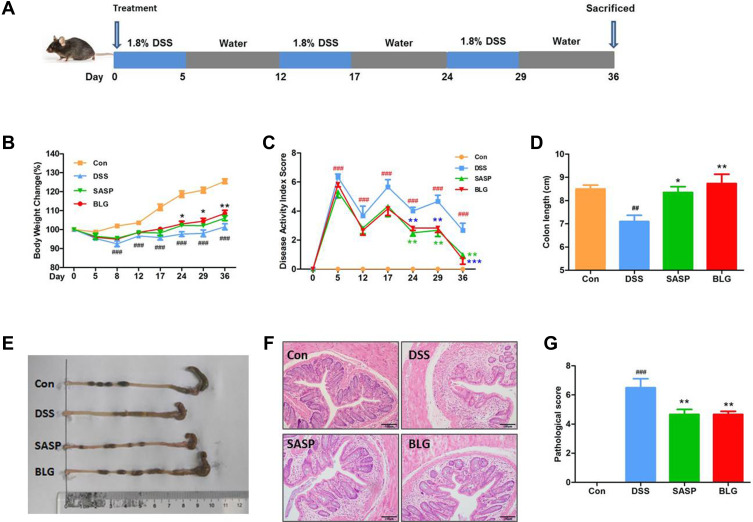
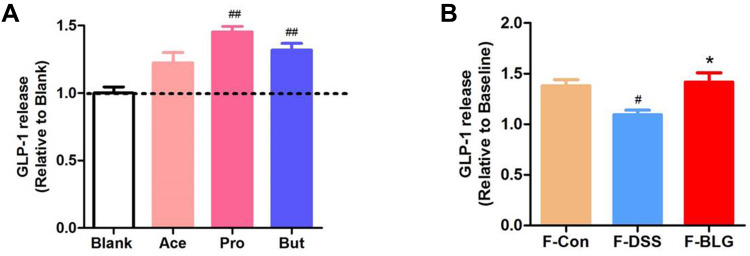
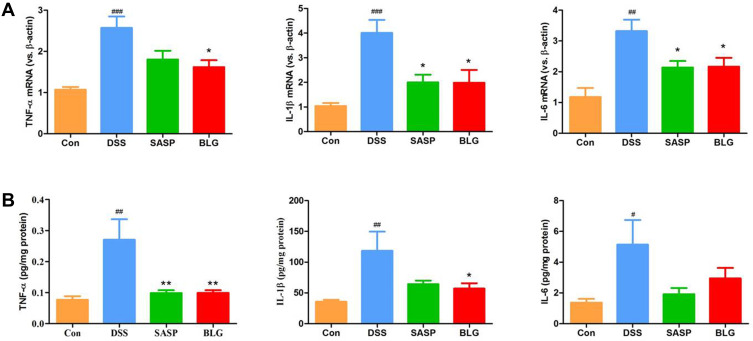
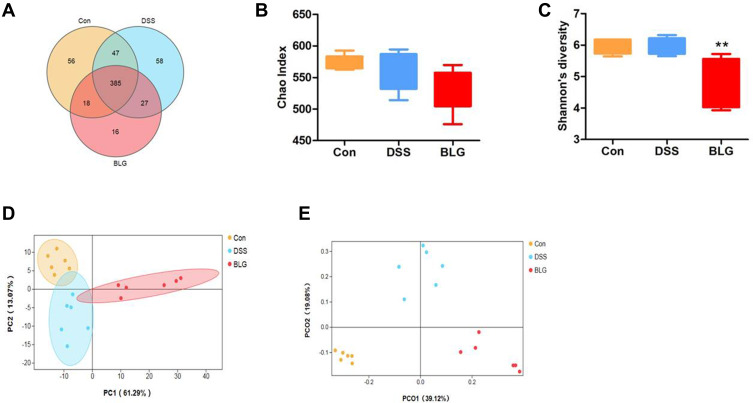
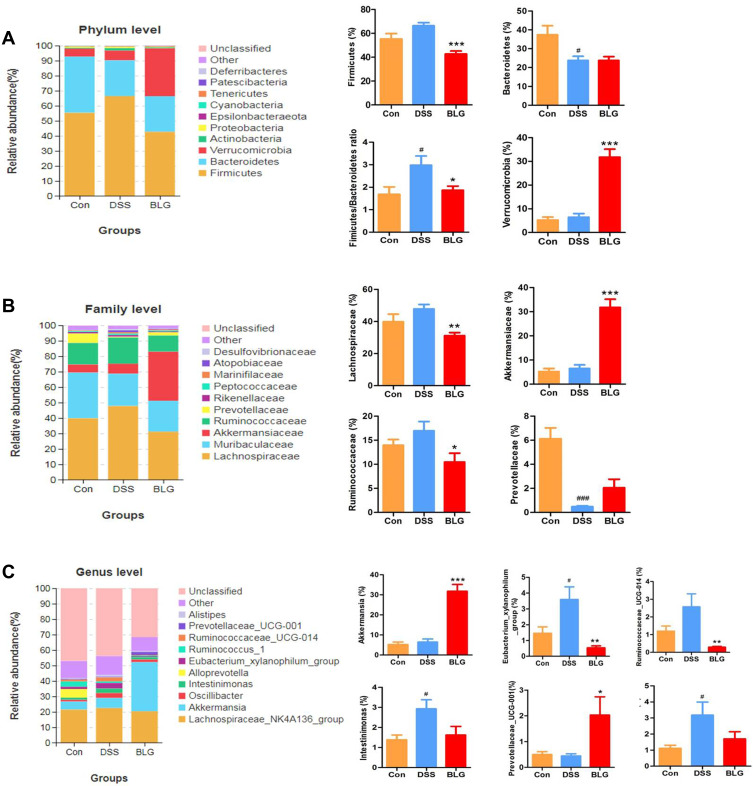
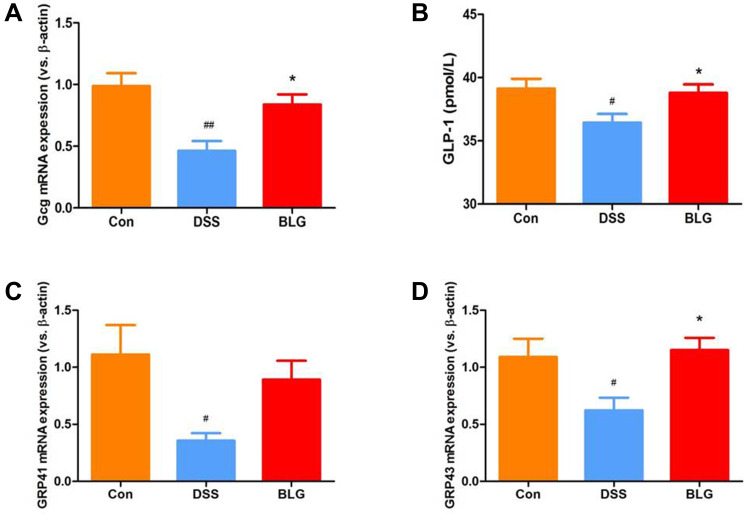
Dextran sulfate sodium (DSS)-induced chronic relapsing colitis in mice was established. The disease activity index, histological sign of damage, and levels of proinflammatory cytokines were performed to assess the protective effects of BLG. Serum GLP-1 level and colonic Gcg, GPR41 and GRP43 expression, the community compositions of gut microbiota, the levels of SCFAs in the feces and GLP-1 release from primary murine colon epithelial cells were performed to characterize the effects of BLG on gut microbiota and gut SCFA derived-GLP-1 production.
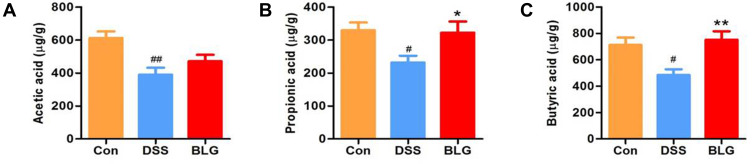
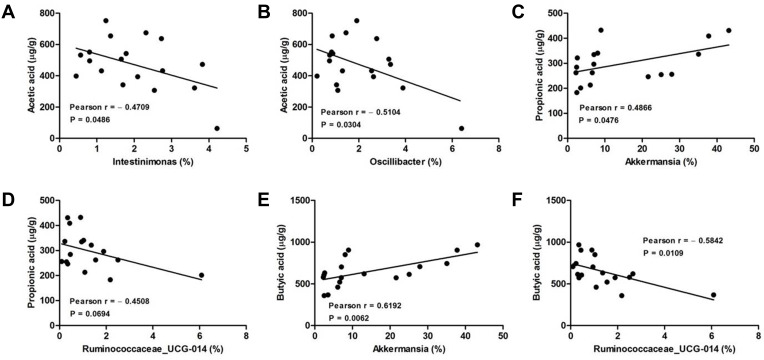
BLG treatment significantly alleviated body weight loss, DAI, colon shortening, colon tissue damage, and pro-inflammatory cytokine levels of TNF-α, IL-1β and IL-6 in the colon tissues. Moreover, BLG treatment could observably restore colonic Gcg, GPR41 and GRP43 expression and serum GLP-1 level of colitic mice, as well as correct the alteration of gut microbiota in colitic mice by increasing the abundances of SCFA-producing bacteria, eg, and , and decreasing the abundances of bacteria, eg, , and . Furthermore, BLG treatment could markedly increase the levels of SCFAs in feces of colitic mice. In parallel, ex vivo assay also showed that and the extract of feces from BLG-treatment mice could greatly stimulate the secretion of GLP-1 from primary murine colon epithelial cells.
These findings suggest that the anti-colitis effects of BLG are achieved at least partly by regulating gut microbiota and restoring gut SCFA derived-GLP-1 production, and BLG has the potential to be developed as a promising agent for the treatment of chronic relapsing colitis.
基于胰高血糖素样肽-1(GLP-1)的疗法是炎症性肠病的一种新治疗选择。板蓝根(BLG)颗粒是一种已知的抗病毒中药制剂,在治疗各种炎症方面具有潜在的抗炎活性。然而,其对结肠炎的抗炎作用及潜在机制尚不清楚。
建立葡聚糖硫酸钠(DSS)诱导的小鼠慢性复发性结肠炎模型。通过疾病活动指数、组织损伤的组织学征象及促炎细胞因子水平来评估BLG的保护作用。检测血清GLP-1水平、结肠中胰高血糖素原(Gcg)、G蛋白偶联受体41(GPR41)和G蛋白偶联受体43(GRP43)的表达、肠道微生物群的群落组成、粪便中短链脂肪酸(SCFA)水平以及原代小鼠结肠上皮细胞中GLP-1的释放,以表征BLG对肠道微生物群及肠道SCFA衍生的GLP-1产生的影响。
BLG治疗显著减轻了体重减轻、疾病活动指数、结肠缩短、结肠组织损伤以及结肠组织中肿瘤坏死因子-α(TNF-α)、白细胞介素-1β(IL-1β)和白细胞介素-6(IL-6)等促炎细胞因子水平。此外,BLG治疗可明显恢复结肠炎小鼠的结肠Gcg、GPR41和GRP43表达及血清GLP-1水平,并通过增加产SCFA细菌(如 和 )的丰度以及降低细菌(如 、 和 )的丰度来纠正结肠炎小鼠肠道微生物群的改变。此外,BLG治疗可显著提高结肠炎小鼠粪便中SCFA的水平。同时,体外实验还表明,来自BLG治疗小鼠的粪便提取物可极大地刺激原代小鼠结肠上皮细胞分泌GLP-1。
这些发现表明,BLG的抗结肠炎作用至少部分是通过调节肠道微生物群和恢复肠道SCFA衍生的GLP-1产生来实现的,并且BLG有潜力被开发成为一种治疗慢性复发性结肠炎的有前景的药物。