Liu Zaoqu, Xu Hui, Ge Xiaoyong, Weng Siyuan, Dang Qin, Han Xinwei
Department of Interventional Radiology, The First Affiliated Hospital of Zhengzhou University, Zhengzhou, China.
Interventional Institute of Zhengzhou University, Zhengzhou, China.
Front Cell Dev Biol. 2022 Feb 17;10:790214. doi: 10.3389/fcell.2022.790214. eCollection 2022.
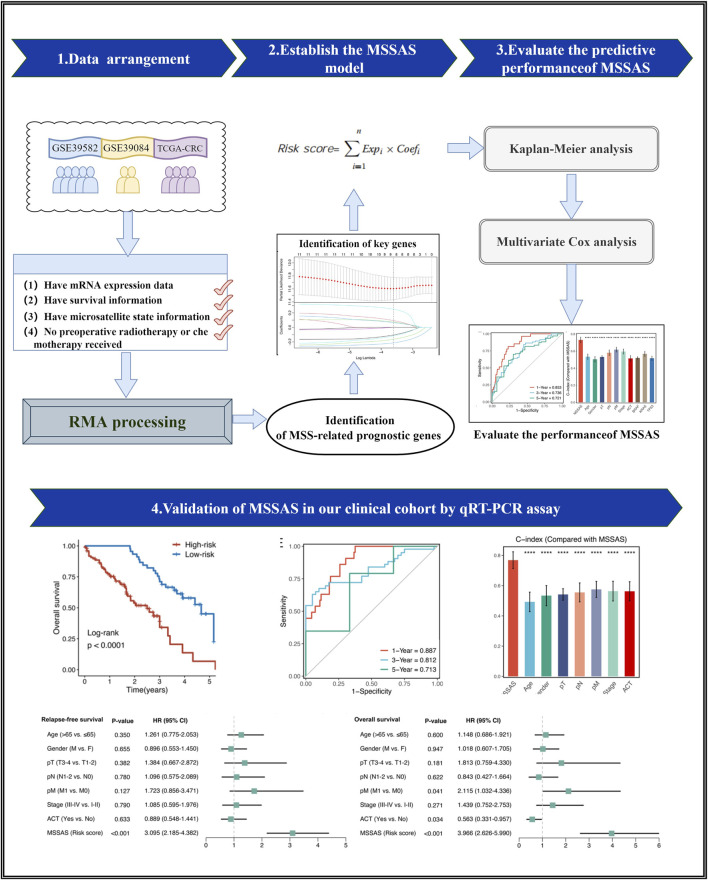
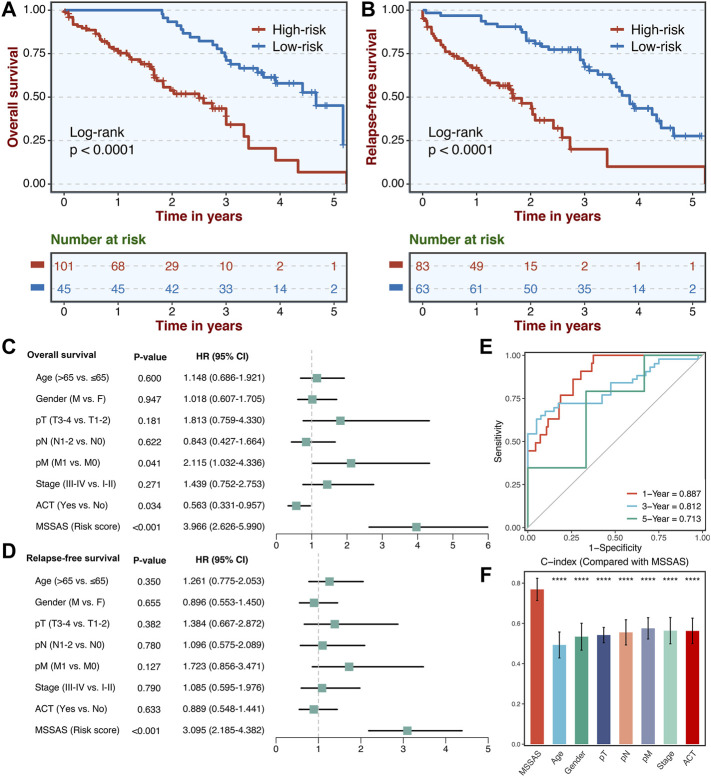
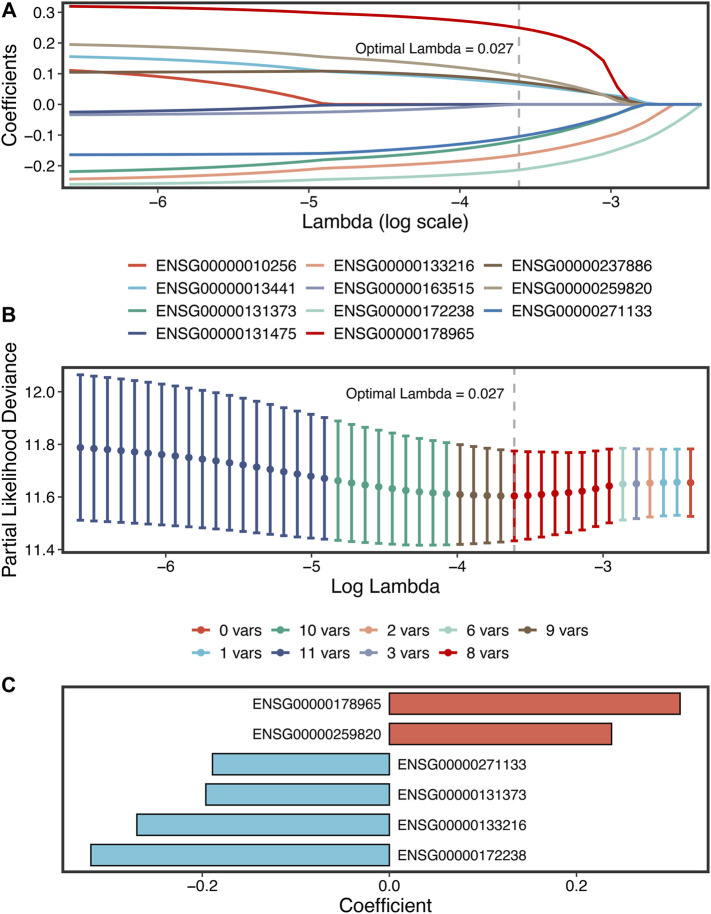
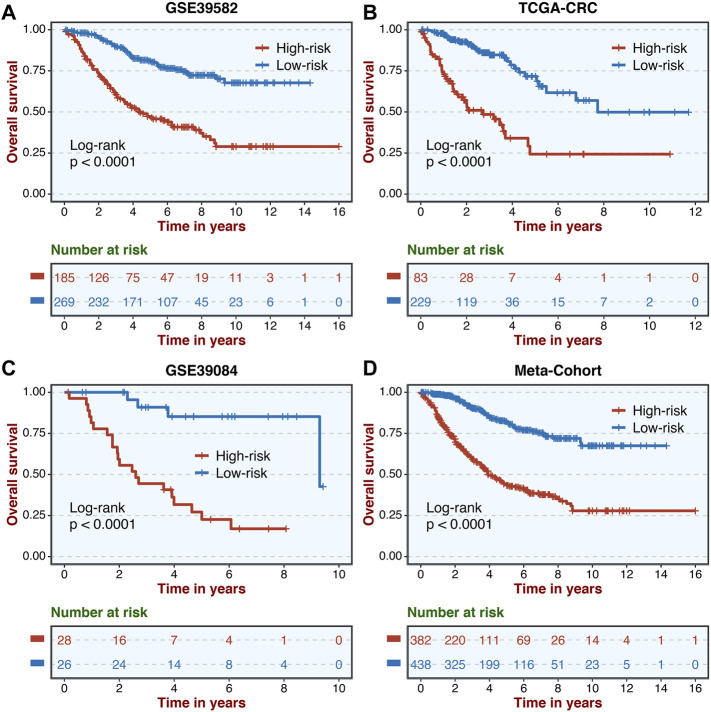
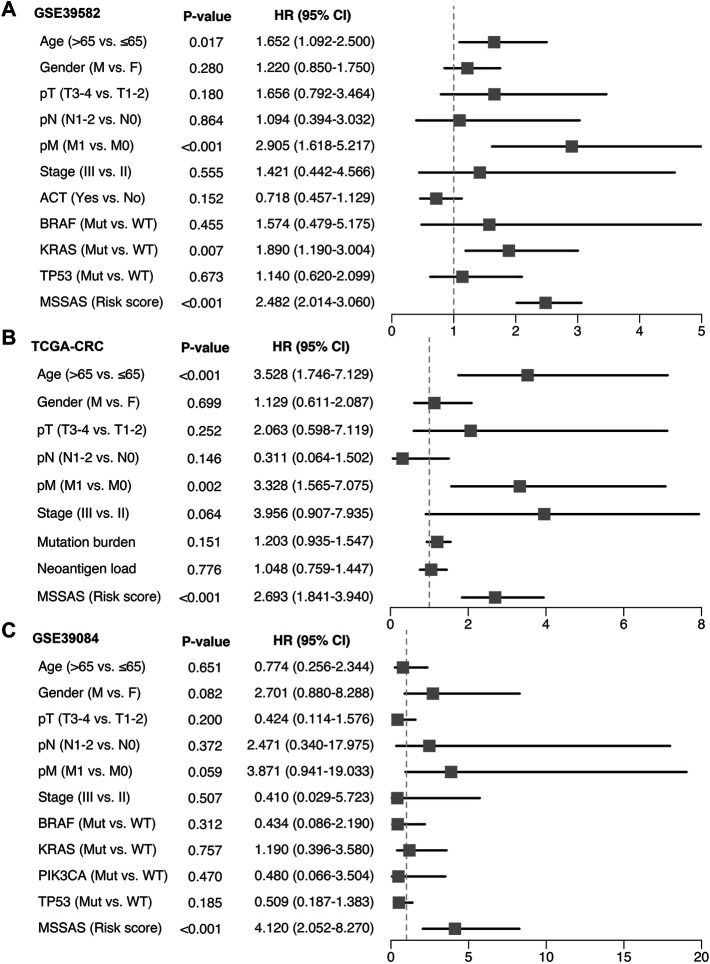
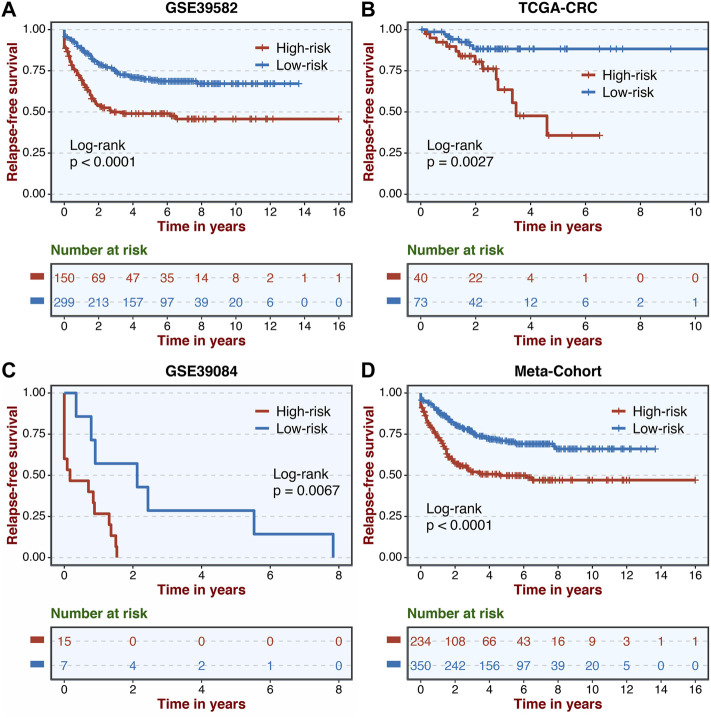
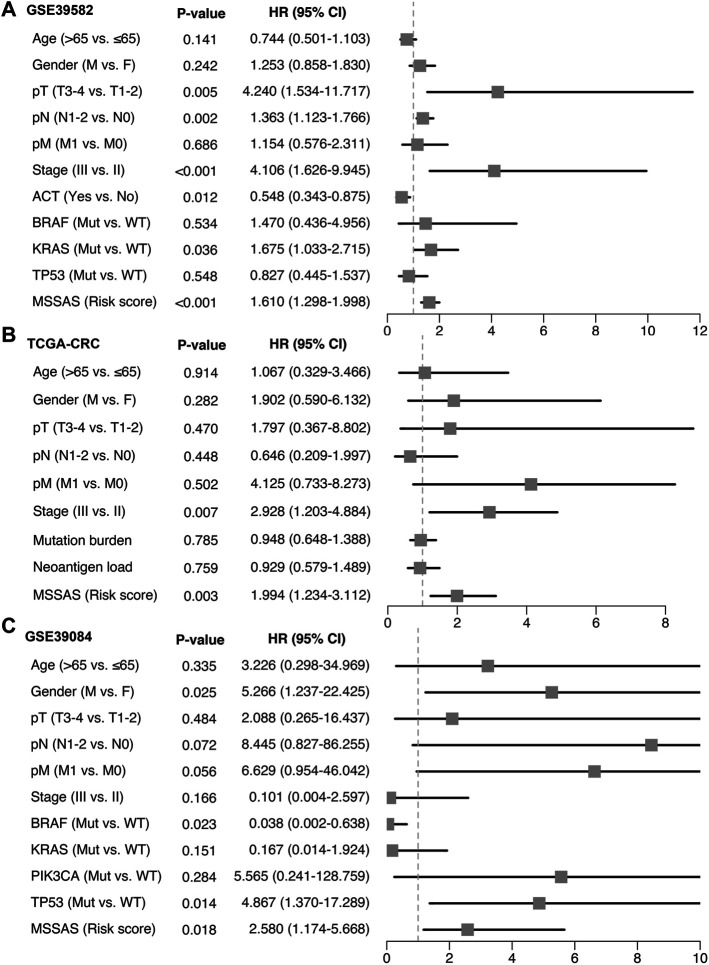
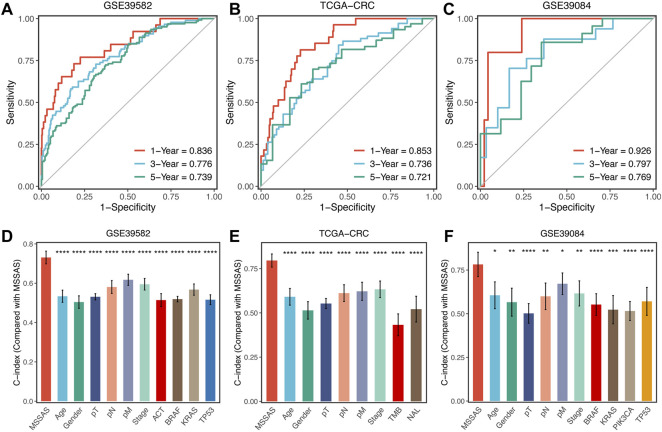
Studies have demonstrated that non-MSI-H/pMMR colorectal cancer (CRC) has a worse prognosis and relapse rate than microsatellite instability-high (MSI-H)/mismatch repair deficient (dMMR) CRC. Hence, searching for a novel tool to advance the prognostic management of non-MSI-H/pMMR CRC is vital. In this study, using three independent public cohorts and a clinical in-house cohort, we developed and validated a microsatellite stable-associated signature (MSSAS). The initial signature establishment was performed in GSE39582 ( = 454). This was followed by independent validation of this signature in The Cancer Genome Atlas-CRC ( = 312), GSE39084 ( = 54), and in-house cohort ( = 146). As a result, MSSAS was proven to be an independent risk factor for overall survival and relapse-free survival in non-MSI-H/pMMR CRC. Receiver operating characteristic analysis showed that MSSAS had a stable and accurate performance in all cohorts for 1, 3, and 5 years, respectively. Further analysis suggested that MSSAS performed better than age, gender, and the T, N, M, and AJCC stages, adjuvant chemotherapy, tumor mutation burden, neoantigen, and 53, , , and mutations. The clinical validation was executed to further ensure the robustness and clinical feasibility of this signature. In conclusion, MSSAS might be a robust and promising biomarker for advancing clinical management of non-MSI-H/pMMR CRC.
研究表明,非微卫星高度不稳定(MSI-H)/错配修复缺陷(pMMR)的结直肠癌(CRC)比微卫星高度不稳定(MSI-H)/错配修复缺陷(dMMR)的CRC预后更差,复发率更高。因此,寻找一种新的工具来推进非MSI-H/pMMR CRC的预后管理至关重要。在本研究中,我们使用三个独立的公共队列和一个临床内部队列,开发并验证了一种微卫星稳定相关特征(MSSAS)。最初的特征建立是在GSE39582(n = 454)中进行的。随后在癌症基因组图谱结直肠癌(TCGA-CRC,n = 312)、GSE39084(n = 54)和内部队列(n = 146)中对该特征进行了独立验证。结果表明,MSSAS被证明是非MSI-H/pMMR CRC总生存和无复发生存的独立危险因素。受试者工作特征分析表明,MSSAS在所有队列中分别在1年、3年和5年时具有稳定且准确的性能。进一步分析表明,MSSAS的表现优于年龄、性别、T、N、M和美国癌症联合委员会(AJCC)分期、辅助化疗、肿瘤突变负荷、新抗原以及KRAS、NRAS、BRAF和PIK3CA突变。进行了临床验证以进一步确保该特征的稳健性和临床可行性。总之,MSSAS可能是推进非MSI-H/pMMR CRC临床管理的一种稳健且有前景的生物标志物。