The Third Affiliated Hospital of Soochow University and State Key Laboratory of Radiation Medicine and Protection, Institutes for Translational Medicine, Soochow University, 199 Renai Road, Suzhou, Jiangsu 215123, China.
CAS Key Laboratory of Tissue Microenvironment and Tumor, Shanghai Institute of Nutrition and Health, University of Chinese Academy of Sciences, Chinese Academy of Sciences, 320 Yueyang Road, Shanghai 200031, China.
Theranostics. 2022 Jan 31;12(5):2063-2079. doi: 10.7150/thno.69198. eCollection 2022.
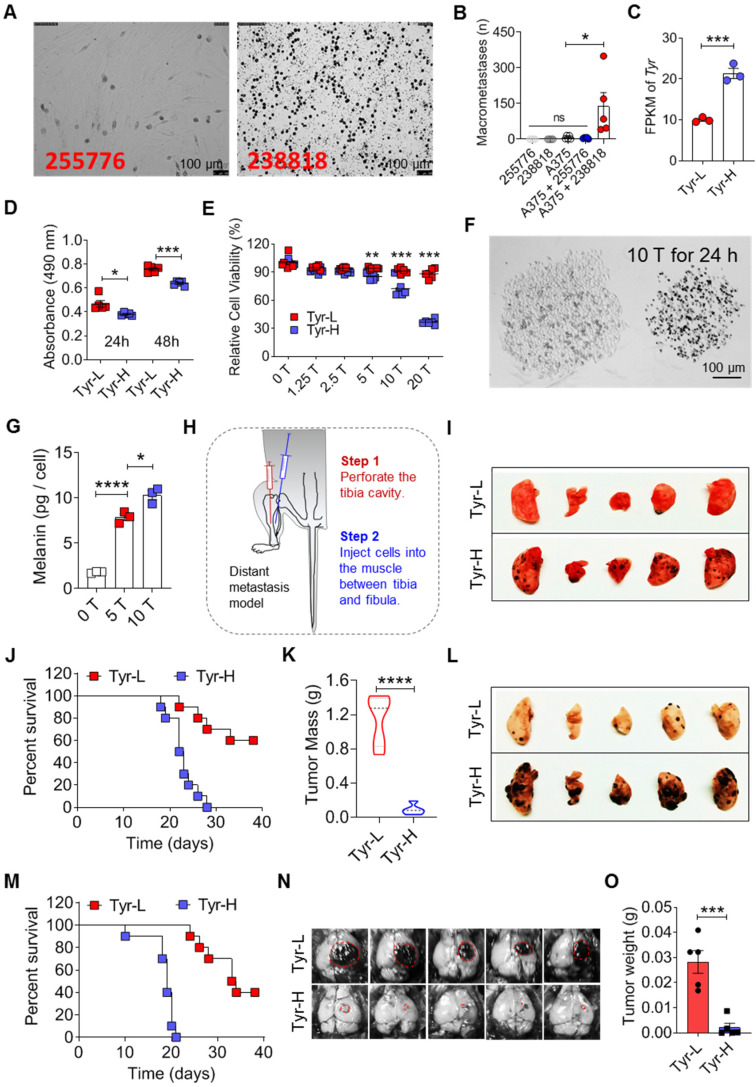
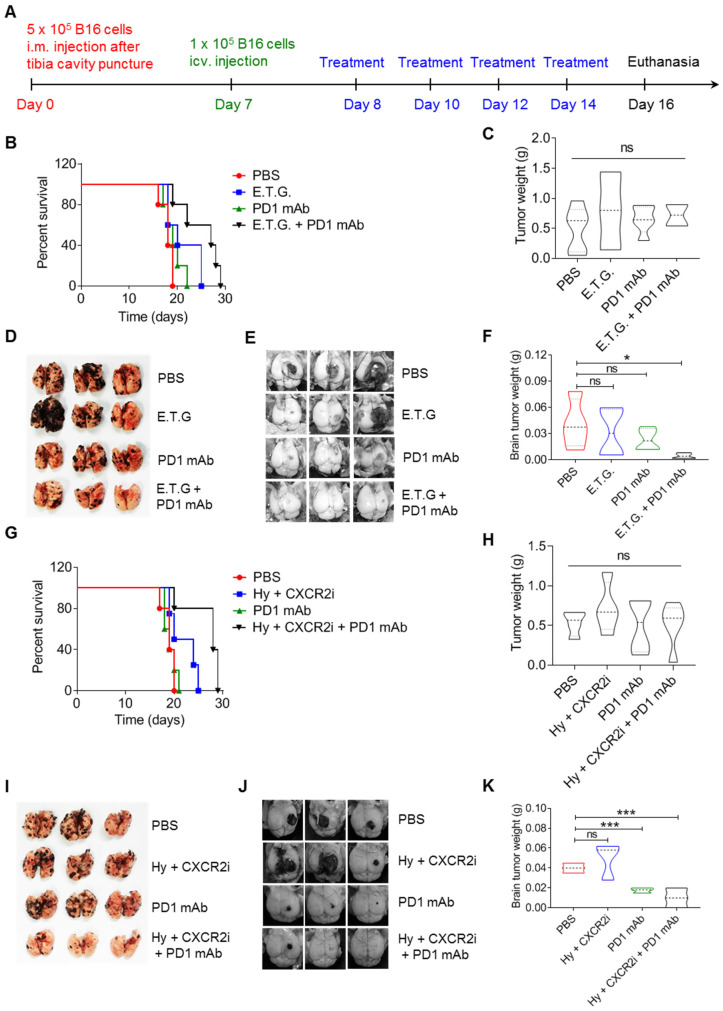
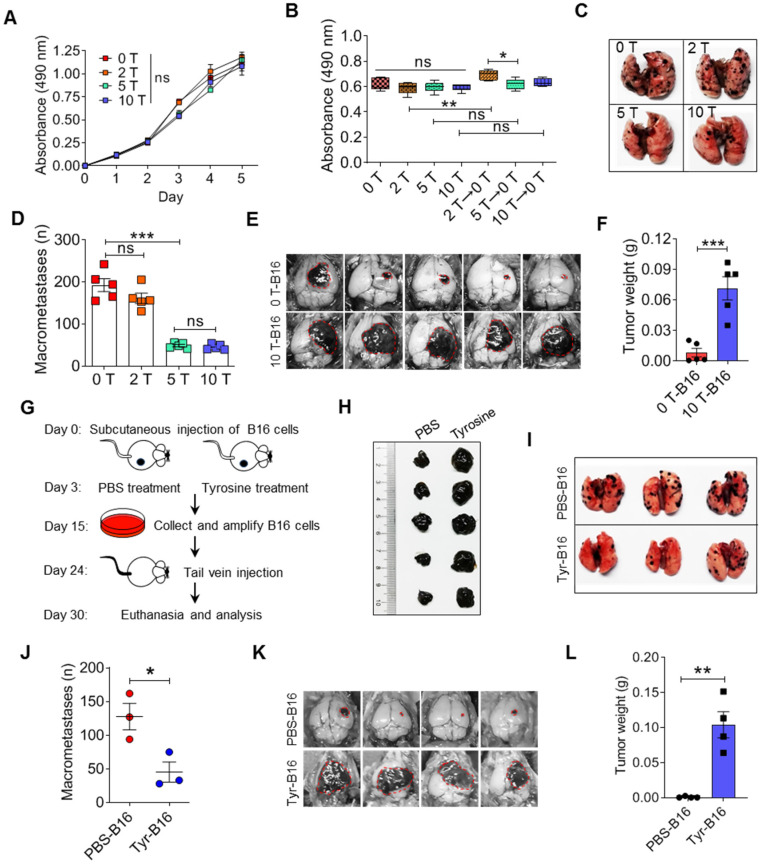
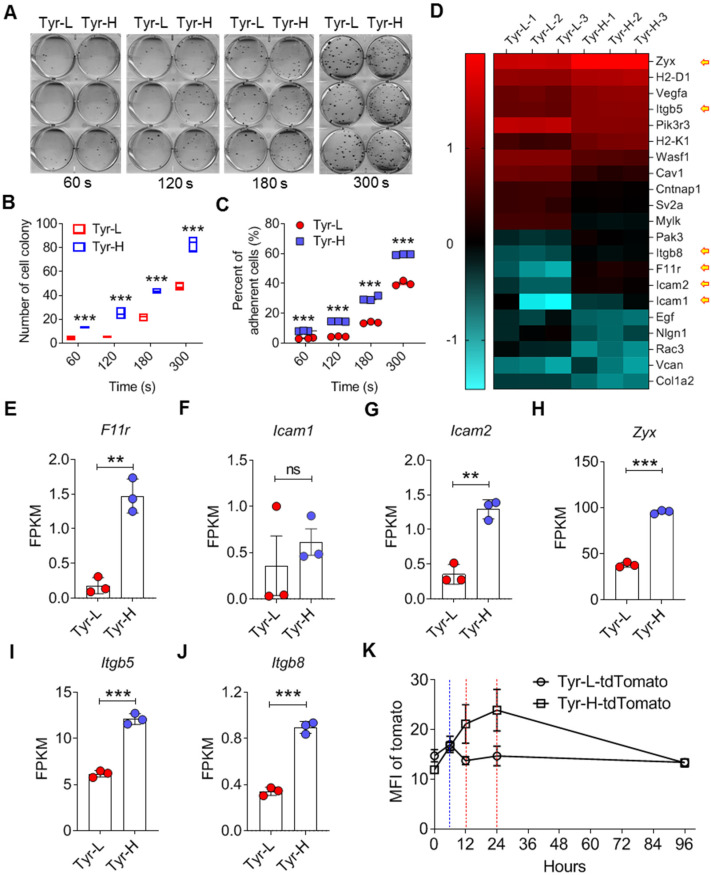
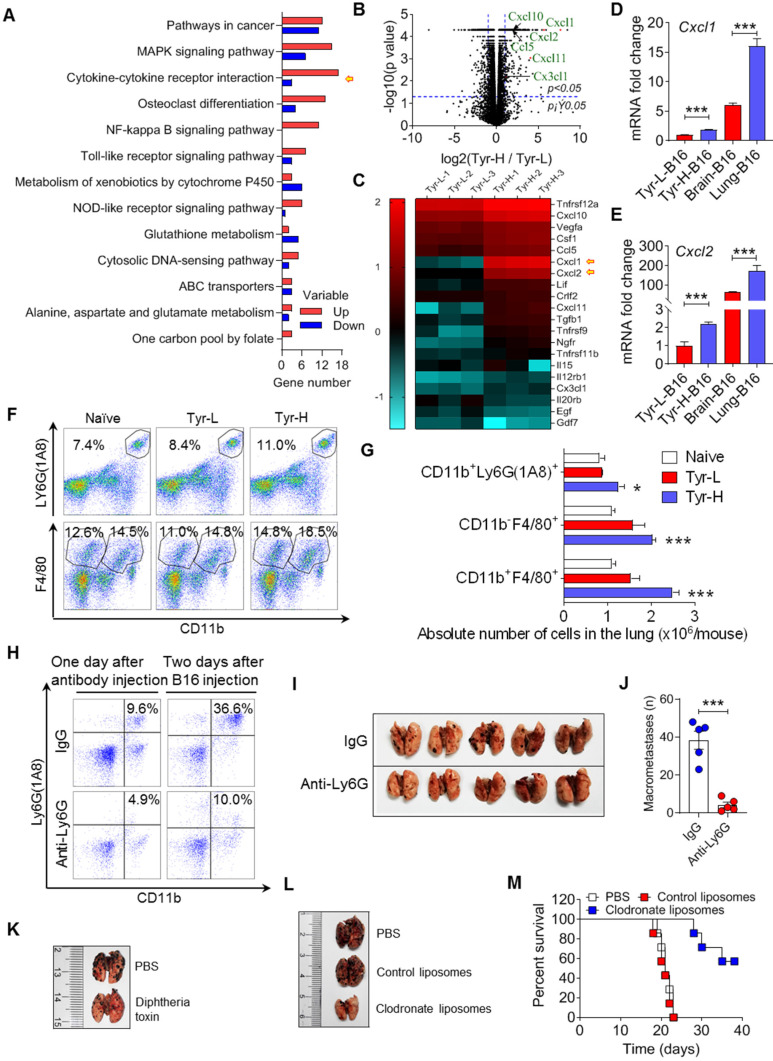
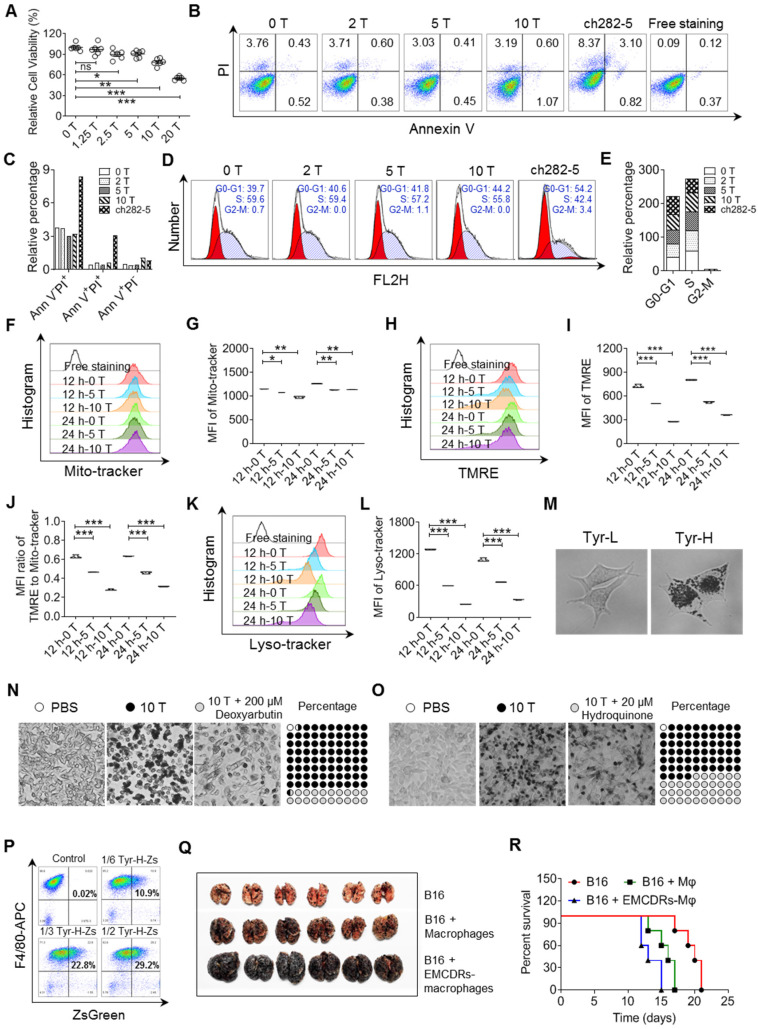
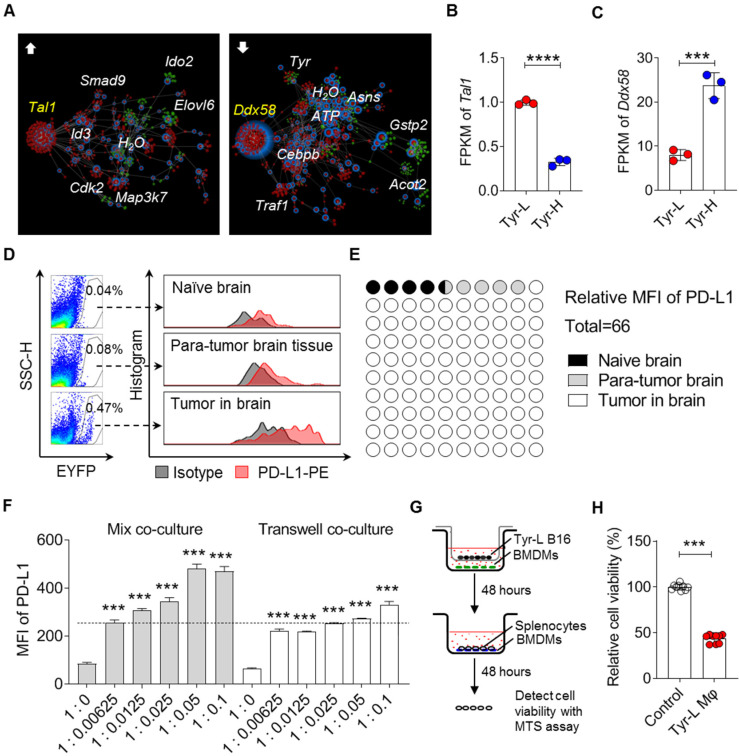
Dietary tyrosine regulating melanoma progression has been well-recognized. However, whether tyrosine-based melanin anabolism contributes to pulmonary and cerebral organotropic colonization of melanoma remains elusive. Furthermore, approaches based on targeting tyrosinase activity to inhibiting multi-organ metastasis of melanoma cells need to be designed and validated. Patients derived melanoma cells and mouse B16 melanoma cells with different pigmentation were employed in this investigation. Tyrosine content dynamics in tumors and multiple organs during the melanoma progression was monitored, and tyrosine-based melanin synthesis of melanoma cells derived from multi-organ was determined. Additionally, we also adopted RNA-seq, flow cytometry, real-time PCR and composite metastasis mouse model to analyze organotropic colonization and to validate designed therapeutic strategies. B16 melanoma cells with high activity of tyrosinase and sensitivity of tyrosine utilization for melanin synthesis (Tyr-H cells) easily colonized in the lung, while B16 melanoma cells lacking above characteristics (Tyr-L cells) exhibited potent proliferation in the brain. Mechanistically, Tyr-H cells recruited and trained neutrophils and macrophages to establish pulmonary metastatic niche dependent on highly secreted CXCL1 and CXCL2 and an excessive melanosome accumulation-induced cell death. Tyr-L cells enhanced PD-L1 expression in tumor-infiltrated macrophages when they are progressing in the brain. Accordingly, intervention of tyrosinase activity (2-Ethoxybenzamide or hydroquinone) in combination with inhibitors of phagocytosis (GSK343) or chemotaxis (SB225002) suppressed organotropic colonization and significantly improved the survival of melanoma- bearing mice treated with immune checkpoint blockade (PD1 antibody). The heterogeneity of melanoma cells in utilization of tyrosine is associated with organotropic colonization, providing the basis for developing new strategies to combat melanoma.
饮食酪氨酸调节黑色素瘤进展已得到充分认识。然而,酪氨酸为基础的黑色素合成是否有助于黑色素瘤向肺和脑等器官的定植仍然难以捉摸。此外,需要设计和验证基于抑制酪氨酸酶活性的方法来抑制黑色素瘤细胞的多器官转移。本研究采用不同色素沉着的患者来源黑色素瘤细胞和小鼠 B16 黑色素瘤细胞。监测黑色素瘤进展过程中肿瘤和多个器官中酪氨酸含量的动态变化,并测定来源于多器官的黑色素瘤细胞的酪氨酸为基础的黑色素合成。此外,我们还采用 RNA-seq、流式细胞术、实时 PCR 和复合转移小鼠模型来分析器官定植,并验证设计的治疗策略。具有高酪氨酸酶活性和对黑色素合成敏感的酪氨酸利用(Tyr-H 细胞)的 B16 黑色素瘤细胞容易在肺部定植,而缺乏上述特征的 B16 黑色素瘤细胞(Tyr-L 细胞)在大脑中表现出强大的增殖能力。在机制上,Tyr-H 细胞招募和训练中性粒细胞和巨噬细胞,依赖于高度分泌的 CXCL1 和 CXCL2 以及过量黑色素体积累诱导的细胞死亡来建立肺部转移龛。当 Tyr-L 细胞在大脑中进展时,它会增强肿瘤浸润巨噬细胞中的 PD-L1 表达。因此,联合抑制吞噬作用(GSK343)或趋化作用(SB225002)的酪氨酸酶活性(2-Ethoxybenzamide 或对苯二酚)干预抑制了器官定植,并显著提高了接受免疫检查点阻断(PD1 抗体)治疗的荷瘤小鼠的存活率。黑色素瘤细胞在利用酪氨酸方面的异质性与器官定植有关,为开发新的策略来对抗黑色素瘤提供了基础。