Park Jang Hyun, Lee Heung Kyu
Graduate School of Medical Science and Engineering, Korea Advanced Institute of Science and Technology (KAIST), Daejeon 34141, Korea.
Cancers (Basel). 2022 Feb 24;14(5):1176. doi: 10.3390/cancers14051176.
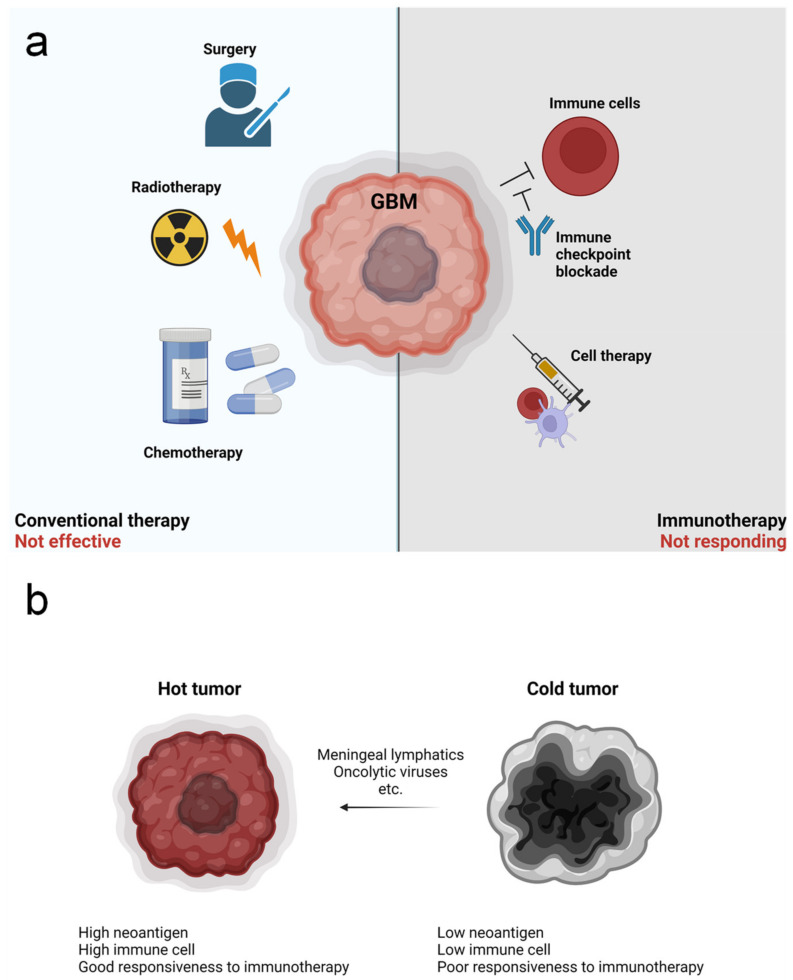
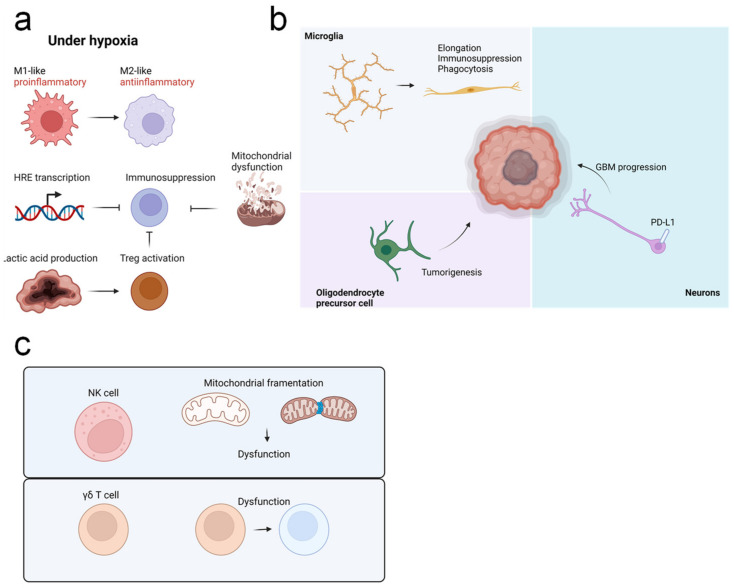
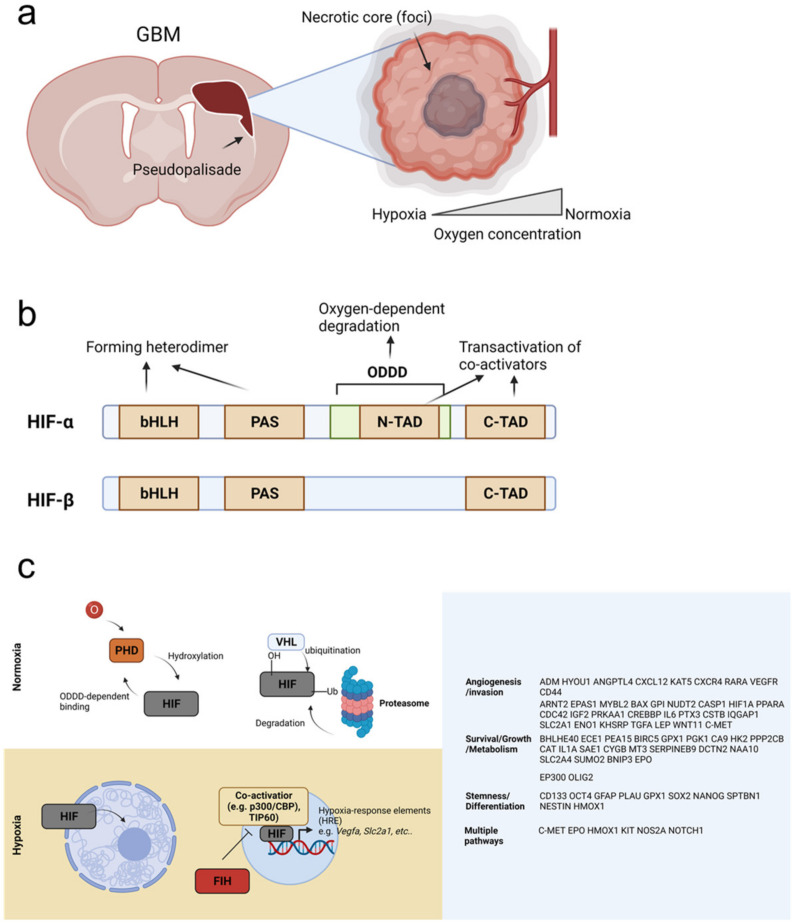
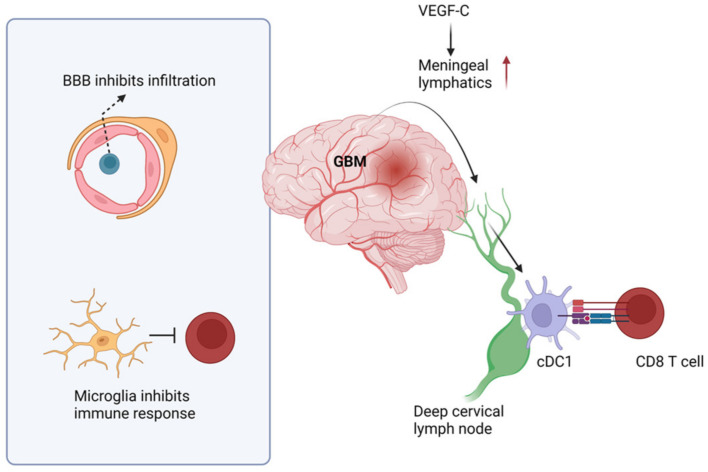
Hypoxia is a hallmark of glioblastoma multiforme (GBM), the most aggressive cancer of the central nervous system, and is associated with multiple aspects of tumor pathogenesis. For example, hypoxia induces resistance to conventional cancer therapies and inhibits antitumor immune responses. Thus, targeting hypoxia is an attractive strategy for GBM therapy. However, traditional studies on hypoxia have largely excluded the immune system. Recently, the critical role of the immune system in the defense against multiple tumors has become apparent, leading to the development of effective immunotherapies targeting numerous cancer types. Critically, however, GBM is classified as a "cold tumor" due to poor immune responses. Thus, to improve GBM responsiveness against immunotherapies, an improved understanding of both immune function in GBM and the role of hypoxia in mediating immune responses within the GBM microenvironment is needed. In this review, we discuss the role of hypoxia in GBM from a clinical, pathological, and immunological perspective.
缺氧是多形性胶质母细胞瘤(GBM)的一个标志,GBM是中枢神经系统最具侵袭性的癌症,且与肿瘤发病机制的多个方面相关。例如,缺氧会诱导对传统癌症治疗的抗性,并抑制抗肿瘤免疫反应。因此,针对缺氧是GBM治疗的一个有吸引力的策略。然而,传统的缺氧研究在很大程度上排除了免疫系统。最近,免疫系统在抵御多种肿瘤中的关键作用已变得明显,从而导致了针对多种癌症类型的有效免疫疗法的发展。然而,至关重要的是,由于免疫反应不佳,GBM被归类为“冷肿瘤”。因此,为了提高GBM对免疫疗法的反应性,需要更好地理解GBM中的免疫功能以及缺氧在GBM微环境中介导免疫反应的作用。在这篇综述中,我们从临床、病理和免疫学角度讨论缺氧在GBM中的作用。