
热敏聚合物与热响应脂质体药物递送系统
Thermosensitive Polymers and Thermo-Responsive Liposomal Drug Delivery Systems.
作者信息
Abuwatfa Waad H, Awad Nahid S, Pitt William G, Husseini Ghaleb A
机构信息
Department of Chemical Engineering, College of Engineering, American University of Sharjah, Sharjah P.O. Box 26666, United Arab Emirates.
Materials Science and Engineering Program, College of Arts and Sciences, American University of Sharjah, Sharjah P.O. Box 26666, United Arab Emirates.
出版信息
Polymers (Basel). 2022 Feb 25;14(5):925. doi: 10.3390/polym14050925.
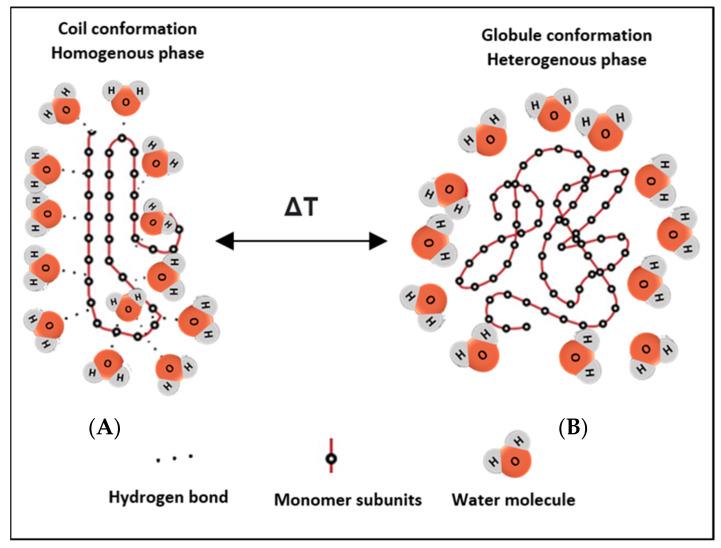
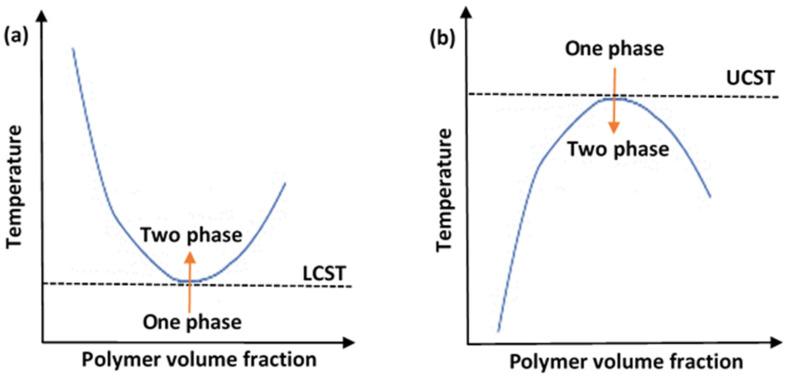
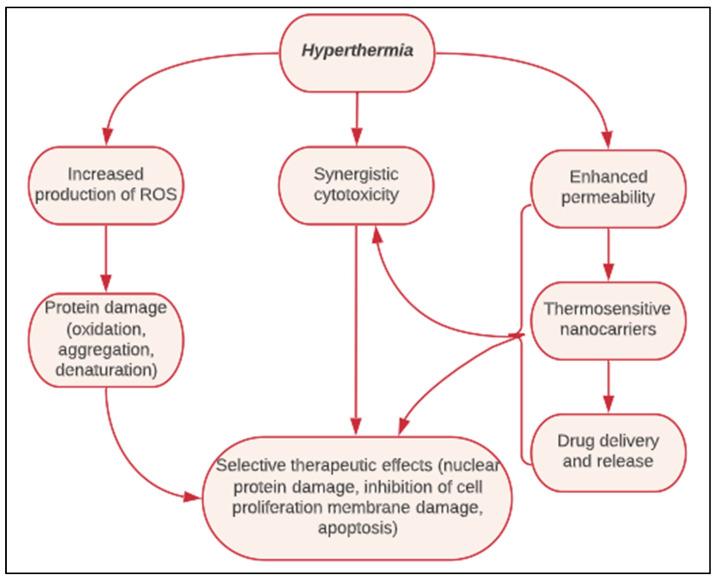
Temperature excursions within a biological milieu can be effectively used to induce drug release from thermosensitive drug-encapsulating nanoparticles. Oncological hyperthermia is of particular interest, as it is proven to synergistically act to arrest tumor growth when combined with optimally-designed smart drug delivery systems (DDSs). Thermoresponsive DDSs aid in making the drugs more bioavailable, enhance the therapeutic index and pharmacokinetic trends, and provide the spatial placement and temporal delivery of the drug into localized anatomical sites. This paper reviews the fundamentals of thermosensitive polymers, with a particular focus on thermoresponsive liposomal-based drug delivery systems.
生物环境中的温度变化可有效地用于诱导热敏性药物包裹纳米颗粒释放药物。肿瘤热疗尤其受关注,因为已证明它与优化设计的智能药物递送系统(DDS)联合使用时能协同作用以阻止肿瘤生长。热响应性DDS有助于提高药物的生物利用度,增强治疗指数和药代动力学趋势,并将药物在空间上定位并在特定时间递送至局部解剖部位。本文综述了热敏聚合物的基本原理,特别关注基于热响应脂质体的药物递送系统。
 Zotero 插件