Neurobiology Research Group, Department of Medical Biosciences, University of the Western Cape, Bellville, Cape Town 7535, South Africa.
School of Health Professions, University of Missouri, Columbia, MO 65211, USA.
Int J Mol Sci. 2022 Feb 23;23(5):2457. doi: 10.3390/ijms23052457.
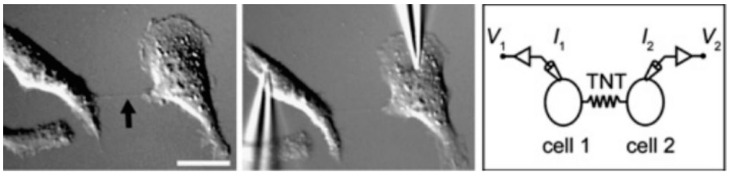
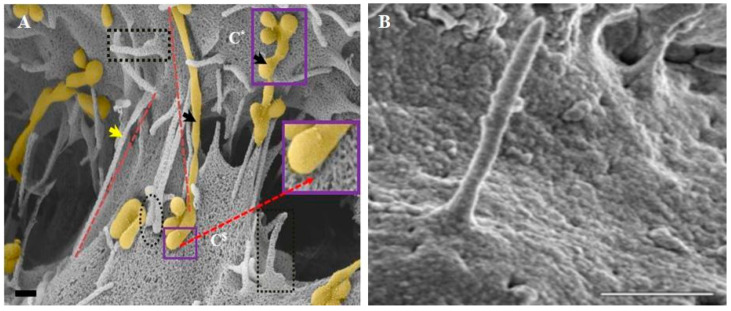
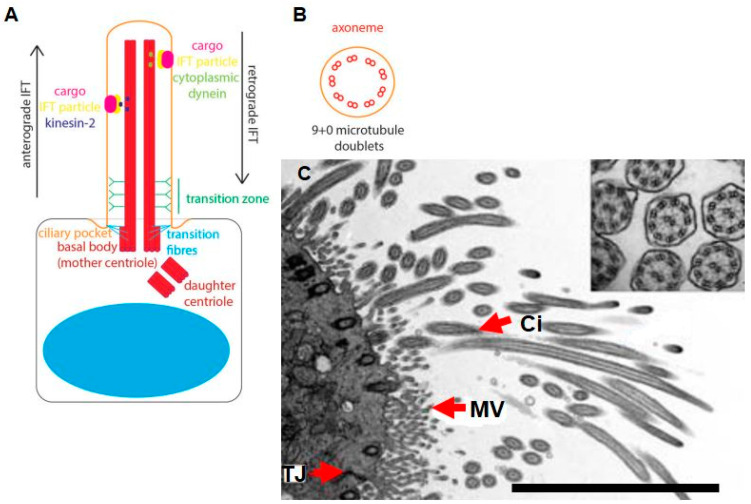
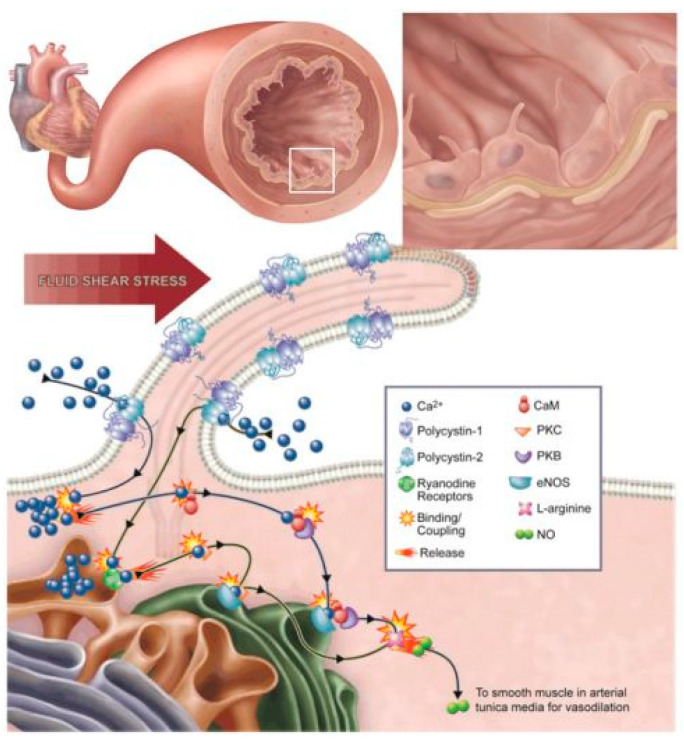
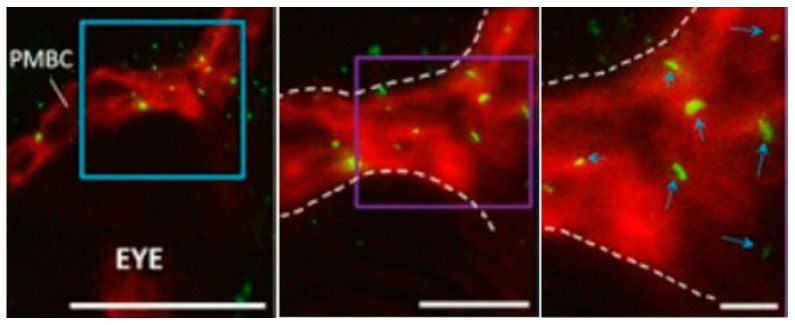
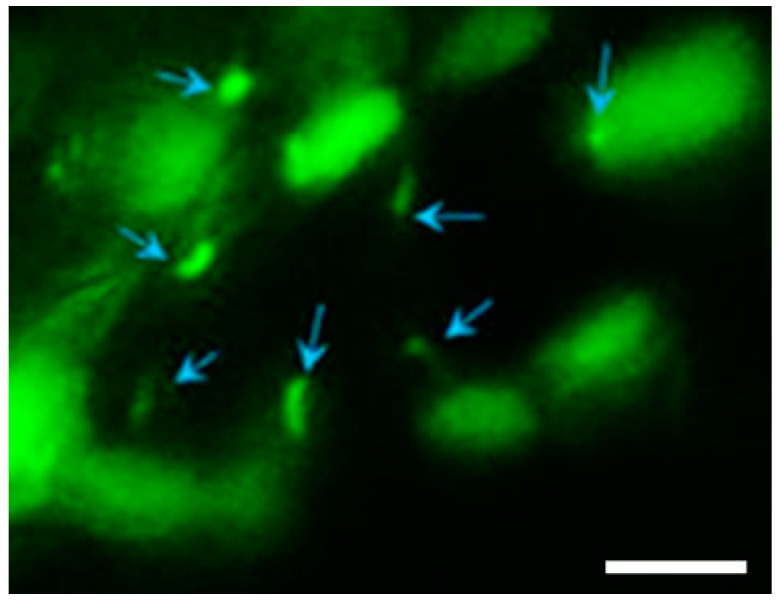
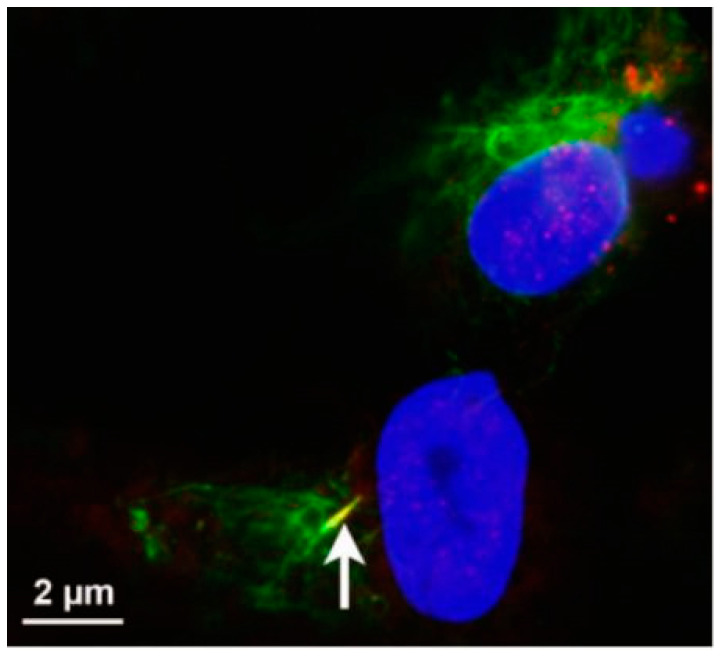
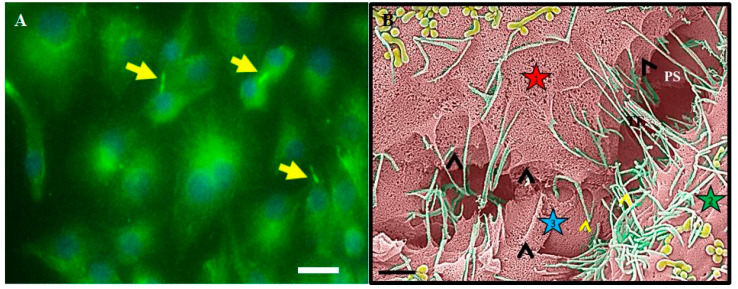
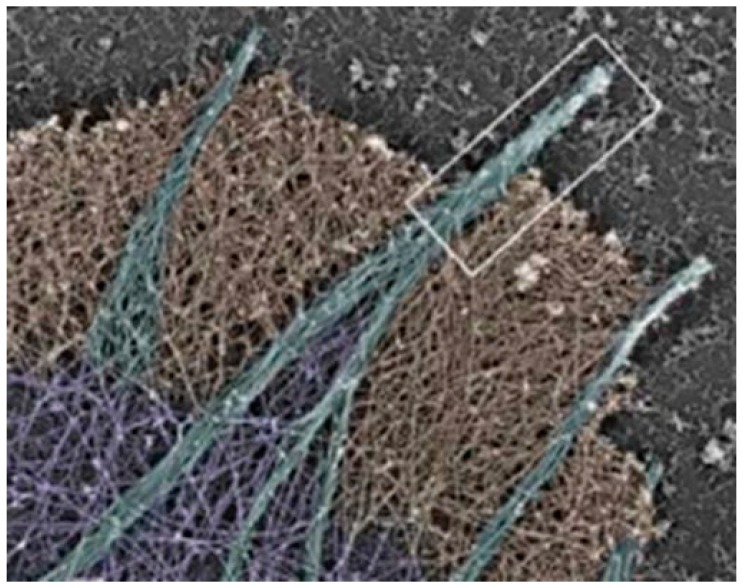
The blood-brain barrier (BBB) is fundamental in maintaining central nervous system (CNS) homeostasis by regulating the chemical environment of the underlying brain parenchyma. Brain endothelial cells (BECs) constitute the anatomical and functional basis of the BBB. Communication between adjacent BECs is critical for establishing BBB integrity, and knowledge of its nanoscopic landscape will contribute to our understanding of how juxtaposed zones of tight-junction protein interactions between BECs are aligned. The review discusses and critiques types of nanostructures contributing to the process of BBB genesis. We further critically evaluate earlier findings in light of novel high-resolution electron microscopy descriptions of nanoscopic tubules. One such phenotypic structure is BEC cytoplasmic projections, which, early in the literature, is postulated as brain capillary endothelial cilia, and is evaluated and compared to the recently discovered nanotubules (NTs) formed in the paracellular spaces between BECs during barrier-genesis. The review attempts to elucidate a myriad of unique topographical ultrastructures that have been reported to be associated with the development of the BBB, viz., structures ranging from cilia to BEC tunneling nanotubules (TUNTs) and BEC tethering nanotubules (TENTs).
血脑屏障(BBB)通过调节脑实质下的化学环境,对维持中枢神经系统(CNS)内环境稳定起着重要作用。脑内皮细胞(BEC)是 BBB 的解剖学和功能基础。相邻 BEC 之间的通讯对于建立 BBB 的完整性至关重要,对其纳米景观的了解将有助于我们理解紧密连接蛋白相互作用的毗邻区如何对齐。该综述讨论并评价了促成 BBB 发生的各种纳米结构类型。我们进一步根据新型高分辨率电子显微镜对纳米管的描述,批判性地评估了早期的发现。这样的表型结构是 BEC 细胞质突起,在文献早期被假设为脑毛细血管内皮纤毛,并对其进行了评估,并与在屏障发生期间在 BEC 之间的细胞旁空间形成的最近发现的纳米管(NTs)进行了比较。该综述试图阐明与 BBB 发育相关的多种独特的拓扑超微结构,即从纤毛到 BEC 隧道纳米管(TUNTs)和 BEC 系绳纳米管(TENTs)等结构。