Département de Mathématiques, Informatique et Génie, Université du Québec à Rimouski (UQAR), 300 Allée des Ursulines, Rimouski, QC G5L 3A1, Canada.
Département d'Informatique et de Mathématique, Université du Québec à Chicoutimi (UQAC), 555 Boulevard de l'Université, Chicoutimi, QC G7H 2B1, Canada.
Sensors (Basel). 2022 Feb 25;22(5):1843. doi: 10.3390/s22051843.
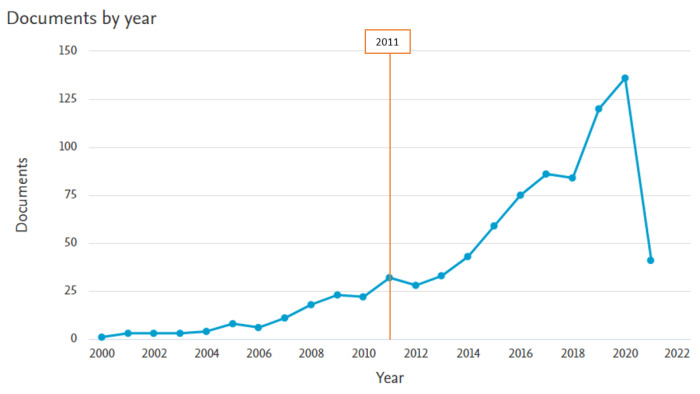
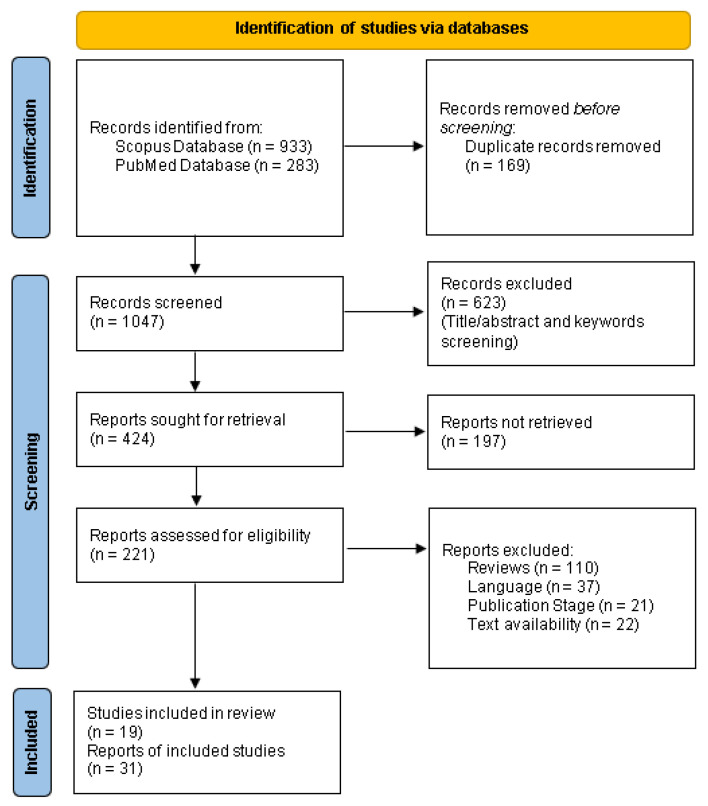
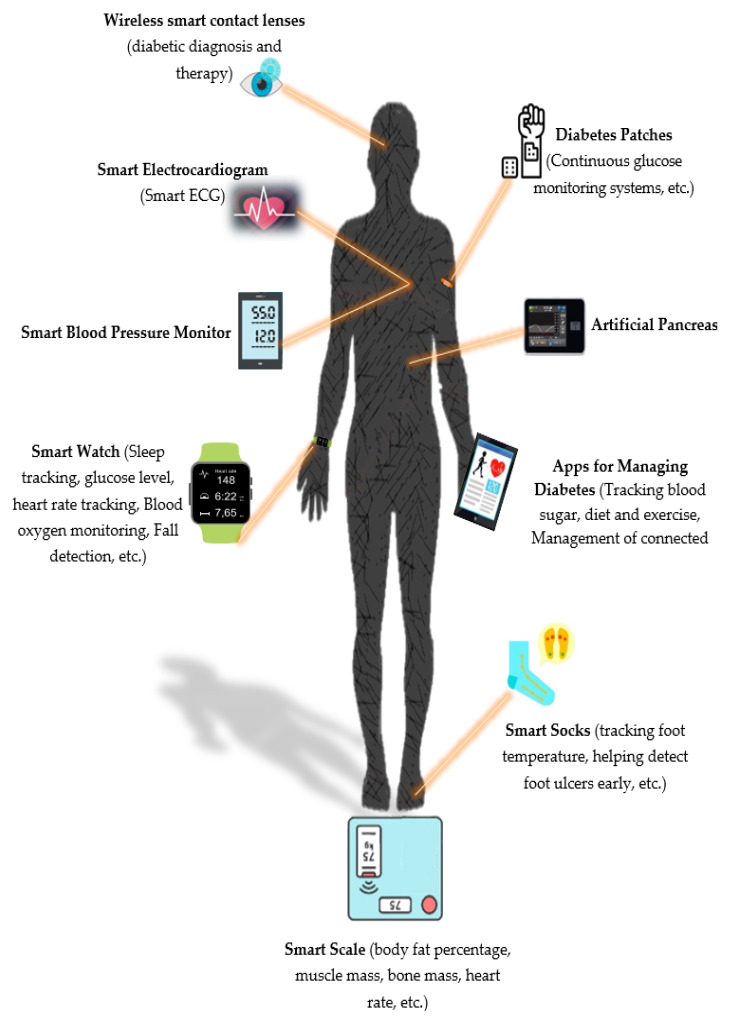
(1) Background: The use of smart devices to better manage diabetes has increased significantly in recent years. These technologies have been introduced in order to make life easier for patients with diabetes by allowing better control of the stability of blood sugar levels and anticipating the occurrence of dangerous events (hypo/hyperglycemia), etc. That being said, the main objectives of the self-management of diabetes is to improve the lifestyle and life quality of patients with diabetes; (2) Methods: We performed a systematic review based on articles that focus on the use of smart devices for the monitoring and better management of diabetes. The search was focused on keywords related to the topic, such as "Diabetes", "Technology", "Self-management", "Artificial Intelligence", etc. This was performed using databases, such as Scopus, Google Scholar, and PubMed; (3) Results: A total of 89 studies, published between 2011 and 2021, were included. The majority of the selected research aims to solve a diabetes management problem (e.g., blood glucose prediction, early detection of risk events, and the automatic adjustment of insulin doses, etc.). In these studies, wearable devices were used in combination with artificial intelligence (AI) techniques; (4) Conclusions: Wearable devices have attracted a great deal of scientific interest in the field of healthcare for people with chronic conditions, such as diabetes. They are capable of assisting in the management of diabetes, as well as preventing complications associated with this condition. Furthermore, the usage of these devices has improved illness management and quality of life.
(1) 背景:近年来,使用智能设备来更好地管理糖尿病的情况显著增加。这些技术的引入是为了通过更好地控制血糖水平的稳定性和预测危险事件(低血糖/高血糖等),使糖尿病患者的生活更加轻松。也就是说,糖尿病的自我管理的主要目标是改善糖尿病患者的生活方式和生活质量;(2) 方法:我们进行了一项系统评价,重点关注使用智能设备来监测和更好地管理糖尿病的文章。搜索集中在与主题相关的关键字上,如“糖尿病”、“技术”、“自我管理”、“人工智能”等。这是使用数据库,如 Scopus、Google Scholar 和 PubMed 进行的;(3) 结果:共纳入了 89 项发表于 2011 年至 2021 年的研究。选定的研究大多旨在解决糖尿病管理问题(例如血糖预测、风险事件的早期检测以及胰岛素剂量的自动调整等)。在这些研究中,可穿戴设备与人工智能 (AI) 技术结合使用;(4) 结论:可穿戴设备在医疗保健领域引起了人们对慢性疾病(如糖尿病)患者的极大兴趣。它们能够辅助糖尿病管理,并预防与该疾病相关的并发症。此外,这些设备的使用改善了疾病管理和生活质量。