Giusti Ilaria, Di Francesco Marianna, Poppa Giuseppina, Esposito Letizia, D'Ascenzo Sandra, Dolo Vincenza
Department of Life, Health and Environmental Sciences, University of L'Aquila, L'Aquila, Italy.
Front Oncol. 2022 Feb 23;12:839880. doi: 10.3389/fonc.2022.839880. eCollection 2022.
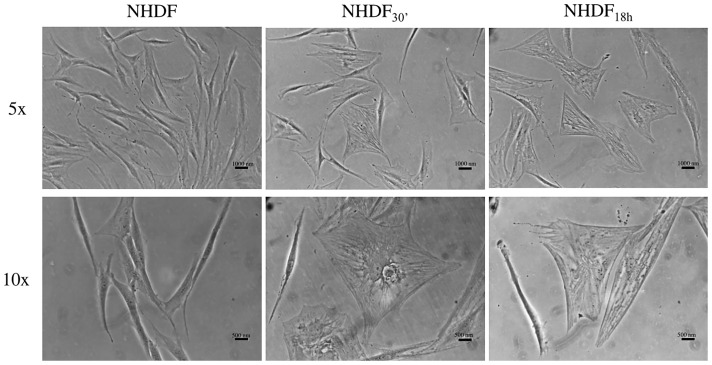
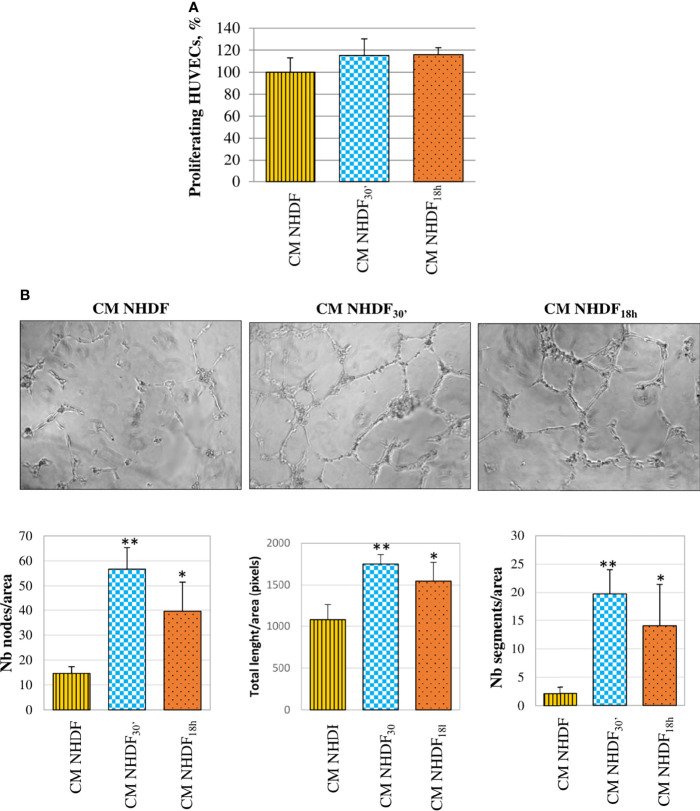
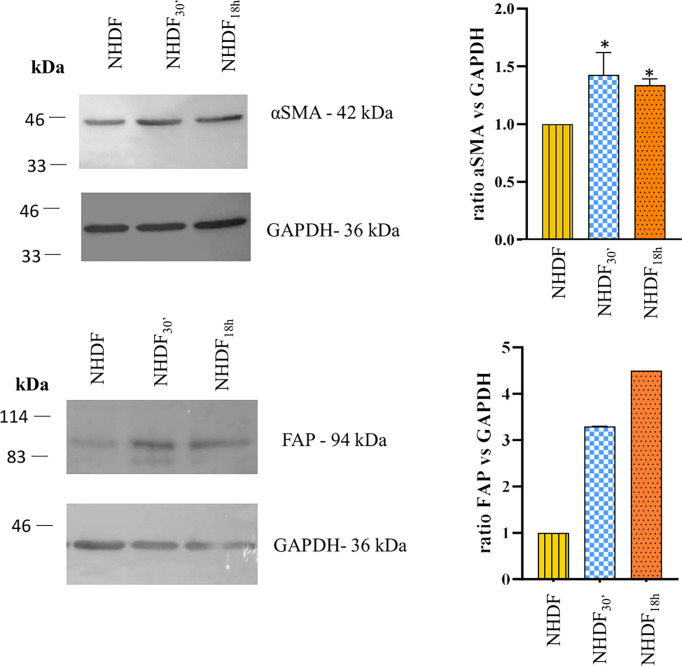
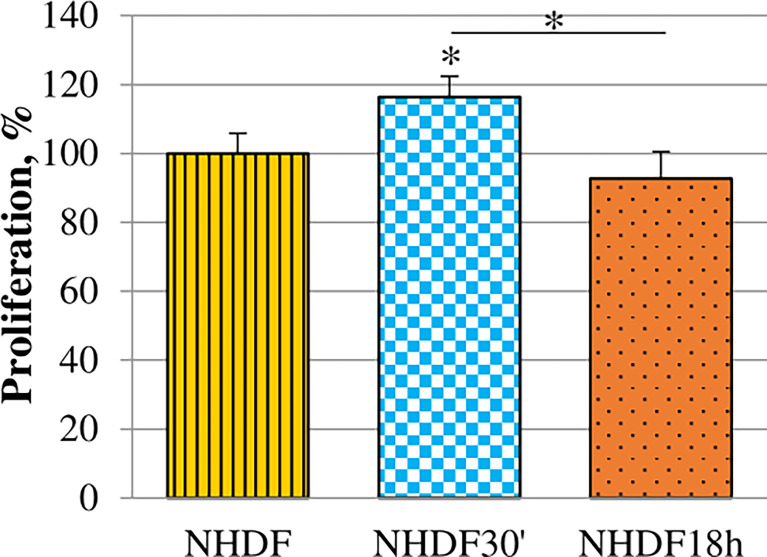
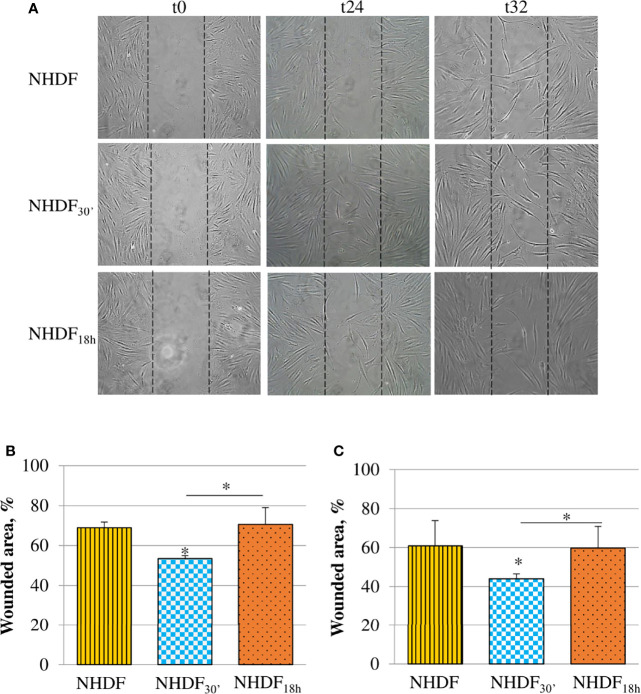
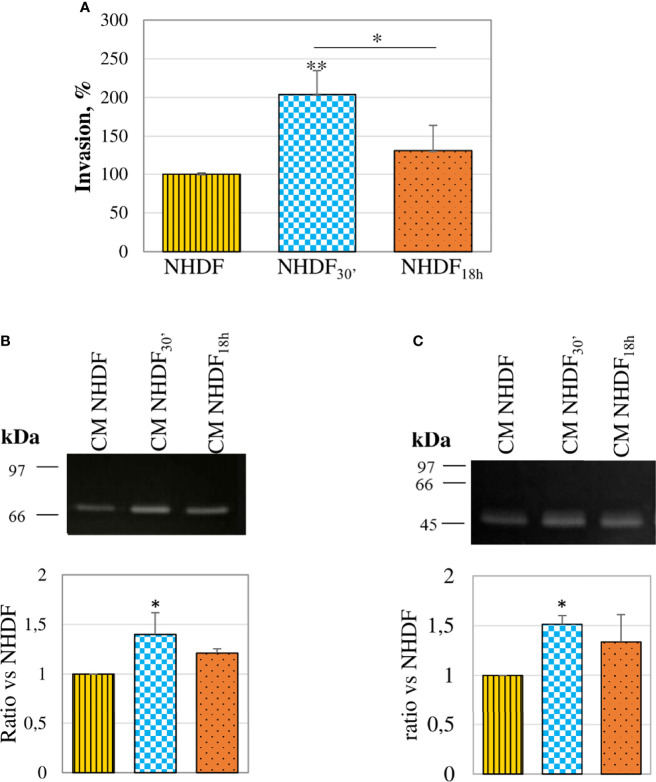
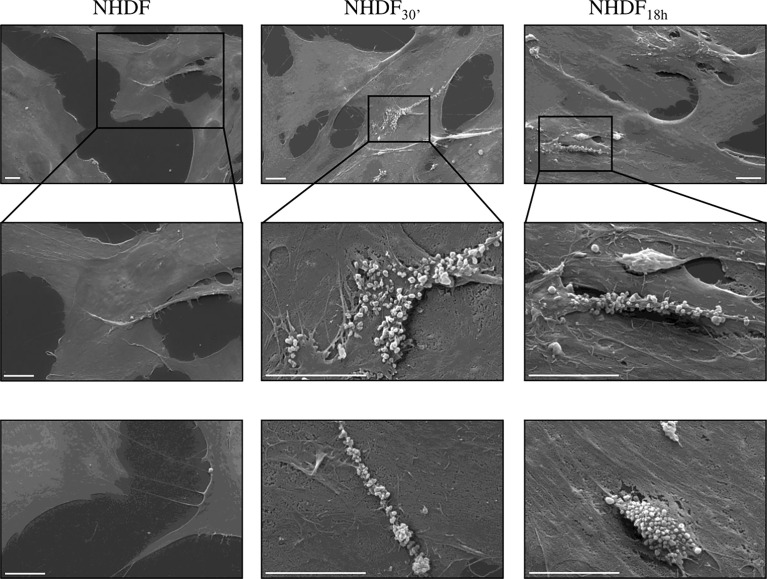
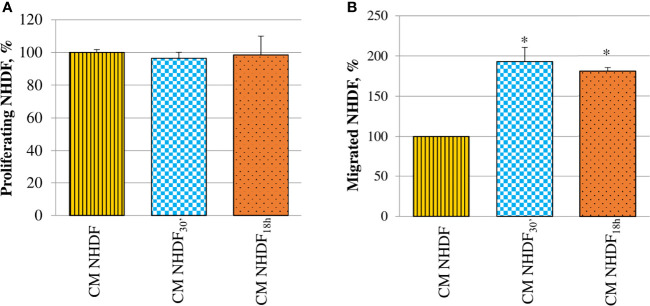
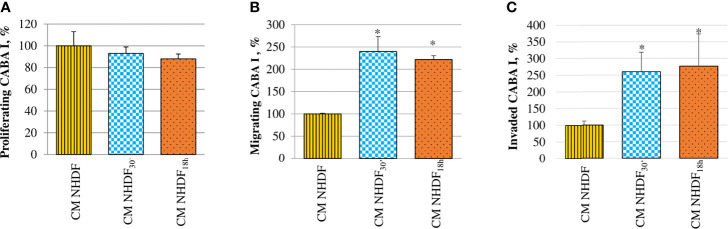
Fibroblasts in the tumor microenvironment have been proven to actively participate in tumor progression; they can be "educated" by cancer cells acquiring an activated state and, as such, are identified as cancer-associated fibroblasts (CAFs); CAFs, in turn, remodel tumor stroma to be more advantageous for cancer progression by modulating several processes, including angiogenesis, immunosuppression, and drug access, presumably driving the chemoresistance. That is why they are believed to hamper the response to clinical therapeutic options. The communication between cancer cells and fibroblasts can be mediated by extracellular vesicles (EVs), composed of both exosomes (EXOs) and microvesicles (MVs). To verify the role of different subpopulations of EVs in this cross-talk, a nearly pure subpopulation of EXO-like EVs and the second one of mixed EXO- and MV-like EVs were isolated from ovarian cancer cells and administered to fibroblasts. It turned out that EVs can activate fibroblasts to a CAF-like state, supporting their proliferation, motility, invasiveness, and enzyme expression; EXO-like EV subpopulation seems to be more efficient in some of those processes, suggesting different roles for different EV subpopulations. Moreover, the secretome of these "activated" fibroblasts, composed of both soluble and EV-associated molecules, was, in turn, able to modulate the response of bystander cells (fibroblasts, tumor, and endothelial cells), supporting the idea that EVs sustain the mutual cross-talk between tumor cells and CAFs.
肿瘤微环境中的成纤维细胞已被证明积极参与肿瘤进展;它们可被癌细胞“驯化”而获得激活状态,因此被鉴定为癌症相关成纤维细胞(CAFs);反过来,CAFs通过调节包括血管生成、免疫抑制和药物摄取等多个过程来重塑肿瘤基质,使其更有利于癌症进展,推测这会导致化疗耐药。这就是为什么人们认为它们会阻碍对临床治疗方案的反应。癌细胞与成纤维细胞之间的通讯可由细胞外囊泡(EVs)介导,EVs由外泌体(EXOs)和微囊泡(MVs)组成。为了验证不同亚群的EVs在这种相互作用中的作用,从卵巢癌细胞中分离出近乎纯的EXO样EVs亚群和混合的EXO样与MV样EVs亚群,并将其给予成纤维细胞。结果表明,EVs可将成纤维细胞激活至CAF样状态,支持其增殖、迁移、侵袭及酶表达;EXO样EV亚群在其中一些过程中似乎更有效,表明不同的EV亚群具有不同作用。此外,这些“激活的”成纤维细胞的分泌组,由可溶性分子和与EV相关的分子组成,反过来又能够调节旁观者细胞(成纤维细胞、肿瘤细胞和内皮细胞)的反应,支持了EVs维持肿瘤细胞与CAFs之间相互作用的观点。