Massa Silvia, Pagliarello Riccardo, Cemmi Alessia, Di Sarcina Ilaria, Bombarely Aureliano, Demurtas Olivia Costantina, Diretto Gianfranco, Paolini Francesca, Petzold H Earl, Bliek Mattijs, Bennici Elisabetta, Del Fiore Antonella, De Rossi Patrizia, Spelt Cornelis, Koes Ronald, Quattrocchio Francesca, Benvenuto Eugenio
Department for Sustainability, Biotechnology and Agro-Industry Division - Biotec Laboratory, Italian National Agency for New Technologies, Energy and Sustainable Economic Development, Rome, Italy.
Department of Agriculture and Forest Sciences, University of Tuscia, Viterbo, Italy.
Front Plant Sci. 2022 Feb 24;13:830931. doi: 10.3389/fpls.2022.830931. eCollection 2022.
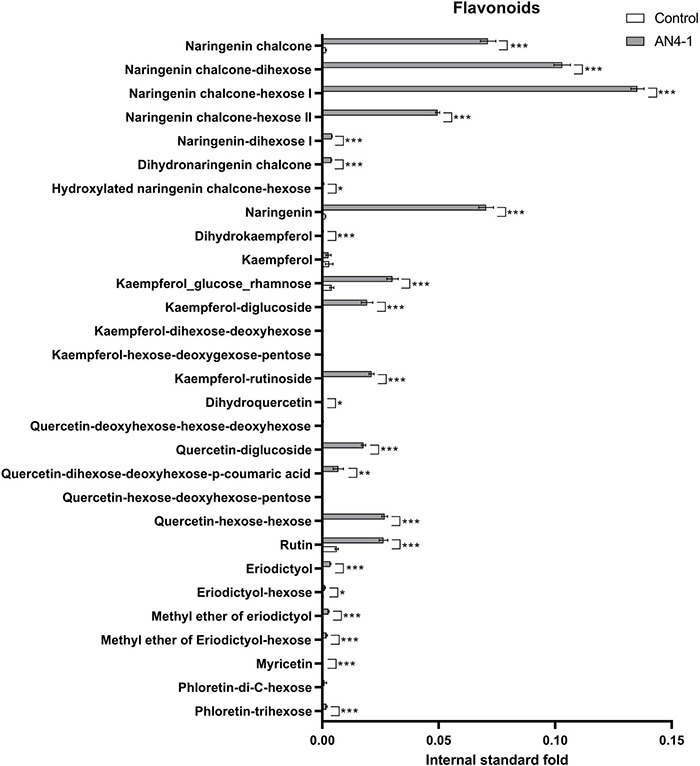
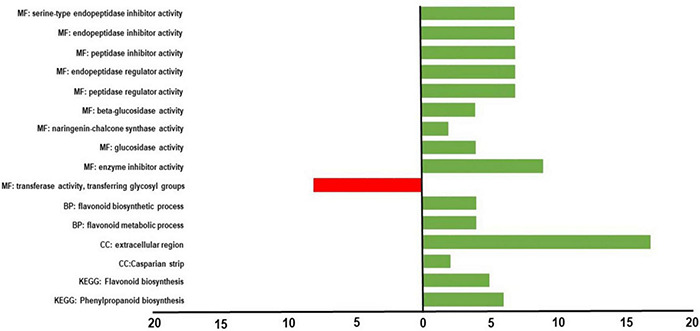
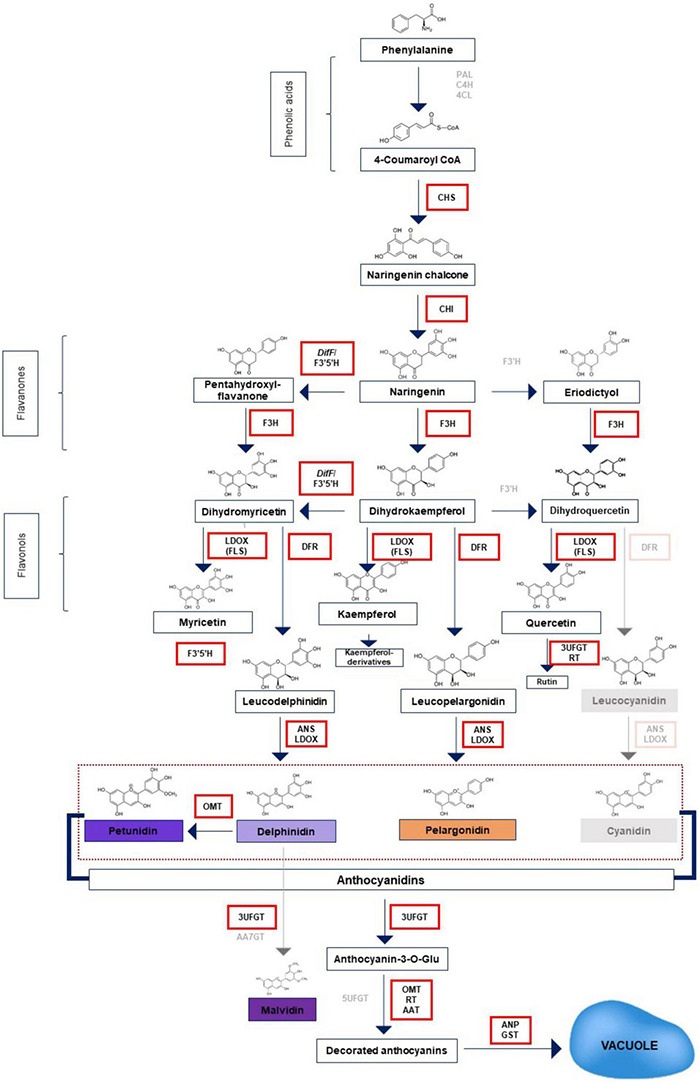
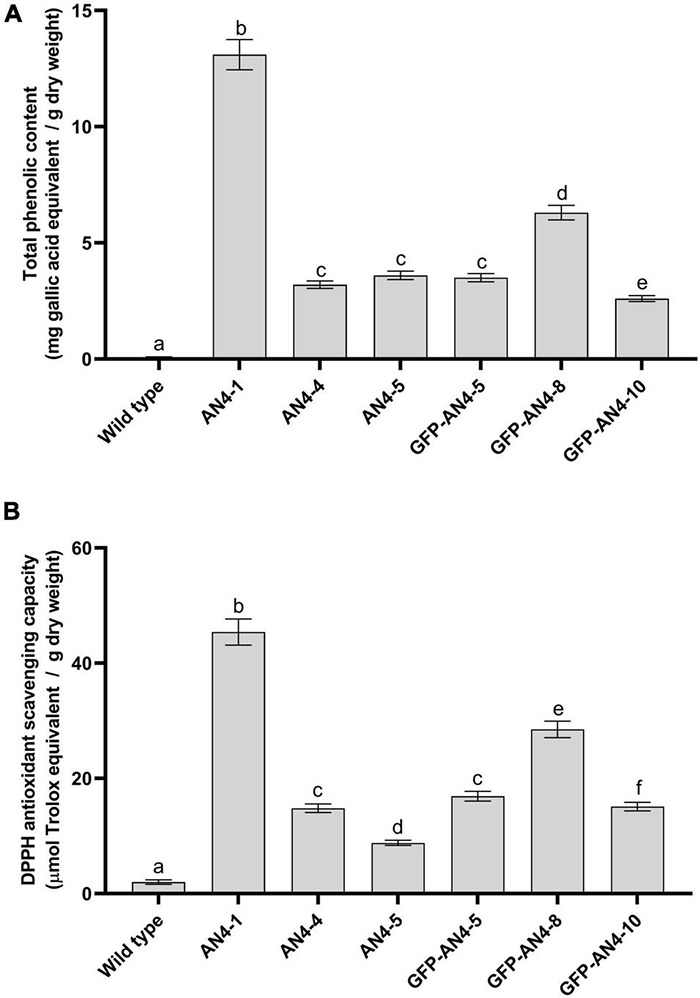
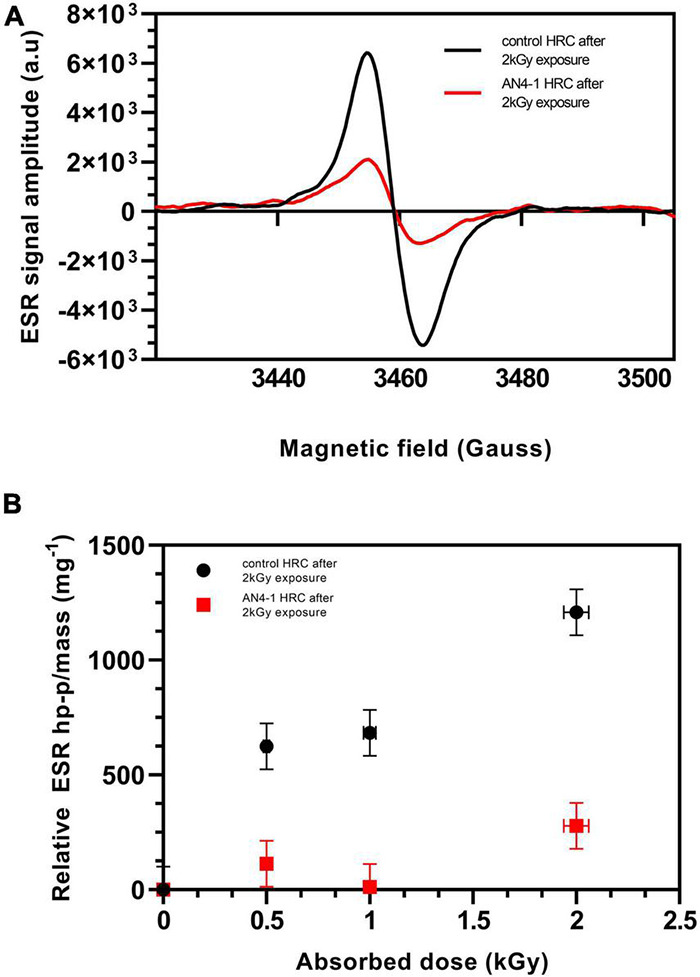
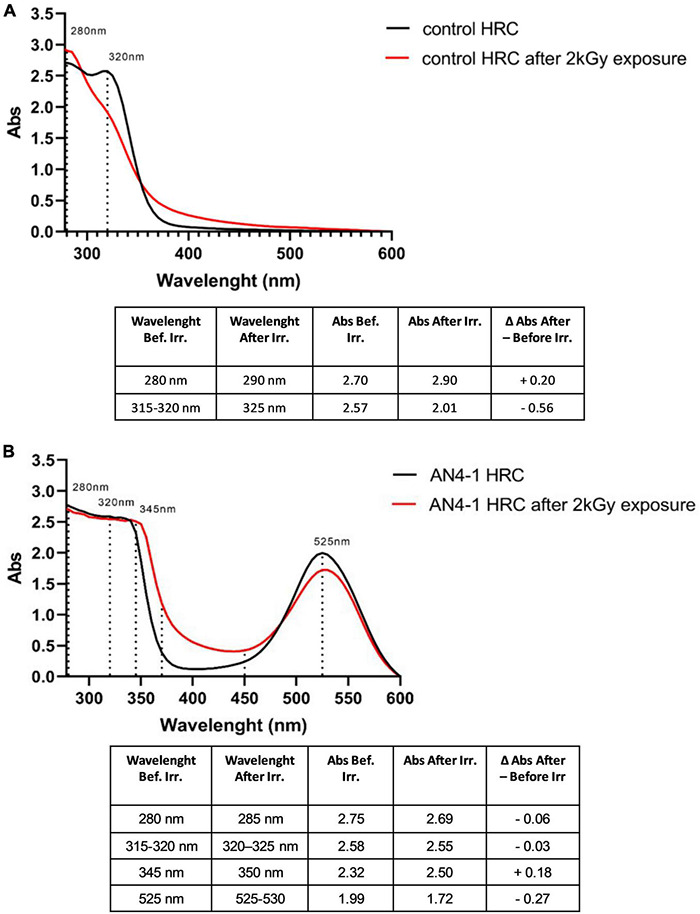
Gene expression manipulation of specific metabolic pathways can be used to obtain bioaccumulation of valuable molecules and desired quality traits in plants. A single-gene approach to impact different traits would be greatly desirable in agrospace applications, where several aspects of plant physiology can be affected, influencing growth. In this work, MicroTom hairy root cultures expressing a MYB-like transcription factor that regulates the biosynthesis of anthocyanins in (), were considered as a testbed for bio-fortified tomato whole plants aimed at agrospace applications. Ectopic expression of promoted biosynthesis of anthocyanins, allowing to profile 5 major derivatives of delphinidin and petunidin together with pelargonidin and malvidin-based anthocyanins, unusual in tomato. Consistent with features, transcriptomic profiling indicated upregulation of genes correlated to anthocyanin biosynthesis. Interestingly, a transcriptome reprogramming oriented to positive regulation of cell response to biotic, abiotic, and redox stimuli was evidenced. hairy root cultures showed the significant capability to counteract reactive oxygen species (ROS) accumulation and protein misfolding upon high-dose gamma irradiation, which is among the most potent pro-oxidant stress that can be encountered in space. These results may have significance in the engineering of whole tomato plants that can benefit space agriculture.
对特定代谢途径进行基因表达调控,可用于在植物中实现有价值分子的生物累积以及获得所需的品质性状。在农业领域应用中,若能采用单基因方法来影响不同性状将非常理想,因为这可能会影响植物生理学的多个方面,进而影响生长。在本研究中,表达一种调控花青素生物合成的MYB类转录因子的MicroTom毛状根培养物,被视为旨在用于农业领域的生物强化番茄全株的试验平台。该转录因子的异位表达促进了花青素的生物合成,使得能够对5种主要的飞燕草素和矮牵牛素衍生物以及天竺葵素和锦葵色素基花青素进行分析,这些花青素在番茄中并不常见。与该转录因子的特性一致,转录组分析表明与花青素生物合成相关的基因上调。有趣的是,还证实了转录组重编程趋向于对细胞应对生物、非生物和氧化还原刺激的反应进行正向调控。MicroTom毛状根培养物显示出在高剂量伽马辐射下显著的抵抗活性氧(ROS)积累和蛋白质错误折叠的能力,高剂量伽马辐射是在太空中可能遇到的最强的促氧化应激之一。这些结果对于可造福太空农业的番茄全株工程可能具有重要意义。