Brown Richard, Coventry Lynne, Sillence Elizabeth, Blythe John, Stumpf Simone, Bird Jon, Durrant Abigail C
Psychology Department, Northumbria University, Newcastle, UK.
Immersive Labs, London, UK.
Digit Health. 2022 Mar 7;8:20552076221084458. doi: 10.1177/20552076221084458. eCollection 2022 Jan-Dec.
The growing popularity of collecting self-generated health and lifestyle data presents a valuable opportunity to develop our understanding of long-term health conditions and improve care. Barriers remain to the effective sharing of health and lifestyle data by those living with long-term health conditions which include beliefs around concepts of Trust, Identity, Privacy and Security, experiences of stigma, perceptions of risk and information sensitivity.
We surveyed 250 UK adults who reported living with a range of long-term health conditions. We recorded data to assess self-reported behaviours, experiences, attitudes and motivations relevant to sharing self-generated health and lifestyle data. We also asked participants about their beliefs about Trust, Identity, Privacy and Security, stigma, and perceptions of risk and information sensitivity regarding their health and lifestyle data.
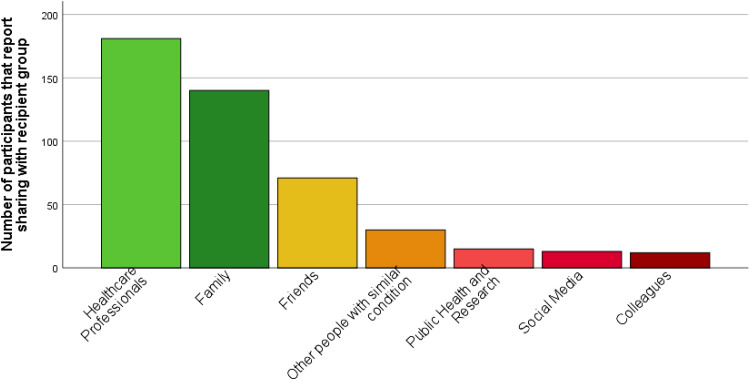
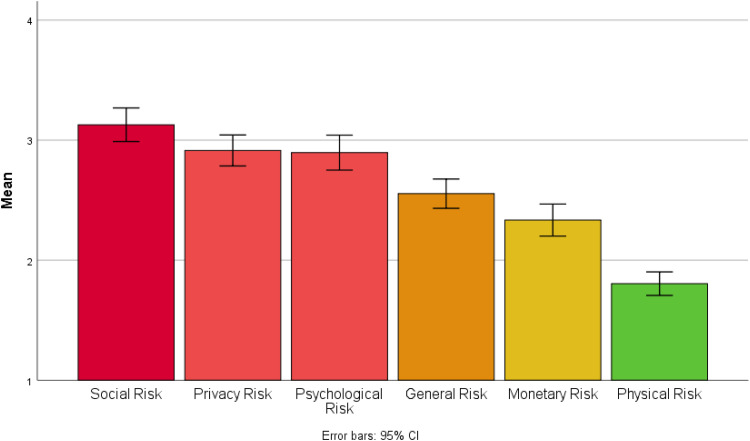
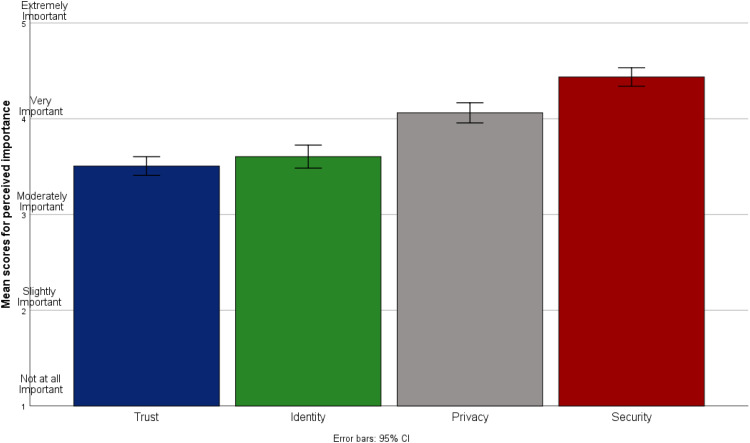
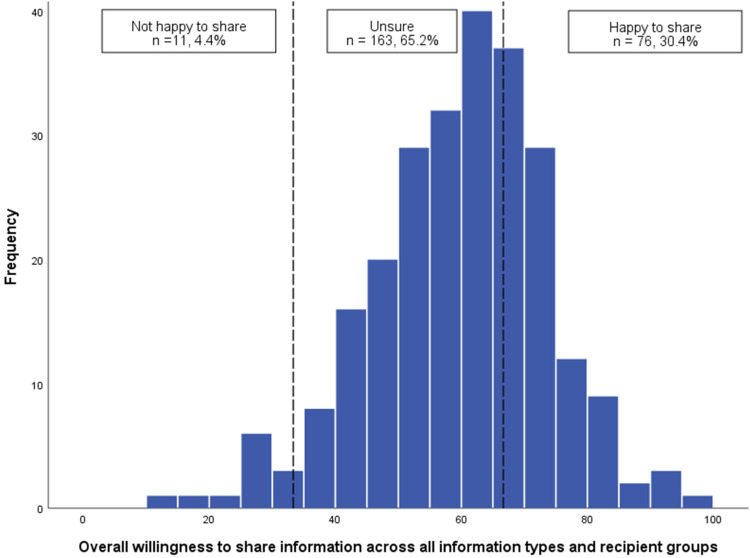
Three-quarters of our sample reported recording information about their health and lifestyle on a daily basis. However, two-thirds reported never or rarely sharing this information with others. Trust, Identity, Privacy and Security concerns were considered to be 'very important' by those with long-term health conditions when deciding whether or not to share self-generated health and lifestyle data with others, with security concerns considered most important. Of those living with a long-term health condition, 58% reported experiencing stigma associated with their condition. The greatest perceived risk from sharing with others was the potential for future harm to their social relationships.
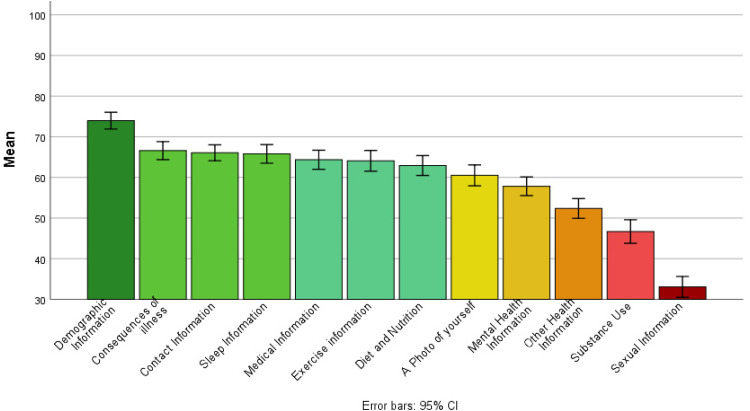
Our findings suggest that, in order for health professionals and researchers to benefit from the increased prevalence of self-generated health and lifestyle data, more can be done to address security concerns and to understand perceived risks associated with data sharing. Digital platforms aimed at facilitating the sharing of self-generated health and lifestyle data may look to highlight security features, enable users to control the sharing of certain information types, and emphasise the practical benefits to users of sharing health and lifestyle data with others.
收集自我生成的健康和生活方式数据越来越受欢迎,这为增进我们对长期健康状况的了解和改善护理提供了宝贵机会。长期健康状况患者在有效共享健康和生活方式数据方面仍然存在障碍,这些障碍包括围绕信任、身份、隐私和安全概念的信念、耻辱感经历、风险认知和信息敏感性。
我们对250名报告患有一系列长期健康状况的英国成年人进行了调查。我们记录数据以评估与共享自我生成的健康和生活方式数据相关的自我报告行为、经历、态度和动机。我们还询问了参与者关于他们对信任、身份、隐私和安全、耻辱感以及对其健康和生活方式数据的风险认知和信息敏感性的信念。
我们样本中有四分之三的人报告每天记录自己的健康和生活方式信息。然而,三分之二的人报告从未或很少与他人分享这些信息。在决定是否与他人共享自我生成的健康和生活方式数据时,长期健康状况患者认为信任、身份、隐私和安全问题“非常重要”,其中安全问题被认为最为重要。在患有长期健康状况的人群中,58%的人报告经历过与病情相关的耻辱感。与他人分享数据所感知到的最大风险是对其社会关系未来可能造成的伤害。
我们的研究结果表明,为了让医疗专业人员和研究人员从自我生成的健康和生活方式数据的日益普及中受益,可以做更多的工作来解决安全问题,并了解与数据共享相关的感知风险。旨在促进自我生成的健康和生活方式数据共享的数字平台可能会着眼于突出安全功能,让用户能够控制某些信息类型的共享,并强调与他人共享健康和生活方式数据对用户的实际好处。