Juget Frédéric, Talip Zeynep, Nedjadi Youcef, Durán M Teresa, Grundler Pascal V, Zeevaart Jan Rijn, van der Meulen Nicholas P, Bailat Claude
Institute of Radiation Physics, Lausanne, Switzerland.
Center for Radiopharmaceutical Sciences, ETH-PSI-USZ, Paul Scherrer Institute, Villigen-PSI, Switzerland.
EJNMMI Phys. 2022 Mar 14;9(1):19. doi: 10.1186/s40658-022-00448-0.
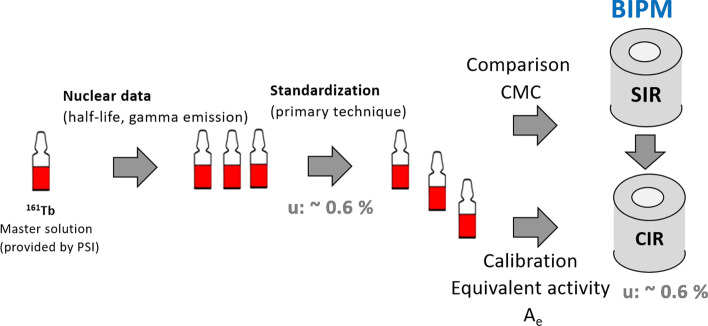
Tb draws an increasing interest in nuclear medicine for therapeutic applications. More than 99% of the emitted gamma and X-rays of Tb have an energy below 100 keV. Consequently, precise activity measurement of Tb becomes inaccurate with radionuclide dose calibrators when using inappropriate containers or calibration factors to account for the attenuation of this low energy radiation. To evaluate the ionization chamber response, the sample activity must be well known. This can be performed using standards traceable to the Système International de Référence, which is briefly described as well as the method to standardize the radionuclides.
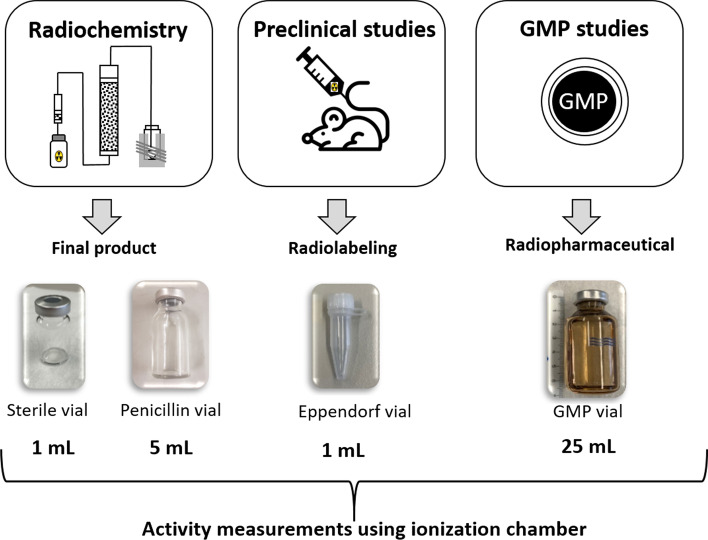
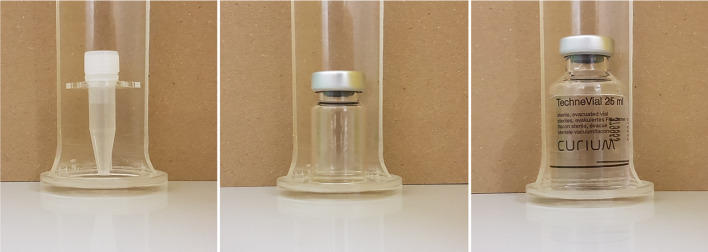
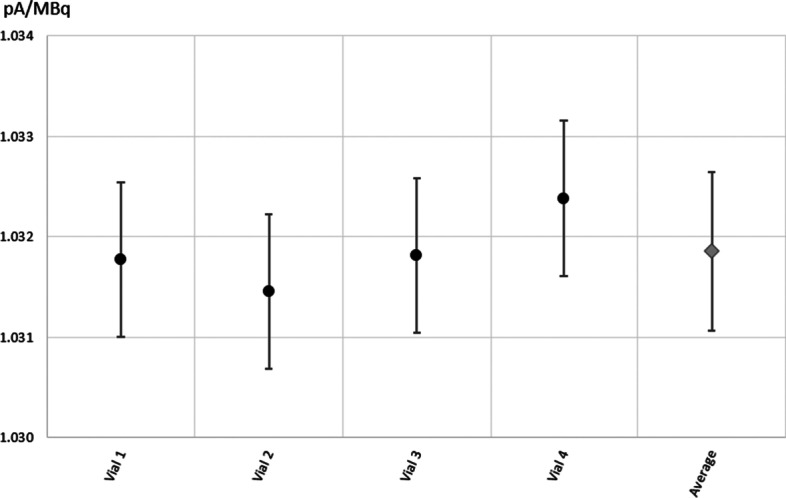
In this study, the response of an ionization chamber using different container types and volumes was assessed using Tb. The containers were filled with a standardized activity solution of Tb and measured with a dedicated ionization chamber, providing an accurate response. The results were compared with standardized solutions of high-energy gamma-emitting radionuclides such as Cs, Co, Ba and Co.
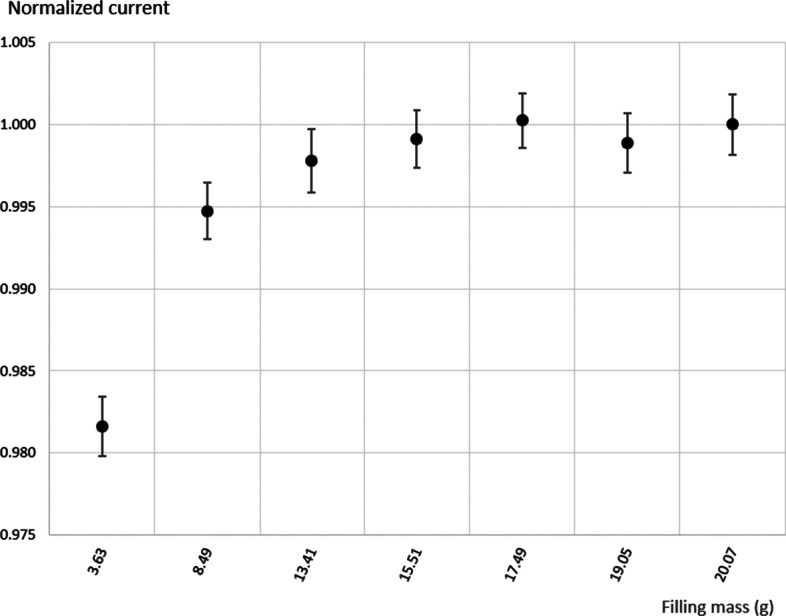
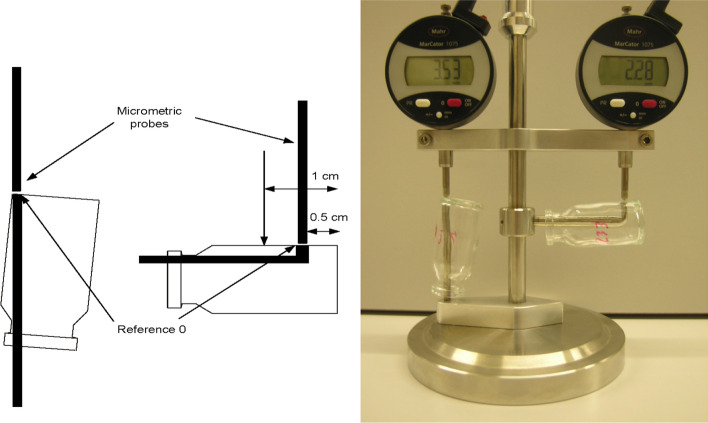
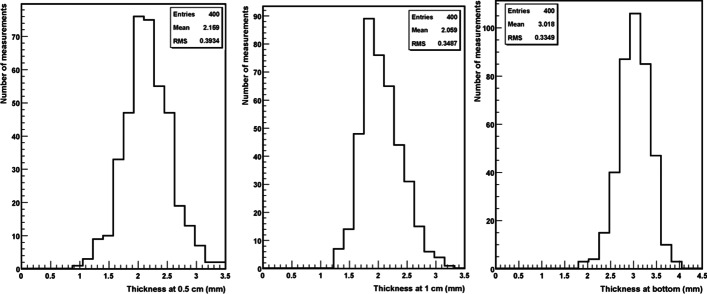
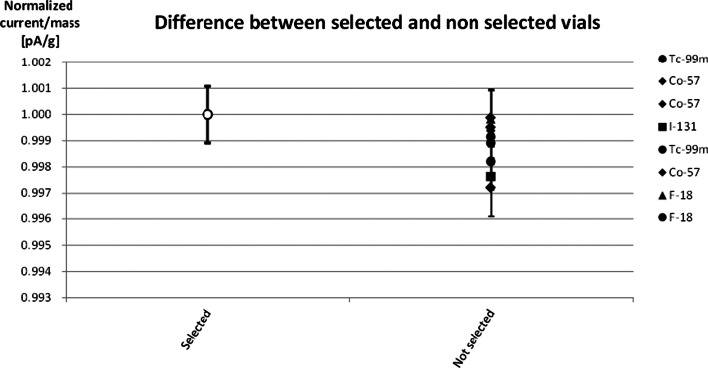
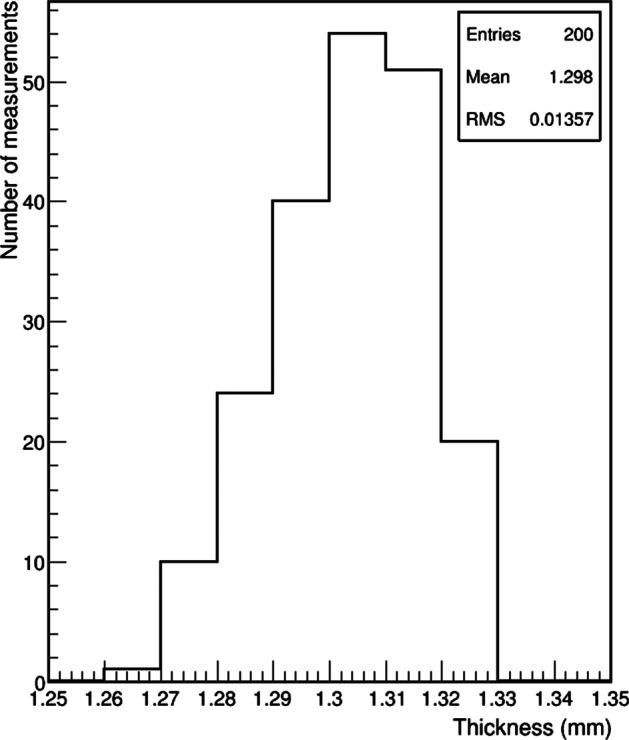
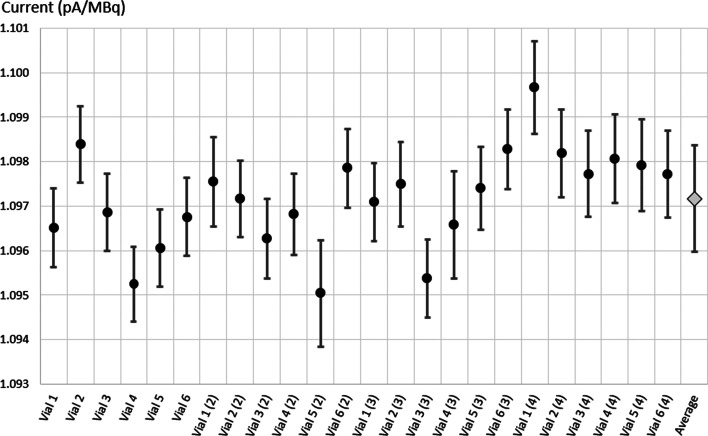
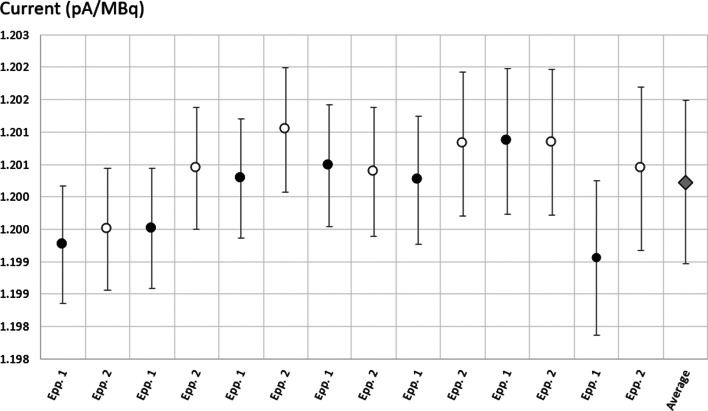
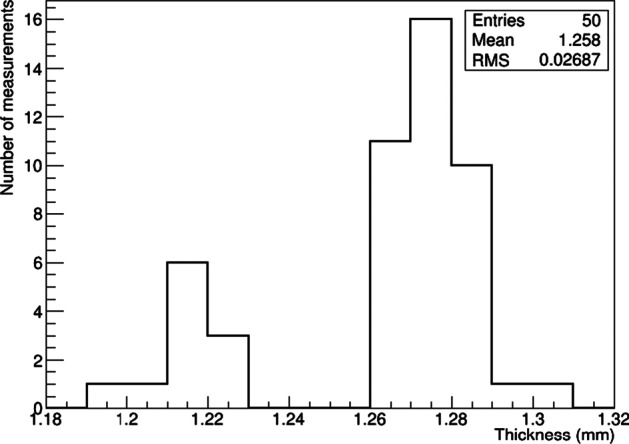
For the glass vial type with an irregular glass thickness, the Tb measurements gave a deviation of 4.5% between two vials of the same type. The other glass vial types have a much more regular thickness and no discrepancy was observed in the response of the ionization chamber for these type of vials. Measurements with a plastic Eppendorf tube showed stable response, with greater sensitivity than the glass vials.
Ionization chamber measurements for low-energy gamma emitters (< 100 keV), show deviation depending on the container type used. Therefore, a careful selection of the container type must be done for activity assessment of Tb using radionuclide dose calibrators. In conclusion, it was highlighted that appropriate calibration factors must be used for each container geometry when measuring Tb and, more generally, for low-energy gamma emitters.
钍(Tb)在核医学治疗应用中越来越受到关注。钍发射的伽马射线和X射线中,超过99%的能量低于100 keV。因此,当使用不适当的容器或校准因子来考虑这种低能辐射的衰减时,用放射性核素剂量校准器对钍进行精确的活度测量会变得不准确。为了评估电离室的响应,样品活度必须是已知的。这可以使用可追溯到国际单位制的标准来进行,本文将简要描述这些标准以及放射性核素标准化的方法。
在本研究中,使用钍评估了电离室对不同类型和体积容器的响应。容器中装满了标准化活度的钍溶液,并用专用电离室进行测量,以提供准确的响应。结果与高能伽马发射放射性核素(如铯(Cs)、钴(Co)、钡(Ba)和钴)的标准化溶液进行了比较。
对于玻璃厚度不规则的玻璃瓶类型,同一类型的两个玻璃瓶之间钍的测量偏差为4.5%。其他玻璃瓶类型的厚度更为规则,对于这些类型的玻璃瓶,电离室的响应未观察到差异。用塑料艾本德管进行测量显示响应稳定,灵敏度高于玻璃瓶。
对于低能伽马发射体(<100 keV)的电离室测量,显示出的偏差取决于所使用的容器类型。因此,在使用放射性核素剂量校准器对钍进行活度评估时,必须仔细选择容器类型。总之,强调了在测量钍时,以及更一般地在测量低能伽马发射体时,必须为每种容器几何形状使用适当的校准因子。