Department of Biology, Faculty of Science, Hong Kong Baptist University, Kowloon Tong, Hong Kong SAR, China.
Mr. & Mrs. Ko Chi Ming Center for Parkinson Disease Research, School of Chinese Medicine, Hong Kong Baptist University, Kowloon Tong, Hong Kong SAR, China.
Front Immunol. 2022 Mar 2;13:833515. doi: 10.3389/fimmu.2022.833515. eCollection 2022.
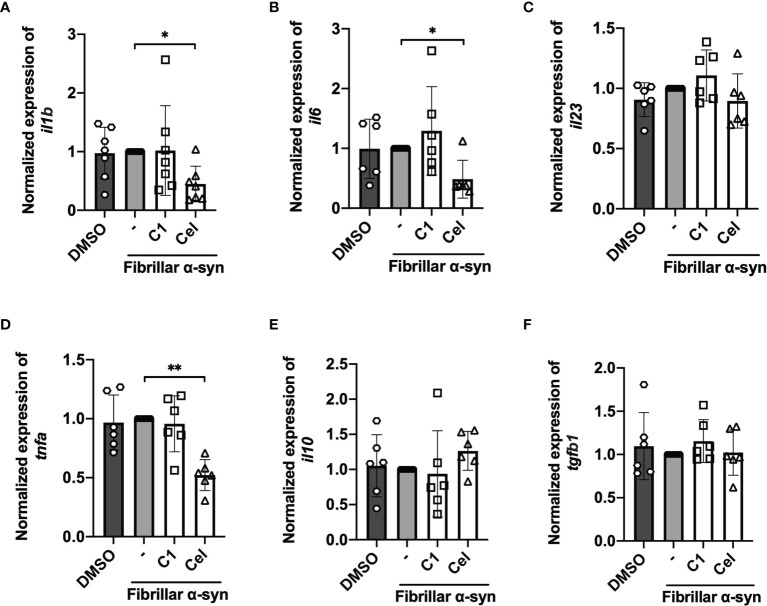
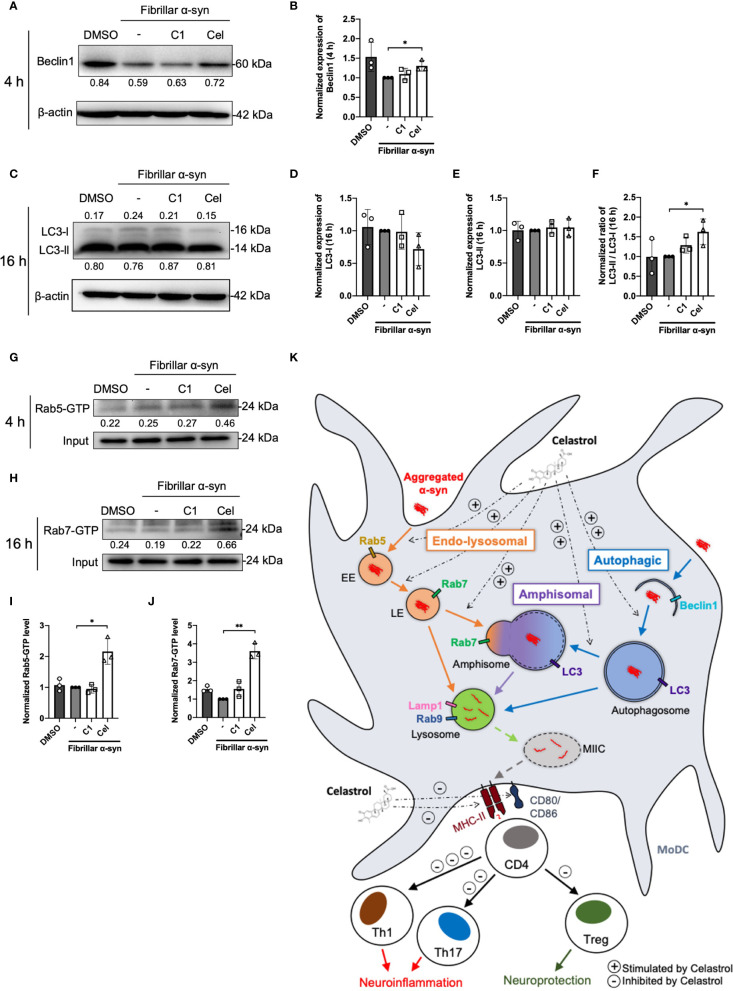
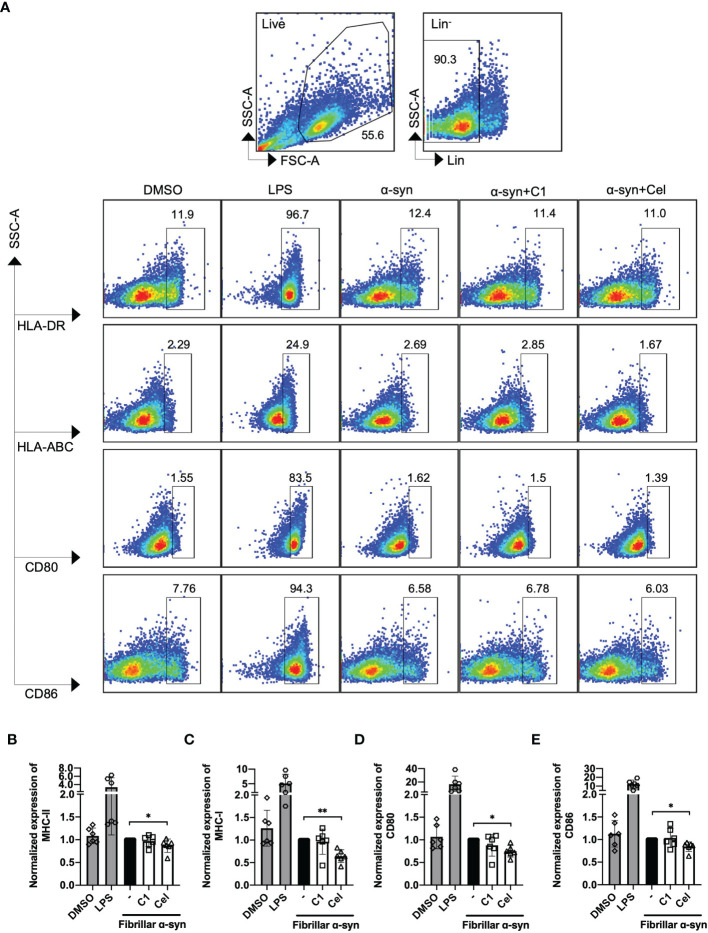
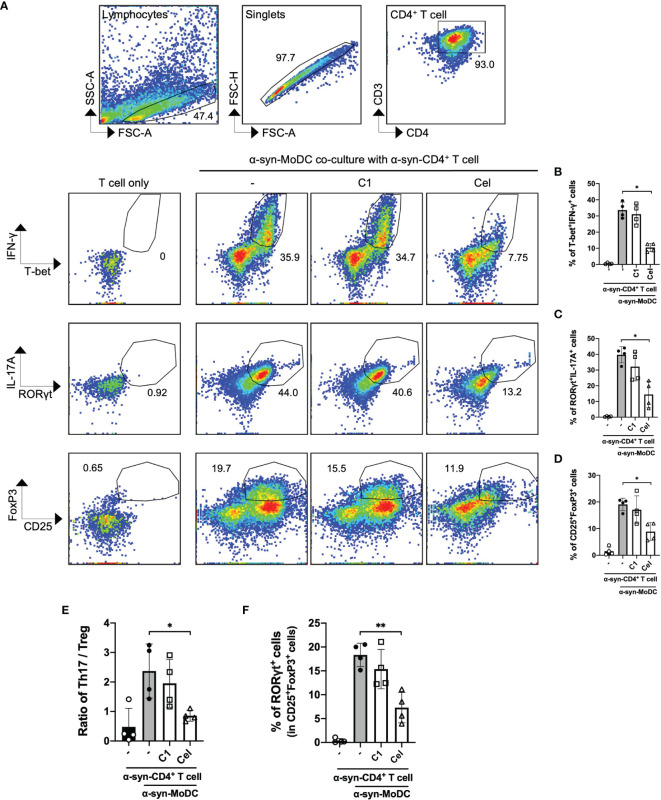
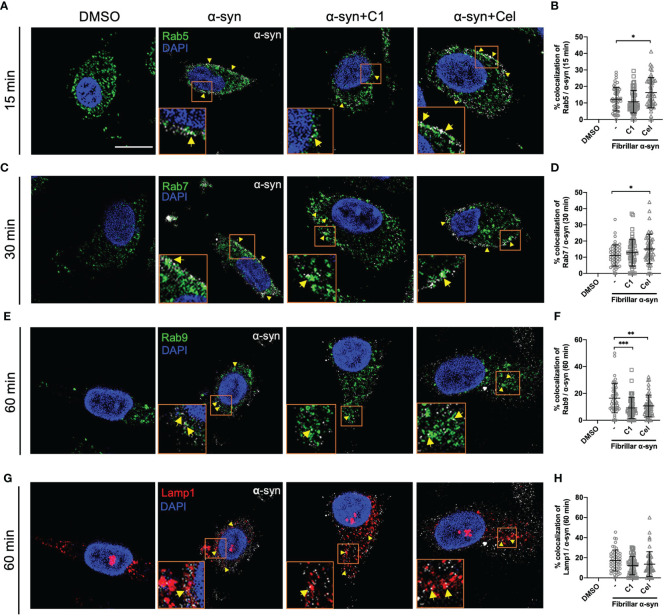
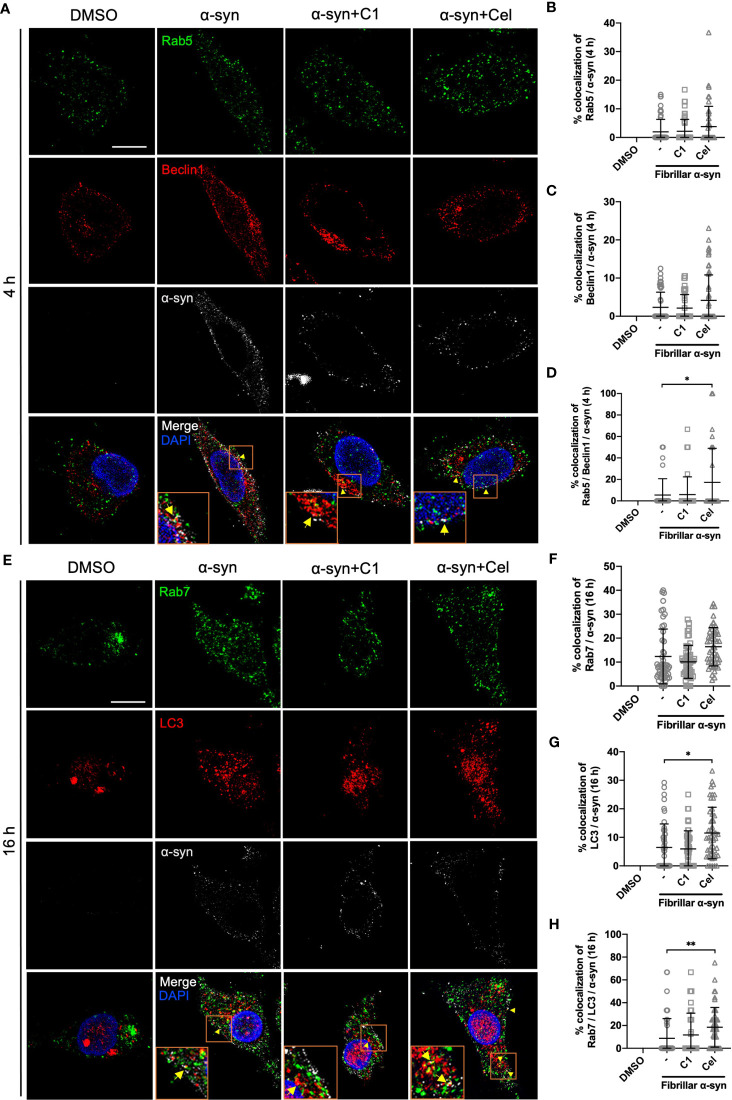
Parkinson's Disease (PD) is a neurodegenerative disease that affects the elderly. It is associated with motor dysfunction due to the accumulation of misfolded or aggregated fibrillar alpha-synuclein (α-syn) in the mid-brain. Current treatments are mainly focused on relieving the symptoms but are accompanied by side effects and are limited in halting disease progression. Increasing evidence points to peripheral immune cells underlying disease development, especially T cells contributing to α-syn-related neuroinflammation in PD. The onset of these cells is likely mediated by dendritic cells (DCs), whose role in α-syn-specific responses remain less studied. Moreover, Traditional Chinese medicine (TCM)-derived compounds that are candidates to treat PD may alleviate DC-T cell-mediated immune responses. Therefore, our study focused on the role of DC in response to fibrillar α-syn and subsequent induction of antigen-specific T cell responses, and the effect of TCM Curcumin-analog C1 and Hook F-derived Celastrol. We found that although fibrillar α-syn did not induce significant inflammatory or T cell-mediating cytokines, robust pro-inflammatory T cell responses were found by co-culturing fibrillar α-syn-pulsed DCs with α-syn-specific CD4 T cells. Celastrol, but not C1, reduced the onset of pro-inflammatory T cell differentiation, through promoting interaction of endosomal, amphisomal, and autophagic vesicles with fibrillar α-syn, which likely lead to its degradation and less antigen peptides available for presentation and T cell recognition. In conclusion, regulating the intracellular trafficking/processing of α-syn by DCs can be a potential approach to control the progression of PD, in which Celastrol is a potential candidate to accomplish this.
帕金森病(PD)是一种影响老年人的神经退行性疾病。它与运动功能障碍有关,原因是中脑中错误折叠或聚集的纤维状α-突触核蛋白(α-syn)的积累。目前的治疗方法主要集中在缓解症状上,但伴随着副作用,并且在阻止疾病进展方面有限。越来越多的证据表明,外周免疫细胞是疾病发展的基础,特别是 T 细胞有助于 PD 中与α-syn 相关的神经炎症。这些细胞的发作可能是由树突状细胞(DC)介导的,其在α-syn 特异性反应中的作用仍研究较少。此外,源自传统中药(TCM)的化合物可能是治疗 PD 的候选药物,可减轻 DC-T 细胞介导的免疫反应。因此,我们的研究集中在 DC 对纤维状α-syn 的反应以及随后诱导抗原特异性 T 细胞反应的作用,以及 TCM 姜黄素类似物 C1 和钩藤衍生的 Celastrol 的作用。我们发现,尽管纤维状α-syn 不会诱导明显的炎症或 T 细胞介导的细胞因子,但在与α-syn 特异性 CD4 T 细胞共培养纤维状α-syn 脉冲 DC 时,发现了强烈的促炎 T 细胞反应。Celastrol 而不是 C1 通过促进内体、amphisomal 和自噬小泡与纤维状α-syn 的相互作用,减少了促炎 T 细胞分化的发生,这可能导致其降解和可用于呈递和 T 细胞识别的抗原肽减少。总之,调节 DC 中α-syn 的细胞内转运/加工可能是控制 PD 进展的一种潜在方法,其中 Celastrol 是实现这一目标的潜在候选药物。