Jarrah Samar Afif, Kmetiuk Louise Bach, de Carvalho Otávio Valério, de Sousa Alessandra Tammy Hayakawa Ito, Souza Valeria Regia Franco, Nakazato Luciano, Colodel Edson Moleta, Dos Santos Andrea Pires, Pettan-Brewer Christina, Hahn Rosane Christine, Slhessarenko Renata Dezengrini, Ubiali Daniel Guimarães, Pereira Asheley Henrique Barbosa, de Morais Helio Autran, Biondo Alexander Welker, Dutra Valéria
Department of Veterinary Medicine, College of Veterinary Medicine, Federal University of Mato Grosso, Cuiabá, MG, Brazil.
Graduate College of Molecular Biology, Federal University of Paraná, Curitiba, PR, Brazil.
J Venom Anim Toxins Incl Trop Dis. 2022 Mar 7;28:e20210074. doi: 10.1590/1678-9199-JVATITD-2021-0074. eCollection 2022.
Severe acute respiratory syndrome coronavirus 2 (SARS-CoV-2) is the etiological agent of the disease coronavirus 2019 (COVID-19) in humans. SARS-CoV-2 has been identified in cats with or without clinical signs.
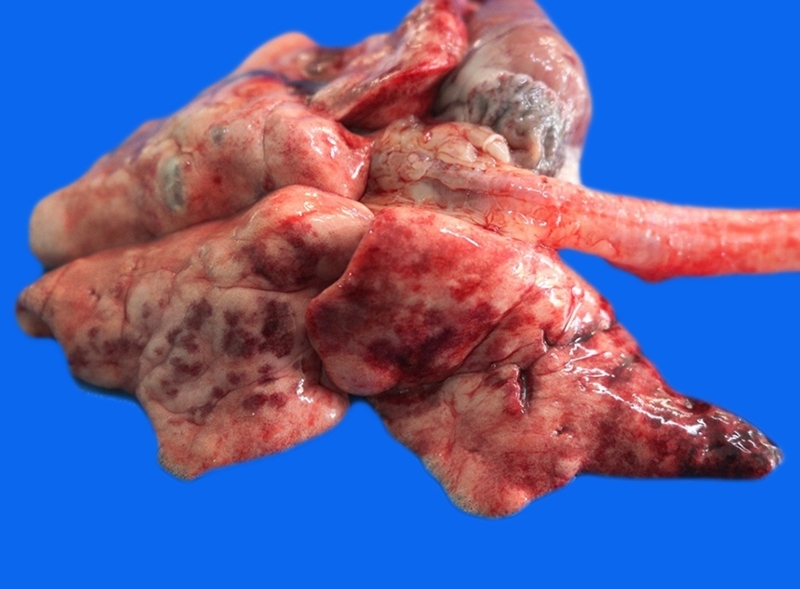
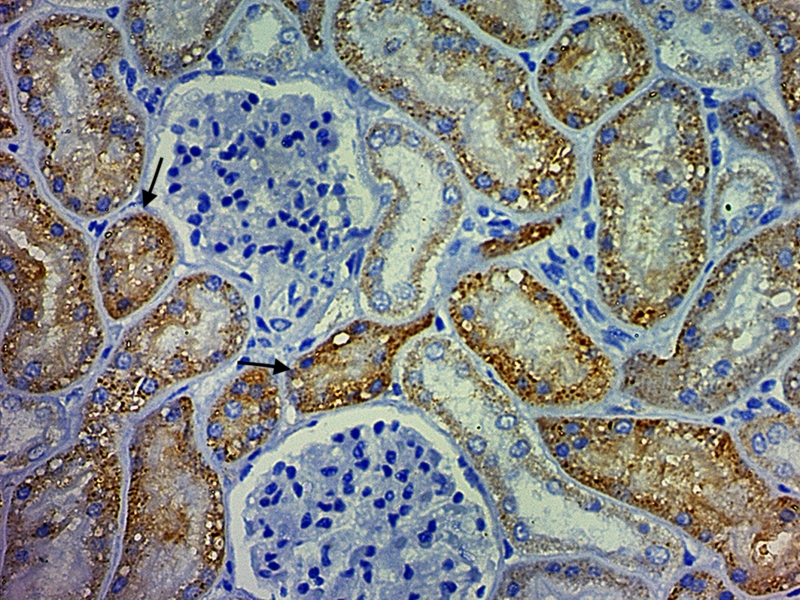
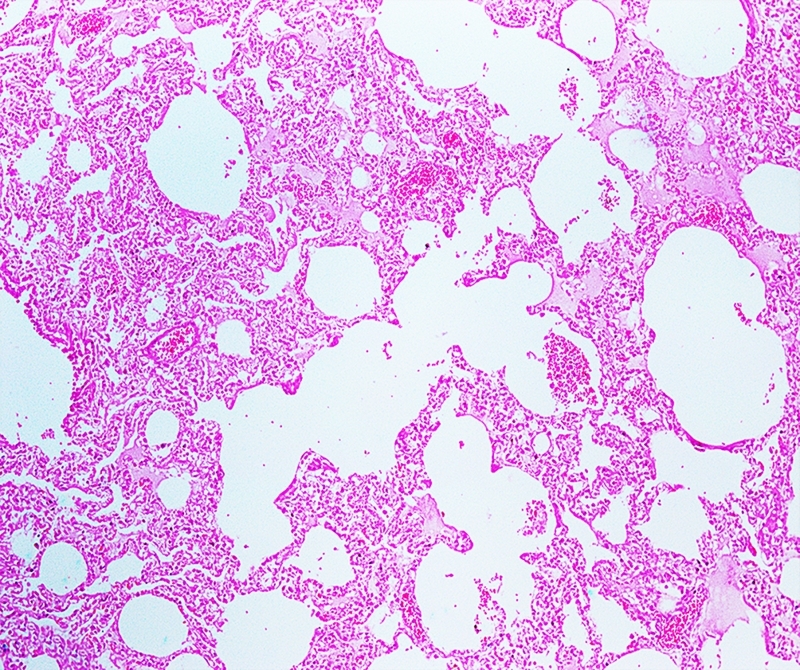
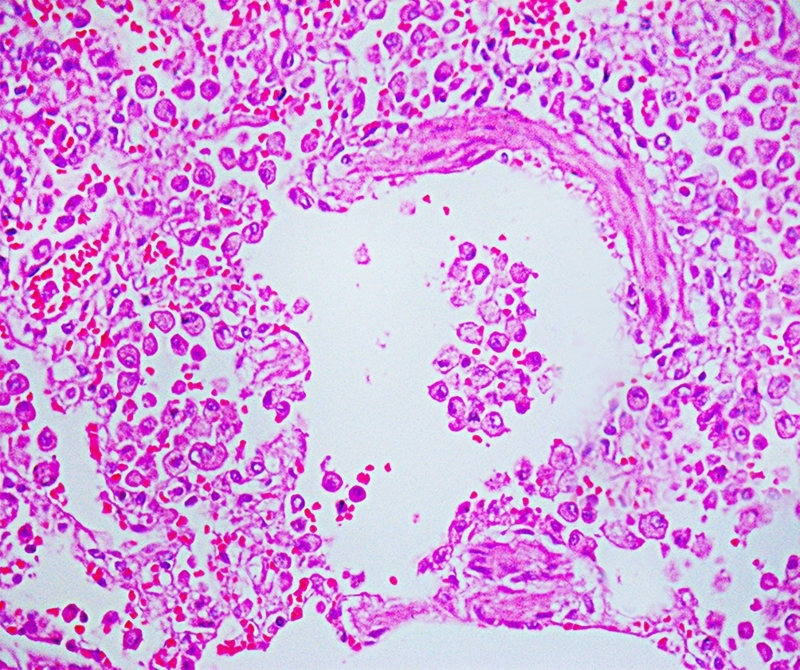
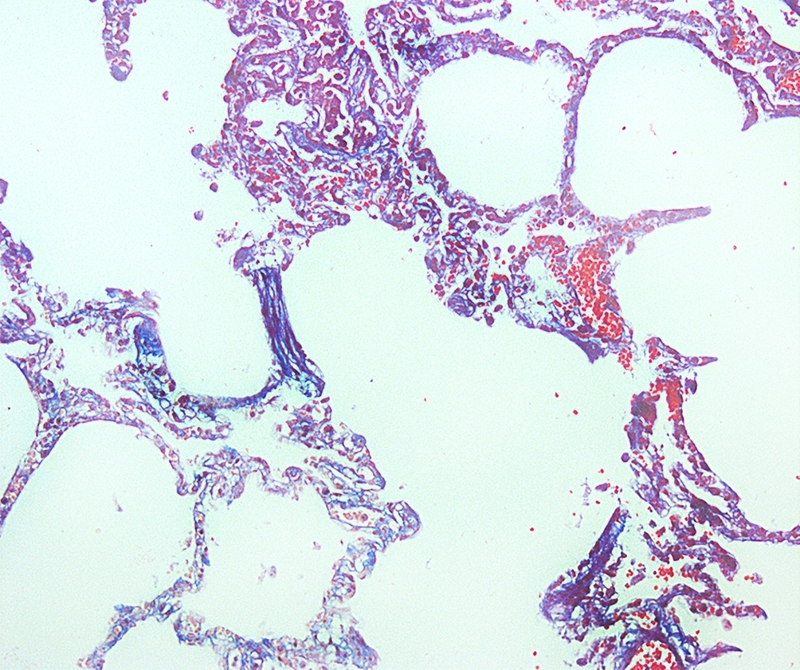
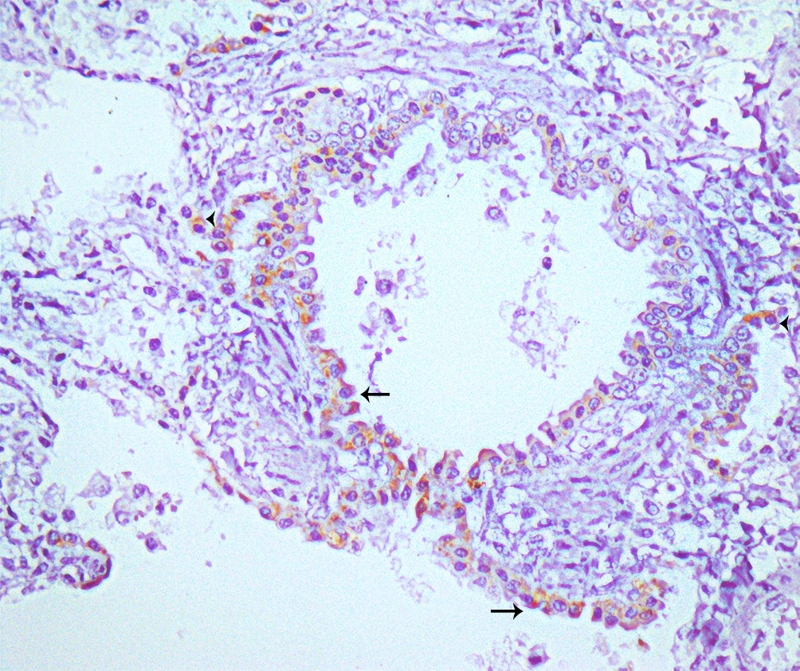
We describe the pathological and molecular findings in a six-month-old asymptomatic cat with SARS-CoV-2 infection from Brazil, belonging to a human family with COVID-19 cases. The pool of nasopharynx and oropharynx swabs at day zero tested positive by RT-qPCR for SARS-CoV-2. No amplification resulted from molecular testing performed on days 7 and 14. The cat was hit by a car and died 43 days after the molecular diagnosis. Immunohistochemistry at examination demonstrated nucleocapsid protein in samples from the lungs, kidneys, nasal conchae, trachea, intestine, brain and spleen.
The present study has highlighted the possibility that viral antigens can be detected by immunohistochemistry in multiple organs six weeks after infection, although the same tissues tested negative by RT-PCR.
严重急性呼吸综合征冠状病毒2(SARS-CoV-2)是人类冠状病毒病2019(COVID-19)的病原体。在有或无临床症状的猫中均已发现SARS-CoV-2。
我们描述了一只来自巴西的6个月大无症状感染SARS-CoV-2的猫的病理和分子学发现,这只猫属于一个有COVID-19病例的人类家庭。第0天采集的鼻咽和口咽拭子样本经逆转录定量聚合酶链反应(RT-qPCR)检测,SARS-CoV-2呈阳性。第7天和第14天进行的分子检测未出现扩增结果。这只猫被车撞后,在分子诊断43天后死亡。尸检时的免疫组织化学检查显示,在肺、肾、鼻甲、气管、肠道、脑和脾脏的样本中存在核衣壳蛋白。
本研究强调了尽管相同组织的RT-PCR检测呈阴性,但感染六周后通过免疫组织化学可在多个器官中检测到病毒抗原的可能性。