King Kelly, Larsen Brendan B, Gryseels Sophie, Richet Cécile, Kraberger Simona, Jackson Robert, Worobey Michael, Harrison Joseph S, Varsani Arvind, Van Doorslaer Koenraad
School of Animal and Comparative Biomedical Sciences, University of Arizona, Tucson, Arizona, USA.
Department of Ecology and Evolutionary Biology, University of Arizona, Tucson, Arizona, USA.
mBio. 2022 Apr 26;13(2):e0005422. doi: 10.1128/mbio.00054-22. Epub 2022 Mar 21.
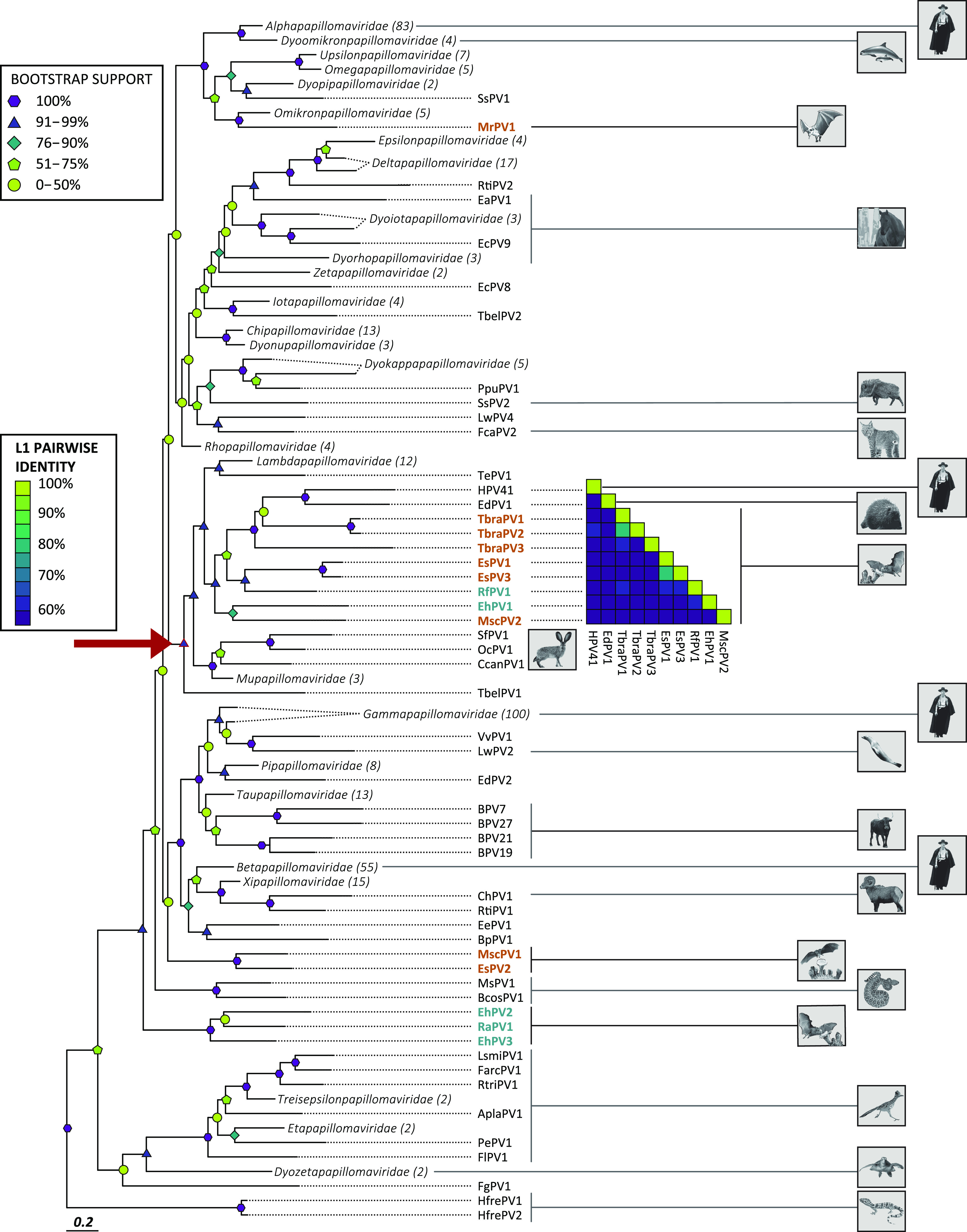
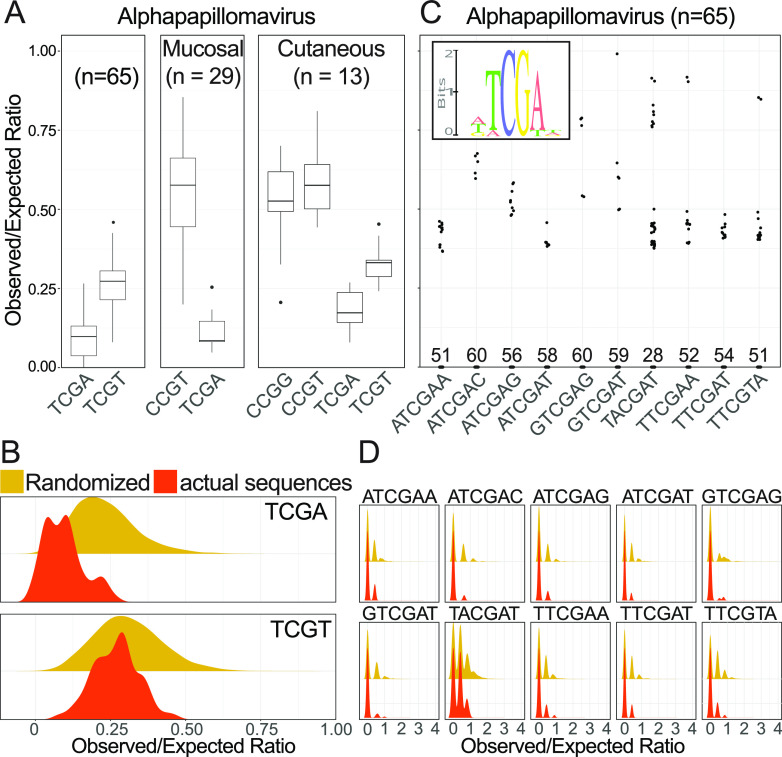
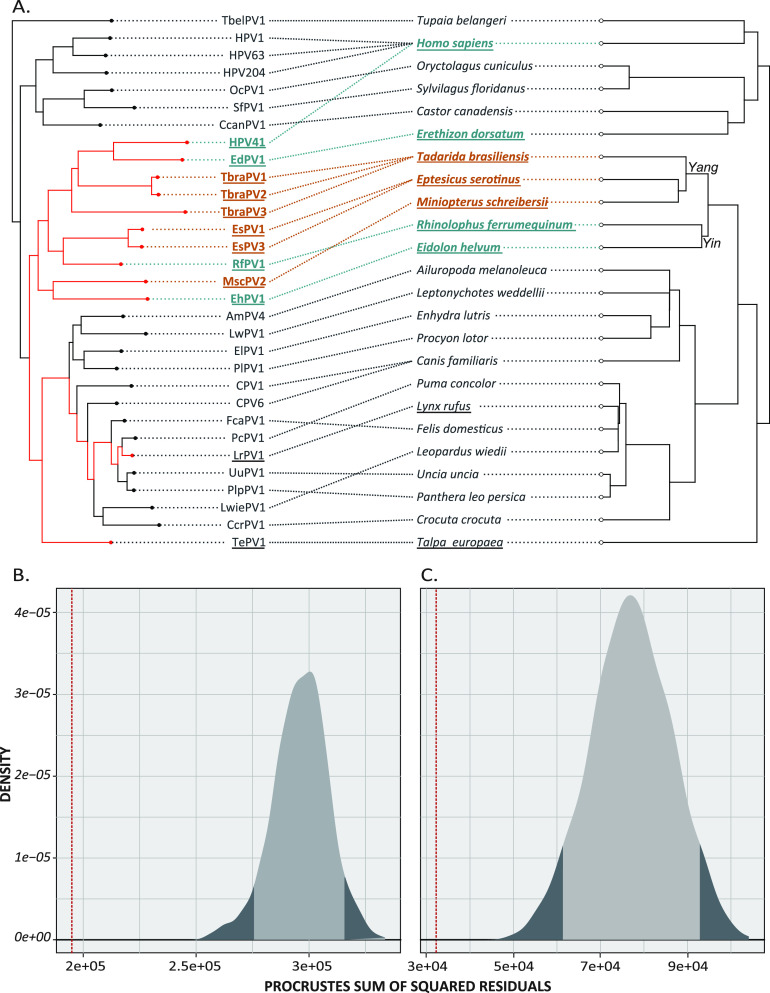
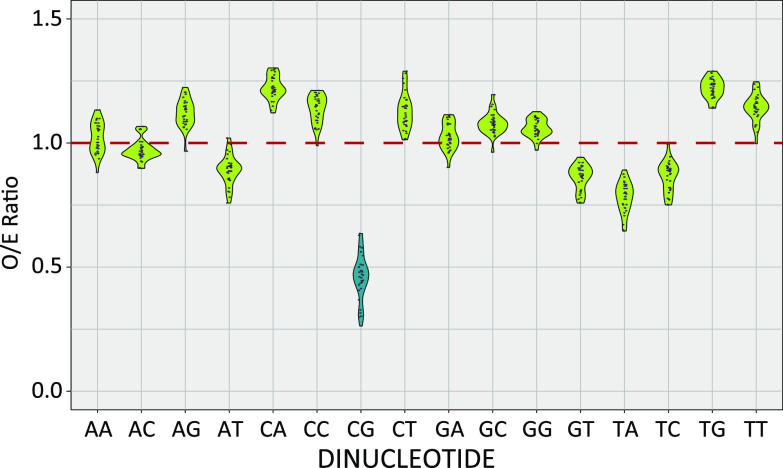
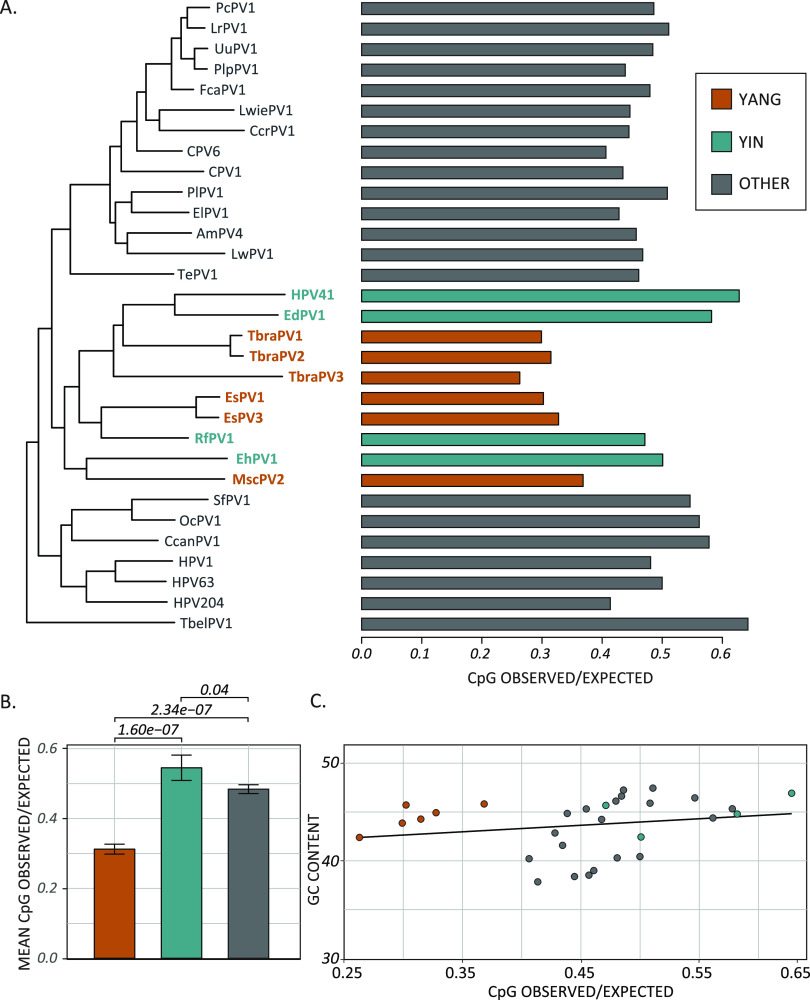
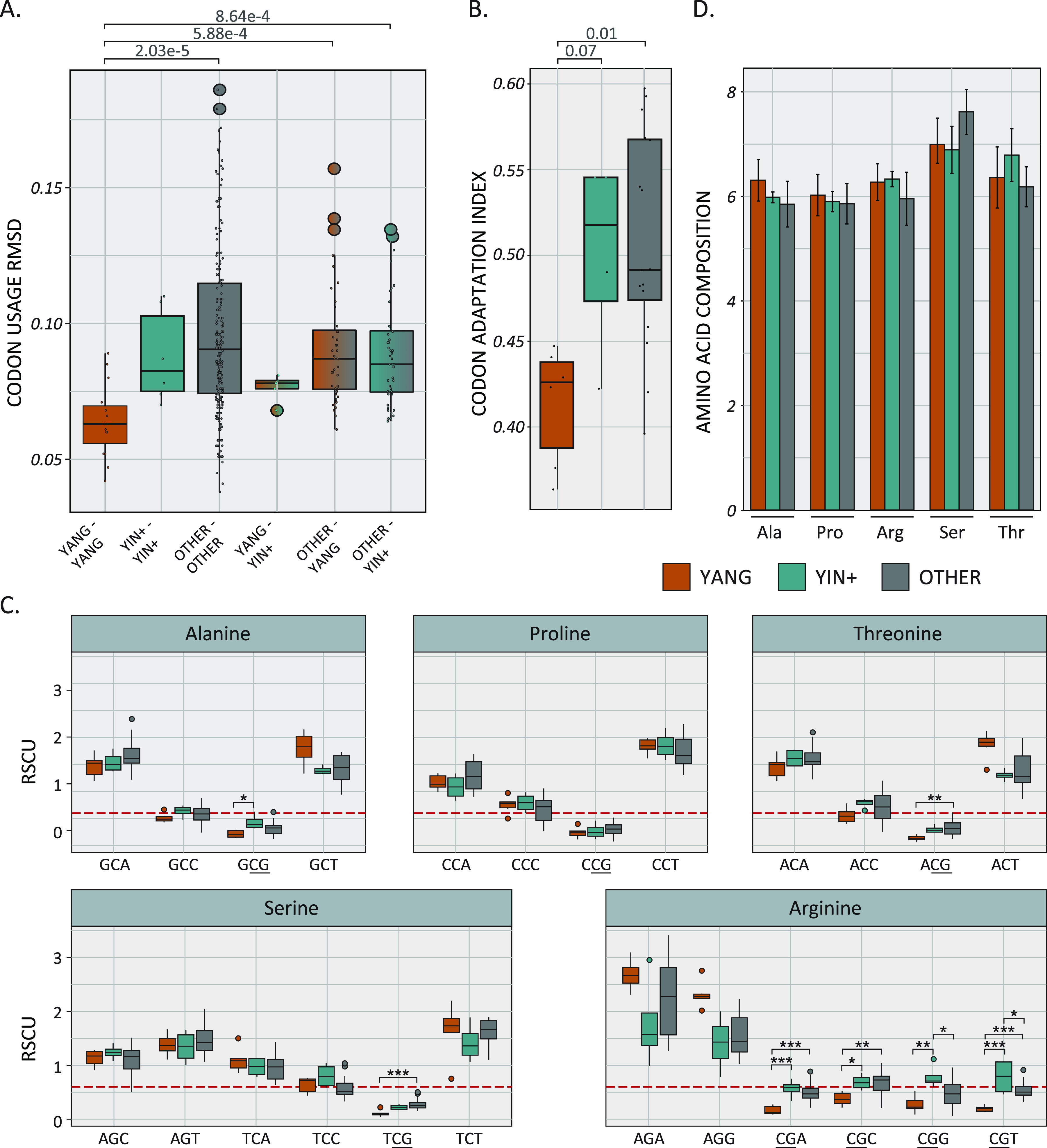
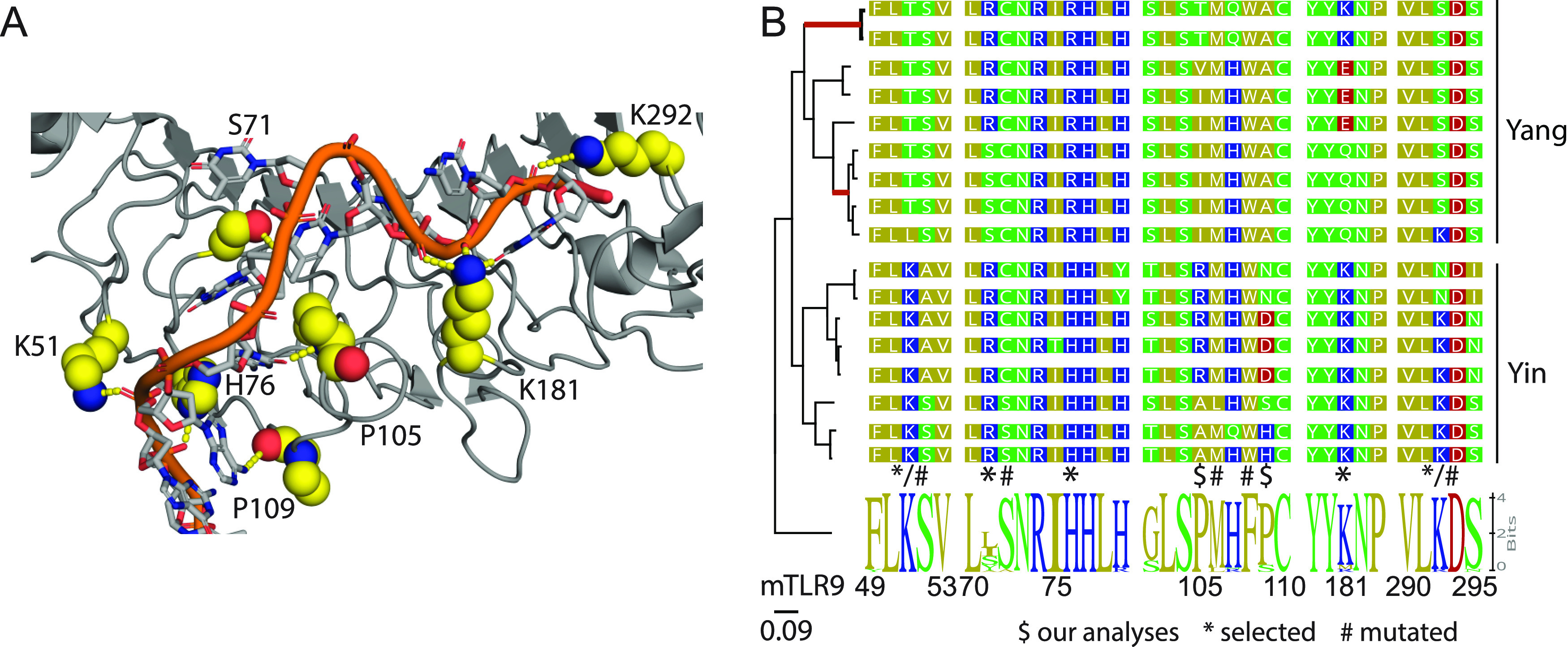
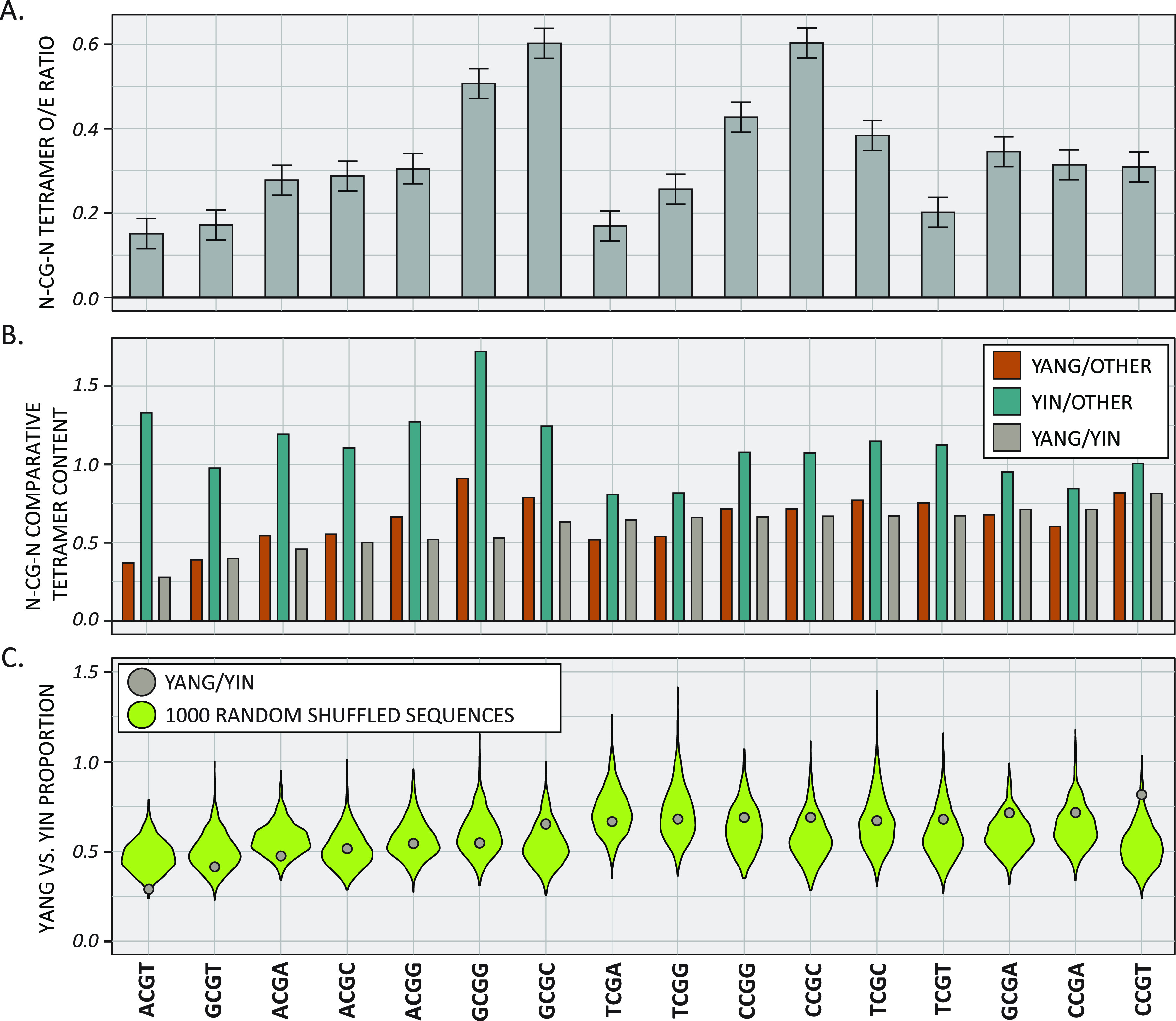
Upon infection, DNA viruses can be sensed by pattern recognition receptors (PRRs), leading to the activation of type I and III interferons to block infection. Therefore, viruses must inhibit these signaling pathways, avoid being detected, or both. Papillomavirus virions are trafficked from early endosomes to the Golgi apparatus and wait for the onset of mitosis to complete nuclear entry. This unique subcellular trafficking strategy avoids detection by cytoplasmic PRRs, a property that may contribute to the establishment of infection. However, as the capsid uncoats within acidic endosomal compartments, the viral DNA may be exposed to detection by Toll-like receptor 9 (TLR9). In this study, we characterized two new papillomaviruses from bats and used molecular archeology to demonstrate that their genomes altered their nucleotide compositions to avoid detection by TLR9, providing evidence that TLR9 acts as a PRR during papillomavirus infection. Furthermore, we showed that TLR9, like other components of the innate immune system, is under evolutionary selection in bats, providing the first direct evidence for coevolution between papillomaviruses and their hosts. Finally, we demonstrated that the cancer-associated human papillomaviruses show a reduction in CpG dinucleotides within a TLR9 recognition complex. Viruses must avoid detection by the innate immune system. In this study, we characterized two new papillomaviruses from bats and used molecular archeology to demonstrate that their genomes altered their nucleotide compositions to avoid detection by TLR9, providing evidence that TLR9 acts as a PRR during papillomavirus infection. Furthermore, we demonstrated that TLR9, like other components of the innate immune system, is under evolutionary selection in bats, providing the first direct evidence for coevolution between papillomaviruses and their hosts.
感染后,DNA病毒可被模式识别受体(PRR)识别,从而激活I型和III型干扰素以阻断感染。因此,病毒必须抑制这些信号通路,避免被检测到,或者两者兼而有之。乳头瘤病毒颗粒从早期内体转运至高尔基体,并等待有丝分裂开始以完成核进入。这种独特的亚细胞转运策略可避免被细胞质PRR检测到,这一特性可能有助于感染的建立。然而,由于衣壳在酸性内体区室中解聚,病毒DNA可能会暴露于Toll样受体9(TLR9)的检测之下。在本研究中,我们鉴定了两种来自蝙蝠的新型乳头瘤病毒,并利用分子考古学证明它们的基因组改变了核苷酸组成以避免被TLR9检测到,这为TLR9在乳头瘤病毒感染过程中作为PRR发挥作用提供了证据。此外,我们表明,与先天免疫系统的其他成分一样,TLR9在蝙蝠中也受到进化选择,这为乳头瘤病毒与其宿主之间的共同进化提供了首个直接证据。最后,我们证明与癌症相关的人类乳头瘤病毒在TLR9识别复合体中的CpG二核苷酸减少。病毒必须避免被先天免疫系统检测到。在本研究中,我们鉴定了两种来自蝙蝠的新型乳头瘤病毒,并利用分子考古学证明它们的基因组改变了核苷酸组成以避免被TLR9检测到,这为TLR9在乳头瘤病毒感染过程中作为PRR发挥作用提供了证据。此外,我们证明,与先天免疫系统的其他成分一样,TLR9在蝙蝠中也受到进化选择,这为乳头瘤病毒与其宿主之间的共同进化提供了首个直接证据。